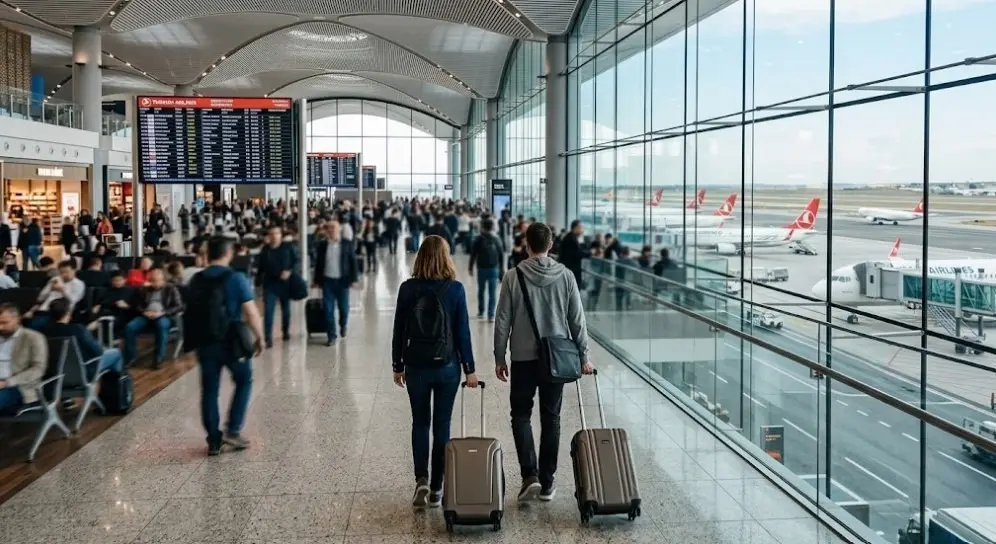
Based on a comprehensive study of more than 14,000 travelers across 14 countries, Hilton’s 2027 Travel Trends Report illuminates the shifting priorities defining the future of global tourism.
A major global study examining the evolving preferences of modern travelers has revealed the core trends set to shape the international travel landscape in 2027. Conducted by hospitality giant Hilton in partnership with research firm Morning Consult, the comprehensive 2027 Travel Trends Report surveyed more than 14,000 travel enthusiasts across 14 countries, including Türkiye. The findings point to a decisive shift away from standardized, high-pace itineraries toward highly personalized, restorative, and deliberate travel experiences.
Commenting on the survey findings, Simon Vincent CBE, Executive Vice President and President for EMEA at Hilton, highlighted how fundamentally traveler motivations are changing across the globe. He noted that consumers are no longer searching for a generic standard of vacationing, but are instead seeking out journeys that align directly with their individual values, health needs, and personal goals.
"Travelers are now focused on making the time they spend away much more meaningful," Vincent stated regarding the report. "Instead of chasing a one-size-fits-all concept of a ‘perfect vacation,’ they are seeking experiences that reflect their own personal interests and priorities."
Navigating the "Travel Trust Equation" in the Age of AI
One of the report’s central insights is the emergence of what researchers describe as the "Travel Trust Equation." As artificial intelligence tools become increasingly integrated into travel planning, trust has surfaced as the single most critical factor guiding consumer decisions. Today’s travelers navigate a complex landscape that spans digital tools, personal word-of-mouth recommendations, and brand loyalty programs, drawing on different sources at various stages of their booking journey.
According to the report, artificial intelligence is primarily utilized to accelerate the initial discovery and research process. However, human expertise remains vital for instilling confidence, while established loyalty programs serve to validate and guarantee the quality of the stay. Together, these elements form a multi-layered trust model that influences where and how people choose to travel.
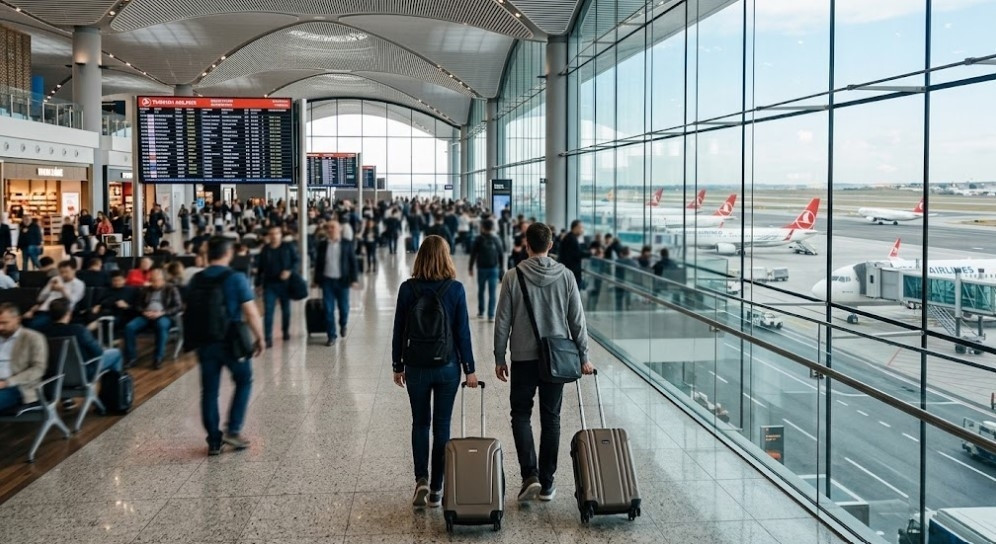
This reliance on digital intelligence is particularly pronounced in Türkiye, where consumers display a high degree of confidence in AI-driven tools when making key travel decisions. When selecting accommodations, 20 percent of Turkish travelers identify artificial intelligence tools as their most trusted resource—viewing algorithmic recommendations on par with human connections. This level of trust places AI on equal footing with recommendations from family members (20 percent) and well ahead of advice from friends (15 percent), illustrating a rapid shift in how digital solutions are restructuring consumer confidence in the region.
The Rise of Purposeful Solo Travel and Personal Growth
The report also highlights a growing global appetite for solo travel, with Turkish respondents leading several key metrics focused on self-improvement and wellness. Among Turkish travelers planning to embark on a solo trip within the next 12 months, 39 percent cite "dedicating time to personal growth and self-assessment" as their primary motivation.
This strong emphasis on self-discovery places Türkiye at the top of the global rankings in this category, ahead of South Korea (34 percent) and India (33 percent). The data suggests that for a growing segment of travelers, solo journeys are no longer seen simply as independent leisure trips, but as purposeful opportunities for introspection, skill development, and psychological reset.
In addition to personal growth, rest and physical recovery are driving forces behind the solo travel movement. The study reveals that 51 percent of Turkish solo travelers choose to travel alone specifically to "rest and recharge." In this category, Türkiye ranks second globally, trailing only Japan, where 55 percent of respondents prioritize solo trips for restorative purposes.
Redefining Vacation Success: Rest, Recovery, and the Hotel Experience
The definition of what constitutes a successful holiday is undergoing a clear transformation. Rather than measuring a trip’s value by the number of sight-seeing spots visited or activities completed, travelers are increasingly prioritizing how they feel upon returning home.

When asked to define the key indicators of a successful vacation, 58 percent of Turkish participants emphasized "returning home feeling more rested and refreshed." Türkiye shares the top position in this category alongside South Korea, while trailing Japan, where 65 percent of travelers view physical and mental rejuvenation as the primary measure of a good trip.
This focus on rest has directly elevated the importance of the hotel accommodation itself. According to the report, 40 percent of Turkish respondents consider "staying at a great hotel" to be a fundamental benchmark of a successful trip. This strong preference places Türkiye among the most hotel-centric markets surveyed, alongside the United Kingdom (43 percent), Saudi Arabia (41 percent), and Japan (41 percent). For these consumers, the property is no longer merely a place to sleep between outings, but a destination in its own right that directly dictates the quality of the overall journey.
Outdoor Wellness and Nervous System Regulation
As urban living and workplace demands continue to elevate stress levels globally, travelers are actively seeking environments that promote physical health and stress reduction. The survey findings underline a clear connection between outdoor exposure and mental well-being.
In Türkiye, 50 percent of respondents stated that clean air and spending time in open-air environments are essential elements for true relaxation. This figure places Türkiye fifth globally in outdoor wellness priorities, trailing behind Brazil (54 percent) and Colombia (52 percent).
Furthermore, 40 percent of Turkish participants reported that they actively seek out travel experiences specifically designed to soothe their nervous system and calm their body. Whether through quiet natural settings, structured wellness retreats, or slow-paced itineraries, travelers are increasingly viewing vacations as a therapeutic tool to counteract physical and mental fatigue.

Extended Journeys Outpace Quick Getaways
The report also sheds light on shifts in travel duration and frequency. On a global scale, approximately one-third of travelers who intend to increase their travel frequency over the next year plan to do so through a balanced mix of short weekend escapes and longer vacations.
However, travel patterns in Türkiye present a striking departure from this global trend. Among Turkish respondents who plan to travel more frequently over the next 12 months, 54 percent state a clear preference for longer trips—the highest percentage recorded anywhere in the world.
Rather than opting for frequent, brief weekend getaways, Turkish travelers are prioritizing extended stays to maximize their time away from home. This preference for lengthier journeys aligns closely with the broader survey findings: longer stays provide travelers with the necessary time to fully unwind, immerse themselves in their surroundings, focus on personal growth, and achieve the deep rest that modern travelers are increasingly demanding.
Taken together, the findings of the Hilton 2027 Travel Trends Report paint a picture of an industry undergoing a meaningful evolution. Guided by advanced digital tools, motivated by personal well-being, and anchored in high-quality hospitality experiences, the global traveler of 2027 is approaching travel with greater intentionality, seeking journeys that leave a lasting, positive impact long after the trip has ended.