Global travel publication Brooklyn Of evaluated neighborhoods across 155 cities worldwide, ranking Kadıköy’s historic Yeldeğirmeni quarter as the standout destination in Istanbul for its independent cultural identity, vibrant street art, and thriving local community.
In a comprehensive global assessment evaluating urban micro-cultures across 155 international cities, travel publication Brooklyn Of has designated Yeldeğirmeni—a historic quarter located within the Kadıköy district on the Asian side of Istanbul—as the metropolis’s "coolest" neighborhood. The ranking shines a prominent spotlight on an area defined not by corporate standardization or mass commercial development, but by a resilient independent spirit, world-class street art, and an eclectic network of locally owned enterprises.
The selection process conducted by Brooklyn Of set out to map authentic urban environments that maintain their distinctive character amid rapid global urbanization. According to details released alongside the study, the travel publication deliberately eschewed commercial partnerships, corporate chain influence, and sponsored promotional content. Instead, the methodology relied heavily on ground-level qualitative research, synthesizing insights gathered from local field investigators, urban researchers, and socially influential neighborhood figures who possess deep roots within their respective communities.
While several of Istanbul’s most celebrated districts featured prominently in the overarching evaluation—including the leafy residential haven of Moda, the historically rich quarter of Balat along the Golden Horn, and the upscale waterfront neighborhood of Karaköy—it was Yeldeğirmeni that ultimately claimed the top spot. The evaluation highlighted how each of these competing areas possesses distinct attributes, yet Yeldeğirmeni managed to capture a rare synthesis of historic depth, artistic innovation, and authentic community living.
Per Stenius, the founder of Brooklyn Of, detailed the comparative dynamics that elevated Yeldeğirmeni above other iconic Istanbul localities during the assessment process. Stenius noted that while Moda is widely celebrated for its lush greenery, coastal parks, and well-established residential structure, Balat commands attention through its deeply layered historical fabric and traditional architectural heritage. Meanwhile, Karaköy has increasingly oriented itself toward luxury hospitality, high-end gastronomy, and polished modern venues.

In contrast, Stenius emphasized that Yeldeğirmeni succeeds precisely because it seamlessly bridges these disparate urban elements. By integrating historic architectural charm with an unpretentious, self-sustained neighborhood culture that remains fiercely independent, Yeldeğirmeni offers a unique environment that sets it apart from both gentrified commercial hubs and purely residential zones.
An Open-Air Art Gallery Defined by Over 60 Murals
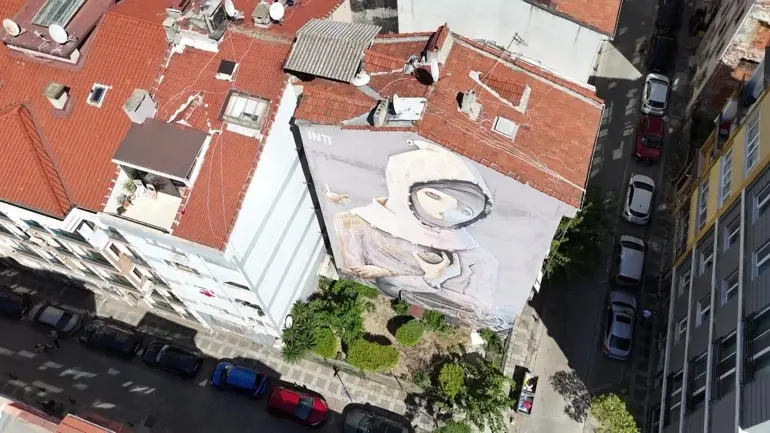
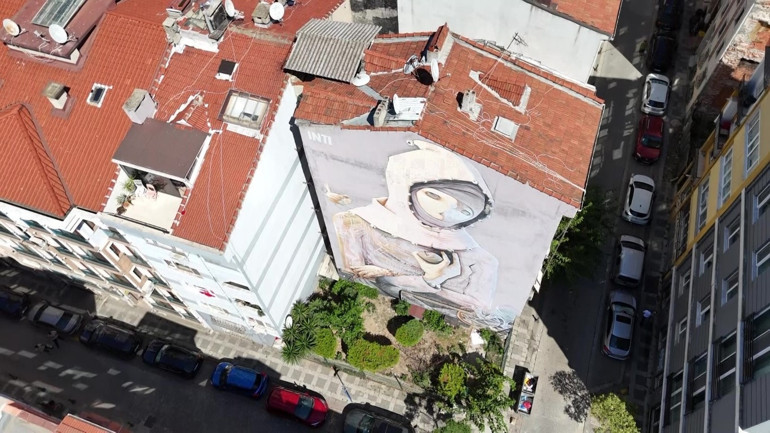
Central to Yeldeğirmeni’s recognition in the international ranking is its status as one of Istanbul’s most dynamic visual and artistic hubs. Over the past decade, the neighborhood has evolved into a premier open-air gallery, featuring more than 60 large-scale murals painted onto the soaring side facades of historic multi-story apartment buildings. These massive works of public art, created by prominent international and local street artists, have transformed everyday residential alleyways into an immersive cultural landscape, drawing visitors, art enthusiasts, and young people from across the city and around the globe.

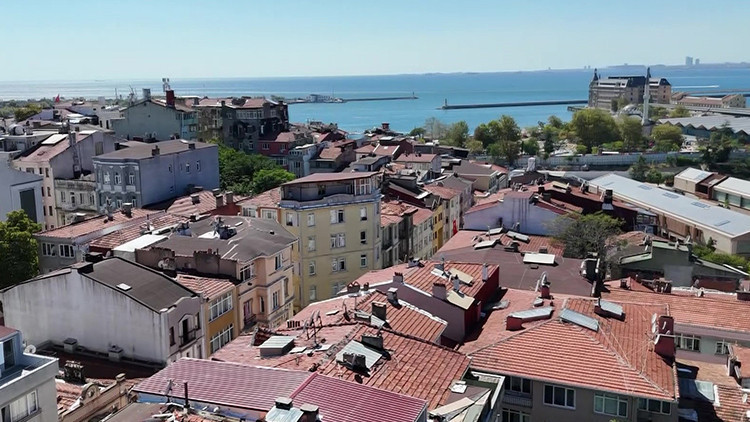
Recent aerial drone surveys of the quarter capture the striking visual juxtaposition of early 20th-century architectural heritage and contemporary visual expression. High above the dense grid of streets that slope down toward the Marmara Sea coast and the historic Haydarpaşa region, the murals create a vivid artistic tapestry that defines the district’s modern skyline. Local business owners and long-time residents have witnessed this physical and social transformation firsthand as foot traffic and international interest have steadily grown.
Tayfun Parlar, a local merchant operating a business within Yeldeğirmeni, reflected on the significant changes that have reshaped the district while preserving its essential character. Commenting on the neighborhood’s ongoing evolution, Parlar emphasized the balance between historic continuity and positive modernization.

"Our neighborhood has naturally gone through many changes," Parlar observed when discussing the area’s shifting landscape. "It is a very old and historical place. A number of things that have been done here have ultimately been very good for our neighborhood."
Parlar’s sentiment reflects a broader consensus among local stakeholders who view the area’s artistic and cultural evolution as a welcome developments, provided it enhances community vitality without erasing the underlying historical identity.
To fully appreciate Yeldeğirmeni’s current standing, urban observers point to its rich history within the broader context of Kadıköy. Translating literally to "Windmill" in Turkish, Yeldeğirmeni owes its name to the historic flour mills established in the area during the Ottoman era to supply bread to the city. Over the late 19th and early 20th centuries, the quarter developed into one of Istanbul’s early planned residential districts, featuring an array of distinctive historic apartment buildings (apartmans), churches, synagogues, and mosques that reflected a diverse, multicultural demographic. This dense architectural framework provided the physical canvas for its modern artistic rebirth.
Unlike commercial quarters dominated by international retail brands and standardized chain stores, Yeldeğirmeni’s commercial appeal rests entirely on its small-scale, independent ecosystem. The neighborhood’s narrow avenues are lined with artisan bakeries, third-wave coffee roasters, vintage clothing boutiques, secondhand bookstores, craft workshops, and artist ateliers. Critically, these contemporary spaces operate side-by-side with long-standing traditional tradesmen—carpenters, cobblers, tailors, and neighborhood greengrocers—creating a balanced local economy where long-time residents and young creatives interact daily.
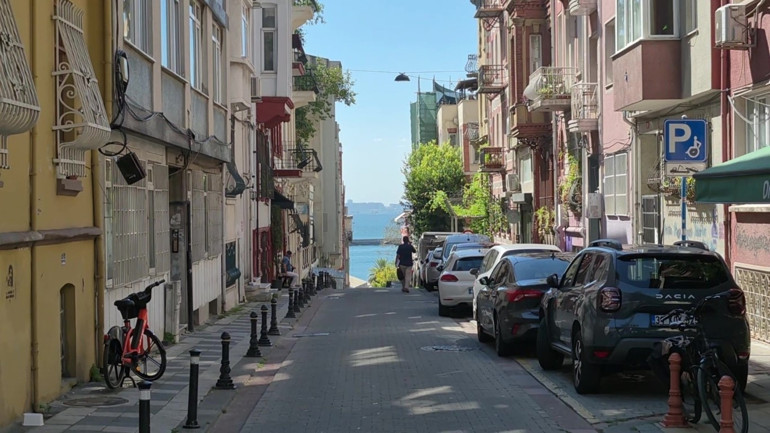
The neighborhood has increasingly become a magnetic focal point for Istanbul’s youth, university students, and creative professionals. The human-scaled streetscape, walkable topography, and welcoming public spaces encourage outdoor social interaction. Communal seating outside small cafes, informal artistic gatherings, and neighborhood cultural events have turned Yeldeğirmeni into a living public salon where ideas are exchanged and contemporary urban culture is actively shaped.
The recognition of Yeldeğirmeni by Brooklyn Of also highlights a broader shift in international travel paradigms. Historically, global travel interest in Istanbul concentrated overwhelmingly on the Historic Peninsula on the European side of the Bosphorus, centered around iconic Byzantine and Ottoman monuments such as the Hagia Sophia, the Blue Mosque, and Topkapı Palace. However, modern international travelers increasingly seek authentic, neighborhood-scale experiences that reveal how locals live, work, and create in the contemporary city.
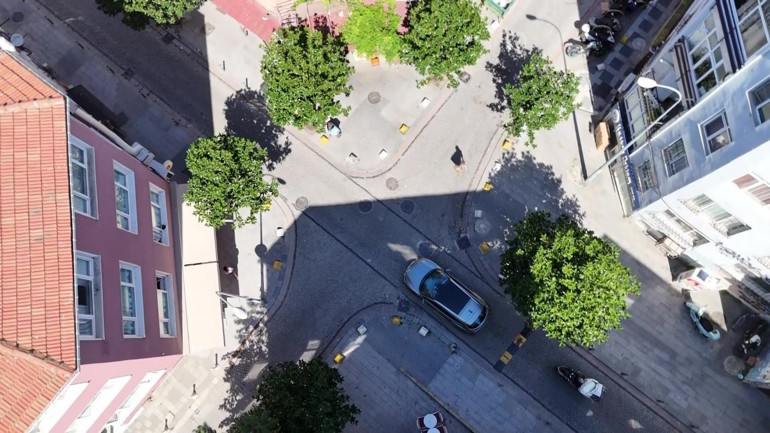
This trend has directed growing international curiosity across the Bosphorus to Kadıköy and the Anatolian shore, where districts like Yeldeğirmeni offer an authentic blend of everyday neighborhood life and cutting-edge creative energy.
The findings from Brooklyn Of underscore that "coolness" in contemporary global urbanism is defined less by luxury amenities or polished redevelopment, and more by authenticity, artistic freedom, and strong community cohesion. By preserving its historical architectural soul while embracing grassroots visual arts and independent commerce, Yeldeğirmeni has established a model of urban vitality that resonates on an international stage, solidifying its standing as the vibrant heart of Istanbul’s contemporary street culture.