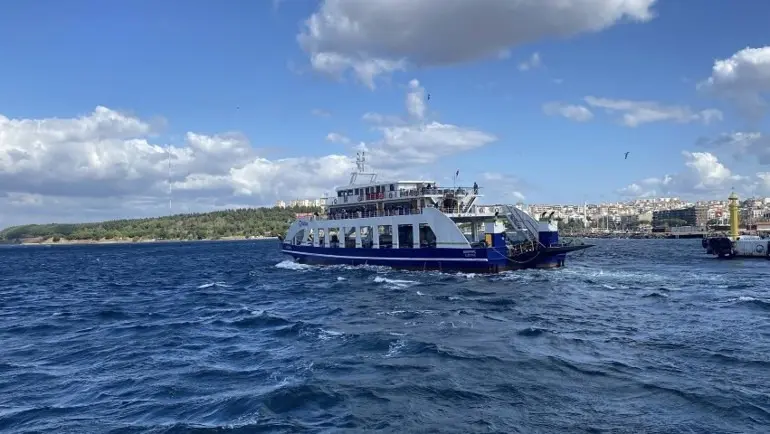
ÇANAKKALE, Turkey — Severe adverse weather conditions taking hold across the northern Aegean Sea have severely disrupted regional maritime transport, forcing the complete cancellation of all scheduled ferry connections between the Turkish mainland and the islands of Gökçeada and Bozcaada.
The regional maritime transport operator, GESTAŞ Deniz Ulaşım, officially announced on October 13, 2026, that all scheduled vessel departures connecting mainland ports to both offshore islands have been suspended for the entirety of the following day. The decision was enacted as a precautionary measure to guarantee passenger and navigational safety in response to powerful gale-force winds and heavy sea swells sweeping across the northern Aegean basin.
According to the official operational bulletin issued by GESTAŞ, the cancellations impact every scheduled voyage on the Kabatepe–Gökçeada line as well as the Geyikli–Bozcaada line. Officials confirmed that sea conditions in the exposed channels leading to both islands have deteriorated to levels that make safe docking, maneuvering, and transit impossible for passenger and vehicle ferries.
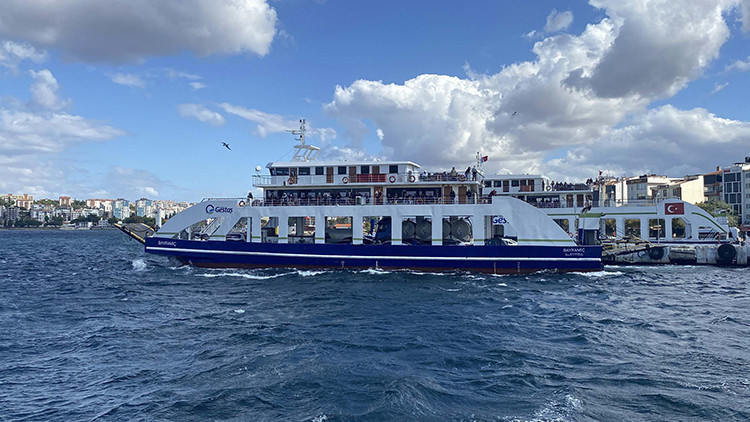
Storm Conditions Disrupt Vital Northern Aegean Transport Arteries
The northern sector of the Aegean Sea is frequently subjected to intense autumnal storm systems, driven by sharp atmospheric pressure gradients that develop between the Balkan peninsula and the broader Eastern Mediterranean basin. These meteorological events often generate powerful northerly and northwesterly winds—locally referred to as Poyraz—or violent southerly gales known as Lodos. Such wind systems build steep, short-period waves across open stretches of water, creating treacherous conditions for maritime navigation, particularly near shallow coastal approach channels and exposed harbor entries.
GESTAŞ, which handles all municipal and commercial roll-on/roll-off (Ro-Ro) ferry services across the Dardanelles Strait (Çanakkale Boğazı) and the north Aegean islands, monitors real-time maritime telemetry, wind speeds, and sea state forecasts in coordination with local harbor master offices. When sustained wind velocities and swell heights breach safe operating parameters, standard safety protocols require the immediate grounding of surface transport to eliminate risks associated with vessel instability, deck loading hazards, and dockside collision risks during embarkation and disembarkation.
The two affected routes serve as the primary lifelines connecting the Turkish mainland to the country’s most prominent Aegean islands:
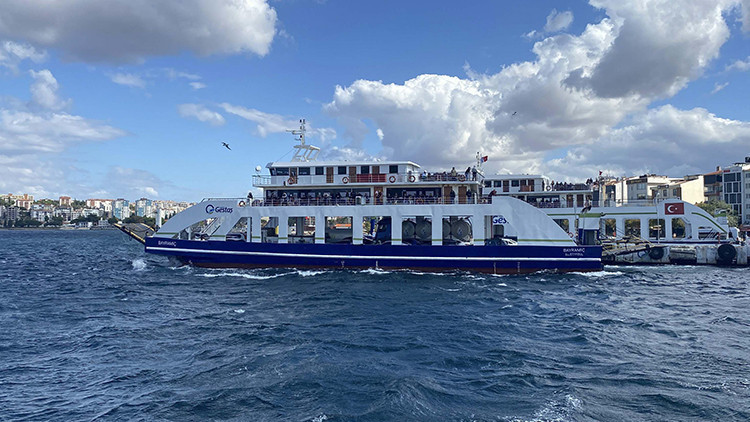
- The Kabatepe–Gökçeada Line: Connecting the Kabatepe ferry terminal, located on the western coast of the Gallipoli Peninsula (Gelibolu), with the island of Gökçeada (Imbros). Gökçeada is Turkey’s largest island by surface area and sits in an exposed position in the northern reaches of the Aegean Sea, directly prone to severe open-sea wave activity.
- The Geyikli–Bozcaada Line: Connecting the Geyikli port in the Ezine district of Çanakkale province with Bozcaada (Tenedos). Situated further south near the entrance to the Dardanelles, Bozcaada relies on a narrow maritime corridor that becomes exceptionally hazardous to navigate during heavy swells due to shallow coastal waters and strong crosscurrents near the island’s harbor mouth.
Because both island communities rely exclusively on maritime transportation for routine transit, the complete suspension of ferry services effectively cuts off physical surface connections between the islands and the mainland for the duration of the weather event.
Impact on Island Logistics and Emergency Readiness
The complete halt of ferry traffic presents immediate logistical challenges for residents, local businesses, and visitors on both islands. As isolated offshore territories, Gökçeada and Bozcaada rely on daily ferry runs to maintain the continuous flow of essential goods, including fresh produce, packaged foods, fuel supplies, medical inventories, and postal services. Commercial freight trucks and supply vehicles regularly utilize the Kabatepe and Geyikli crossings to supply local markets, restaurants, and municipal infrastructure projects.
When weather warnings indicate impending multi-day or full-day cancellations, local administrative authorities, business owners, and islanders typically adjust logistics schedules in advance to ensure essential inventories remain stocked. Municipal services on both islands maintain reserve protocols during the autumn and winter months, when weather-induced service interruptions become more frequent.

Beyond commercial supply chains, the operational grounding of ferry fleets underscores the importance of emergency response readiness. In instances where urgent medical evacuations or emergency transport are required while standard car ferries are immobilized by sea conditions, regional authorities rely on specialized protocols. Under extreme weather contingencies, medical evacuations are handled either via heavy-duty maritime search-and-rescue craft operated by the Turkish Coast Guard or through emergency air ambulance helicopters, provided weather conditions permit safe flight operations.
For daily commuters, school pupils traveling to mainland educational institutions, and healthcare patients with scheduled appointments at mainland hospital facilities in Çanakkale or Ezine, the sudden operational shutdown requires major disruptions to travel itineraries.
Maritime Safety Imperatives in Adverse Weather
Navigating car ferries through high seas presents unique structural and operational challenges that make preventive cancellations necessary. Unlike large ocean-going merchant vessels, regional Ro-Ro ferries feature wide, flat open car decks designed for rapid loading and unloading of passenger vehicles and heavy transport trucks. In severe weather, heavy sea rolls can threaten vessel stability if vehicles shift on deck, while strong crosswinds severely compromise a vessel’s lateral control when attempting to align with narrow dock ramps.

Furthermore, the physical infrastructure of the terminals at Kabatepe and Geyikli leaves vessels vulnerable to severe surge forces while tied to dock pilings. High wave energy reflecting off harbor breakwaters can cause vessels to roll violently against dock buffers, risking structural damage to vessel hulls, hydraulic loading ramps, and mooring lines, while posing severe safety hazards to port crew members and passengers.
GESTAŞ operational procedures mandate that captains retain absolute discretion regarding whether to undertake a voyage based on real-time sea conditions. However, when regional atmospheric warnings cover an entire maritime zone, centralized fleet management issues fleet-wide cancellations to maintain uniformity across all scheduled departure times.
Traveler Guidance and Operational Outlook
In light of the full-day service suspension, GESTAŞ has advised all passengers, commercial transport operators, and tourists to recheck their travel plans and monitor official communication channels for real-time updates. The ferry company provides continuous operational announcements regarding schedule adjustments, potential delays, and service restorations through its official website, mobile communication platforms, and call center channels.

Travelers currently situated on Gökçeada or Bozcaada who intended to depart for the mainland are advised to remain in secure accommodation until official notifications confirm the reopening of maritime corridors. Similarly, motorists and transport drivers planning to travel to the islands from mainland transit hubs have been advised to postpone their journeys to avoid congestion at the Kabatepe and Geyikli terminal staging areas.
Meteorological conditions in the northern Aegean Sea are being evaluated continuously by coastal weather monitoring stations. GESTAŞ maritime officials noted that service resumption will depend entirely on how rapidly the current storm system moves through the region and whether sea swells subside to safe operational thresholds. Once weather conditions normalize and harbor authorities declare the maritime corridors clear, GESTAŞ is expected to deploy additional or back-to-back ferry runs to clear accumulated passenger and vehicle backlogs at all four affected port terminals.