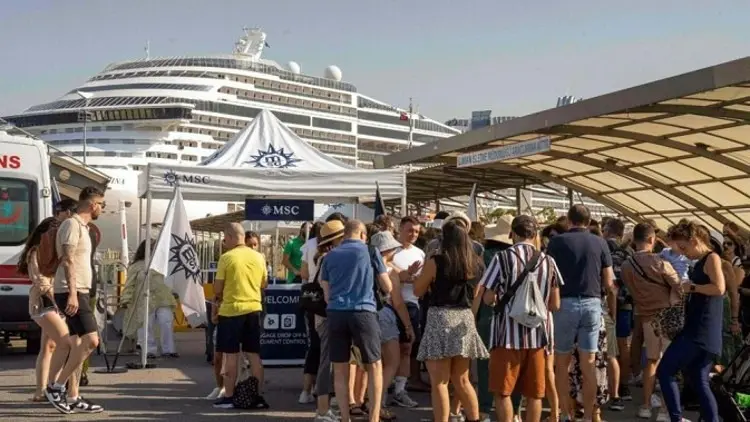
Cruise tourism across Turkey’s central Aegean coast has demonstrated substantial growth during the first seven months of the year, driven by a steady rise in international vessel calls across major maritime terminals in Izmir Province. Data covering the seven-month period shows that the combined passenger arrivals at the ports of Alsancak, Çeşme, and Dikili reached 90,907 cruise tourists, reflecting a marked increase compared to the same period in the previous year, when 77,133 cruise passengers were recorded across the three locations.
The steady influx of cruise vessels underlines a broader resurgence in maritime tourism along the Turkish Aegean coast, where historic cities, scenic coastal resort towns, and well-developed port infrastructure continue to attract major international cruise lines operating Eastern Mediterranean itineraries. Across the three provincial terminals, a total of 84 cruise ship calls were logged during the seven-month window, reflecting sustained operational activity as global cruise itineraries re-establish heavy routing through the Aegean Sea.
Highest Growth Recorded at Alsancak Port
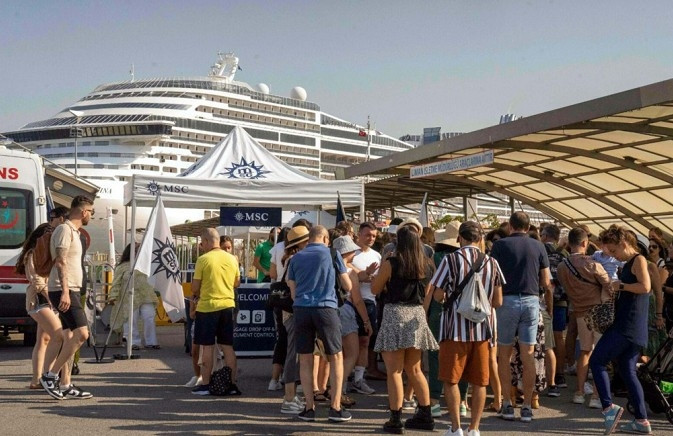
Among the three active maritime gates in the province, Alsancak Port, located in the central metropolitan area of Izmir, posted the most significant year-on-year growth in vessel visits. During the first seven months of the year, Alsancak Port welcomed 35 cruise ships, up from the 28 vessels that docked at the urban terminal during the corresponding period last year.
The growth in ship traffic at Alsancak underscores the port’s strategic standing as a major urban entry point for cruise visitors exploring western Anatolia. Situated along the inner Gulf of Izmir, the port offers direct access to the third-largest city in Turkey, allowing disembarking passengers immediate entry to metropolitan transit networks, historical district markets, and renowned urban landmarks such as the historic Konak Square, the seaside Kordon promenade, the ancient Agora of Smyrna, and the bustling Kemeraltı Bazaar.
In addition to serving as a destination for urban exploration, Alsancak Port functions as a primary logistics hub for shore excursions heading south toward world-famous archaeological sites, including the ancient city of Ephesus near Selçuk. The ability of Alsancak’s deep-water berth facilities to accommodate large ocean-going liners makes it a critical node for major international cruise operators deploying high-capacity vessels into the Eastern Mediterranean basin. The recorded increase from 28 to 35 ship calls highlights renewed commercial confidence among international cruise lines prioritizing central Izmir as a mandatory port of call.
Çeşme and Dikili Maintain Vital Roles in Aegean Itineraries
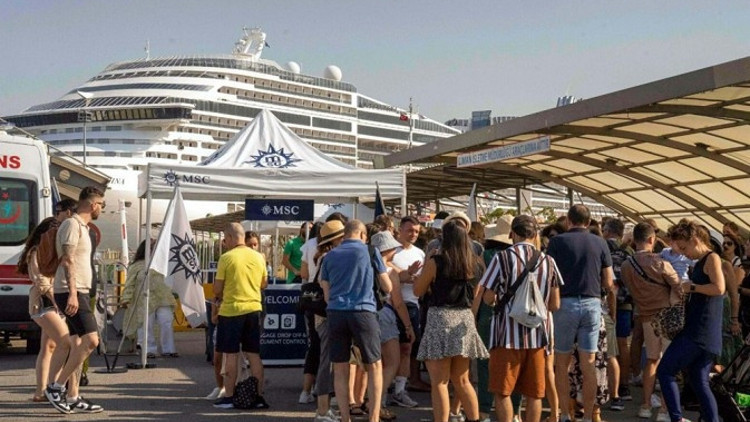
While Alsancak recorded the highest rate of vessel growth, Çeşme Port led the province in total cruise ship arrivals during the seven-month timeframe. Located on the far western tip of the Çeşme Peninsula, the port hosted 39 cruise ships, confirming its status as one of the most frequently visited boutique cruise destinations along the Turkish coast.
Çeşme’s maritime terminal benefits from its close geographical proximity to the Greek Aegean islands, particularly Chios, making it an ideal stopover for regional cruise lines, luxury boutique liners, and island-hopping vessel routes. The resort town offers passengers an attractive mixture of high-end coastal tourism, thermal springs, historical sites such as the 16th-century Çeşme Castle, and proximity to the preserved Ottoman-era stone architecture of Alaçatı. The steady stream of 39 ship calls at Çeşme Port during the seven-month period highlights the destination’s enduring popularity among passengers seeking specialized, high-end coastal experiences alongside cultural sightseeing.
Further north along the provincial coastline, Dikili Port welcomed 10 cruise ships during the same seven-month period. Although smaller in scale compared to the high-density facilities at Alsancak and Çeşme, Dikili serves a specialized and geographically vital function in the region’s cruise ecosystem. Situated in the northernmost sector of Izmir Province, Dikili operates as the primary maritime gateway for passengers traveling onward to the ancient city of Pergamon (modern-day Bergama), a UNESCO World Heritage site known for its Acropolis, ancient steep-tiered theater, sanctuary of Asclepius, and extensive Hellenistic architectural remains.

The presence of cruise liners at Dikili allows tour operators to conduct specialized cultural excursions into the northern Aegean hinterland without requiring long overland journeys from southern ports, creating a balanced geographical distribution of cruise traffic across northern, central, and western coastal zones of the province.
Economic Impact and Operational Dynamics of Aegean Cruise Operations
The overall growth from 77,133 to 90,907 passengers represents a positive development for regional tourism businesses, local municipal authorities, and maritime service providers. Cruise passenger spend generates significant downstream economic activity across multiple sectors, directly benefiting local tour operators, private transport services, historical venue administration, food and beverage establishments, and independent artisans operating within coastal bazaars.
The operational flow of cruise traffic through Izmir, Çeşme, and Dikili relies on coordinated scheduling between port management entities, local customs authorities, and international ship agencies. During peak spring and summer months, when sea conditions in the Aegean are exceptionally favorable and European tourism volumes peak, port managers must efficiently allocate berthing windows to ensure seamless passenger disembarkation, vessel refueling, water provisioning, and shore excursion departures.

The performance recorded over the seven-month period reflects broader trends in the global cruise sector, where cruise operators have increasingly restored full sailing schedules throughout the Mediterranean. The Aegean basin, with its dense concentration of historical heritage sites, varied island and mainland port options, and warm climate, remains one of the premier cruise corridors worldwide. The inclusion of multiple Turkish ports within single itinerary loops provides vessel operators with rich operational flexibility, allowing ships to cross between the Aegean islands and the Anatolian mainland while offering passengers diverse cultural, historical, and leisure experiences.
Looking across the province’s port infrastructure, the combined operational capabilities of central urban docks like Alsancak, high-end peninsula terminals like Çeşme, and heritage-focused northern ports like Dikili allow Izmir to cater to a broad range of vessel classes—from ultra-large multi-thousand-passenger cruise ships to boutique, high-end expedition vessels. As vessel itineraries continue through the remainder of the cruising season, local maritime sector observers anticipate that sustained ship calls across these three key ports will continue to support regional tourism revenue and reinforce the province’s position in Eastern Mediterranean cruise travel.