ANKARA — In a significant move to implement the legislative framework aimed at bolstering social cohesion, the Speaker of the Grand National Assembly of Türkiye (TBMM), Numan Kurtulmuş, has officially launched a series of high-level diplomatic consultations within the parliament. These meetings are centered on the formation of a pivotal new body: the Monitoring Commission, to be established under the "Law on Strengthening National Solidarity and Social Integration."
The Speaker’s diplomatic traffic on Monday underscored the procedural importance of the new law, which was designed to create a more integrated social fabric through parliamentary oversight. Mr. Kurtulmuş’s schedule involved back-to-back sessions with the leadership of the Peoples’ Equality and Democracy (DEM) Party and the ruling Justice and Development (AK) Party, as he seeks to build a broad consensus on the technical and structural composition of the upcoming commission.
Consultations with the DEM Party Leadership
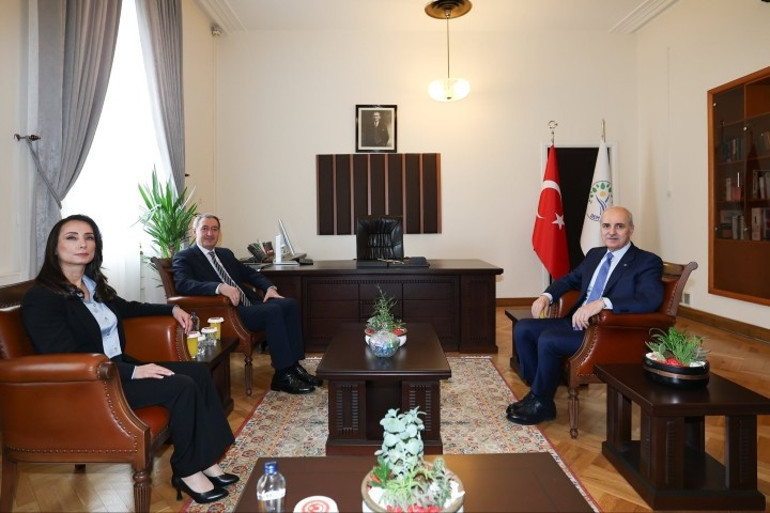
The first leg of Speaker Kurtulmuş’s consultative journey began with a visit to the DEM Party group. Upon his arrival at the party’s parliamentary offices, Mr. Kurtulmuş was received by DEM Party Co-Chairs Tülay Hatimoğulları and Tuncer Bakırhan. The reception, marked by formal parliamentary protocol, saw the Co-Chairs welcoming the Speaker at the entrance of their headquarters within the TBMM complex.
Following the initial greetings, the parties retreated into a closed-door session that lasted approximately 45 minutes. While the specifics of the dialogue remained confidential, the primary objective of the meeting was to solicit the DEM Party’s perspectives and recommendations regarding the Monitoring Commission. As a body intended to oversee "National Solidarity and Social Integration," the commission’s makeup is a point of significant interest for all political factions.
During the 45-minute exchange, the Speaker reportedly listened to the Co-Chairs’ views on how the commission should be structured to ensure it fulfills its legislative mandate effectively. The atmosphere of the meeting was described as professional, focusing on the procedural requirements set forth by the recently enacted law. After the conclusion of the talks, the DEM Party leadership escorted Speaker Kurtulmuş from their offices, concluding the first phase of the day’s deliberations.
Strategic Deliberations with the AK Party Group

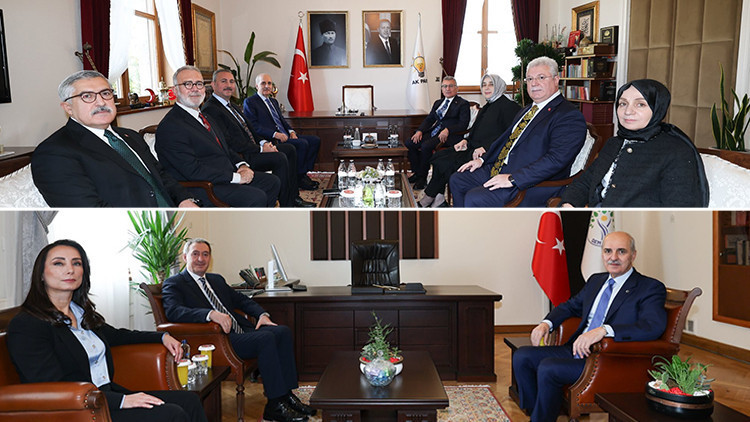
Immediately following his engagement with the DEM Party, Speaker Numan Kurtulmuş proceeded to the AK Party parliamentary group offices to conduct the second phase of his consultations. This meeting carried substantial weight, given the AK Party’s role in the original drafting and passage of the legislation in question.
The Speaker was met by a high-ranking delegation of AK Party officials, reflecting the importance the ruling party attaches to the establishment of the Monitoring Commission. The meeting included AK Party Group Chairman Abdullah Güler, alongside Group Deputy Chairmen Abdulhamit Gül, Özlem Zengin, Leyla Şahin Usta, Muhammet Emin Akbaşoğlu, and Bahadır Yenişehirlioğlu. Also in attendance was AK Party Deputy Chairman Hüseyin Yayman.
This session, also closed to the press, lasted roughly 40 minutes. The discussions focused on the granular details of the commission’s operations, including its size, the ratio of representation among different political parties, and the specific methodology it will employ to monitor the implementation of national solidarity initiatives. The presence of multiple Group Deputy Chairmen suggested a deep dive into the legislative and administrative nuances of Article 7 of the law, which mandates the commission’s creation.
The meeting concluded with the AK Party leadership escorting the Speaker to the exit, following a tradition of parliamentary courtesy that has defined this round of consultations.

The Legislative Mandate: Article 7 and the Monitoring Commission
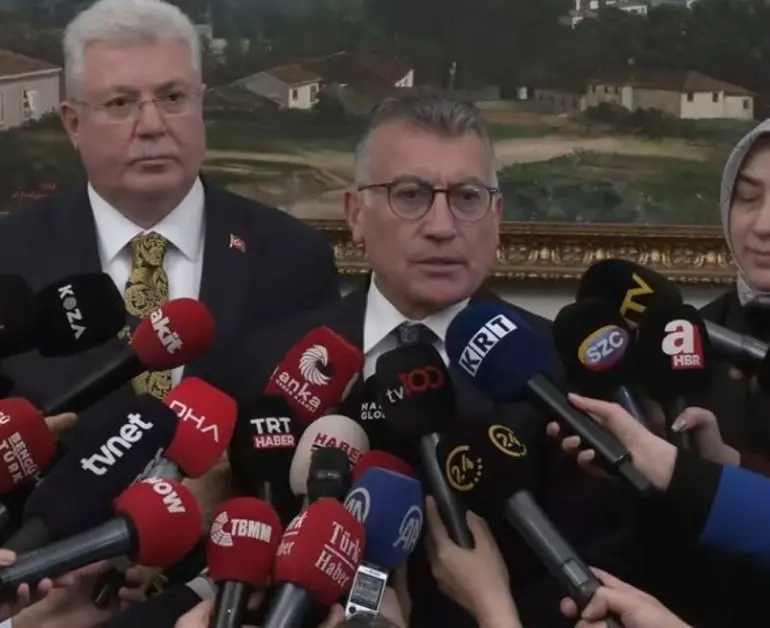
Following the conclusion of these high-level talks, AK Party Group Chairman Abdullah Güler provided an informative briefing to members of the press, shedding light on the legal foundations and the specific objectives of the Speaker’s visits. Mr. Güler reminded the public of the legislative history that led to this moment, pointing back to the period before the TBMM’s summer recess.
"As you are aware, before the Grand National Assembly entered its summer break, specifically as of August 10, the ‘Law Proposal on Strengthening National Solidarity and Social Integration’ was enacted into law," Güler stated. "A critical component of that legislation is found in the fifth paragraph of the seventh article, which stipulates the establishment of a Monitoring Commission under the auspices of the TBMM."
Güler explained that the Speaker’s current efforts are a direct fulfillment of this legal requirement. The Monitoring Commission is not merely an advisory group but a formal parliamentary entity tasked with observing and reporting on the progress of the goals outlined in the National Solidarity law. Because the law affects the broader social and political landscape of the country, the Speaker has opted for a collaborative approach to determine its internal mechanics.

"Our Honorable Speaker is visiting the various political party groups to receive their opinions and suggestions," Güler continued. "In accordance with the relevant article of the law, we shared our ideas with him regarding the number of members the Monitoring Commission should have, as well as its working procedures and principles."
Structural and Procedural Considerations
The "Monitoring Commission for Strengthening National Solidarity and Social Integration" is expected to serve as a bridge between legislative intent and social reality. According to the statements made by Abdullah Güler, the consultations are currently focused on three primary areas:
- Membership Composition: Determining the total number of deputies who will serve on the commission. This involves balancing the need for an efficient working group with the requirement for fair representation of the various political parties present in the TBMM.
- Working Procedures: Establishing the "rules of engagement" for the commission. This includes how often the body will meet, how it will conduct its investigations or observations, and the mechanism through which it will report its findings to the General Assembly.
- Principles of Operation: Defining the scope of the commission’s oversight to ensure it remains aligned with the specific goals of "National Solidarity and Social Integration" without overstepping its parliamentary boundaries.
Güler emphasized that the AK Party had provided a comprehensive set of views on these matters, and he anticipated that other parties would do the same. "This is a specialized visit," Güler remarked when asked about the specifics of the AK Party’s recommendations. "The views and suggestions of other party groups will also come to light. We have shared our perspectives with the Speaker, and in the coming days, we will share our ideas within a broader framework."
The Path Forward for the TBMM
The name of the commission is explicitly derived from the law itself. As Güler clarified, it will be known formally within the TBMM as the "Monitoring Commission for Strengthening National Solidarity and Social Integration." This title reflects a broad mandate to oversee policies and initiatives that aim to unify the nation and ensure that all segments of society are integrated into the national discourse and development.
Speaker Numan Kurtulmuş’s approach—consulting with both the opposition and the ruling party before finalizing the commission’s structure—is seen as an effort to ensure the body enjoys legitimacy across the political spectrum. By engaging with the DEM Party and the AK Party in the same afternoon, the Speaker signaled that the implementation of the National Solidarity law is a collective parliamentary responsibility.
The consultation process is not yet over. Speaker Kurtulmuş is expected to continue his meetings with other political party representatives in the parliament to ensure every voice is heard before the commission is formally constituted. Once these rounds of diplomacy are concluded, the Speaker’s office is expected to release a comprehensive statement detailing the final structure and membership of the commission.
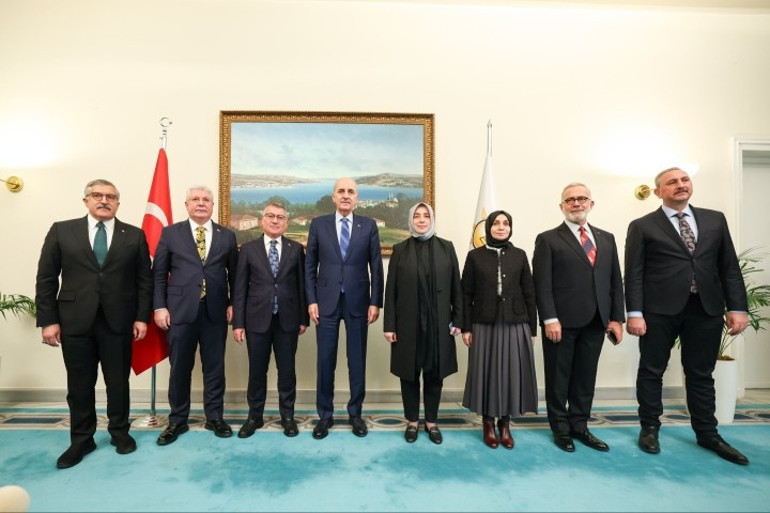
"After completing all these visits, our Honorable Speaker will inform the public about the results of these meetings," Abdullah Güler concluded, expressing his gratitude to the Speaker for the visit and the inclusive nature of the process.
As the TBMM moves toward the formal establishment of this new oversight body, the focus remains on how this commission will translate the abstract concepts of "solidarity" and "integration" into tangible parliamentary action. The legislative work conducted this week in Ankara marks the beginning of a new chapter in the assembly’s efforts to monitor and foster social harmony through structured, bipartisan cooperation.