ANTALYA, Türkiye — As world leaders, environmental ministers, and global delegations gather in Antalya for the 31st Conference of the Parties to the United Nations Framework Convention on Climate Change (COP31), educational diplomacy and youth action have taken center stage. At the heart of these efforts is the "Türkiye Climate School" (Türkiye İklim Okulu), a specialized international educational platform established by the Turkish Ministry of National Education. Serving as a flagship venue within the COP31 summit, the facility is hosting thousands of visitors while simultaneously staging high-level international meetings, expert panels, and interactive workshops in collaboration with major global organizations, including UNESCO and the OECD.
The initiative highlights a growing recognition among international bodies that effective climate action requires a fundamental transformation in education. By integrating climate science, resilience training, and media literacy into formal learning environments, the activities hosted at the Türkiye Climate School aim to empower the next generation of environmental leaders while providing educators with the tools needed to address complex ecological challenges.
UNESCO Greening Education Partnership Convenes Milestone Session
A major highlight of the programming at the Türkiye Climate School was the convening of the 4th Working Group Meeting of the UNESCO Greening Education Partnership (GEP). The meeting, held in the main conference hall of the Climate School facility, marked a significant milestone for host nation Türkiye, which formally became the 100th member of the global partnership in October.
The UNESCO Greening Education Partnership is an international initiative designed to deliver strong, coordinated, and comprehensive action to prepare learners to address climate change. By bringing together member states, intergovernmental organizations, youth groups, and civil society, the partnership focuses on transforming education systems across four key pillars: greening schools, greening learning, greening capacity building, and greening communities.
During the sessions in Antalya, delegates and educational experts focused on addressing the multi-faceted impacts of global climate change and evaluating strategies for mitigation and adaptation through education. The working group held a series of collaborative workshops designed to translate global climate goals into actionable educational policies. Participants examined systemic approaches to embedding environmental literacy into national curricula, improving institutional resilience to climate shocks, and establishing clear metrics for measuring educational progress in sustainability. The discussions emphasized that preparing future generations for a changing climate requires moving beyond theoretical knowledge toward solution-oriented, practical learning models.
Youth and Experts Address Climate Education and Disinformation
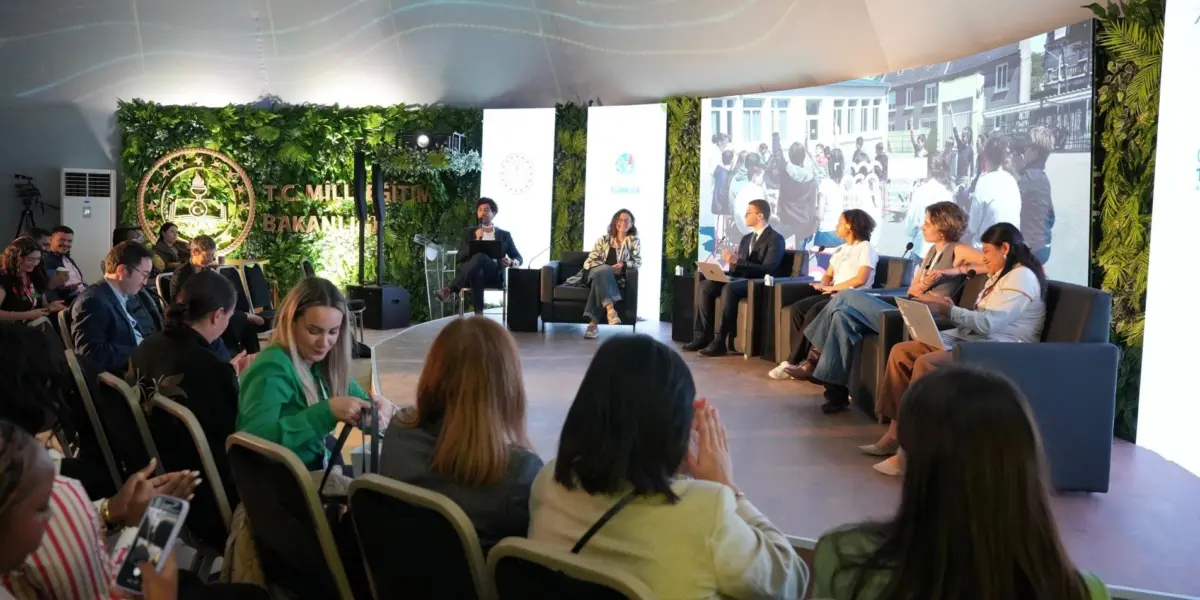
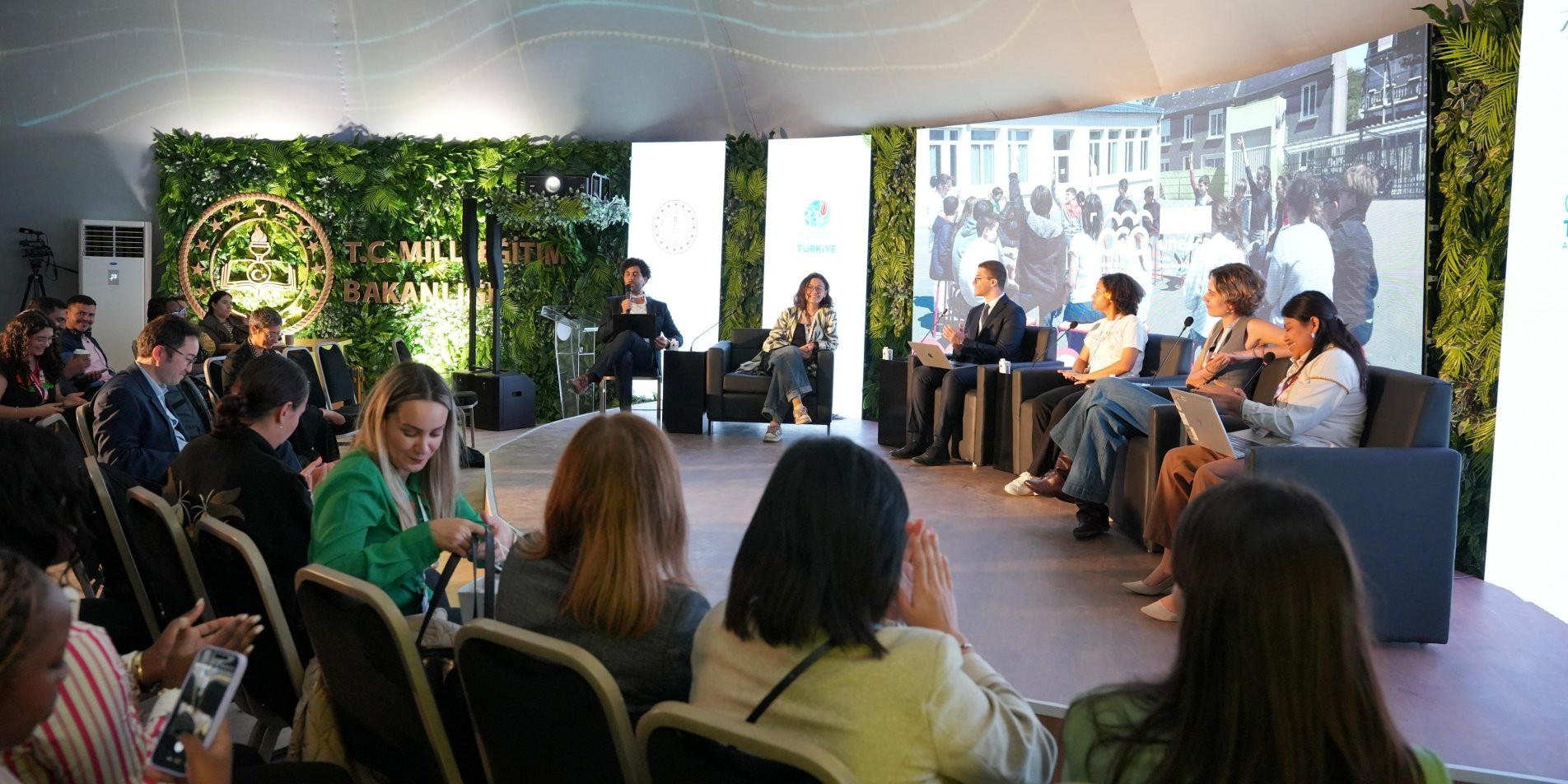
Parallel to the UNESCO proceedings, the Türkiye Climate School hosted a joint workshop organized in close cooperation with the Organisation for Economic Co-operation and Development (OECD). Titled the "Workshop on Building Resilience, Critical Thinking Skills, and Action Capacity of Youth and Teachers," the event brought together young leaders, climate activists, educators, and policy experts from across the world.
A central feature of the workshop was an international roundtable discussion featuring young delegates attending COP31 from diverse geographic regions, including youth activists and young professionals working across various sectors in Uzbekistan, the Bahamas, and Mexico. These delegates presented their localized climate initiatives, showcasing practical projects they have spearheaded within their respective home countries and professional fields.

Throughout the roundtable, youth participants highlighted the paramount importance of accessing reliable, evidence-based information on climate science. In an era characterized by an abundance of digital media, participants voiced serious concerns over the proliferation of climate misinformation and deliberate disinformation campaigns, which serve to confuse the public, stall policy action, and breed climate anxiety among youth. The young leaders shared their personal experiences and strategies for navigating complex digital environments, identifying trustworthy scientific sources, and countering unverified claims within their local communities and online networks.
The workshop also featured expert analytical insights from international representatives. Mario Piacentini, a senior analyst from the OECD, alongside Elena Pasquinelli, a cognitive scientist and researcher representing the Office for Climate Education (OCE), evaluated the structural steps necessary to safeguard young people from misleading information and enhance their critical reasoning capacities.
In her address to the workshop, Pasquinelli emphasized the importance of fostering scientific methodology and healthy skepticism among students. She noted that while young people must maintain a critical awareness and remain vigilant when consuming information from unvetted channels, it is equally vital that they do not lose their innate curiosity about the natural world. Pasquinelli underscored that cultivating critical thinking skills enables students to evaluate evidence objectively, separate scientific consensus from biased claims, and build the intellectual resilience required to engage constructively in climate action.
High Student Interest Drives Hands-On Workshops at Türkiye Climate School
Beyond high-level diplomatic meetings and policy seminars, the Türkiye Climate School has generated widespread enthusiasm among younger attendees, emerging as a major point of interest for visiting school groups, educators, and children attending COP31 alongside their families.

Designed under a "living school" concept, the facility blends structured educational programming with interactive, practical learning environments. Visiting students have actively participated in a variety of workshops designed to make complex environmental concepts accessible and engaging.
The venue features distinct functional spaces, including a dedicated "Climate Experience Area" and a state-of-the-art "Technology Area." In these interactive zones, children and students are provided with hands-on opportunities to explore environmental science, renewable energy concepts, and sustainable practices. By utilizing digital tools, practical demonstrations, and immersive learning technologies, the Climate School offers an experiential framework where young visitors can learn through play, experimentation, and direct observation.
Educational experts on site noted that integrating interactive learning zones within an international climate summit provides a practical model for how environmental education can be delivered in real-world settings. By bridging the gap between high-level diplomatic discussions among international organizations like UNESCO and the OECD and practical, grassroots learning experiences for youth, the Türkiye Climate School underscores the fundamental role that education plays in long-term global climate strategy.