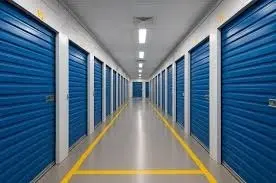
As Istanbul continues its rapid evolution into a denser, more vertically integrated metropolis, the spatial constraints of modern urban living have given rise to a sophisticated industry dedicated to the preservation and management of personal and professional belongings. In districts such as Ümraniye, Çekmeköy, and Kadıköy, the demand for professional storage services has transitioned from a niche requirement to a fundamental component of residential and commercial logistics. Leading this shift is Flexidepo, a service provider that has redefined the "eşya depolama" (item storage) sector by prioritizing climate-controlled environments and rigorous security protocols over traditional warehousing methods.
The fundamental challenge for many Istanbul residents is the preservation of property in a city where humidity, temperature fluctuations, and limited square footage are constant factors. Whether dealing with seasonal wardrobe transitions or the complex logistics of a household relocation, the necessity for a reliable secondary space has become paramount. Industry experts note that the modern approach to storage is no longer just about "finding a place to put things," but rather about ensuring that items—ranging from delicate textiles to heavy furniture—remain in their original condition regardless of how long they are kept away from the primary residence.
Defining the Scope of Professional Item Storage
At its core, professional item storage is a service designed to provide a controlled, external environment for belongings that are not currently needed but must be kept safe. It is a strategic intervention for those looking to create more breathing room in their homes or offices. However, the distinction between professional storage and simple warehousing lies in the quality of the environment. As highlighted by the operational standards at Flexidepo, the goal is to ensure that items remain "as they were on the first day."
The necessity for such services typically arises during pivotal life events or seasonal shifts. One of the most common scenarios involves the period surrounding a move. Often, there is a gap between leaving an old residence and being able to fully settle into a new one, or perhaps the new space cannot immediately accommodate the full volume of the previous household’s furniture. In these instances, temporary storage acts as a logistical buffer, preventing the clutter and stress that often accompany major transitions.
Beyond moving, home renovations represent another significant driver of the storage market. During a remodel, furniture and electronics are at high risk of damage from dust, debris, and physical impact. By moving these items to a secure, climate-controlled facility, homeowners can protect their investments while providing contractors with the space needed to work efficiently. Furthermore, the rise of the "home office" culture in Istanbul has created a new demand for archival and equipment storage. As professionals convert guest rooms or corners of living areas into workspaces, the need to offload non-essential household items or business archives into a secure facility has become a practical necessity for productivity.
The Critical Role of Climate Control and Security
When evaluating storage options, the industry has moved toward a multi-criteria assessment model. It is no longer sufficient to merely offer a locked room; the modern consumer demands a sophisticated infrastructure that addresses environmental risks. The primary threat to stored goods in Istanbul is the city’s variable climate. Humidity and temperature fluctuations can be devastating for specific materials. Wood can warp or crack, textiles can develop mold or musty odors, and sensitive electronic components can suffer from internal corrosion if the air quality is not strictly managed.
Climate control, or "iklimlendirme," is the cornerstone of high-end storage solutions. By maintaining a stable temperature and humidity level, facilities can guarantee the longevity of the items in their care. This is particularly crucial for long-term storage, where even minor environmental stressors can accumulate into significant damage over months or years.
Security remains the second pillar of the industry’s value proposition. Professional facilities now employ comprehensive access control systems, ensuring that only authorized personnel and the owners of the goods can enter the storage areas. This is often supplemented by 24/7 surveillance and regular auditing processes. In a professional news context, the shift toward "recorded processes" means that every movement of goods is tracked, significantly reducing the risk of loss, theft, or the accidental mixing of items between different clients.
Strategic Logistics in Ümraniye, Çekmeköy, and Kadıköy
The geography of Istanbul plays a vital role in how storage services are utilized. For residents on the Anatolian side, particularly in the bustling hubs of Ümraniye, Çekmeköy, and Kadıköy, proximity to a storage facility is a major factor in reducing the logistical burden. Each of these districts presents unique challenges and needs.
Ümraniye, as one of the most rapidly developing commercial and residential centers, serves as a central point for those seeking efficient transport links. Its position allows for easier transit of large furniture items, making it a preferred location for those undergoing major household shifts. Similarly, Çekmeköy, known for its newer residential complexes and growing population, often sees a high demand for seasonal storage as families look to maximize the space in their modern apartments.
Kadıköy, with its older building stock and high population density, presents a different scenario. Here, residents often live in established neighborhoods where apartment sizes may be more restrictive. The need for "extra space" is constant, and the ability to access a storage unit quickly without navigating across the bridges or through heavy cross-city traffic is an essential convenience. For those seeking storage in these specific areas, the advice from service providers remains consistent: a local solution not only saves time but also allows for a more flexible and less stressful planning process.
Organizational Standards and Capacity Planning
A significant portion of the success in item storage comes down to the initial preparation and the standards of packaging and labeling. Professional services like Flexidepo emphasize that the way an item is entered into the system dictates how easily it can be retrieved and how well it will be preserved.
Standardized packaging is not merely about aesthetics; it is about structural integrity. Items must be packed to withstand being moved and potentially stacked, using materials that provide a buffer against physical shocks. Furthermore, the practice of systematic labeling and classification is what separates a professional facility from a chaotic warehouse. By categorizing items—such as "seasonal clothing," "fragile glassware," or "office archives"—owners can ensure that when they eventually need to retrieve a specific item, the process is fast and surgical rather than a time-consuming search through dozens of boxes.
Capacity planning is another area where professional guidance proves invaluable. Many consumers struggle to accurately estimate the volume of their belongings, leading to either paying for unused space or finding themselves with a unit that cannot accommodate their needs. Modern storage providers work with clients to perform a "hacim tahmini" (volume estimation), ensuring that the selected unit size is optimized for the specific inventory. This precision in planning prevents the common pitfalls of the industry and ensures a cost-effective experience for the user.
The Future of Urban Space Management
As the concept of the "burden-free home" gains traction, the role of professional storage as an extension of the living space is set to expand. The ability to rotate belongings based on the season or the current needs of the household allows for a more dynamic and organized lifestyle. In the context of Istanbul’s ongoing urban transformation, where residents may frequently move between temporary and permanent housing, these services provide a sense of stability and security for personal property.
The operational model adopted by leaders in the field focuses on clear delivery plans and transparent timelines. Whether it is a short-term "campaign-style" storage need or a long-term preservation strategy, the clarity of the contract, the precision of the transport schedule, and the reliability of the environment are the factors that define the current market. For residents of Ümraniye, Çekmeköy, and Kadıköy, these services offer a practical answer to the complexities of modern life, ensuring that while the city changes, their valued possessions remain protected, organized, and ready for use whenever they are needed again.