
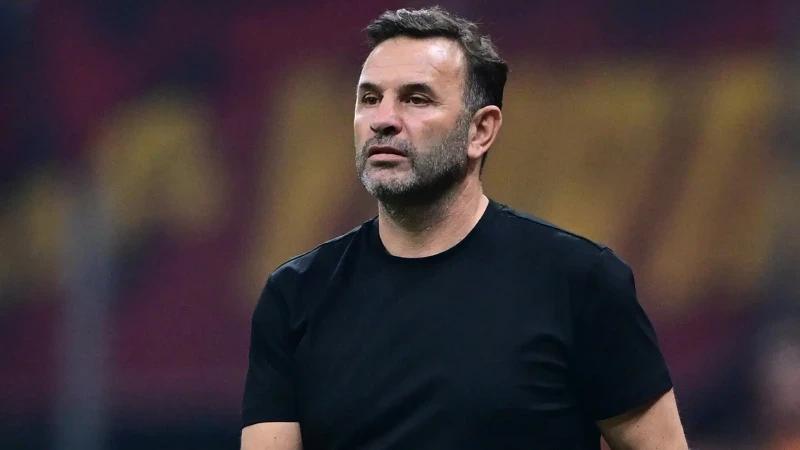
The disappointment stemming from the Trabzonspor fixture has transcended a routine post-match analysis, evolving into a broader critique of Okan Buruk’s tactical rigidity and squad management. According to information shared by well-known journalist Levent Tüzer during a broadcast on Libero TV, several Galatasaray executives have expressed open frustration with the team’s current trajectory. Tüzer conveyed the unfiltered sentiments of these board members, who are reportedly questioning several core decisions made by the coaching staff during a critical juncture of the season. The management’s discontent centers primarily on the team’s tactical predictability, defensive fragility, and an apparent reluctance to adapt to the changing personnel landscape caused by injuries and tactical stagnation.
Central to the board’s criticism is the team’s defensive vulnerability and the structural imbalances that have become increasingly apparent during transitions. The management has specifically pointed to the soft underbelly of the midfield when Galatasaray loses possession, noting that the team struggles significantly to recover defensively. The lack of adequate defensive cover in the middle of the park has left the backline exposed on multiple occasions, a weakness that opponents have increasingly learned to exploit. Furthermore, the board members emphasized that offensive build-up play continues to be hampered by careless and unforced turnovers in advanced areas, which immediately trigger dangerous counter-attacks that the team is too slow to neutralize.
One of the more prominent tactical suggestions voiced by the disgruntled executives revolves around tactical flexibility and formation changes. With the club dealing with personnel constraints, particularly on the flanks and in defensive areas, the management believes that sticking rigidly to a single system is counterproductive. Pointing out the obvious absence of a natural, reliable right-back in certain setups, the executives argued that the coaching staff should be more open to alternative formations, such as a three-man defensive system utilizing a 3-4-3 shape. According to this perspective, shifting away from a predictable blueprint could provide better defensive security while allowing the team to utilize its remaining assets more effectively until the squad is fully restored.
The debate also touches upon the long-term viability of specific formations once key players return from injury or absence. Board members noted that while a return to a more traditional 4-4-2 structure might become entirely viable once players like Singo re-enter the active rotation, the current insistence on a singular tactical template is limiting the team’s potential. Okan Buruk’s unwavering commitment to the 4-2-3-1 formation, regardless of the opponent or the specific match dynamics, has become a major point of contention. The management questions the wisdom of adhering strictly to a system that requires specific profiles when those exact profiles are either unavailable or out of form.
Particular concern has been raised regarding the recent performances of key offensive contributors. The form of attacking and supporting players such as Yunus, Sane, and Barış has dipped noticeably in recent matches, leading to a sputtering attack that lacks its usual cutting edge. Despite these visible struggles and a clear loss of momentum among these individuals, the coaching staff has continued to deploy them within the same 4-2-3-1 framework without significant tactical alterations or rotation. The board’s frustration lies in the apparent lack of proactive problem-solving from the bench, as opponents have successfully neutralized Galatasaray’s primary offensive channels by crowding the spaces these players typically occupy.
The depth of the squad and the management of available resources have further fueled the internal discussions. With important figures such as Lemina, Singo, and Osimhen sidelined at various points due to fitness or availability issues, the burden has shifted to squad players and substitutes to maintain the team’s high standards. However, the executives have pointed out a glaring shortfall in this regard: when the replacements are unable to replicate the qualities, physical presence, or tactical understanding of the starters, the system itself begins to fracture. The management is essentially challenging the technical staff to tailor their tactical approach to the actual characteristics of the players currently on the pitch, rather than forcing square pegs into round holes.
As Galatasaray navigates this turbulent phase following the Trabzonspor setback, the discussions between the board and the coaching staff are expected to play a crucial role in shaping the team’s immediate future. The pressure is mounting on Okan Buruk to demonstrate tactical adaptability and address the defensive leaks that have compromised the team’s stability. Whether these frank internal evaluations will prompt a visible shift in formations and selection policies in upcoming fixtures remains to be seen, but the message from the management is clear: greater flexibility and a more pragmatic approach are required to keep the club’s objectives on track.