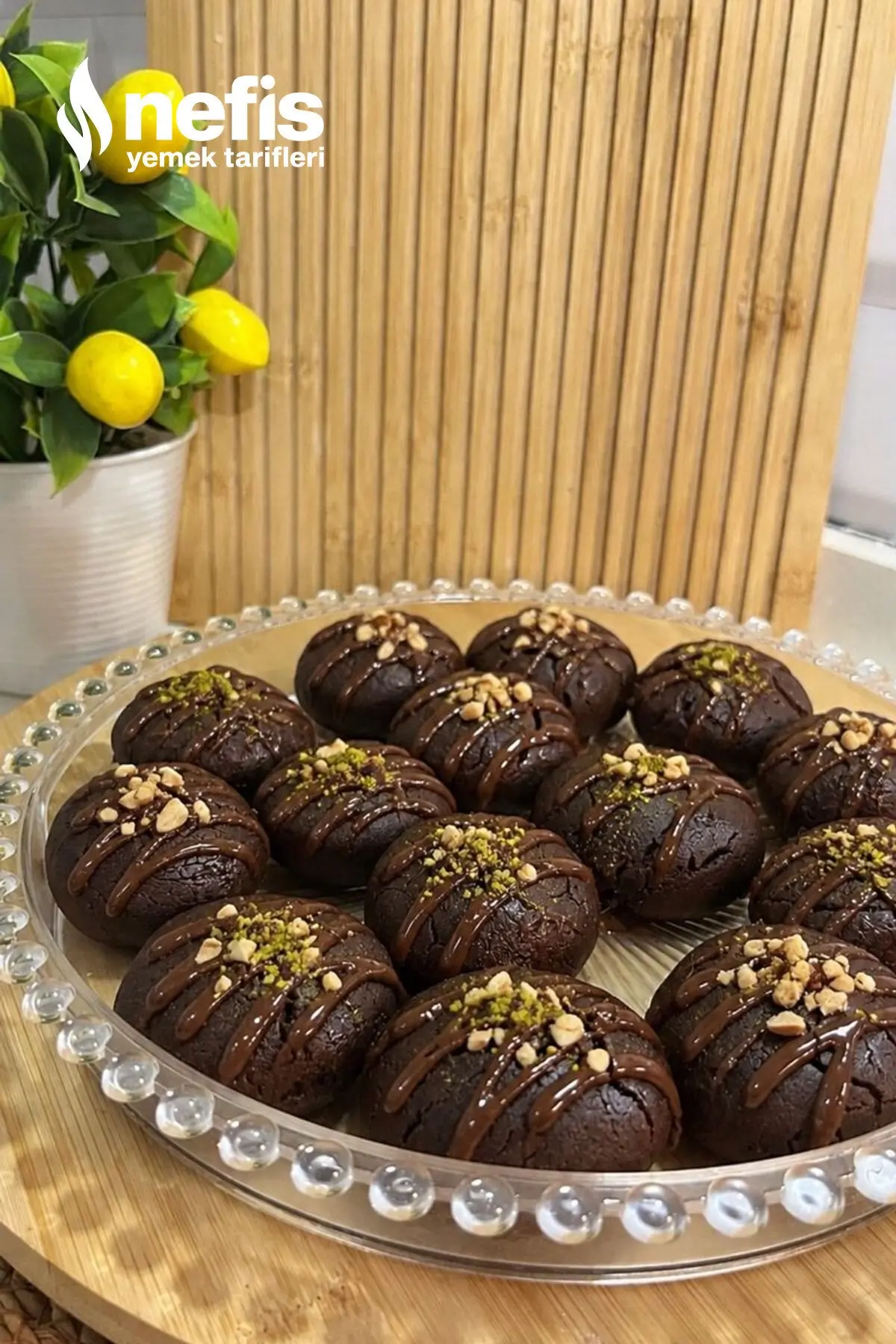
The culinary world continually reinvents classic flavors, blending the comforting texture of traditional cookies with the rich, indulgent profile of premium chocolate brownies. Among the myriad sweet treats currently capturing the attention of home bakers and dessert enthusiasts alike, the "Browni Kurabiye"—a Turkish specialty that translates directly to "Brownie Cookie"—has emerged as a standout favorite. Developed and shared by culinary contributor Hilal Kotanoğlu on popular recipe platforms, this unique pastry continues to garner widespread acclaim, inspiring countless individuals to recreate its signature texture in their own kitchens.
The appeal of the Browni Kurabiye lies in its brilliant hybridization of two distinct baking traditions. Traditional cookies often rely on a crisp or chewy consistency, while brownies are celebrated for their dense, fudgy, and intensely chocolate-heavy interior. This recipe bridges the gap by utilizing a specially formulated dough that, once baked, achieves a delicate balance between a soft cookie and a decadent, moisture-rich brownie. The inclusion of a carefully prepared syrup element adds an extra layer of complexity, ensuring that each bite delivers an authentic flavor reminiscent of a classic American fudge brownie while maintaining the convenient, individual-serving format of a cookie.
As digital platforms increasingly become the primary space for culinary exchange, recipes like this one thrive through community engagement and visual storytelling. Food lovers navigating online recipe databases frequently bookmark, rate, and share their experiences, turning a simple home-baked dessert into a viral phenomenon. The Browni Kurabiye has established a firm foothold among traditional Turkish sweet pastries, representing a modern evolution in how home cooks experiment with international flavor profiles while respecting foundational baking techniques.
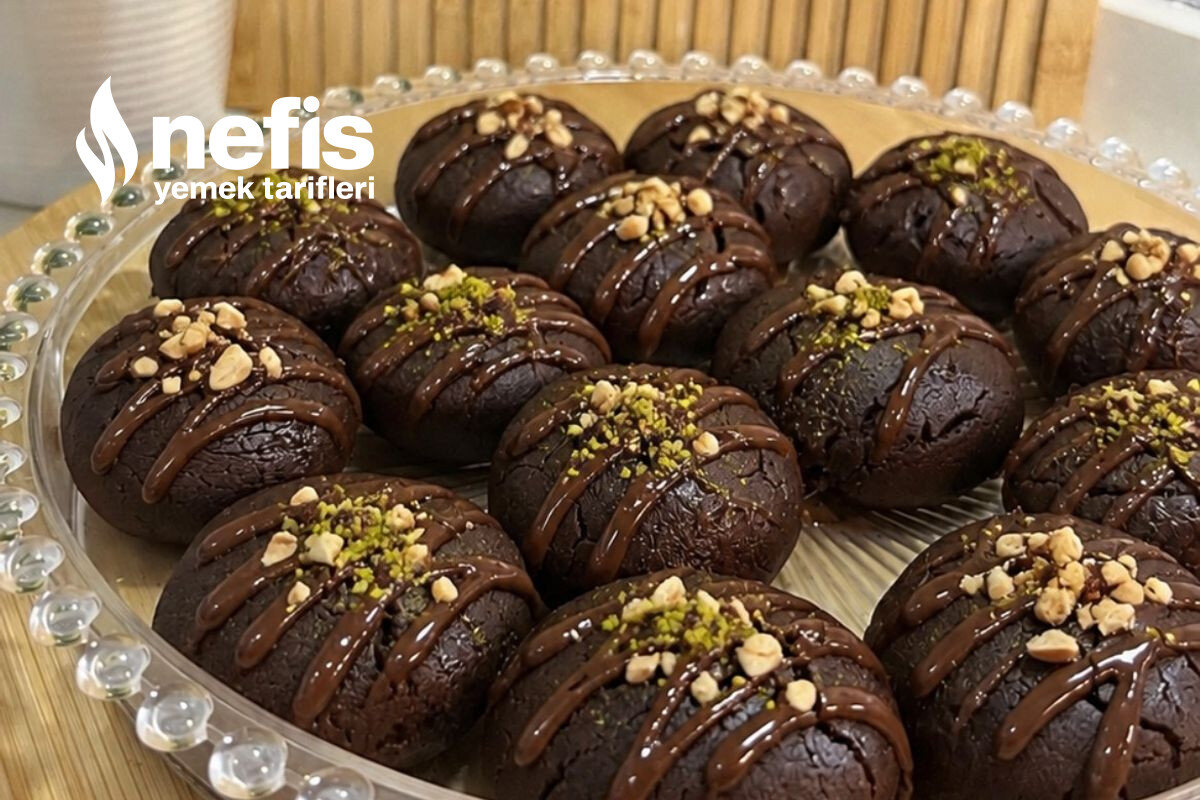
Essential Components for the Browni Kurabiye
Creating the signature texture and deep flavor profile of the Browni Kurabiye requires a precise selection of ingredients divided into distinct preparation stages. While the original recipe maintains traditional proportions suited for a standard home baking session, the components generally fall into three main categories: the core dough, the soaking syrup, and the final decorative topping.
The foundation of the cookie begins with the dough ingredients, which typically incorporate standard baking essentials such as flour, sugar, eggs, butter or oil, and cocoa powder. The high quality of the cocoa powder plays a pivotal role in determining the depth of the chocolate flavor, serving as the primary vehicle for the brownie-like taste profile. Additional binding and leavening agents are carefully measured to ensure the dough retains enough structure during the baking process without becoming overly dry or cake-like.
Following the baking stage, the defining characteristic of the Browni Kurabiye is introduced: the syrup. Unlike standard cookies that are consumed straight from the oven, these pastries are briefly immersed in or brushed with a specially prepared light syrup mixture. This step is crucial for infusing moisture deep into the interior crumb, transforming the outer crust and inner layers into the fudgy texture characteristic of a true brownie.

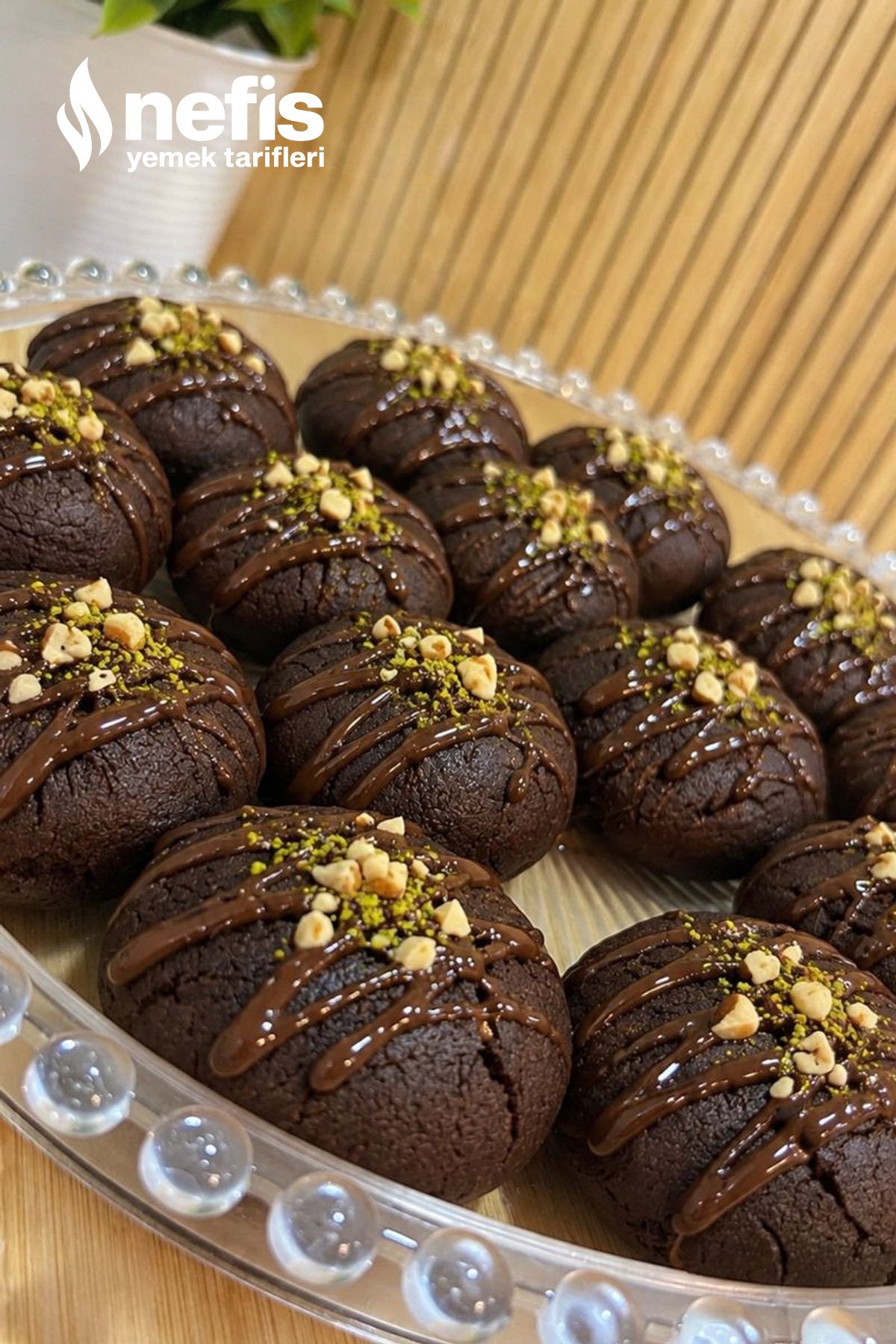
Finally, the presentation is completed with thoughtful toppings. Traditional garnishes often include finely chopped walnuts, pistachios, or a dusting of powdered sugar, adding both a contrasting visual element and a subtle crunch that balances the soft, syrup-soaked interior. Culinary enthusiasts sharing their versions online frequently highlight the importance of balancing the sweetness of the syrup with the bitterness of high-grade cocoa powder to achieve a harmonious final product.
Preparation and Culinary Technique
The preparation of the Browni Kurabiye is an exercise in timing and temperature control, distinguishing it from conventional cookie recipes that require minimal post-bake handling. The process begins with the careful mixing of the dough ingredients, ensuring that the fats and sugars are thoroughly incorporated before the dry components are gently folded in. Over-mixing the dough at this stage can lead to a tougher consistency, so bakers are generally advised to combine the ingredients just until a uniform texture is achieved.
Once the dough is prepared, it is portioned into equal-sized rounds and arranged on baking sheets. The baking phase requires strict attention to time; because the goal is to retain a soft, tender interior rather than a fully dried-out crumb, the cookies must be removed from the oven the moment they are set. Leaving them in for even a few minutes too long can compromise the fudgy quality that defines the recipe.
The most critical phase of the preparation occurs immediately after baking. While the cookies are still warm, they are introduced to the prepared syrup. This thermal shock allows the pastry to absorb the liquid efficiently, sealing the moisture inside the crumb. Managing the duration of the syrup absorption is vital; too little time leaves the center dry, while too much time can cause the delicate structure to break apart.
Once the syrup has been fully integrated and the cookies have cooled to room temperature, the final toppings are applied. The finished treats are then left to rest, allowing the flavors to meld completely before serving. This meticulous attention to detail has made the Browni Kurabiye a favored project for both novice bakers looking to test their skills and experienced culinary hobbyists seeking a reliable, crowd-pleasing dessert option for gatherings and special occasions.