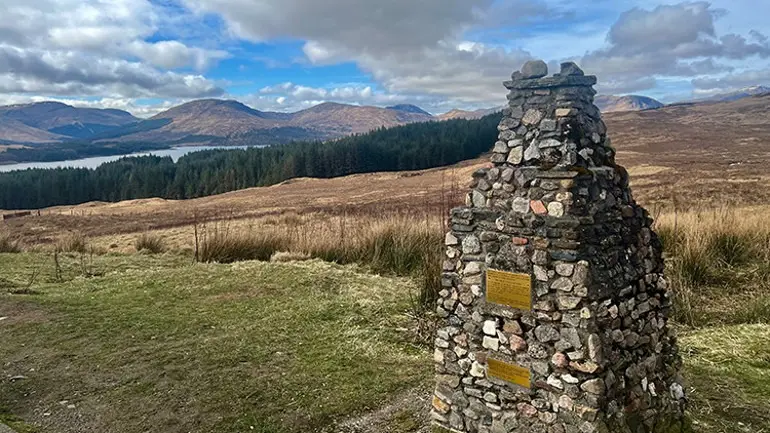
MUNICH — As autumn settles across the British Isles, Scotland unveils a dramatic, transformation. Shrouded in low-hanging morning mist, its rugged glens, towering peaks, ancient fortresses, and mirror-like lochs take on a ethereal presence. Governed by famously unpredictable weather, the season frequently illuminates the countryside with sudden rays of sunlight breaking through heavy storm clouds, painting vibrant rainbows across the sky.
Beginning in the historic capital of Edinburgh and winding clockwise across nearly 2,000 kilometers, a journey through the Scottish Highlands offers an immersive look into the country’s wilderness and history. Scotland’s identity is shaped not only by its sweeping moorlands and dramatic coastlines, but also by centuries of fierce conflicts with England, a deeply ingrained clan tradition, the stirring resonance of bagpipes, traditional kilts, and a world-renowned heritage of whisky production. To experience this unique atmosphere fully, one must cross the country from coast to coast, braving the rain and wind to encounter a realm like no other.
First Stop: Loch Lomond and the Contrasts of Luss
Following a two-day stay exploring the stone wynds and historic avenues of Edinburgh, the journey turned north toward the vast expanses of Great Britain’s upper reaches. The first major milestone along the route was Loch Lomond and The Trossachs National Park, a sprawling natural sanctuary spanning nearly 2,000 square kilometers. Renowned for its rich stocks of brown trout and Atlantic salmon, this massive body of water serves as a premier destination for long-distance hikers, anglers, and nature enthusiasts from around the globe.
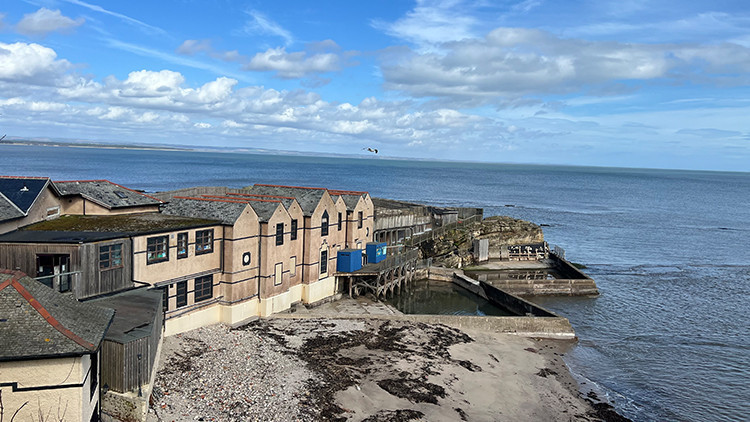
Navigating Scotland’s roads requires adaptability and a constant readiness for shifting weather patterns. Upon reaching the southern banks of the lake, heavy autumn rain and dense cloud cover swept in without warning. Within minutes, the 40-kilometer stretch of Loch Lomond was swallowed behind a thick curtain of gray fog.
Despite the obscured views across the water, the small village of Luss, positioned along the western shore, proved captivating. The village’s traditional cottages, built from muted brown and gray sandstone, featured vibrant flower gardens bursting with color. The bright blossoms presented a striking contrast to the overcast skies and mist-wrapped mountains in the background. Standing at the edge of the historic wooden pier in Luss, looking out over the quiet, fog-bound waters, offered an unforgettable impression of the Highlands’ quiet autumn character.
Oban: The Vibrant Gateway to the Hebrides
Continuing west and north, the route led to the coastal town of Oban, a bustling harbor settlement with a population of approximately 8,500 residents. Serving as a crucial maritime hub, Oban acts as the primary gateway to the Inner and Outer Hebrides, maintaining regular ferry links to islands such as Mull, Barra, and Colonsay.

Thanks to its compact layout, Oban is easily explored on foot. The heart of the town centers around its active waterfront, accessible through narrow lanes lined with artisan galleries, local shops, and traditional eateries filled with the aroma of freshly caught seafood.
Looking back toward the town from the harbor piers, two prominent landmarks dominate the skyline: the historic Oban Distillery, nestled near the shore, and the striking form of McCaig’s Tower perched high above the cliffside. Built to resemble the Colosseum in Rome, this 19th-century granite structure features 94 sweeping arches. Crowned atop the hill, it stands as the town’s most distinctive architectural symbol, overseeing the shipping lanes of the Firth of Lorn.
Glencoe: Dramatic Beauty in the "Glen of Weeping"
Driving northeast from Oban, the landscape grows increasingly rugged, eventually opening into Glencoe, universally regarded as one of Scotland’s most breathtaking natural wonders. Framed by sheer mountain ridges, narrow mountain passes, roaring waterfalls, and the winding currents of the River Coe, the valley possesses an almost cinematic grandeur. Indeed, its dramatic topography has served as the back-drop for major international film productions, including Braveheart, Highlander, and the Harry Potter series.

Yet, behind Glencoe’s romantic scenery lies a dark historical memory. Often referred to as the "Glen of Weeping," the valley was the site of the infamous Glencoe Massacre in the late 17th century, when members of Clan Campbell turned upon their hosts, the MacDonalds of Glencoe, in a brutal act of political betrayal that remains etched into Scottish lore.
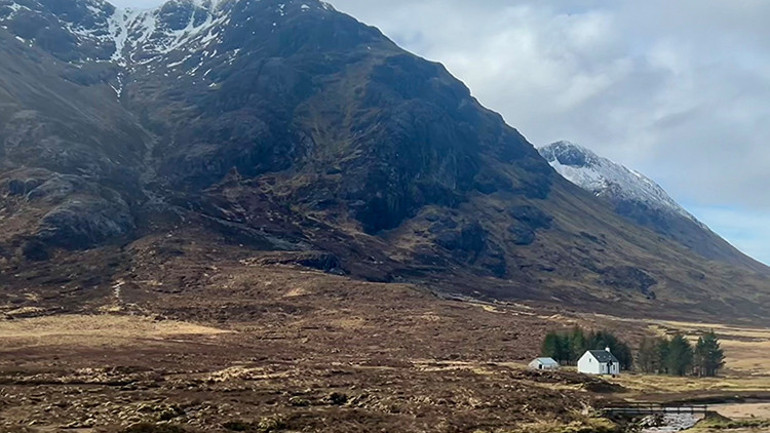
Standing isolated against this formidable terrain is one of the most photographed residences in the country. Known internationally as the "Wee White House," the small structure’s official name is Lagangarbh Hut (or Lagangarbh Cottage). Positioned near the banks of the River Coupall alongside the A82 trunk road, the whitewashed cottage sits directly at the base of Buachaille Etive Mòr, a massive, pyramid-shaped mountain. The stark white cottage set against the dark, towering cliffs of the mountain forms one of the most recognizable views in the Highlands.
Fort William and the Shadow of Ben Nevis
The journey continued into Fort William, a major travel hub situated at the foot of Ben Nevis—the highest mountain peak in the British Isles. Fort William also marks the northern terminus of the West Highland Way, Scotland’s famed 165-kilometer long-distance hiking trail.

With torrential downpours making an ascent up Ben Nevis unsafe, plans shifted toward local historical sites, leading to the ruins of Old Inverlochy Castle. Dating back to the 13th century, this medieval stronghold played a pivotal role in Scottish military history, enduring multiple sieges and historic battles. Although large portions of the structure now lie in ruins, its thick stone curtain walls and surviving corner towers provide visitors with a vivid connection to the nation’s turbulent medieval past.
In the Footsteps of the Hogwarts Express: The Glenfinnan Viaduct
Located roughly 30 minutes west of Fort William lies Glenfinnan, a site of deep historical significance and a destination for film enthusiasts worldwide. The centerpiece of the landscape is the Glenfinnan Viaduct, an engineering marvel completed at the turn of the 20th century. Spanning roughly 380 meters across the valley floor and elevated by 21 massive concrete arches, the viaduct curves gracefully against the backdrop of lush Highland hills.
The viaduct remains world-famous as the passage for the Jacobite steam train, which played the role of the Hogwarts Express in the Harry Potter films. Reaching the primary viewing areas requires a brief five-minute walk from the local visitor center.
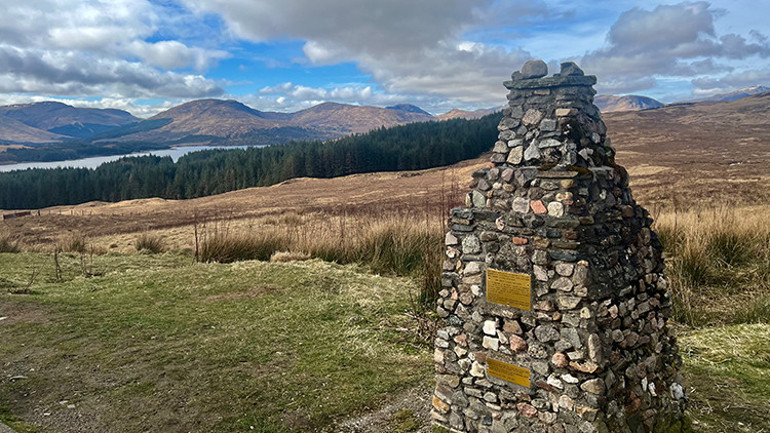
Sheltering under the viaduct’s arches during autumn showers often brings a encounter with another classic Highland feature: the notorious Scottish midge. These tiny, biting insects thrive in damp conditions across the glens.
Following the elevated trail above the viaduct yields a spectacular vantage point. From this high ridge, travelers can photograph three iconic elements in a single frame: the sweeping curve of the Glenfinnan Viaduct, the waters of Loch Shiel stretching into the distance, and the lone Glenfinnan Monument standing at the lake’s edge to commemorate the 1745 Jacobite Rising.
Eilean Donan: Scotland’s Most Photogenic Castle
Before crossing over to the Isle of Skye, the route passes Eilean Donan Castle, arguably the most iconic fortress in the Scottish realm. Situated on a small tidal island where three sea lochs meet—Loch Duich, Loch Long, and Loch Alsh—the castle is connected to the mainland by a arched stone footbridge. At high tide, the surrounding waters fully encompass the island, creating the impression of a floating stone fortress.
With origins dating back to the 1220s, when it was initially established as a defense against Norse raiders, Eilean Donan underwent extensive, modern restoration in the early 20th century. Inside, carefully reconstructed banquet halls, cozy sleeping chambers, and period-accurate kitchen quarters offer a detailed look into the daily lives, defensive strategies, and domestic routines of the Highland clan chiefs who once held court within its walls.
Isle of Skye: Microclimates and Changing Vistas
Crossing the towering Skye Bridge brings travelers onto the Isle of Skye, the largest and most famous island of the Inner Hebrides. Celebrated in folklore for its misty glens, ghost stories, and single-malt distilleries, Skye is equally infamous for its volatile microclimates.
Weather conditions on the island can shift within a matter of minutes. Bright sunshine may illuminate one valley, while just a few kilometers away, coastal cliffs are battered by gale-force winds and torrential rain. On many days, the jagged volcanic peaks of the southern Cuillin range remain completely shrouded in thick clouds, while the northern peninsulas enjoy clear blue skies.
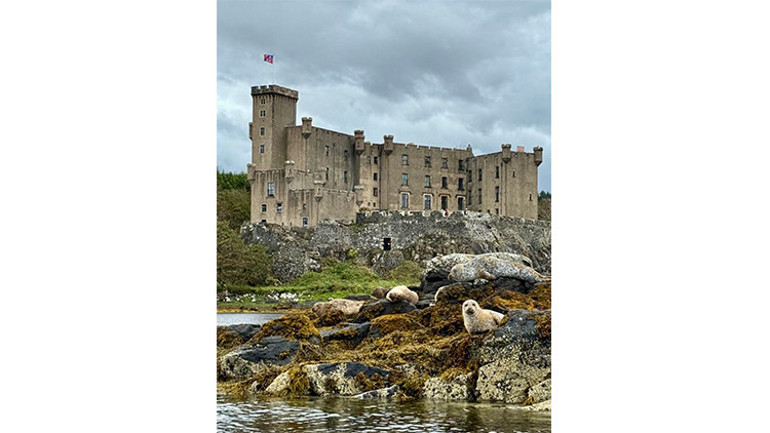
At the center of the island lies Portree, Skye’s principal town. Defined by its colorful harborside cottages, seafood bistros, and sheltered bay, Portree serves as an ideal base for exploring the island’s northern features:
- Old Man of Storr: Rising dramatically above the Trotternish Ridge, this towering pinnacle of basalt rock is accessible via a popular hiking trail. The round-trip trek from the base parking area covers roughly 4 kilometers, rewarding hikers with sweeping vistas of the island’s coastline.
- Lealt Falls: Located further north along the coast, this dramatic waterfall plunges through a steep gorge toward the sea, easily accessible via a short walking track.
- Kilt Rock and Mealt Falls: Formed roughly 60 million years ago through volcanic activity, the towering sea cliffs of Kilt Rock resemble the pleated folds of a traditional Scottish kilt. Here, the waters of Mealt Falls drop 55 meters directly over the cliff edge into the Sound of Raasay below. Surrounded by ancient rock layers containing prehistoric dinosaur footprints, this spot stands out as one of Skye’s most memorable natural displays.
Following the Legend: Loch Ness
Leaving Skye behind and returning to the mainland, the final leg of the circuit turns toward Loch Ness, home to one of the world’s most enduring modern legends. Containing more fresh water than all the lakes in England and Wales combined, this deep, dark body of water reaches depths of over 220 meters. For generations, it has been associated with tales of "Nessie," the elusive mythical lake monster.
Cruising across the loch’s dark, peat-stained waters highlights its mysterious atmosphere. Although decades of scientific sonar scans and research expeditions have yielded no definitive proof of a prehistoric creature, the mystique remains unbroken.
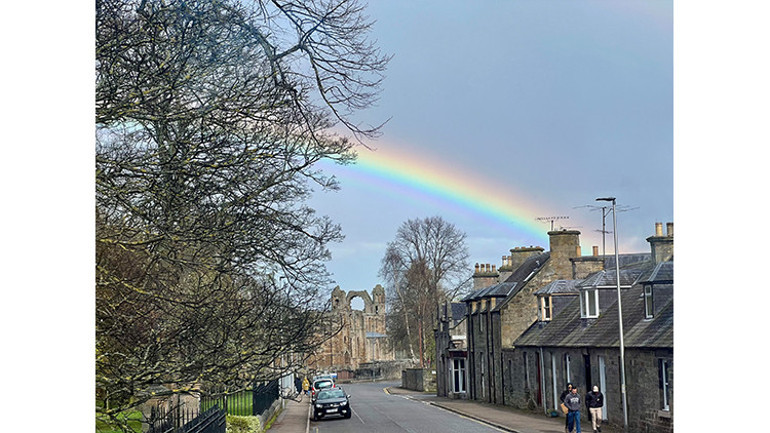
At the edge of the lake, the village of Drumnadrochit has built a thriving tourism economy around the monster legend, complete with exhibition centers, themed boat tours, and gift shops. It offers a lighthearted, intriguing end to a journey across Scotland’s wild interior.
Practical Insights for Highland Travelers
Navigating the Scottish Highlands—the mountainous, sparsely populated wilderness that covers the northern and western regions of the country—requires thoughtful preparation. For those planning a similar journey, several practical factors should be kept in mind:
- Transportation and Duration: To truly appreciate the Highlands, renting a vehicle or booking a specialized small-group tour is essential. Travelers should set aside a minimum of five full days to cover the terrain without rushing.
- Weather and Clothing: Regardless of the season, weather conditions can deteriorate quickly. Packing high-quality waterproof jackets, sturdy water-resistant hiking boots, and warm thermal layers is mandatory.
- Electrical Requirements: Visitors from outside the United Kingdom must bring a Type G power adapter, featuring the standard British three-rectangular-prong configuration.
- Driving Times: Distance maps can be deceptive. Traveling 100 kilometers across the Highlands often takes significantly longer than expected due to narrow, winding single-track roads, steep passes, and frequent stops for passing traffic.
- Cultural Experiences: If time permits, setting aside a full day for a guided Scotch whisky distillery tour provides valuable insight into the craftsmanship, heritage, and regional flavor profiles of Scotland’s national drink.
- Accommodations: Lodging options across remote stretches of the Highlands frequently consist of traditional inns, bed-and-breakfasts, and rustic "lodges"—some featuring shared bathroom facilities. Travelers seeking luxury amenities should book their stays well in advance, as high-end options are limited in isolated glens.
Though an autumn journey through the Scottish Highlands presents its share of challenging weather, the reward is an unforgettable encounter with one of Europe’s last remaining wild landscapes—a region where history, myth, and natural beauty converge.