
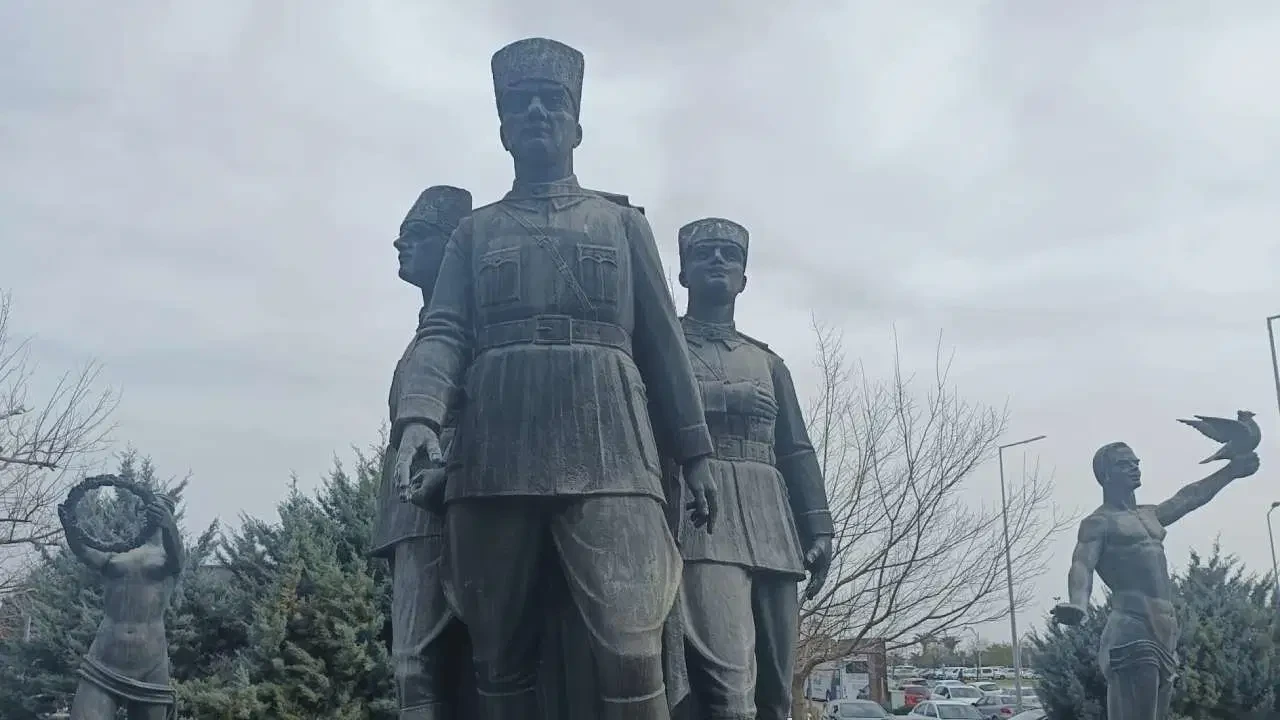
Samsun, a city that holds a preeminent place in the annals of Turkish history as the starting point of the War of Independence, has recently embarked on a significant cultural preservation project. The city’s authorities have initiated a comprehensive maintenance and restoration program for the İlkadım (First Step) Monument, one of the most recognizable landmarks of the Black Sea region. This initiative reflects a broader commitment to safeguarding the historical fabric of the nation, ensuring that the symbols of the Republic’s founding struggle remain intact for future generations.
The İlkadım Monument is far more than a decorative installation; it is a profound artistic representation of the historical moment on May 19, 1919, when Mustafa Kemal Atatürk landed in Samsun to ignite the national liberation movement. Located at the site where this pivotal "first step" was taken, the monument serves as a cornerstone of the city’s identity and a pilgrimage site for those wishing to pay their respects to the founders of the modern Turkish state. Recent technical inspections, however, revealed that time and the elements have begun to take a toll on the structure, necessitating an immediate and professional intervention.
The Necessity of Technical Intervention and Workshop Relocation
The decision to undergo such a large-scale restoration was not taken lightly. For decades, the monument has stood in an open-air environment, directly exposed to the challenging weather conditions characteristic of the Black Sea coast. While these structures are designed to be resilient, they are not immune to the relentless forces of nature. The combination of high humidity, saline air from the nearby sea, fluctuating temperatures, and seasonal precipitation creates a harsh environment for both metal and stone components.
Over the years, these environmental stressors lead to what engineers and restorers refer to as "material fatigue." In the case of the İlkadım Monument, detailed assessments conducted by municipal experts and conservationists identified significant wear on the youth figures that adorn the structure. These figures, representing the dynamism and hope of the young Republic, were found to have developed structural deformations, particularly at their connection points.
The primary concern for the authorities was twofold: the preservation of the artistic integrity of the work and the safety of the public. Deformations at the structural joints of heavy sculptures can pose a significant risk, as the stability of the figures may be compromised over time. To prevent any potential accidents and to allow for a level of restoration that cannot be achieved in situ, the decision was made to temporarily relocate the figures to a specialized, climate-controlled workshop. This move allows restorers to work in a stable environment where they can apply precision techniques to reinforce the sculptures and treat the surfaces of the materials.
The Intricacies of the Restoration Process
The restoration of historical monuments is a multidisciplinary field that blends art history, chemistry, and structural engineering. In Samsun, this task has been entrusted to a team of expert sculptors and professional restorers who specialize in monumental heritage. The process is being conducted with a level of meticulousness that reflects the monument’s immense symbolic value.
The first phase of the restoration involves a comprehensive cleaning of the sculptures. Years of exposure to urban pollutants and natural oxidation can create a layer of grime and corrosion that masks the original detail of the work. Restorers use non-abrasive methods to strip away these layers without damaging the underlying material. Once cleaned, the true extent of the structural damage can be accurately mapped.
Following the cleaning phase, the team focuses on structural reinforcement. This involves repairing the connection points that were identified as safety risks. Using materials that are compatible with the original composition of the sculptures, the experts strengthen the internal supports and external joints. This ensures that when the figures are returned to their original positions, they will be able to withstand environmental pressures for many more decades.
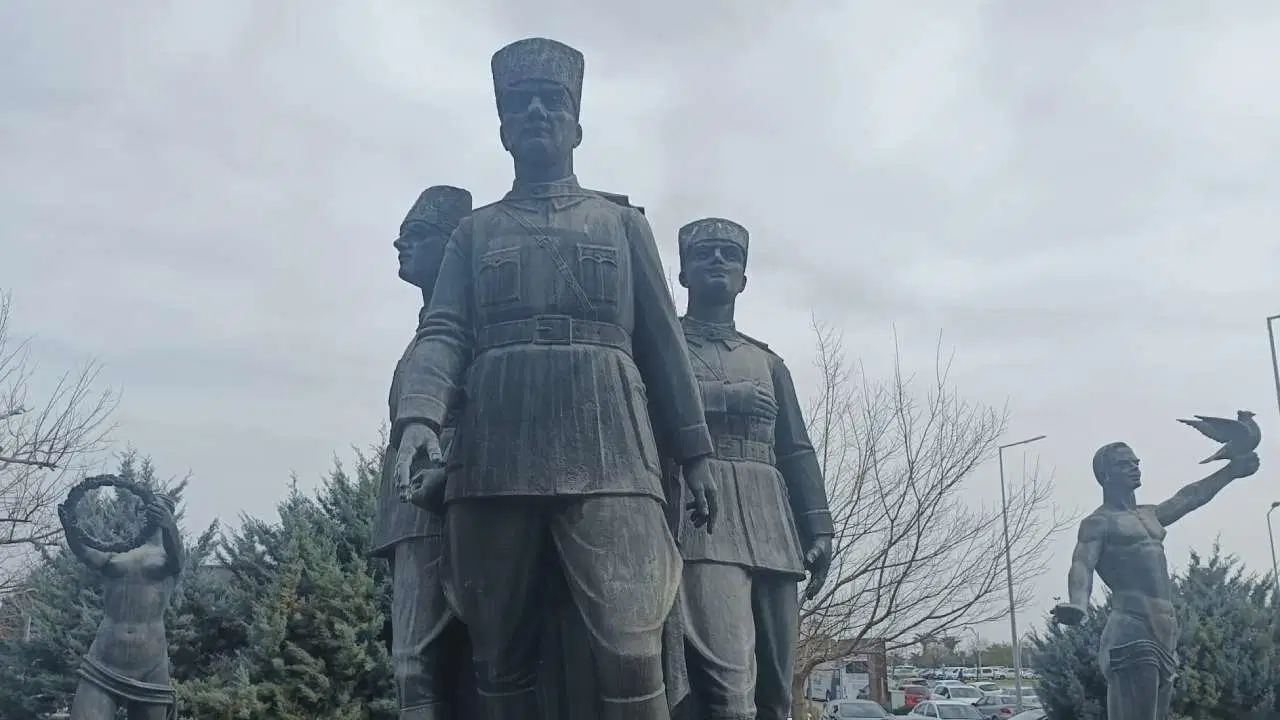
Finally, a protective coating is often applied to the surface. This treatment is designed to act as a barrier against UV rays, moisture, and pollutants, effectively slowing down the rate of future oxidation and wear. Throughout every step of this journey, the goal remains the same: to honor the original vision of the artist while ensuring the physical longevity of the monument.
Preserving Urban Memory and Collective Heritage
Public art and historical monuments function as the "living memory" of a society. They are the physical manifestations of a community’s shared history, values, and aspirations. The İlkadım Monument, with its central figures of a young man and a young woman, was designed to encapsulate the spirit of a nation looking toward the future. By depicting youth, the monument emphasizes the idea that the Republic was built on the energy and idealism of the younger generation—a theme that remains central to Turkish national identity.
The ongoing maintenance work in Samsun is, therefore, much more than a routine construction project; it is an act of cultural stewardship. When a city invests in the upkeep of its monuments, it sends a clear message about the value it places on its history and its art. Experts in urban planning and heritage conservation emphasize that periodic checks and proactive maintenance are essential for public safety and the preservation of a city’s aesthetic and historical character.
The "urban memory" of Samsun is deeply intertwined with the story of the national struggle. For the residents of the city, the monument is a daily reminder of their ancestors’ bravery and the significance of their hometown in the birth of the nation. For visitors, it is an educational landmark that provides context to the history of the 20th century. Protecting this site ensures that the narrative of the "First Step" remains a tangible experience for everyone who walks the streets of Samsun.
Frequently Asked Questions Regarding the Restoration
The temporary removal of such a prominent landmark often prompts questions from the public. To ensure transparency and keep the community informed, authorities have addressed several key points regarding the status of the monument.
Has the İlkadım Monument been permanently removed?
No, the removal of the sculptures is strictly temporary. The figures were taken to a workshop solely for the purpose of addressing safety risks caused by structural deformations and to undergo a thorough restoration. Once the maintenance is complete, they will be returned to their rightful place.
When will the restoration work be completed?
The restoration is being carried out with extreme care to ensure the highest quality of work. While the process is time-consuming due to the precision required, the teams are working diligently. Once the strengthening and cleaning processes are finalized, the sculptures will be re-installed and unveiled to the public in their revitalized state.
Why do monuments of this type require such frequent maintenance?
Monuments located in public, outdoor spaces are subject to constant environmental pressure. Factors such as acid rain, extreme temperature fluctuations between summer and winter, humidity, and the natural aging of materials like bronze and stone all contribute to wear and tear. Regular maintenance is necessary to prevent minor issues from becoming major structural failures.
As the work continues in the specialized workshops of Samsun, the city waits for the return of its iconic figures. The project serves as a reminder that while the "First Step" was taken over a century ago, the duty to protect and honor that legacy is a continuous journey. Through professional restoration and community respect, the İlkadım Monument will continue to stand as a beacon of history, art, and national pride on the shores of the Black Sea.