In an era defined by rapid global urbanization, the traditional boundaries that once separated human civilization from the natural world are becoming increasingly porous. As concrete jungles expand into previously untouched territories, the friction between modern development and ancient ecosystems has reached a critical flashpoint. Nowhere is this phenomenon more visible or more complex than in South Africa’s Cape Peninsula. Here, the rugged, mountainous terrain provides a dramatic backdrop to a burgeoning human population, creating a unique and often volatile environment where the original inhabitants of the land—the Chacma baboons—find themselves in a daily struggle for space, resources, and survival alongside human residents.
The Cape Peninsula is a region of extraordinary biodiversity and geographical beauty, characterized by steep cliffs, fynbos-covered slopes, and coastal plains. However, as residential developments continue to climb higher up the mountain skirts, the buffer zones between suburban neighborhoods and the wild have all but vanished. This geographic overlap has forced a confrontation between two highly intelligent and adaptable species. While humans seek the serenity of living close to nature, the baboons are finding that the proximity to human settlements offers a set of challenges and opportunities that are fundamentally altering their natural behavior and social structures.
The Social World and Behavioral Patterns of Baboons
To understand the conflict currently unfolding in the Cape Peninsula, one must first appreciate the sophisticated nature of baboon society. These primates are not merely opportunistic foragers; they are members of highly organized, complex social units known as troops. The internal dynamics of a baboon troop are governed by a rigid and intricate hierarchy that dictates every aspect of their lives, from the order in which they travel to who gets access to the best sleeping sites and food sources.
In the wild, this social structure is the key to their survival. A troop typically consists of several adult males, a larger number of adult females, and their various offspring. The hierarchy among males is often fluid, determined by strength, age, and coalitional support, while the female hierarchy is generally more stable, often based on matrilineal lines where daughters inherit the social standing of their mothers. This organization ensures that the group remains cohesive, especially when facing external threats.
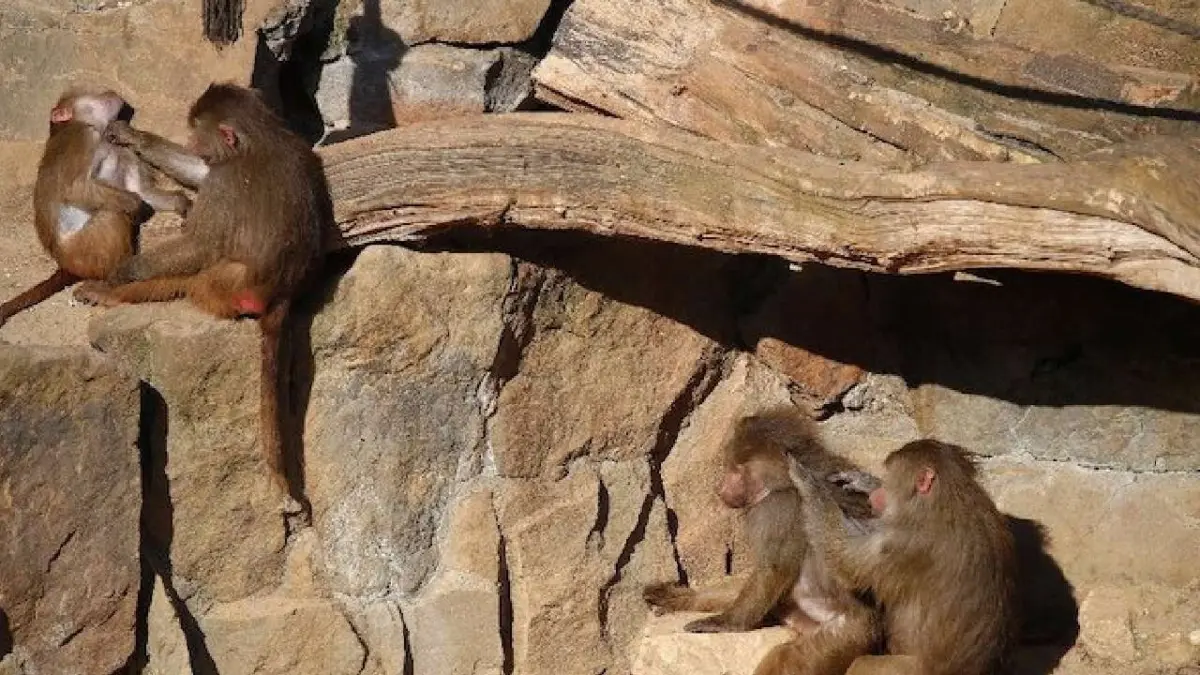
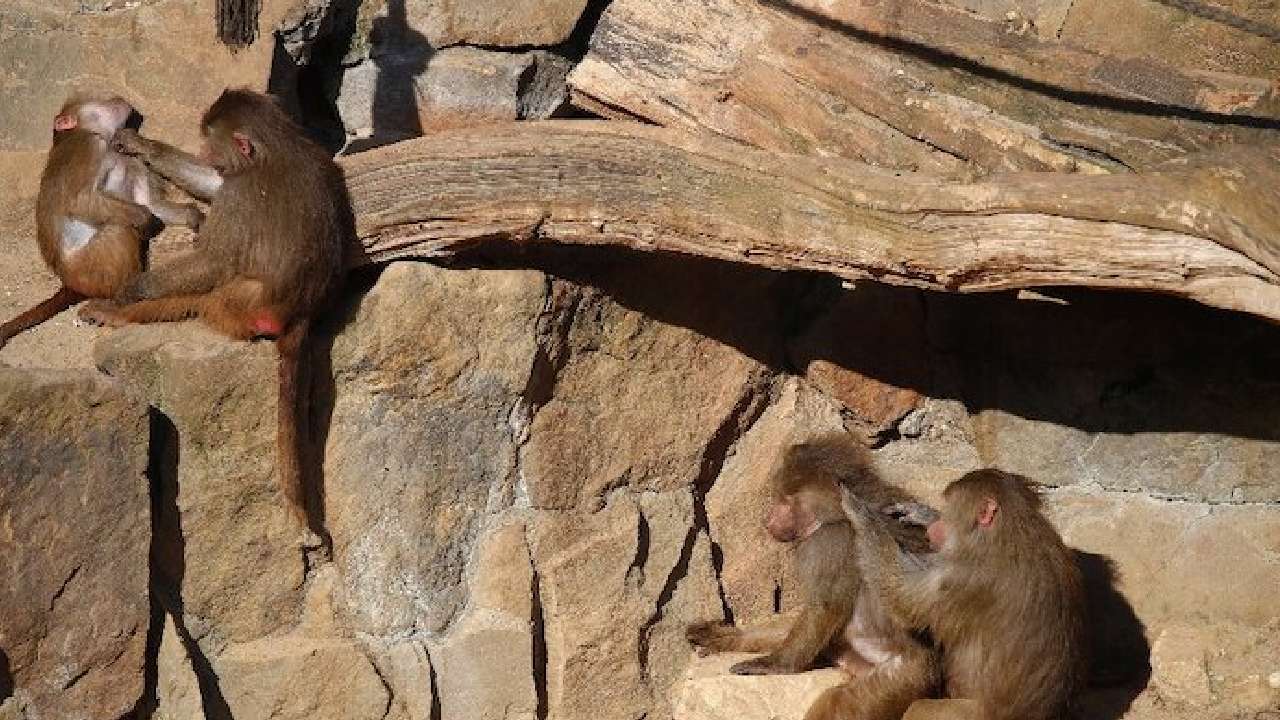
Communication within the troop is constant and nuanced. Baboons utilize a wide array of vocalizations, facial expressions, and physical gestures to maintain order and express emotions. Grooming, for instance, serves as more than just a hygienic practice; it is a vital social glue that reinforces bonds, reduces tension, and establishes alliances. When a troop moves through the landscape, they do so with a collective intelligence. Sentinels are often positioned to watch for predators, and the group reacts as a single entity to perceived dangers. This high level of cooperation and intelligence is exactly what makes them such formidable neighbors in an urban setting. Their ability to learn, remember, and solve problems allows them to navigate the human environment with an efficiency that often catches residents off guard.
The Impacts of Urbanization on Wildlife
The expansion of human settlements in the Cape Peninsula has had a profound and multifaceted impact on the local baboon populations. As housing estates and infrastructure projects carve up the landscape, the traditional "wildlife corridors"—the natural pathways animals use to move between foraging grounds and water sources—are being narrowed or completely severed. This fragmentation of habitat forces baboons into smaller, isolated pockets of land, making it increasingly difficult for them to sustain themselves on a natural diet of bulbs, seeds, insects, and plants.
Faced with shrinking natural resources, the baboons’ high intelligence and adaptability drive them toward a logical, if problematic, alternative: the human suburb. For a baboon, a residential neighborhood represents a concentrated source of high-calorie food that requires far less effort to obtain than foraging in the mountains. This shift from natural foraging to "urban raiding" is at the heart of the current conflict.
The attraction is simple yet powerful. Unsecured trash cans, compost heaps, fruit trees in private gardens, and even pet food left outdoors provide a literal buffet for a roaming troop. In more extreme cases, baboons have learned to identify "weak points" in human architecture, discovering that sliding doors, unlocked windows, and even tiled roofs can be bypassed to gain entry into kitchens. Once a baboon discovers that a human home contains a wealth of easy-to-access, energy-dense food like bread, fruit, or sugar-heavy snacks, the animal’s behavior is fundamentally altered. They become "habituated"—losing their natural fear of humans and beginning to associate people with food.
This habituation creates a dangerous cycle. As baboons become bolder, the potential for direct physical confrontation increases. While baboons generally prefer to avoid conflict, they are powerful animals with significant physical strength and large canines. When they feel cornered or when they are competing for a food source, they can become aggressive. For the residents of the Cape Peninsula, this means that a simple task like carrying groceries from a car to a front door can become a high-stakes encounter. The resulting tension has led to a polarized community, with some residents calling for stricter management and even culling, while others advocate for more compassionate, non-invasive conservation strategies.
The environmental impact extends beyond the immediate conflict. When baboons spend more time in urban areas, they are exposed to numerous man-made dangers. They risk being struck by vehicles on busy roads, being attacked by domestic dogs, or being accidentally poisoned by consuming toxic substances found in refuse. Furthermore, the consumption of human food is detrimental to their health, leading to tooth decay, obesity, and other nutritional deficiencies that are not found in wild-foraging populations. The blurring of the lines between the wild and the urban is, therefore, a crisis for the baboons just as much as it is a nuisance for the humans.
Frequently Asked Questions
Why do baboons in the Cape Peninsula come into the city?
The primary driver for baboons entering urban areas is the combination of habitat loss and the availability of high-calorie food sources. As urbanization expands, the natural territories of the baboons are reduced and fragmented, making it harder for them to find sufficient food in the wild. Simultaneously, human neighborhoods offer "easy" food in the form of unsecured garbage, fruit trees, and even food stored inside homes. Because baboons are highly intelligent and opportunistic, they quickly learn that raiding a suburban kitchen provides more energy with less effort than foraging for hours on a mountainside.
What is the social structure of baboons like?
Baboons live in highly organized social groups called troops, which are characterized by a strict and complex hierarchy. This social order is essential for their protection and reproductive success. The troop is led by dominant individuals, and social standing influences everything from access to food to grooming partners. Within these groups, baboons exhibit a high degree of cooperation; they move together, share information about threats through various vocalizations, and collectively protect the younger members of the troop. These strong social bonds and the ability to act as a coordinated unit are central to their survival in both natural and urbanized environments.
How does urbanization affect the movement of baboons?
Urbanization creates physical barriers that disrupt the natural movement of wildlife. Roads, fences, and buildings cut through the "wildlife corridors" that baboons have used for generations to navigate the Cape Peninsula. When these paths are blocked, troops become trapped in smaller areas or are forced to cross dangerous human-dominated landscapes to reach water or different foraging patches. This increased proximity to humans is not a choice made by the baboons out of a desire for companionship, but rather a necessity born out of a lack of alternative space.
Is it possible for humans and baboons to coexist in the Cape Peninsula?
Coexistence is possible, but it requires significant effort and behavioral changes from the human side of the equation. Management strategies often focus on "baboon-proofing" residential areas—this includes using specialized bear- or baboon-proof trash bins, installing sturdy burglar bars and screens on windows, and ensuring that no food is left in plain sight. Education plays a crucial role, as residents must understand that feeding a baboon, even unintentionally through negligence, is ultimately a death sentence for the animal, as it reinforces the raiding behavior that leads to conflict and management intervention. The goal of many local conservationists is to keep the baboons "wild" by ensuring that the urban environment remains unappealing and difficult for them to exploit.