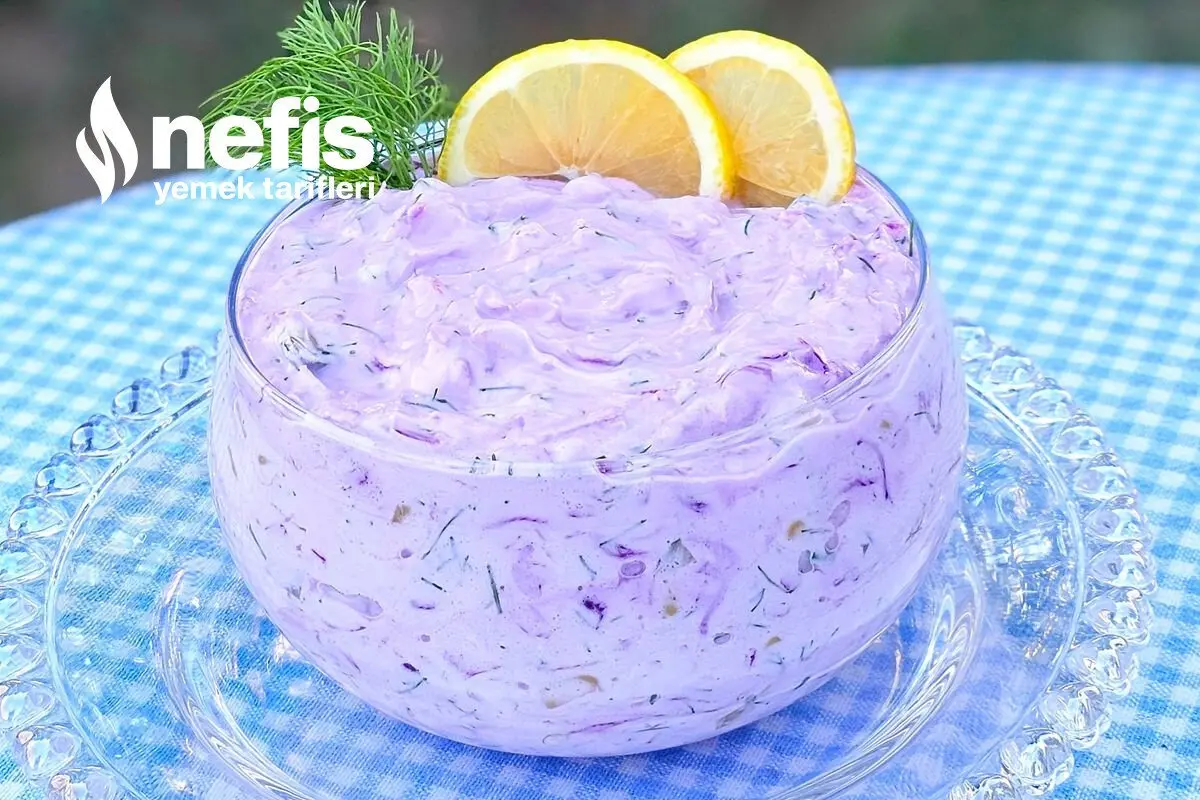
In the dynamic world of contemporary Turkish gastronomy, certain traditional flavors constantly undergo creative reinvention, transforming everyday ingredients into celebrated culinary stars. Among the latest dishes to capture the imagination of home cooks and food enthusiasts alike is the vibrant and tangy Purple Cabbage Meze, known locally as Mor Lahana Mezesi. Originally shared on prominent culinary platforms by creators such as Happy Kitcchens and widely documented through community-driven recipe networks, this visually striking appetizer has quickly evolved from a simple household side dish into a much-requested centerpiece for gatherings, family dinners, and celebratory tables.
The dish centers around the humble purple cabbage, a staple of Mediterranean and Anatolian agriculture valued for its robust texture, earthy flavor profile, and striking anthocyanin-rich pigmentation. While red or purple cabbage has long been utilized in traditional raw salads, pickling, and warm side dishes across various culinary traditions, the specific preparation method championed by contemporary food creators emphasizes a harmonious balance of texture, acidity, and creamy depth. Culinary experts note that achieving the ideal meze consistency requires careful attention to how the cabbage is treated prior to incorporation, ensuring that the vegetable retains a pleasant crispness while absorbing the rich flavor components that characterize modern Turkish meze culture.
Within Turkish culinary arts, mezes hold a profound cultural significance, serving not merely as appetizers or starters, but as an essential element of communal dining that encourages slow pacing, conversation, and sharing. The introduction of innovative vegetable-based mezes reflects a broader shifting trend toward healthier, plant-forward eating habits that do not compromise on taste or aesthetic presentation. The purple cabbage meze exemplifies this evolution, utilizing accessible, budget-friendly ingredients to create a sophisticated dish that stands alongside more traditional cheese, yogurt, and seafood-based accompaniments.
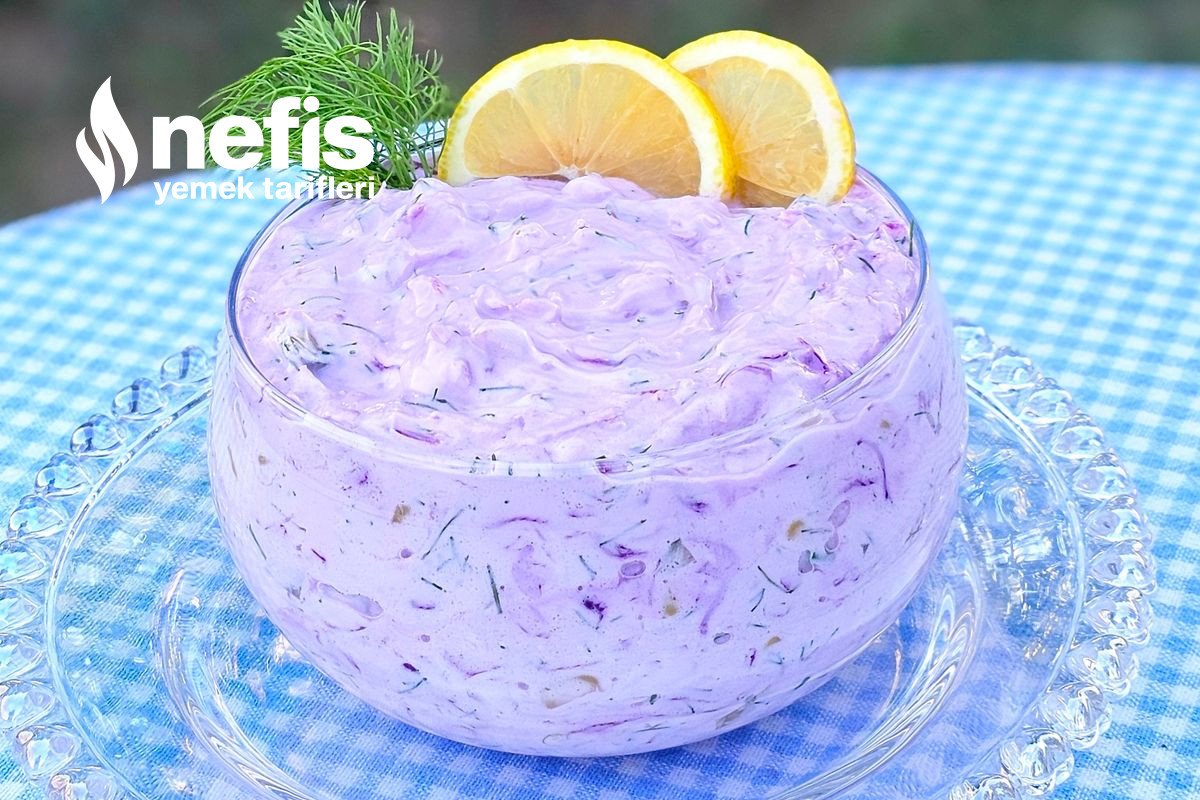
Food historians and contemporary recipe developers point out that the recent surge in popularity for dishes like the purple cabbage meze is largely driven by digital connectivity and culinary sharing communities. Platforms that allow home cooks to document their culinary experiments, share step-by-step imagery, and exchange variations have fundamentally transformed how traditional recipes are disseminated and adapted. In the case of this specific meze, numerous home cooks and culinary enthusiasts have noted its reliability as a crowd-pleaser, frequently describing it as a star recipe that invariably prompts requests for the precise preparation method from dinner guests.
The preparation philosophy behind the dish relies heavily on contrasting flavor notes. The natural, slightly peppery earthiness of the purple cabbage is traditionally mellowed and enhanced through specific preliminary techniques, which may involve gentle softening or marinating to achieve a tender yet substantial bite. When combined with complementary dairy components, aromatic herbs, or specialized dressings typical of the regional meze repertoire, the result is a complex flavor profile that bridges the gap between traditional Anatolian home cooking and contemporary bistro-style presentation.
As culinary trends continue to favor dishes that offer both high visual impact and deep nutritional value, vibrant vegetable preparations are expected to remain prominent fixtures in modern kitchens. The ongoing interest in the purple cabbage meze underscores a broader appreciation for recipes that elevate simple, everyday produce into memorable dining experiences. Whether served as part of a sprawling spread of traditional mezes or as a standalone accompaniment to main courses, this colorful dish continues to resonate with those seeking to bring both tradition and contemporary flair to their dining tables.