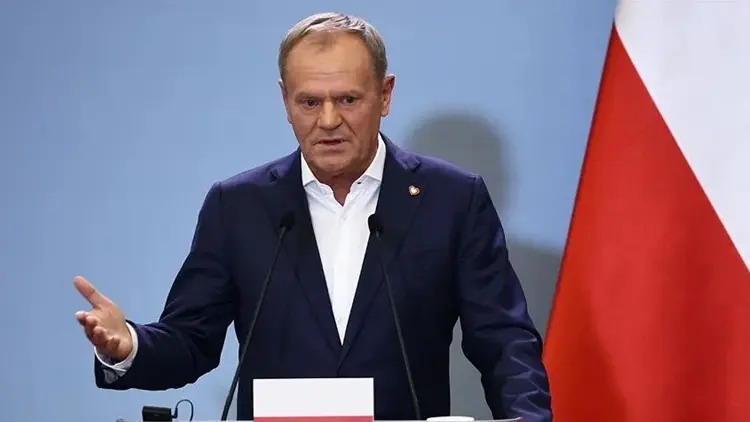
Security services in Poland have intervened following a direct security alert targeting the highest levels of the country’s executive and defence leadership. Polish Prime Minister Donald Tusk announced that an individual responsible for issuing an assassination threat directed against him and Deputy Prime Minister and Minister of National Defence Władysław Kosiniak-Kamysz has been taken into custody. The detention followed an immediate operational response by domestic law enforcement agencies after intelligence and police units were alerted to a potential attack plan aimed at the two senior statesmen.
The incident underscores the heightened state of alert across Poland’s domestic security apparatus. Official statements from government representatives indicated that the threat was treated with the utmost seriousness from the early morning hours, prompting coordinated actions across several state protection bodies, internal affairs agencies, and national police units.
Government Mobilizes Security Agencies Following Threat Report
Confirmation of the threat first emerged through official channels within the Ministry of the Interior and Administration. Karolina Gałecka, spokesperson for the ministry, disclosed via the social media platform X that national police had received actionable information regarding a potential attack targeting both the Prime Minister and the Defence Minister. According to Gałecka, the alert immediately triggered operational protocols, with security and law enforcement agencies instructed to take immediate measures to identify the source of the danger, evaluate the credibility of the plot, and neutralize any risks to the officials.
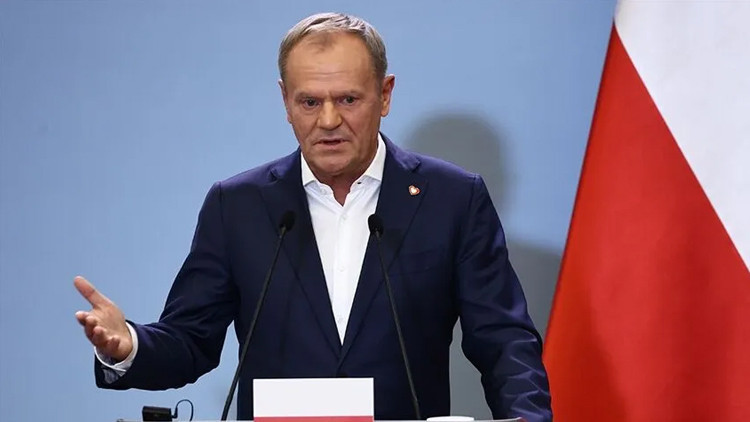
Government Spokesperson Adam Szłapka provided further operational context during an appearance on Polsat News, confirming that the situation was categorized as severe by state authorities. Szłapka revealed that Prime Minister Tusk was formally briefed on the threat early in the morning, around 07:00 local time, as security agencies began piecing together the origins of the alert. Despite the gravity of the security notification, the government maintained its regular operational footing. Szłapka confirmed that the Prime Minister remained in the capital city of Warsaw, continuing to carry out his scheduled official duties without interruption while specialized services conducted their investigations behind the scenes.
Szłapka stressed that Polish security institutions operate under established mechanisms designed to manage direct risks to high-ranking officials without disrupting the standard functions of government. The coordination between the Ministry of the Interior and Administration, the national police command, and close-protection details ensured that defensive perimeters and surveillance measures were elevated while investigators worked to track down the individual responsible for the communication.
Suspect Detained Following Assassination Threat
The active phase of the security alert concluded when Prime Minister Donald Tusk announced publicly that law enforcement officers had successfully tracked down and detained the person who had issued the assassination threat. In a statement published on X, Tusk commended the swift and resolute intervention of the police officers involved in the operation, expressing gratitude for their rapid response in addressing the threat before it could materialize into an active physical danger.

Reports across Polish news media indicated that the threat targeting both Tusk and Kosiniak-Kamysz had initially been transmitted electronically via an email message. The dispatch of direct threats to high-profile political figures via electronic channels prompted immediate technical tracing by specialized cybercrime and intelligence personnel within the police force, allowing authorities to isolate the digital trail, establish the sender’s physical whereabouts, and execute an arrest within hours of the morning notification.
The joint targeting of Donald Tusk and Władysław Kosiniak-Kamysz carries particular institutional significance within Poland’s political landscape. As Prime Minister, Tusk heads the civilian administration and directs general state policy, while Kosiniak-Kamysz, in his dual role as Deputy Prime Minister and Minister of National Defence, oversees the country’s armed forces and strategic military posture. Threats directed simultaneously at the head of government and the chief of the defence establishment represent an attack against the central pillars of national executive authority, requiring comprehensive coordination across both civilian law enforcement and military counterintelligence frameworks.
Rising Security Sensitivities Along NATO’s Eastern Flank
The incident occurs against a broader backdrop of growing security concerns within Poland and across the wider region. Prime Minister Tusk has repeatedly warned that Poland and its regional allies are operating under unprecedented pressure, highlighting the likelihood of Russia intensifying hybrid attacks against NATO’s eastern flank. Over recent months, Polish leadership has consistently drawn public and international attention to the diverse forms such hybrid aggression can take, ranging from cyber operations, sabotage, and critical infrastructure interference to targeted disinformation campaigns, border provocations, and efforts to destabilize public order.

As one of the most critical logistical, military, and humanitarian transit hubs supporting Ukraine, Poland occupies an exceptionally exposed and strategically sensitive position on NATO’s eastern border. The proximity of the ongoing conflict, combined with adjacent borders shared with Belarus and the Russian exclave of Kaliningrad, has placed Polish intelligence and security services on continuous high alert. Within this strategic context, potential plots, direct intimidation, or assassination threats aimed at senior political and military decision-makers are scrutinized not only as potential domestic criminal acts, but also through the prism of external hostility and irregular state-sponsored disruptions.
While investigators continue to examine the exact motives, background, and capabilities of the detained individual, the swift mobilization of Polish law enforcement demonstrates the sensitivity with which authorities are handling any indicators of political violence or external interference. Polish security agencies continue their procedural work and investigative examinations regarding the case to determine whether the suspect acted independently or had connections to broader networks seeking to undermine state stability.