ISTANBUL — In a major initiative aimed at reshaping early childhood and basic education across Türkiye, National Education Minister Yusuf Tekin has announced the launch of the comprehensive "Play Policy Document." The policy framework, designed for pre-schools, primary schools, and middle schools nationwide, seeks to systematically integrate traditional games into daily school life while actively involving parents and families in the educational journey.
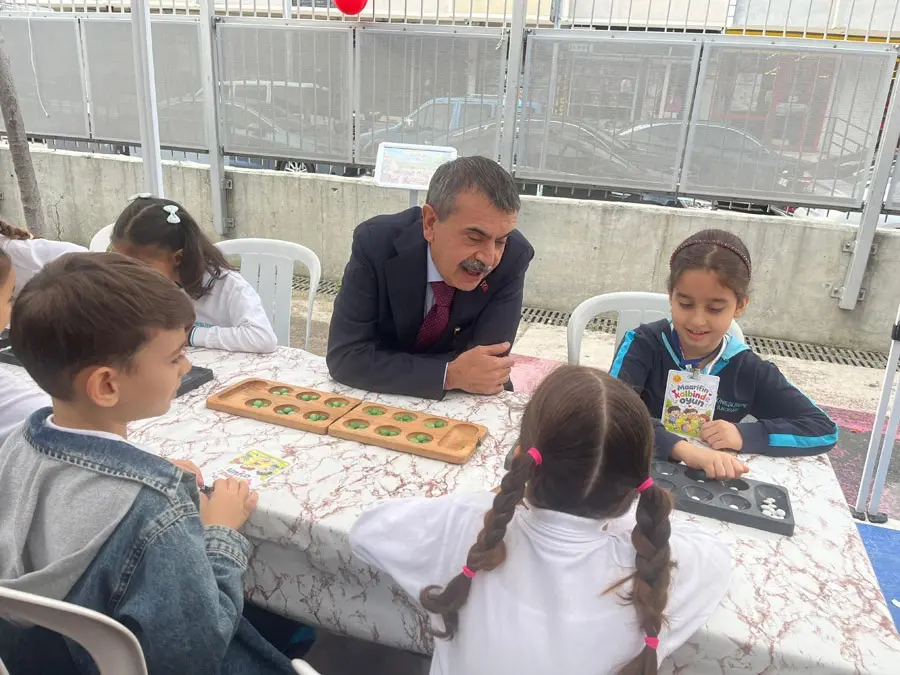
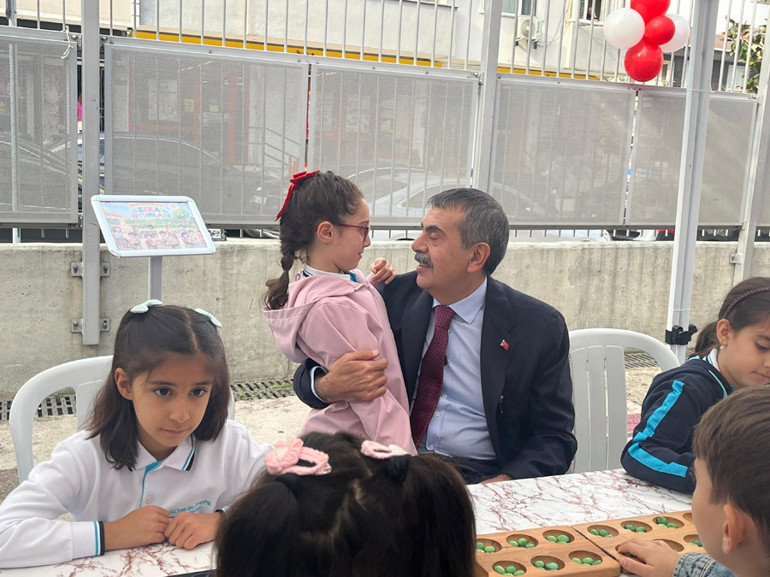
Minister Tekin unveiled key details of the strategy during an official visit to Güneşlitepe Primary School in the Güngören district of Istanbul. The visit took place as part of special school activities organized under the thematic banner "Game at the Heart of Education" (Maarifin Kalbinde Oyun). Accompanied by local officials and senior ministry leadership, Minister Tekin spent time interacting directly with young students, participating in traditional games, inspecting school athletic facilities, and hosting a consultation meeting with educators in the school’s teachers’ room.
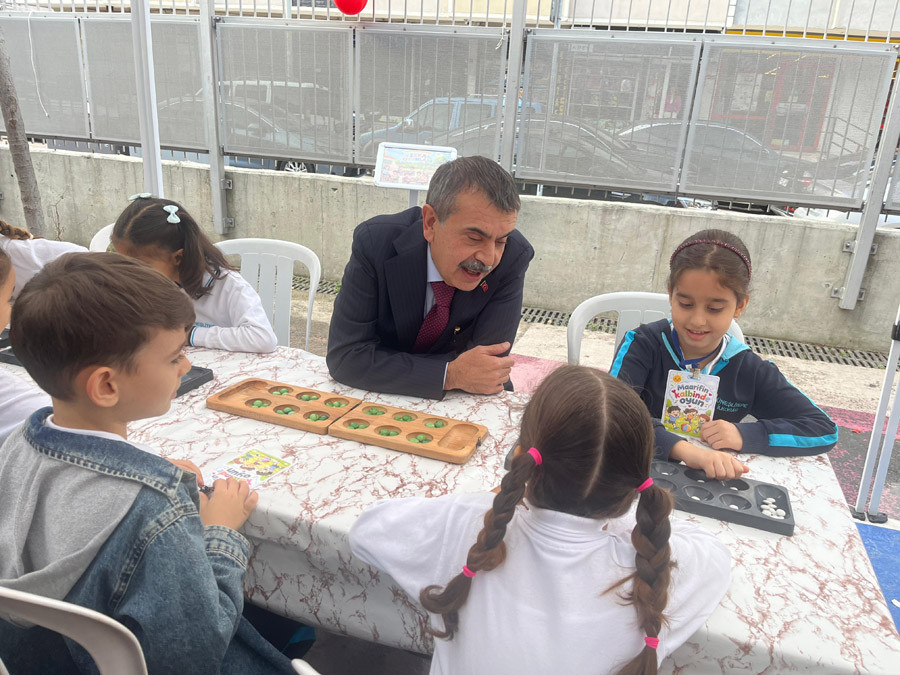
The newly introduced Play Policy Document represents a structured effort by the Ministry of National Education to balance modern academic requirements with time-tested interactive learning methods. By refocusing attention on traditional games, the ministry aims to foster cultural continuity, improve physical health among children, combat digital addiction, and strengthen the vital partnership between home and school environments.
Play as an Essential Component of Learning and Cultural Heritage
Speaking to members of the press following his walkthrough of Güneşlitepe Primary School, Minister Tekin highlighted the foundational role that play has maintained in human development across generations. He noted that while instructional tools, technologies, and teaching methodologies inevitably evolve over time, play has remained one of the most enduring and effective instruments in education for centuries.
During his tour of the school facilities, Tekin engaged directly with students on the playground and in the gymnasium. The Minister joined children in traditional Turkish playground games and activities, including tug-of-war (halat çekme), face painting (yüz boyama), and top spinning (topaç çevirme). He observed physical education and recreation sessions in the school’s indoor sports hall, emphasizing that physical activity integrated with structured play is essential for holistic child development.

According to Minister Tekin, traditional children’s games carry a unique pedagogical value that extends far beyond simple recreation. These games serve as natural vectors for conveying shared societal values, historical traditions, and national culture to younger generations. By participating in traditional games, children do not merely memorize abstract concepts; rather, they internalize fundamental social norms, teamwork, fair play, respect, and cultural heritage through direct, hands-on experience.
To ensure that these activities can be conducted effectively across the nation, the Ministry of National Education has initiated extensive physical infrastructure improvements in primary and lower secondary schools. A core element of this effort involves redesigning and repurposing traditional schoolyards into active, safe, and engaging play environments. School grounds are being transformed from static outdoor spaces into vibrant learning arenas where students can naturally gather, play traditional games, and spend quality, constructive time together during breaks and dedicated recreational hours.
This focus on structured recreational learning aligns directly with the "Turkey Century Education Model" (Türkiye Yüzyılı Maarif Modeli), a comprehensive curricular and pedagogical reform framework implemented nationwide in 2024. Under this overarching educational model, play is no longer treated as a mere pause from learning or an unstructured recess activity. Instead, play is formally recognized and embedded as a core component of the learning process itself, particularly across the pre-school, primary, and middle school levels.

Countering Digital Addiction, Sedentary Lifestyles, and Strengthening Family Engagement
Beyond its cultural and pedagogical benefits, the Ministry of National Education’s new strategy directly addresses pressing contemporary health and lifestyle challenges facing youth today. Minister Tekin emphasized that play must not be viewed solely through the lens of academic instruction or cognitive growth, but also as a crucial health intervention.
In recent years, educational authorities and public health experts have raised growing concerns over the rising prevalence of childhood obesity, physical inactivity, and excessive screen time among young children. The widespread adoption of digital devices has led to increasingly sedentary routines, which can hinder social skills development and physical well-being. Minister Tekin stressed that revitalizing physical, social, and traditional games offers a direct and constructive remedy to digital addiction and passive lifestyles.
The Play Policy Document, formally published and put into effect at the beginning of the current academic year, establishes a standardized framework across pre-schools, primary schools, and middle schools to ensure that traditional games become a regular, organized part of the weekly educational calendar. However, ministry officials stress that the school environment represents only one half of the equation; long-term success depends heavily on extending these practices into the home.

A central objective of the new policy is the active integration of families into the educational and play processes. Minister Tekin called upon parents and guardians to participate directly in school-organized play events and to foster similar interactive environments within the home. Research and educational observations consistently demonstrate that when parents actively engage in their children’s learning and school activities, children exhibit higher levels of academic motivation, stronger emotional resilience, and better overall academic performance.
Furthermore, encouraging parental participation in play-based activities serves to elevate broader societal awareness regarding effective parenting and child development. When parents join their children in traditional games, it creates shared intergenerational experiences that reinforce family bonds, improve communication, and help parents better understand their children’s developmental and emotional needs in a natural, stress-free setting.
Collaborative Implementation and Looking Ahead
During the visit to Güngören Güneşlitepe Primary School, Minister Tekin was accompanied by Güngören District Governor (Kaymakam) Ayhan Terzi and the General Director of Basic Education (Temel Eğitim Genel Müdürü) Ebubekir Sıddık Savaşçı. The delegation inspected the physical condition of the school, evaluated the implementation of the new play-based curriculum elements, and gathered direct feedback from school administrators.
Following the playground and sports hall activities, Minister Tekin met with the school’s teaching staff in the teachers’ room for an extended consultation session. The discussion focused on the practical application of the Play Policy Document, classroom management strategies under the Turkey Century Education Model, and the feedback from educators on the ground. Tekin reaffirmed the ministry’s commitment to supporting teachers with the necessary resources, training, and institutional backing required to bring traditional games back to the center of school culture.
The Minister expressed his gratitude to the teaching staff and administrative personnel for their dedication to fostering an engaging, healthy, and culturally grounded learning environment for students. The official visit concluded with a group photo session involving Minister Tekin, local dignitaries, school administrators, and teachers, marking a symbolic milestone in the nationwide rollout of Türkiye’s new play-centered educational framework.