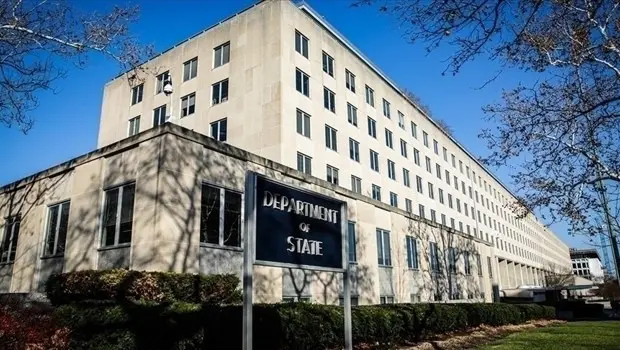
WASHINGTON — The United States Department of State has issued a comprehensive regional travel advisory for American citizens residing in or planning to visit the Middle East, citing an increasingly complex and rapidly shifting security environment driven by heightened tensions between Washington and Tehran.
In an official public bulletin, diplomatic authorities emphasized that the overall security situation across the Middle East remains highly volatile. The State Department reiterated its warning to U.S. nationals, advising them to exercise extreme caution, remain alert to localized developments, and maintain continuous awareness of their surroundings due to the potential for swift changes in regional stability.
The updated advisory highlights that ongoing friction between the United States and Iran continues to fuel security concerns throughout neighboring countries and regional waterways. Officials noted that unpredictable security dynamics can impact transportation networks, public gatherings, and overall personal safety with minimal advance notice, prompting Washington to re-issue strict recommendations for travelers and expatriates across the region.
A Breakdown of Regional Travel Advisory Levels
To inform citizens of specific threat environments, the Department of State utilizes a standardized four-level travel advisory system. Under the latest assessment, travel warnings for nations across the Middle East remain maintained at elevated threat tiers, broadly divided between "Level 3: Reconsider Travel" and "Level 4: Do Not Travel."
The State Department reaffirmed that a Level 3 travel advisory remains active for nine key countries and territories across the Arabian Peninsula and the Levant:
- Bahrain
- Israel
- The West Bank
- Jordan
- Kuwait
- Oman
- Qatar
- Saudi Arabia
- The United Arab Emirates
Under U.S. diplomatic protocol, a Level 3 advisory indicates that serious security risks—ranging from civil unrest and regional military friction to potential terrorist threats—present significant hazards to international travelers. Americans considering travel to Level 3 destinations are urged to re-evaluate their plans carefully, consider non-essential travel delays, and prepare for sudden operational adjustments should local conditions deteriorate rapidly.
At the same time, the State Department confirmed that its most severe notice, "Level 4: Do Not Travel," remains in full effect for six high-risk nations and conflict zones:
- Iran
- Iraq
- Lebanon
- Syria
- Gaza
- Yemen
The Level 4 designation represents the highest warning tier issued by the U.S. government. It signifies an extremely dangerous environment characterized by active armed conflict, aerial strikes, severe political instability, host-nation hostility, or widespread lawlessness. The State Department repeatedly warns citizens that traveling to Level 4 locations carries severe risks to personal safety, including arbitrary arrest, detention, or severe physical harm. Furthermore, the U.S. government’s capacity to provide emergency consular services, evacuation support, or diplomatic intervention in Level 4 zones is severely constrained, and in several cases—such as Syria and Iran—completely absent due to the lack of active diplomatic representation.

Locating Shelters and Emergency Preparedness
In response to the potential for sudden military escalation or localized strikes in the region, the U.S. Department of State placed particular emphasis on immediate personal safety measures and active emergency planning for citizens currently located in the Middle East.
Diplomatic officials explicitly instructed Americans in affected countries to identify the location of the nearest emergency shelter prior to any potential outbreak of violence or emergency situation. Citizens are encouraged to familiarize themselves with designated fortified areas, subterranean safe rooms, or reinforced municipal shelters within their residential quarters, hotels, or workplaces. Knowing the immediate route to a secure structure is deemed a vital precaution against sudden aerial threats, missile alerts, or cross-border artillery engagements.
Beyond identifying emergency shelters, the State Department outlined several critical risk-mitigation measures aimed at reducing exposure to security threats:
- Avoiding Large Gatherings: U.S. nationals are urged to refrain from moving in large groups or visiting prominent public gathering spots, political rallies, and unverified public events that could attract hostile attention or civil disturbance.
- Maintaining a Low Profile: Travelers and residents are advised to keep a low profile, avoid drawing attention to their nationality or presence, and remain cautious when discussing travel plans or personal details in public settings.
- Steering Clear of High-Risk Areas: Citizens are warned to stay clear of known high-risk zones, including border regions, military installations, government infrastructure, and areas with active protest activity.
- Monitoring Security Bulletins: Americans are encouraged to maintain continuous access to trusted local and international news outlets, monitor weather and security broadcasts, and follow official alerts published by regional U.S. embassies and consulates.
Geopolitical Dynamic and Consular Preparedness
The re-issuance of these regional travel alerts underscores the lingering instability surrounding U.S.-Iran relations and its broader ramifications across the Middle East. Strategic friction between Washington and Tehran historically influences security conditions across vital maritime channels, including the Strait of Hormuz and the Red Sea, while also affecting air transit corridors and diplomatic facilities throughout the Persian Gulf.

Diplomatic posts throughout the region routinely evaluate localized risk indicators to adjust defense postures and ensure that emergency protocols are fully operational. For American expatriates, commercial personnel, and short-term visitors, staying informed through official state channels forms a critical layer of personal defense during periods of heightened tension.
The Department of State routinely encourages all U.S. citizens living or traveling abroad to enroll in official tracking systems, such as the Smart Traveler Enrollment Program (STEP). Registration allows embassy personnel to establish direct communication with citizens during unexpected security events, issue localized emergency notifications, and coordinate assistance efforts when safety conditions change unexpectedly.
With regional security dynamics remaining highly unpredictable, Washington reiterated that travel advisories across the Middle East will stay under active, daily review, with additional updates and emergency notices to be released as developments dictate.