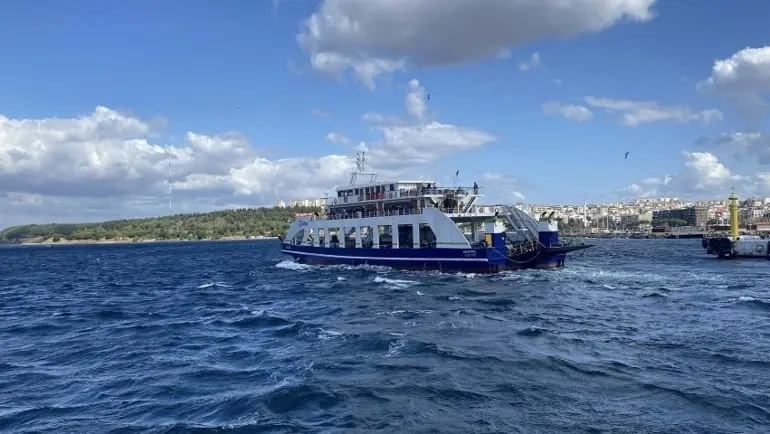
Adverse Weather Conditions in the Northern Aegean Force Complete Suspension of Tomorrow’s Ferry Services on Key Island Routes
ÇANAKKALE — Deteriorating weather conditions across the northern Aegean Sea have delivered a major blow to regional maritime transport, forcing the complete suspension of scheduled ferry services connecting mainland Çanakkale with the offshore islands of Gökçeada and Bozcaada.
According to an official announcement issued by GESTAŞ Deniz Ulaşım, the primary maritime transport operator for the Çanakkale Strait and the surrounding island routes, all scheduled ferry sailings on both the Kabatepe–Gökçeada and Geyikli–Bozcaada lines have been canceled for tomorrow due to severe storms blowing across the northern Aegean basin.
The decision was taken in response to deteriorating sea conditions, characterized by gale-force winds and dangerously high wave swells, which present severe operational hazards for passenger and vehicle transport vessels navigating the open coastal waters of Çanakkale province.
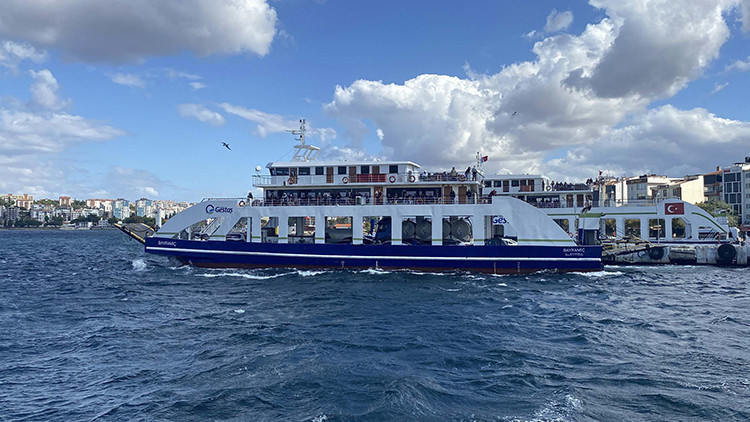
Meteorological Escalation and Maritime Safety Warnings
The northern Aegean region routinely experiences volatile atmospheric transitions during the autumn season, as cold air masses moving down from the Balkans clash with warmer marine air over the Mediterranean and Aegean basins. These seasonal shifts frequently generate powerful northerly and northeasterly gales—predominantly the Poyraz—or intense southerly systems (Lodos) that funnel through the tight geographic corridors of the Dardanelles and create turbulence across open sea routes.
Meteorological advisories for the region indicated an abrupt intensification of wind speeds, accompanied by rough sea states that exceed safe operating margins for commercial ferry vessels. In such conditions, navigating into exposed harbor entrances, executing mooring procedures, and ensuring vehicle stability on deck become exceptionally hazardous.
GESTAŞ officials emphasized that the decision to halt all upcoming sailings was taken strictly in accordance with maritime safety protocols. Commercial sea transport regulations prioritize crew and passenger safety above strict schedule adherence, requiring operations to cease whenever predicted wind force levels and wave heights cross defined safety thresholds established by maritime authorities.
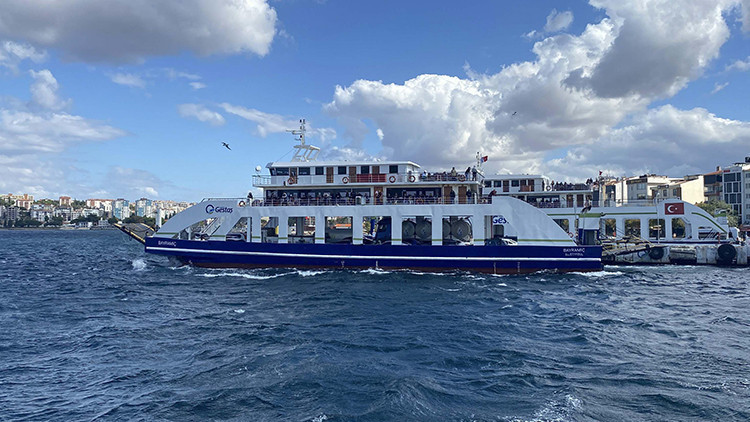
Breakdown of Affected Routes and Island Lifelines
The cancellation of tomorrow’s ferry schedule impacts two critical maritime corridors that serve as the sole primary links connecting mainland Çanakkale to Turkey’s inhabited Aegean islands:
1. The Kabatepe – Gökçeada Line
Operating from the port of Kabatepe on the historic Gallipoli (Gelibolu) Peninsula, this route provides the only direct maritime transport link to Gökçeada, Turkey’s largest island. Traversing an open stretch of the northern Aegean Sea, the route is particularly vulnerable to strong wind patterns and heavy swells coming off the open sea. Under normal operating conditions, multiple daily sailings transport local residents, agricultural produce, commercial cargo, and emergency services between Kabatepe and Gökçeada’s Kuzu Port. The complete shutdown of this line isolates the island from mainland transit until sea conditions normalize.
2. The Geyikli – Bozcaada Line
Connecting the mainland harbor in the Geyikli district of Ezine to the island of Bozcaada, this route spans a shorter channel across the northern Aegean. Despite the shorter distance, the channel experiences concentrated wind channels and rapid sea-state deterioration during autumn gales. Bozcaada, renowned for its viticulture, historical architecture, and vibrant tourism sector, relies entirely on the Geyikli ferry connection for daily vehicle access, food and supply distribution, and passenger transfers.

Operational Scope of GESTAŞ in the Region
GESTAŞ Deniz Ulaşım A.Ş., established under the stewardship of the Çanakkale Provincial Special Administration, holds primary operational responsibility for maritime transit throughout the Dardanelles Strait (Çanakkale Boğazı) and the northern Aegean island channels. The company operates a sizable fleet of car-pass ferries, conventional passenger ferries, and fast catamarans that link strategic points along both the European and Asian shores of Çanakkale as well as the outlying islands.
Given the complex geography of the region—where mainland road networks are divided by the Çanakkale Strait and island communities are detached from the mainland infrastructure—GESTAŞ functions as a vital component of western Turkey’s national transport grid.
The operator maintains continuous coordination with the Turkish State Meteorological Service (TSMS) and coastal harbor master offices. When severe weather alerts are broadcast, GESTAŞ maritime safety committees evaluate local wind vectors, sea-state forecasts, and harbor maneuvering conditions before issuing cancellation notices.

Community and Logistics Impact on Island Populations
The complete suspension of ferry services to Gökçeada and Bozcaada presents immediate logistical challenges for island residents, municipal authorities, and commercial enterprises. Unlike mainland settlements served by alternative highway or railway corridors, island communities depend entirely on maritime bridges for their day-to-day operations.
Supply Chains and Daily Commerce
Island retailers, grocery markets, pharmacies, and agricultural producers rely on daily morning ferry arrivals for fresh produce, essential goods, fuel supplies, and commercial freight. Storm cancellations temporarily halt cargo arrivals, requiring local businesses to rely on existing reserve stocks. Commercial haulers and delivery trucks heading to or from the islands face extended waiting periods at port terminals until weather clearances are granted.
Public Transit and Commuters
Numerous island residents travel daily between the islands and mainland Çanakkale for work, specialized healthcare appointments, higher education, and official administrative business. Service cancellations disrupt travel plans, stranding mainland-bound islanders and preventing mainland workers and service personnel from reaching their island posts.

Medical and Emergency Operations
While routine ferry sailings are suspended during storms, emergency medical evacuations remain governed by specialized protocols. In cases where critical healthcare intervention is required on the islands, emergency services coordinate with coastal safety authorities, maritime search-and-rescue teams, or air ambulance units, subject to weather conditions allowing safe flight or sea operations.
Outlook and Travel Guidance for Passengers
GESTAŞ has published advisories urging all passengers, commercial drivers, and travelers intending to use the Kabatepe–Gökçeada and Geyikli–Bozcaada lines to alter their travel itineraries in light of tomorrow’s complete cancellation.
The transport authority monitors meteorological developments continuously to assess when sea conditions will improve sufficiently to permit the safe resumption of maritime operations. Travelers are advised to follow real-time updates provided through GESTAŞ’s official website, customer service call centers, and automated SMS notification channels, where any potential schedule adjustments or resumption announcements will be posted once weather conditions stabilize.
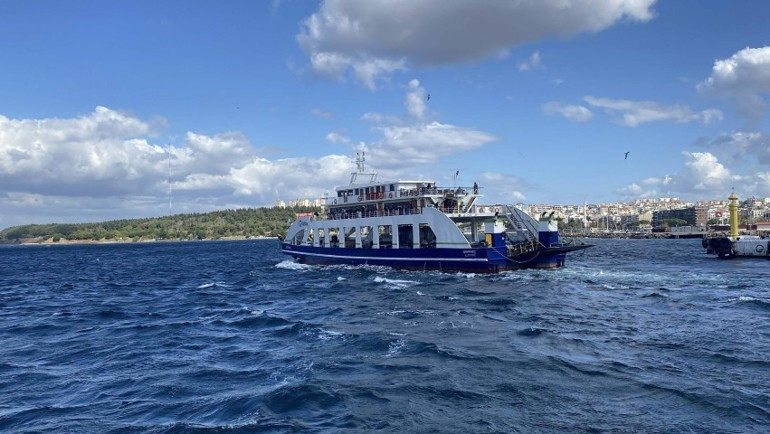
As the weather system moves across the northern Aegean, maritime traffic control units throughout Çanakkale continue to monitor sea conditions across all coastal channels, placing safety first as the region navigates the autumn storm period.