The Turkish television industry, renowned globally for its high-stakes drama both on and off the screen, has found itself captivated by a developing dispute between one of its most respected veteran actresses and a prominent production powerhouse. Aliye Uzunatağan, a household name in Turkish theater and television, has publicly addressed the controversial claims surrounding her departure from the wildly popular drama series Kızılcık Şerbeti (Cranberry Sorbet). The actress broke her silence following highly publicized remarks by the show’s producer, Faruk Turgut, who alleged that her exit was driven by financial greed and an inflated sense of her own importance to the production.
The ongoing debate highlights the delicate balance between veteran talent and production executives in the fast-paced, high-pressure world of Turkish prime-time television, locally known as the "dizi" industry. As one of the highest-rated shows on Turkish television, any behind-the-scenes friction on Kızılcık Şerbeti quickly becomes a matter of public interest, drawing intense scrutiny from fans and industry insiders alike.
The Root of the Dispute: Faruk Turgut’s Public Allegations
The controversy erupted when Faruk Turgut, the head of Gold Film and the producer behind Kızılcık Şerbeti, made candid remarks regarding Uzunatağan’s departure from the series. Speaking to the press about the logistical challenges of maintaining a massive ensemble cast over multiple seasons, Turgut did not mince words when discussing the veteran actress.
"Aliye Hanım has a problem like this every single year," Turgut reportedly stated, addressing the media. "She says, ‘I am indispensable to this series, I want this much money,’ and makes demands based on that premise."
Turgut’s comments suggested a recurring pattern of difficult negotiations, implying that the actress attempted to leverage her status on the show to secure salary increases that the production house deemed unreasonable. In the competitive landscape of Turkish television, where production budgets are tightly managed against fluctuating advertising revenues and high inflation, such public accusations from a producer are rare and carry significant weight. They paint a picture of a challenging negotiation process behind the closed doors of one of the country’s most successful television dramas.
Aliye Uzunatağan’s Response: A Matter of ‘Professional Discipline’
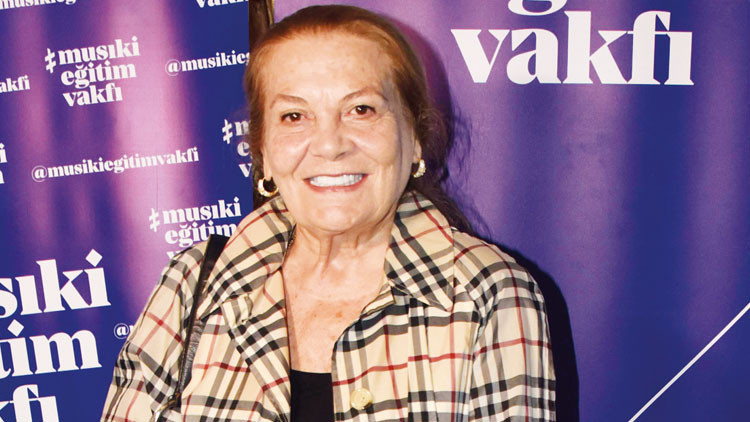
The veteran actress, who was spotted by members of the press the previous evening at the historic Şerifler Yalısı (Şerifler Mansion) in Istanbul, was quickly questioned about Turgut’s provocative statements. Known for her poise and long-standing dedication to her craft, Uzunatağan chose to respond with measured dignity rather than escalating the conflict into a public shouting match.
When asked directly about the producer’s claims that she demanded excessive fees under the belief that she was irreplaceable, Uzunatağan delivered a response rooted in her decades of experience in the Turkish performing arts.
"My professional discipline does not allow me to speak about the work I do," Uzunatağan stated calmly, invoking the Turkish concept of iş terbiyesi—a term that encompasses professional work ethic, respect for the craft, and organizational decorum. By referencing her professional discipline, the actress signaled that discussing financial negotiations or behind-the-scenes disagreements in the public sphere goes against her core values as an artist.
Despite the sharp nature of Turgut’s public accusations, Uzunatağan took a conciliatory tone regarding the producer himself, emphasizing her personal regard for him while pointing out a breakdown in communication.
"I love Faruk Bey very much," she continued. "There is a misunderstanding here. I wish Faruk Bey had spoken to me directly before saying these things publicly."
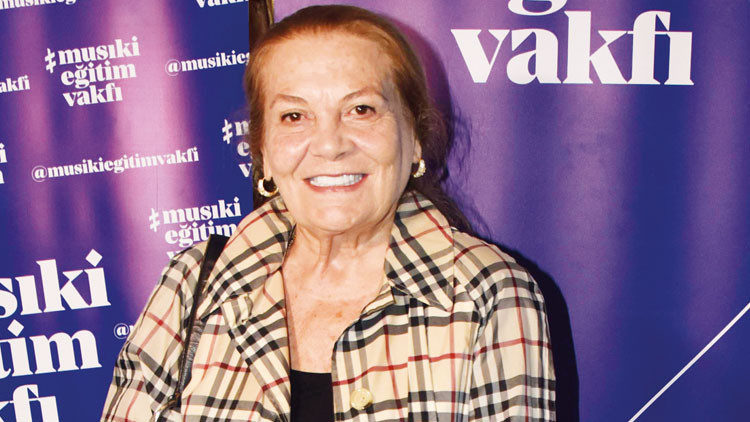
Her response shifted the narrative from a simple dispute over money to a broader issue of communication within the industry. By expressing a wish that the producer had approached her privately, Uzunatağan highlighted a preference for professional dialogue over media-driven confrontations, suggesting that the entire conflict may have stemmed from a misinterpretation of their contract discussions.
The Setting: An Evening at Şerifler Yalısı
The confrontation between the press and the veteran actress took place against the backdrop of the Şerifler Yalısı, a historic waterfront mansion located on the shores of the Bosphorus in Istanbul. The choice of location added an air of classic Istanbul elegance to the encounter. Such historical venues frequently host cultural events, filming sessions, and high-profile gatherings, making them prime spots for entertainment journalists seeking statements from prominent public figures.
As Uzunatağan navigated the press gathering, her calm demeanor stood in stark contrast to the sensationalized headlines that had dominated the entertainment news cycle in the preceding days. Her refusal to engage in reciprocal mudslinging was viewed by many industry observers as a masterclass in public relations and professional decorum, reflecting her background as an educator and a pioneer of the Turkish stage.
The Narrative Impact: Who is Sönmez in ‘Kızılcık Şerbeti’?
To understand why Uzunatağan’s departure and the subsequent war of words have caused such a stir, one must look at the immense cultural footprint of Kızılcık Şerbeti. Produced by Gold Film and broadcast on Show TV, the series is a gripping drama that explores the deep-seated cultural, social, and religious divides in modern Turkish society through the intersection of two very different families.
In the series, Aliye Uzunatağan portrayed Sönmez Selig, the matriarch of the more secular, modern family. Sönmez is a character defined by her sharp wit, strong-willed nature, and deep devotion to her daughters and grandchildren. As a grandmother figure, Sönmez provided both comic relief and emotional grounding to the fast-paced, often chaotic plotlines of the show.

Because Sönmez served as a bridge between the younger characters and the older generation’s values, her character was highly valued by the audience. For many viewers, Uzunatağan’s performance was a cornerstone of the show’s realism and emotional depth. Consequently, news of her departure sparked widespread concern among the show’s dedicated fanbase, who wondered how the writers would address the absence of such a central matriarchal figure in the upcoming episodes. Faruk Turgut’s subsequent comments only added fuel to the fire, turning a creative transition into a public debate over industry economics and respect for veteran actors.
The Economics and Pressure of Turkish TV Production
The public clash between Uzunatağan and Turgut shines a spotlight on the unique economic pressures of the Turkish television industry. Unlike Western television markets, where seasons are shorter and pre-produced, Turkish dramas operate on a grueling weekly schedule. Each weekly episode typically runs between 120 and 140 minutes—essentially the length of a feature film—requiring cast and crew to work long hours under intense pressure.
Furthermore, the longevity of a successful "dizi" depends heavily on maintaining high ratings week after week. When a show becomes a massive hit, like Kızılcık Şerbeti, the financial stakes rise exponentially. Cast members, particularly those who have contributed significantly to the show’s success, often seek contract renegotiations ahead of new seasons to reflect the show’s high ratings and the demanding production schedules.
On the other side of the equation, producers like Faruk Turgut must balance these demands against rising production costs, network licensing fees, and the financial risk of a sudden drop in ratings. When negotiations break down, the resulting departures are often written into the script as sudden deaths, long trips, or unexpected life changes for the characters. However, it is rare for the financial details and personal grievances of these negotiations to be aired so bluntly in public by a major producer, which is why Turgut’s comments generated such significant media traction.
The Legacy of a Veteran Artist
Aliye Uzunatağan’s emphasis on "professional discipline" is deeply rooted in her extensive career. Born in 1951, Uzunatağan is a graduate of the Istanbul Municipal Conservatory and spent decades performing with the prestigious Istanbul City Theatres (Şehir Tiyatroları). Beyond her work on stage, she is highly respected as a voice actress, having dubbed legendary international stars for Turkish audiences, and as an acting coach who has trained many of the young talents dominating Turkish television today.

Throughout her career, Uzunatağan has been regarded as a representative of the "old school" of Turkish acting—a generation that prioritizes theater discipline, respect for directors and producers, and a quiet dedication to the craft over the celebrity culture that often surrounds modern television stars. Her reference to iş terbiyesi during the interview at Şerifler Yalısı was a direct reflection of this background. For Uzunatağan, a contract negotiation is a private business matter, and public discussions regarding salaries or indispensability run counter to the dignity of the acting profession.
Her response has garnered support from various quarters of the Turkish acting community, where many artists feel that veteran actors are often undervalued by production companies focused primarily on younger, social-media-famous leads. By reframing the issue as a simple "misunderstanding" and expressing her continued affection for Faruk Turgut, Uzunatağan attempted to de-escalate the tension while firmly protecting her professional reputation.
Moving Forward
As the dust begins to settle on this public exchange, the future of Kızılcık Şerbeti continues to move forward. The production team has had to adapt the storyline to accommodate the absence of Sönmez, a challenge that Turkish television writers are well-accustomed to handling.
While the public may never know the exact financial figures or specific terms that led to the breakdown in negotiations between Aliye Uzunatağan and Gold Film, the incident serves as a telling example of the complex dynamics at play behind the scenes of Turkey’s most popular television dramas. It highlights the ongoing tension between the cold business realities of television production and the deeply held professional values of the artists who bring these beloved stories to life. For now, Uzunatağan remains a respected figure whose commitment to her professional discipline continues to define her public persona, even in the face of industry controversy.