The global box office triumph of Odyssey, written and directed by Christopher Nolan, has secured its place among cinematic milestones while triggering a massive worldwide resurgence of interest in ancient literature, mythology, and Mediterranean history. By bringing Homer’s 3,000-year-old masterpiece to life on the big screen, the film has sparked a cultural renaissance, driving a surge in museum visits, archaeological site attendance, book sales, and heritage travel across the regions featured in the ancient story.
According to leading scholars and travel experts, the cinematic narrative has reawakened a deep curiosity about the symbolic journey of King Odysseus of Ithaca following the fall of Troy. Prof. Dr. Rüstem Aslan, Head of the Troy Archaeological Excavations and author of the recently published book Homer for Beginners, explains that the enduring power of the Odyssey lies in its reflection of the human condition.
Aslan highlights that Homer’s work stands as one of the most compelling sea voyage narratives in world literature, carrying profound timeless messages. "Following the Trojan War, the return journey of Odysseus, King of Ithaca, lasts for ten years," Aslan notes. "Yet this return is not merely a long maritime voyage; it is a symbolic journey that tests human intellect, courage, patience, and willpower. Every island and port Odysseus encounters represents a different dimension and era of human life. The epic of Odysseus powerfully illustrates how a human becomes truly human. Greed, forgetfulness, pride, temptation, the pursuit of knowledge, and the deep longing for home form the core themes of this voyage."

Travel writer Serda Büyükkoyuncu, author of Ancient Greek Mythology: The Love Lives of the Gods, notes that the film has ignited an irresistible urge to travel among audiences. "From the ancient walls of Troy to the volcanic landscapes of Sicily, from the Amalfi shores where sirens were believed to sing to Ithaca, where Odysseus finally reunited with his home, this route represents perhaps the oldest cultural and travel itinerary in the world," Büyükkoyuncu remarks.
Guided by the insights of Aslan and Büyükkoyuncu, travelers can explore the ancient geography of Homer’s epic, tracing the steps of mythological heroes across the Mediterranean.

A Victory Born in Wooden Timber: Troy, Bozcaada, and Çanakkale
Key Locations: Troy Ancient City, Troy Museum, Bozcaada (Tenedos), Çanakkale (Turkey)
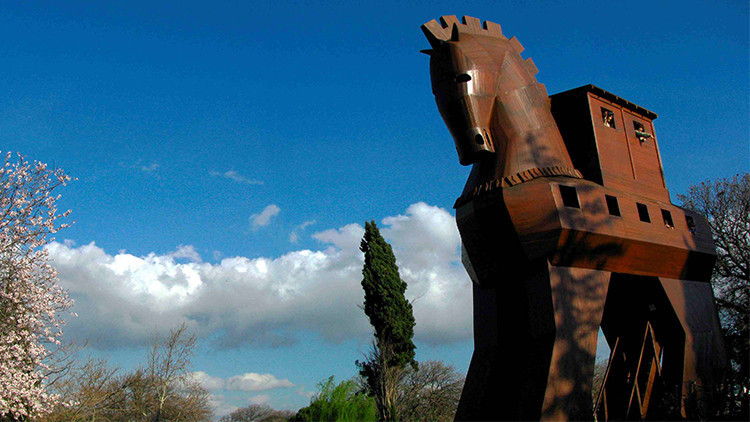
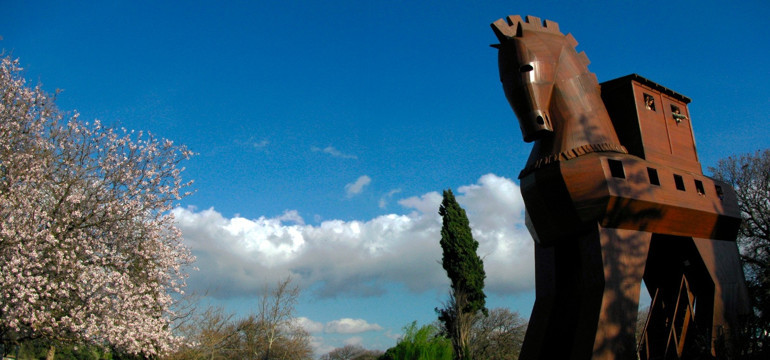
Prof. Dr. Rüstem Aslan emphasizes that the journey begins in northwestern Turkey, where the historical roots of the epic lie. "The Ancient City of Troy in Çanakkale is one of the most important archaeological sites in the world," says Aslan. "Visitors here can explore various historical layers of Troy, its defensive walls, and ancient city gates. Immediately adjacent to the ruins, the award-winning Troy Museum displays artifacts uncovered during excavations. Bozcaada—known in antiquity as Tenedos—positioned right at the entrance of the Dardanelles, played a crucial role in Trojan mythology. According to Homer, the famous wooden horse, devised by Odysseus, was constructed on this island before being left at the gates of Troy. In a sense, this island is the true starting point of Odysseus’s ten-year return story."

Büyükkoyuncu suggests that after exploring the ancient ruins and the museum, visitors should pause at sunset on Hisarlık Hill to look across the Troas Plain. Standing there allows travelers to feel the historical weight of why the legendary war unfolded on that specific land. In the center of Çanakkale, visitors can also take a photo with the wooden horse prop originally used in the movie Troy.
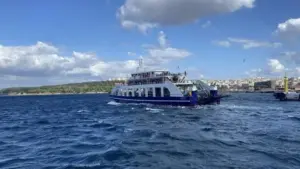
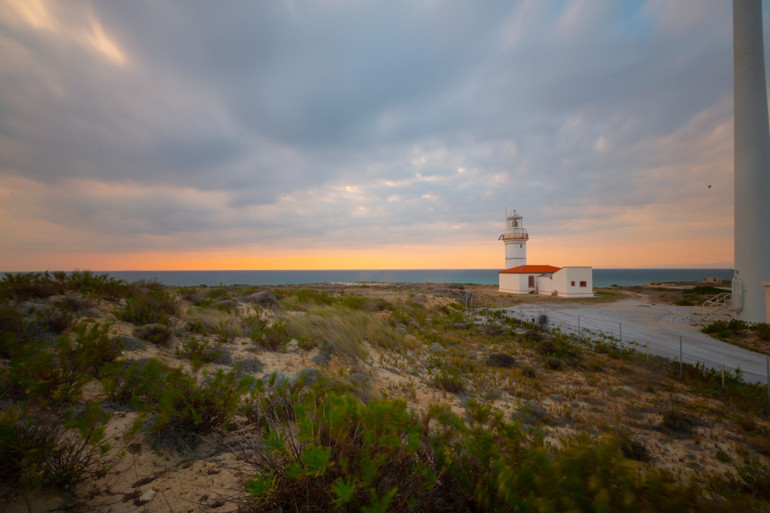
Moving to modern-day Bozcaada, Büyükkoyuncu describes it as one of the most romantic islands in the Aegean Sea. "Your first stop should be Bozcaada Castle," he advises. "Afterwards, wander through the narrow streets of the Greek Quarter, adorned with colorful bougainvillea. Polente Lighthouse, located at the wind-swept tip of the island, offers one of the best locations to watch the sunset. It is also the finest spot to experience the very winds described so vividly by Homer."
- Mythological Figure of this Stop: Poseidon — Lord of the seas, ruler of wild waves and tempests, and the divine force shaping the precarious fates of ancient mariners.
Clashing Intrigues in the Land of Cyclopes: Taormina, Catania, and Mount Etna
Key Locations: Taormina, Catania, and Mount Etna National Park, Sicily (Italy)
Following their departure from Troy, Odysseus and his surviving crew endured numerous disasters before washing ashore on the island of the Cyclopes, where they ventured into the cave of Polyphemus.
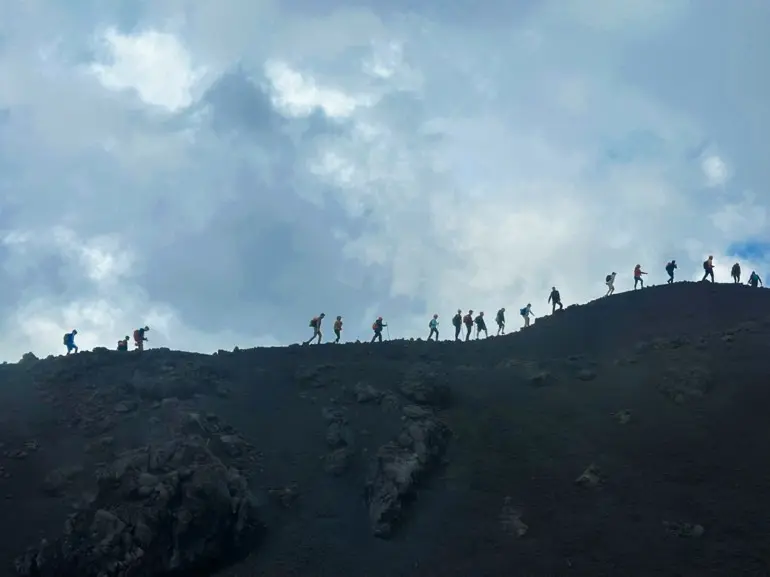
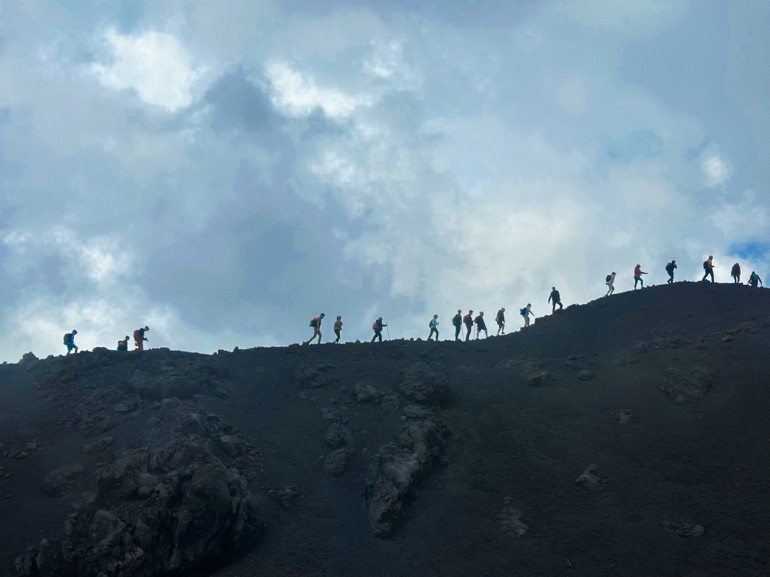
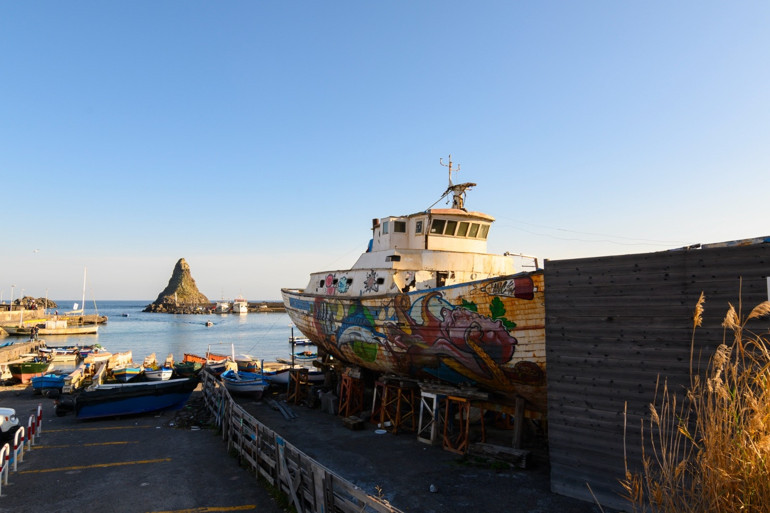
"Polyphemus blocked the cave entrance with a massive boulder and carried out a horrifying massacre, eating several sailors each day," Aslan explains. "Odysseus realized that brute force could not defeat the giant. Instead, he relied on his intellect to blind the monster and successfully escape with his remaining men. Researchers frequently associate this episode with the area surrounding Mount Etna in eastern Sicily. The dark basalt rock formations off the coast of Aci Trezza are locally known as the ‘Cyclops Rocks.’ The continuously smoking peak of Etna likely inspired ancient mariners to create legends about giants residing within the mountains."
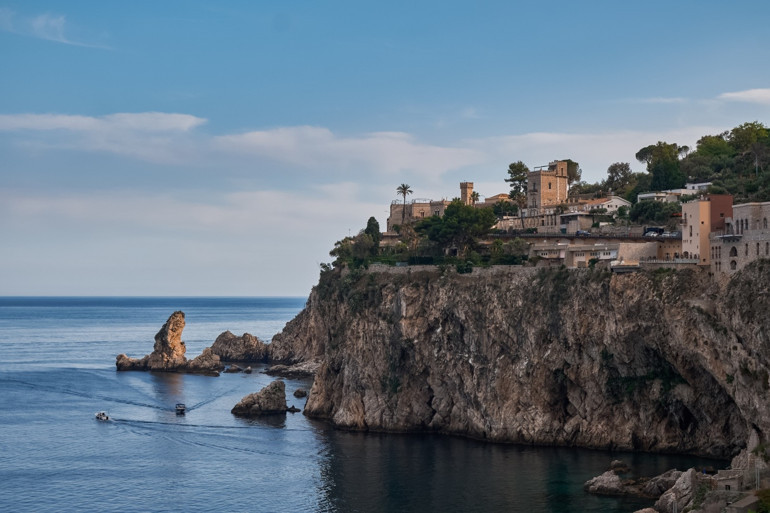
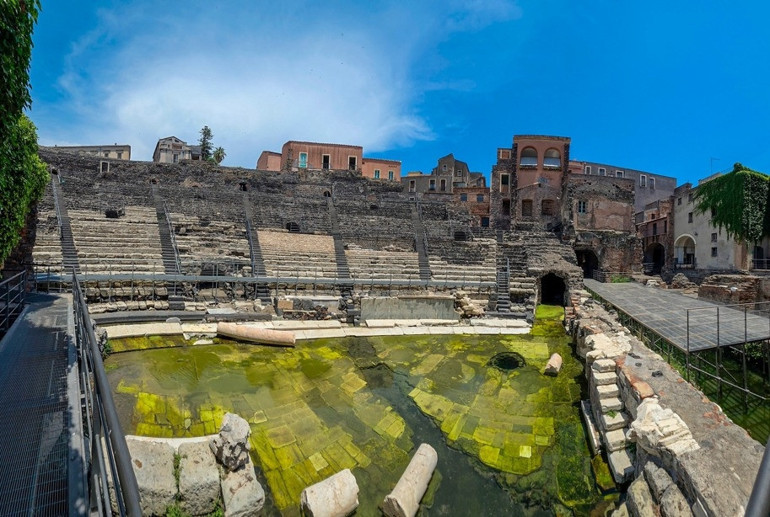
Büyükkoyuncu highlights Taormina as one of the best places to capture the true atmosphere of the epic. The city’s ancient Greek theater stands as one of the most breathtaking historic structures in the world. Corso Umberto, the vibrant heart of the town, is lined with historical palazzos, small squares, boutique shops, and charming cafes. Beneath Taormina lies Isola Bella, renowned as one of Sicily’s most picturesque coves.
Located at the foot of Mount Etna, Catania offers another deeply historic experience. "With the blue waters of the Mediterranean on one side and Europe’s most active volcano—which erupted as recently as early July—on the other, Catania is a remarkable UNESCO World Heritage city," says Büyükkoyuncu. "After suffering a catastrophic earthquake in 1693, Catania was rebuilt using dark volcanic lava stone, giving rise to its distinctive black-and-white Baroque architecture. When visiting, explore the lively fish market situated right next to Piazza del Duomo and the famous Elephant Fountain."
Between Catania and Taormina lies the coastal village of Aci Trezza, where black basalt rocks rise dramatically from the sea. Local tradition maintains that these formations are the very boulders thrown by the blinded Polyphemus at Odysseus’s fleeing ship. If volcanic conditions remain calm, a visit to Mount Etna National Park offers an unforgettable excursion into this mythical landscape.
- Mythological Figures of this Stop: Hephaestus (god of fire and metalworking, whose subterranean forge beneath Etna was believed to cause eruptions through hammer strikes on his anvil), The Cyclopes (one-eyed giant blacksmith assistants), Polyphemus (son of Poseidon, a human-hating shepherd giant), and Enceladus (a defeated giant whose restless shifts beneath the earth were believed by ancient Greeks to trigger earthquakes).
Temptation, Sorcery, and Treacherous Straits: Cape Circeo, Messina, Amalfi, and Capri
Key Locations: Monte Circeo, Strait of Messina, Amalfi-Capri Coastline, Italy (Bonus: Corfu, Greece)
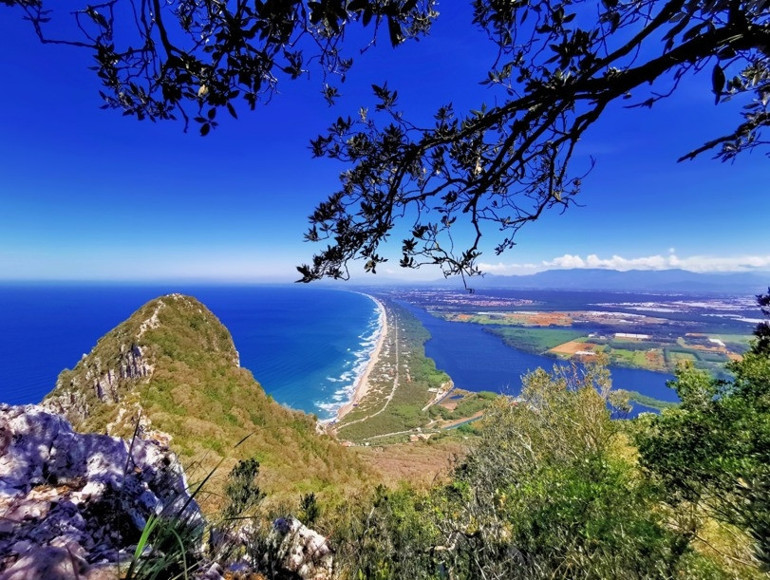
The voyage took a spiritual turn when Odysseus reached the island of Aeaea, home of the sorceress Circe. "Circe invited the sailors to her palace and served them a enchanted potion that transformed them into swine," Aslan relates. "Only Eurylochus escaped to inform Odysseus. Drawing his sword, Odysseus confronted and subdued Circe, forcing her to break the spell and restore his crew to human form. This marked a transition in the narrative from a physical trial to an inner spiritual quest. Since antiquity, Cape Circeo on the western coast of Italy has been recognized as Circe’s legendary island."
Following Circe’s guidance, Odysseus faced the deadly temptation of the Sirens, successfully surviving by tying himself to his ship’s mast while his crew plugged their ears with wax. Next came the fatal passage between Scylla, a six-headed sea monster, and Charybdis, a devastating whirlpool. "This passage illustrates that leadership sometimes requires making painful and unavoidable sacrifices," Aslan notes. "Researchers link the Sirens to the Li Galli Islands off the Amalfi Coast, while Scylla and Charybdis represent the treacherous waters of the Strait of Messina. Today, areas such as Amalfi, Positano, Capri, the Li Galli Islands, Messina, and Reggio Calabria are celebrated among the Mediterranean’s most breathtaking destinations."
Büyükkoyuncu observes that the Strait of Messina, which separates Sicily from the Italian mainland, narrows to just three kilometers. "Though crossed in minutes today, it was one of the most dangerous nautical passages in antiquity," he says. "Visitors can view the strait from scenic lookouts along Messina’s coast or take a short ferry to Reggio Calabria."
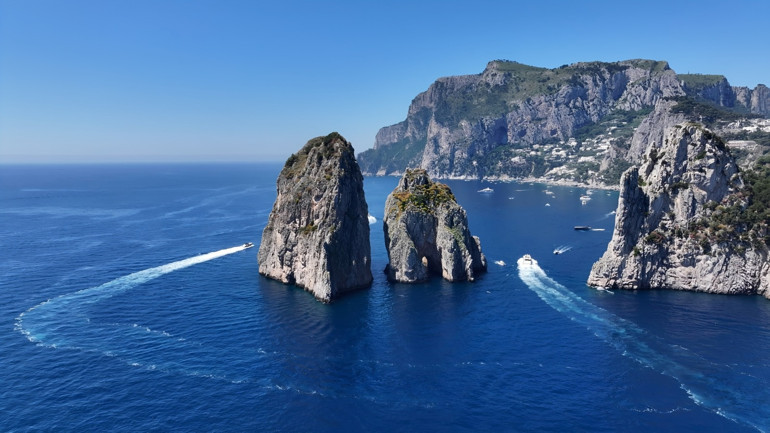
For those exploring the Amalfi Coast, early morning boat tours around the Li Galli Islands offer serene views of crystal-clear waters. Excursions regularly depart from Positano and Amalfi. On the island of Capri, top highlights include the Blue Grotto, Monte Solaro, the Gardens of Augustus, and Marina Grande.
-
Bonus Destination: Many scholars associate Homer’s mythical land of Scheria with the island of Corfu in Greece. Visitors can start at the UNESCO World Heritage-listed Corfu Old Town, which features a unique blend of Venetian, French, and British architecture, before heading to the coves of Paleokastritsa, where Odysseus is believed to have washed ashore.
-
Mythological Figures of this Stop: Circe (goddess of magic, potions, and transformation, considered one of antiquity’s first famous witch figures) and The Sirens (dangerous sea nymphs who lured mariners to their doom with irresistible, enchanting songs).
The Ultimate Homecoming: Reaching the Quiet Shores of Ithaca
Key Location: Ithaca (Greece)
After two decades of hardship—ten years fighting at Troy and ten years wandering at sea—Odysseus finally set foot on the shores of his native Ithaca.
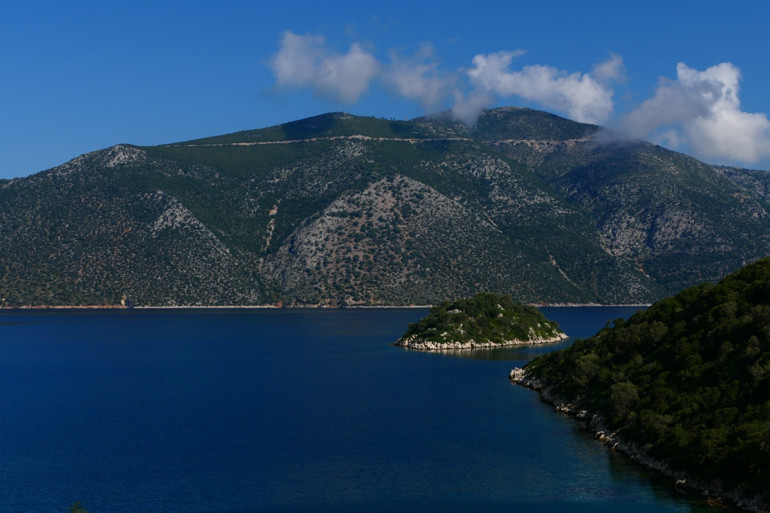
"With the assistance of his son Telemachus, Odysseus reclaimed his kingdom, restored peace, and returned to his former life," says Aslan. "Located in the Ionian Sea, the small island of Ithaca remains one of Greece’s most tranquil destinations today. Its rugged mountains, ancient olive groves, and quiet coves closely mirror the modest yet peaceful homeland described so tenderly by Homer."
Büyükkoyuncu notes that upon returning home, Odysseus was initially transformed into an elderly beggar by the goddess Athena so he could move undetected, leaving his loyal dog, Argos, as the only one to recognize him immediately.
"Ithaca remains an oasis of calm," says Büyükkoyuncu. "Vathy, the capital, features classic Greek island architecture surrounding a serene harbor. To the north, Polis Bay is deeply tied to the Odysseus narrative, with the nearby Loizos Cave historically revered as a sacred site. Furthermore, recent archaeological excavations at Aetos have uncovered structural remains believed to be the ancient ‘Palace of Odysseus,’ marking one of the most exciting discoveries in modern classical archaeology."
- Mythological Figure of this Stop: Athena — Goddess of wisdom, strategy, and warfare, who served as Odysseus’s devoted divine champion throughout his ten-year odyssey home.