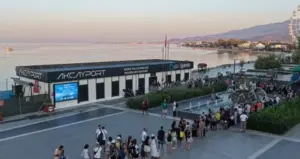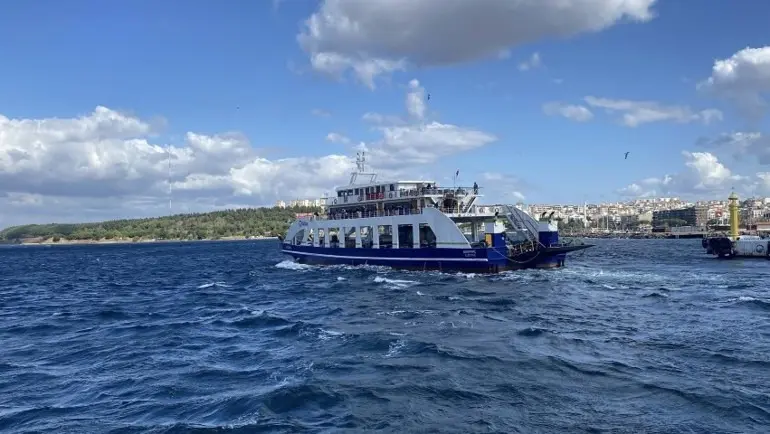
A powerful storm sweeping across the northern Aegean Sea has brought maritime transportation between mainland Turkey and its offshore islands to a complete standstill. GESTAŞ Maritime Transportation, the main operator responsible for passenger and vehicle ferry services along the Çanakkale Strait and island routes, has officially announced the cancellation of all scheduled ferry trips for tomorrow between Kabatepe and Gökçeada, as well as between Geyikli and Bozcaada. The decision, taken in response to deteriorating weather forecasts and hazardous sea conditions, highlights the recurring vulnerability of island transport links during severe seasonal storm systems.
According to the official notice issued by GESTAŞ, the adverse weather conditions expected to prevail throughout the northern Aegean region made safe navigation and vessel docking impossible. Consequently, all scheduled sailings connecting the mainland to the islands of Gökçeada and Bozcaada have been called off until weather conditions stabilize and maritime safety can be guaranteed.
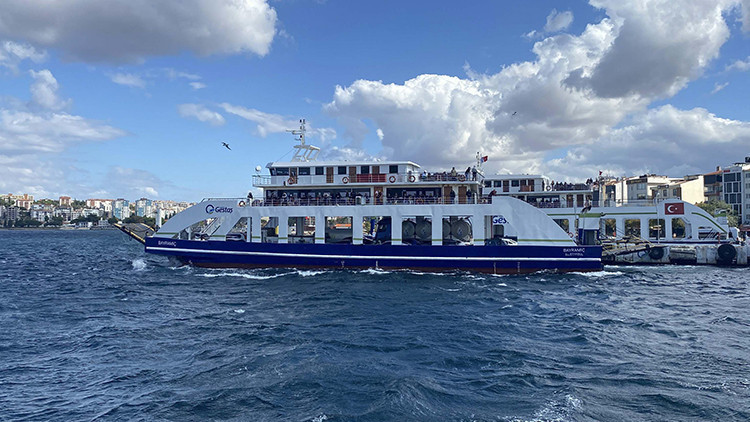
The affected routes represent the sole public maritime links connecting Turkey’s two major northern Aegean islands to the mainland transportation network. The Kabatepe–Gökçeada ferry line operates out of the Kabatepe ferry terminal, located on the western coast of the Gallipoli Peninsula, traversing open waters to reach Gökçeada, the country’s largest island. Concurrently, the Geyikli–Bozcaada line connects the Geyikli ferry port in the Ezine district of Çanakkale province to Bozcaada, a prominent tourist, agricultural, and viticultural hub situated further south. With all sailings across both routes suspended, maritime transit between these islands and the mainland has been temporarily halted.
Severe Weather Conditions Impact Transportation Across Northern Aegean
The suspension of services comes as strong gales and rough seas take hold across the northern Aegean region. Seasonal meteorological transitions in autumn frequently bring high-velocity winds, predominantly originating from the north and northeast—locally recognized as the Poyraz—which dramatically alter sea conditions within short windows of time. These winds generate heavy swells and turbulent wave patterns in the open waters surrounding the Çanakkale coastline, posing substantial hazards to maritime navigation.
Navigating the open waters between Kabatepe and Gökçeada is particularly challenging during severe atmospheric disturbances. The route crosses a stretch of the northern Aegean that is fully exposed to open sea weather dynamics, where wave heights can rapidly build to levels that threaten the stability of vehicle-carrying ferries and render harbor approaches extremely dangerous. Similarly, while the geographical distance between Geyikli and Bozcaada is shorter, strong crosswinds and localized sea surges can create highly turbulent conditions at the narrow entrance of Bozcaada Port, making safe berthing maneuvers nearly impossible for heavy roll-on/roll-off vessels.
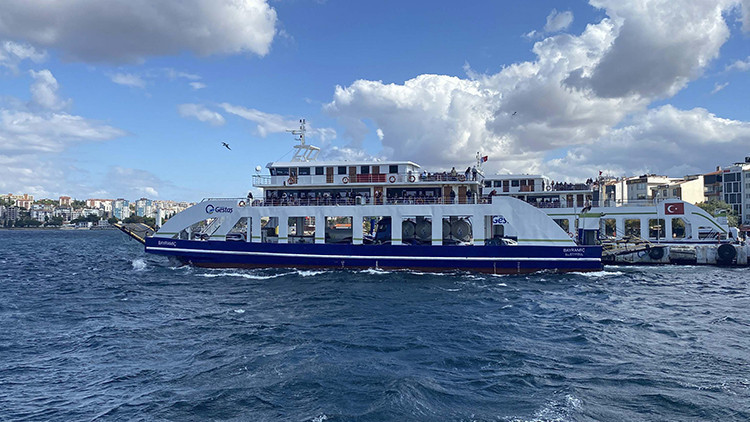
GESTAŞ Deniz Ulaşım A.Ş., operating under the umbrella of the Çanakkale Special Provincial Administration, serves as the primary maritime transit authority in the region. Maintaining operational integrity across these waters requires continuous monitoring of marine weather forecasts provided by meteorological authorities and coastal safety directorates. When wind speeds exceed established operational thresholds and sea conditions present heightened risks to vessel safety, standard maritime protocols dictate immediate intervention.
Ship captains and fleet managers evaluate real-time anemometer readings, swell forecasts, and visibility factors before issuing cancellation orders. In this instance, the atmospheric pressure gradients and forecasted gale-force wind velocities across the northern Aegean led safety authorities to determine that operating scheduled ferry runs would pose unacceptable risks to passengers, crew members, and transport infrastructure.
The cancellation of ferry services underscores the unique logistical dependencies faced by island communities. For both Gökçeada and Bozcaada, ferry connections serve as vital lifelines, enabling the daily movement of residents, essential commercial goods, emergency medical transit, and agricultural distribution. When ferry lines are suspended, the physical link between the islands and mainland municipal and commercial infrastructure is temporarily severed.

Gökçeada relies heavily on regular ferry operations out of Kabatepe for its food supply chains, fuel deliveries, postal services, and daily trade. Local businesses and agricultural producers depend on uninterrupted transit to transport regional products to mainland markets and to receive essential goods. Similarly, Bozcaada experiences immediate logistical adjustments whenever weather forces the suspension of the Geyikli ferry service. Vehicles carrying fresh produce, commercial freight, and operational supplies are frequently required to delay departures or queue at mainland ports until maritime operations resume.
Beyond commercial freight, ferry suspensions directly affect personal travel plans and regional commute patterns. Municipal authorities and local residents on both islands maintain close communication with maritime operators to stay informed regarding schedule adjustments, enabling them to alter travel itineraries or delay non-urgent trips. Emergency services on the islands maintain established contingency protocols during weather-induced ferry cancellations, coordinating with air-sea rescue units or emergency medical helicopters if urgent medical evacuations become necessary while sea routes remain closed.
The geography of the northern Aegean Sea creates a complex marine meteorological environment. Positioned near the mouth of the Dardanelles, the region acts as a primary corridor for atmospheric pressure systems moving between the Black Sea, the Sea of Marmara, and the broader Mediterranean Basin. During autumn and winter months, cold air masses descending from Eurasia frequently interact with warmer air over the Aegean Sea, producing steep pressure gradients that generate intense wind events.

These weather systems often produce sustained gale-force winds accompanied by heavy swells, breaking waves, and sea spray that significantly reduce surface visibility. Roll-on/roll-off ferries, characterized by large surface areas that are highly sensitive to wind pressure, become particularly vulnerable to wind drag and heavy rolling during such conditions. Under these circumstances, maintaining alignment with specialized shore ramps during harbor maneuvers becomes hazardous, prioritizing safety above operational schedules.
In light of the cancelled sailings, GESTAŞ has advised passengers and vehicle drivers to follow official communication channels for updates regarding service resumption. The operator routinely updates its digital portals, call center services, and public announcements to keep travelers informed of changes in weather conditions and potential timetable adjustments. Passengers holding advance travel arrangements for the affected routes are being provided with guidance and updates in accordance with standard maritime operating procedures.
GESTAŞ operational crews and port staff remain on standby across mainland terminals, monitoring coastal weather stations and evaluating sea conditions to prepare vessels for prompt redeployment as soon as the storm subsides. Harbor authorities at both Kabatepe and Geyikli continue to track real-time meteorological reports along the coast to determine when safe navigation can be restored.

Maritime officials note that while severe autumn weather in the northern Aegean frequently causes temporary schedule disruptions, ferry operations are generally restored as soon as gale-force winds subside and sea swells diminish to safe operational levels. GESTAŞ has indicated that scheduled ferry services on both the Kabatepe–Gökçeada and Geyikli–Bozcaada lines will resume as soon as atmospheric and sea conditions permit safe transit and berthing across all ports. In the meantime, local authorities and maritime operators remain focused on maintaining public safety and operational readiness until the storm system moves out of the region.