Turkey Technology Team Foundation and Huawei Turkey Sign Strategic Agreement to Cultivate High-Skilled Human Capital in Artificial Intelligence and Connect Youth with Global Technology Opportunities
ŞANLIURFA, Turkey — In a major move to bolster domestic digital capabilities and cultivate high-level talent, the Turkish Technology Team Foundation (T3 Foundation) and Huawei Turkey have signed a comprehensive strategic cooperation memorandum focused on the advancement of artificial intelligence. The agreement is aimed at equipping students, researchers, and emerging young professionals with the specialized knowledge, practical training, and international development opportunities needed to thrive in cutting-edge technology sectors.
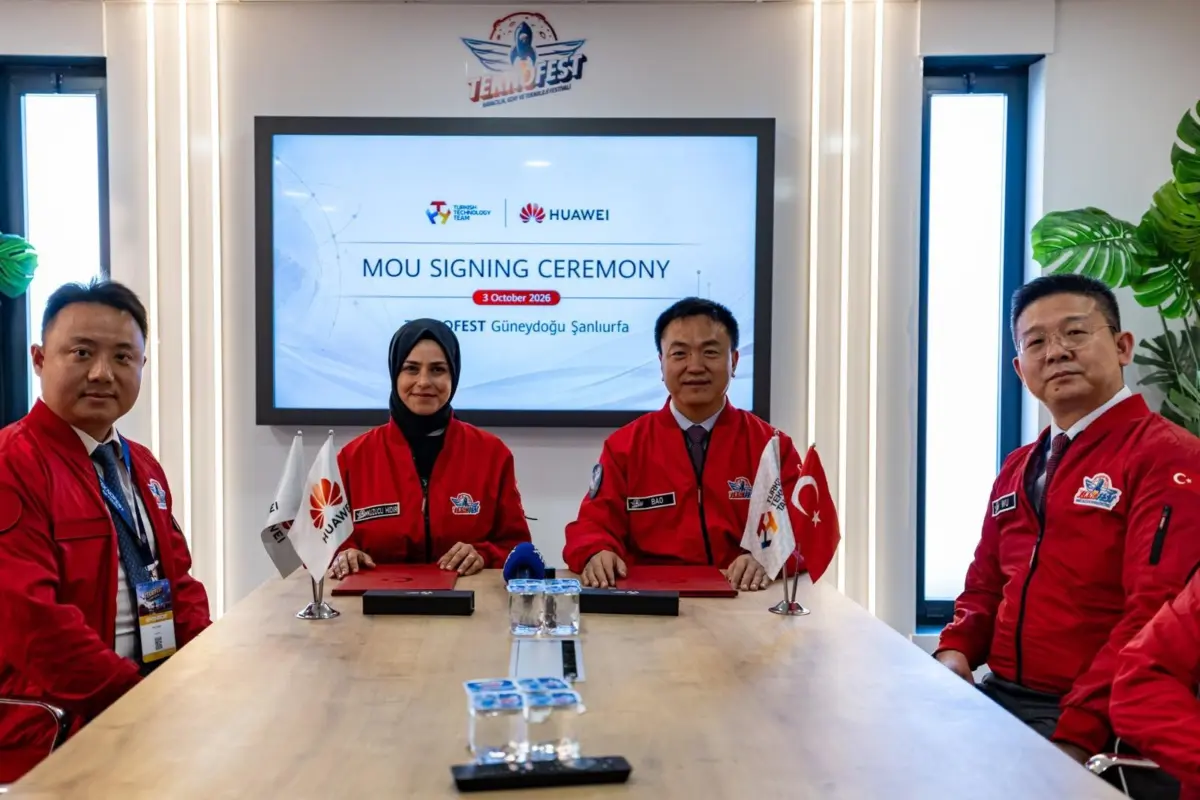
The memorandum was formalized during a signing ceremony held on October 3 in the southeastern province of Şanlıurfa, hosted against the backdrop of TEKNOFEST Southeastern Anatolia. By aligning their institutional strengths, the T3 Foundation—widely recognized for spearheading nationwide innovation showcases and grassroots aerospace initiatives—and Huawei Turkey, the local subsidiary of the global telecommunications and smart technology enterprise, committed to running collaborative initiatives designed to expand technical literacy and specialized AI competencies across Turkey.
The new strategic alliance directly interfaces with the ambitions laid out in Turkey’s National Artificial Intelligence Action Plan. Under this policy framework, state institutions, academia, and enterprise partners are working together to accelerate technological autonomy, build an indigenous digital ecosystem, and train thousands of skilled engineers and computer scientists to support an increasingly data-driven economy.
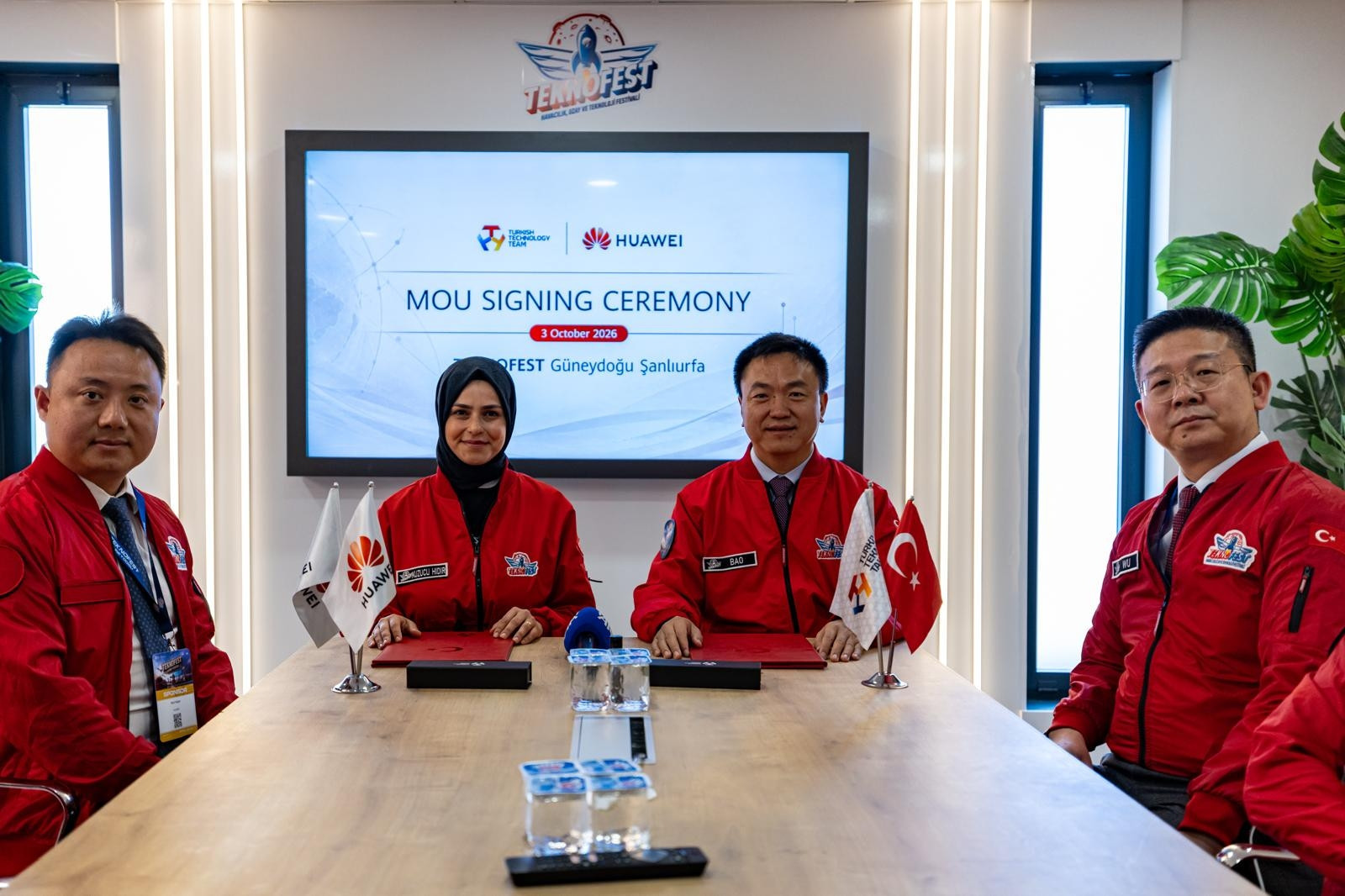
Leaders from both organizations emphasized that the transition to an artificial intelligence-centered economy demands not only heavy investments in infrastructure and compute power, but also sustained, systemic focus on human capital. Dr. Elvan Kuzucu Hıdır, Chairman of the Board of the T3 Foundation, highlighted the broader societal implications of AI development during remarks delivered at the ceremonial gathering.
"Artificial intelligence is far more than simply one of the most prominent technologies shaping the future; it possesses immense potential to generate tangible solutions for the complex problems facing humanity and to open up transformative new horizons," Dr. Hıdır stated.
Dr. Hıdır underlined that translating the theoretical promise of modern technology into real-world benefits requires a robust foundation of human ingenuity. She noted that cutting-edge computational tools remain limited without qualified, ethically grounded practitioners who can effectively guide their development and deployment for the public good.
"The realization of this profound potential depends entirely on cultivating a qualified workforce—people who can understand technology intimately, build upon it, and steer its power for the betterment of society," Dr. Hıdır explained. "As the T3 Foundation, our primary institutional priority has always been to guarantee that our youth have seamless access to the tools, platforms, and educational infrastructure they require throughout their entire journey, from early dreaming to hands-on production, and from continuous learning to innovative engineering."

Reflecting on the long-term scope of the partnership, Dr. Hıdır described the alliance with Huawei Turkey as a cornerstone project for empowering younger generations to step onto the international stage as active contributors rather than passive consumers of foreign technology.
"We view this strategic collaboration as an indispensable step that will enhance our young people’s expertise, grant them valuable exposure to global benchmarks and practices, and help them emerge as authoritative voices with a genuine say in the international artificial intelligence arena," she added.
The initiative reflects Huawei’s continued efforts to expand its academic and technical outreach across Turkey, where it maintains research and development units alongside commercial operations. Tonny Bao, Chief Executive Officer of Huawei Turkey, framed the joint undertaking as an enduring investment in Turkey’s domestic knowledge economy and talent pipeline.
"We take immense pride in partnering with the T3 Foundation to nurture qualified, high-level human capital in the field of artificial intelligence across Turkey," Bao said in his address regarding the newly established memorandum.

Bao reiterated Huawei Turkey’s dedication to supporting regional educational initiatives, highlighting that sustainable technological progress relies on bridging industry practices with classroom learning. He pointed out that bringing multinational resources into local education systems provides young talents with a competitive edge in an evolving global labor market.
"This memorandum of understanding stands as a clear manifestation of Huawei’s enduring, long-term commitment to enriching Turkey’s digital talent ecosystem," Bao remarked. "By connecting students and rising professionals in Turkey with advanced computational technologies, comprehensive educational resources, and international pathways for development, we will actively assist them in securing the vital capabilities demanded by the artificial intelligence era."
Under the framework agreed upon in Şanlıurfa, the two organizations plan to roll out joint educational workshops, curriculum enhancements, specialized training modules, and technical mentorship sessions. These activities are designed to dismantle traditional barriers between foundational academic study and the rapid, real-time advancements taking place inside the international technology sector. Through direct exposure to advanced technology platforms, participants will be encouraged to engage in practical problem-solving exercises, testing their models and algorithms against realistic industry scenarios.
The strategic program places particular emphasis on transforming the educational experience of students and early-career specialists from simple observation to direct creation. By granting participants streamlined access to modern training materials, state-of-the-art software systems, and updated technical documentation, the project aims to cultivate a generation capable of building innovative models, developing independent software solutions, and contributing original intellectual property to the global open-source and proprietary software landscapes.

The initiative also aligns closely with the foundational philosophy of TEKNOFEST, the nationwide aerospace, technology, and engineering gathering organized annually by the T3 Foundation in partnership with public and private stakeholders. Over recent years, TEKNOFEST has evolved into a prominent incubator for technological interest among Turkish youth, drawing hundreds of thousands of student participants across numerous competitive technical tracks, ranging from unmanned aerial vehicles to autonomous ground transportation and artificial intelligence in healthcare.
Hosting the signing ceremony during TEKNOFEST Southeastern Anatolia highlighted an intentional focus on extending advanced technological education beyond major industrial hubs such as Istanbul and Ankara. By anchoring the agreement in Şanlıurfa, the partners emphasized their shared goal of decentralizing access to technological learning, thereby enabling promising students from all corners of the country to participate directly in national digital transformation efforts.
As modern software development moves increasingly toward deep learning, natural language processing, predictive analytics, and computer vision, access to global expertise has become a defining factor in talent readiness. The collaboration between the T3 Foundation and Huawei Turkey seeks to fulfill this requirement by offering young engineers practical insights into enterprise-scale computational deployment, network infrastructure, and high-performance computing frameworks.
Moving forward, the collaborative projects planned under the agreement will work toward measurable milestones defined within the National Artificial Intelligence Action Plan, including an expanded domestic pool of data science researchers, increased collaboration between international technology providers and domestic civic foundations, and heightened youth participation in technical fields. By systematically blending foundational classroom learning with multinational industry perspectives, the partnership seeks to ensure that Turkey’s emerging engineering workforce is well-prepared to contribute to the global digital economy.