Preparing desserts without turning on an oven has increasingly become a preferred method in home cooking, offering practicality without compromising on flavor, texture, or visual appeal. For many home chefs and dessert lovers, stovetop cooking and chilled confectionery provide an expansive range of choices suited for everyday enjoyment as well as celebratory gatherings. From silky milk-based puddings deeply rooted in classical palace traditions to vibrant, fruit-forward modern favorites and crisp, syrup-soaked street delicacies, oven-free preparations demonstrate that exquisite dessert craftsmanship requires neither baking pans nor lengthy preheating times.
A curated collection of ten standout sweet recipes illustrates how simple pantry essentials, stovetop techniques, and chilling processes can produce an impressive variety of textures. These range from the delicate chew of Asian street fare to the caramelized crusts of centuries-old regional puddings, highlighting the versatility of desserts prepared entirely on the stove or served chilled straight from the refrigerator.
The Versatile World of Stovetop and Chilled Confections
For generations, culinary traditions have relied on direct heat and gentle cooling methods to craft some of the world’s most enduring sweet plates. Milk-based sweets, frequently referred to in Mediterranean and Middle Eastern cuisines as foundational comfort food, rely primarily on the careful thickening of milk, starch, and sweeteners over an open burner. At the same time, regional adaptations of international favorites continue to expand the scope of what can be accomplished without the dry heat of an oven.

Whether aiming to satisfy sudden sweet cravings or preparing an elaborate finale for dinner guests, these ten desserts offer dependable results, distinct textures, and timeless appeal across dining tables.
Saray Sarması
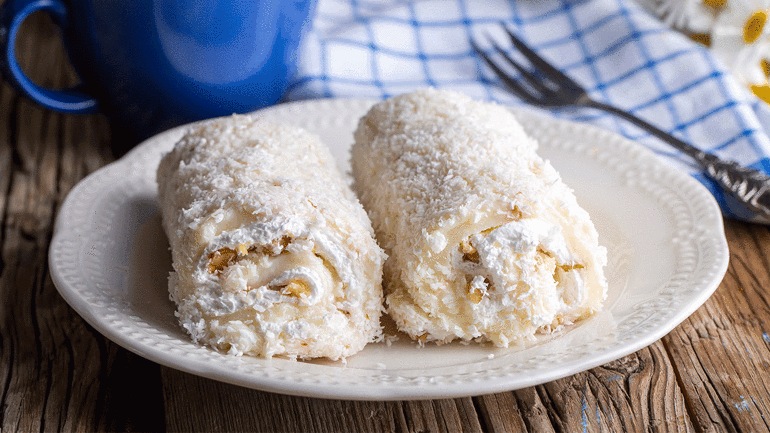
Saray sarması, or palace roll, holds a revered position among light milk puddings, frequently served during traditional afternoon tea hours and formal dinner gatherings. What makes this dessert particularly appealing to home cooks is its swift preparation on the stovetop paired with its elegant rolled presentation.

The base consists of a soft, velvety pudding spread evenly over a prepared tray, often layered over a fine dusting of shredded coconut or biscuit crumbs that prevent sticking. Once chilled, the pudding retains a tender, pliable consistency that rolls smoothly without cracking or tearing. The result is a light, melt-in-the-mouth profile that provides a consistently dependable dessert when hosting guests, delivering the grandeur of palace-inspired confectionery in minimal preparation time.
Strawberry Tiramisu
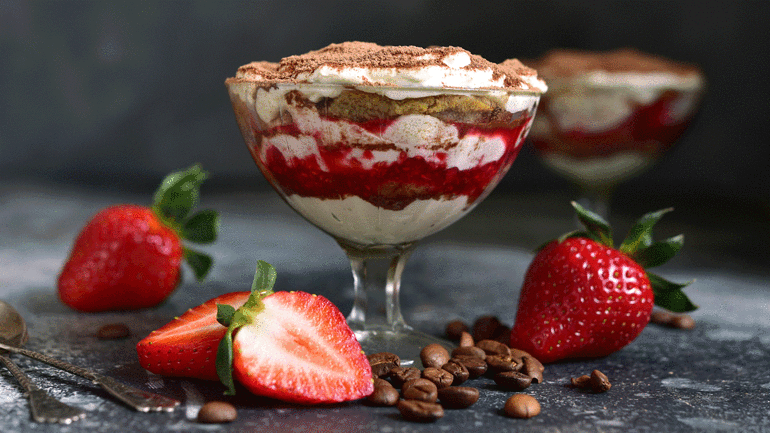
Merging the beloved architecture of Italy’s classic coffee-infused specialty with the freshness of seasonal fruit, strawberry tiramisu serves as a bright, modern alternative to conventional chilled desserts. The preparation bypasses baking altogether by relying on crisp ladyfinger biscuits that soften upon contact with coffee.

In this rendition, the coffee-soaked biscuits are layered beneath a silky mascarpone cream and complemented by a homemade strawberry sauce. The tartness and perfume of fresh strawberries counteract the richness of the sweet dairy layers. Assembled in glassware or serving dishes, the contrasting red and cream layers make an immediate impression at the table, offering an appetizing option that balances rich European café culture with summer fruit freshness.
Keşkül
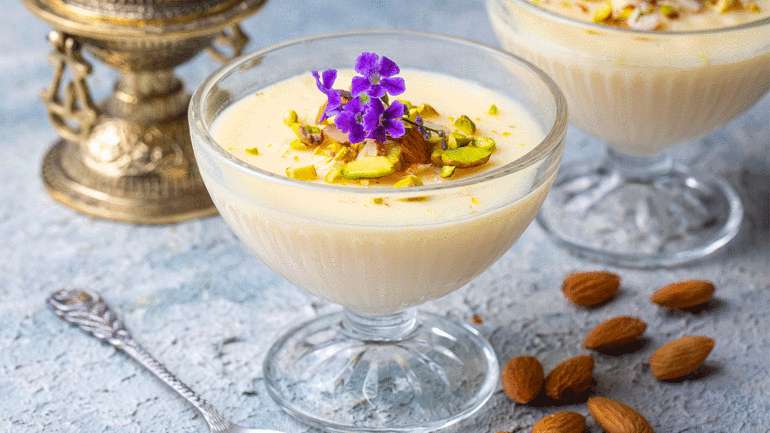
Among the deeply historical milk-based sweets, keşkül represents a classic heritage recipe that continues to provide an elegant solution to sweet cravings. Originating as a traditional almond pudding, its signature profile comes from finely ground almonds combined with milk, sugar, and thickening agents cooked over a steady flame.
The true appeal of keşkül lies in its texture, which achieves a balance between lightness and substantial density. The aromatic quality of the almonds infuses the entire cream, resulting in a gentle, nutty richness that sets completely as it cools in individual bowls. Often garnished with crushed pistachios or slivered almonds, it remains a quintessential stovetop dessert that requires humble attention at the burner but yields a refined result.
Strawberry Magnolia
Few chilled desserts have achieved such widespread contemporary popularity in casual dining and home kitchens as magnolia pudding, particularly when paired with strawberries. Known for its ultra-smooth custard base and attractive layered appearance, strawberry magnolia provides a light, effortless treat for tea tables and social gatherings.
The dish is assembled by combining a smooth stovetop vanilla custard with crushed biscuits and thinly sliced fresh strawberries arranged against the transparent sides of cups or jars. Made from accessible household ingredients and completed in very little time, the dessert draws its strength from the interplay between the crisp biscuit crumbs, the velvety pudding, and the bright acidity of the sliced fruit, delivering a refreshing profile without requiring baking equipment.
Lemon Dessert
Lemon dessert stands out as an invigorating option characterized by its bright citrus flavor and smooth cream, making it a natural fit for warm days and post-dinner courses. Prepared with minimal effort on the stovetop, the dish brings a vibrant visual aesthetic that instantly refreshes the palate.
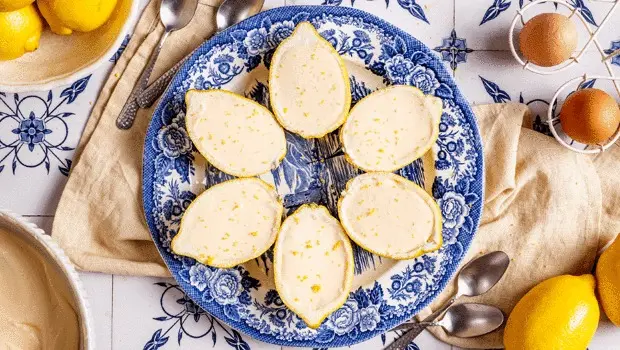
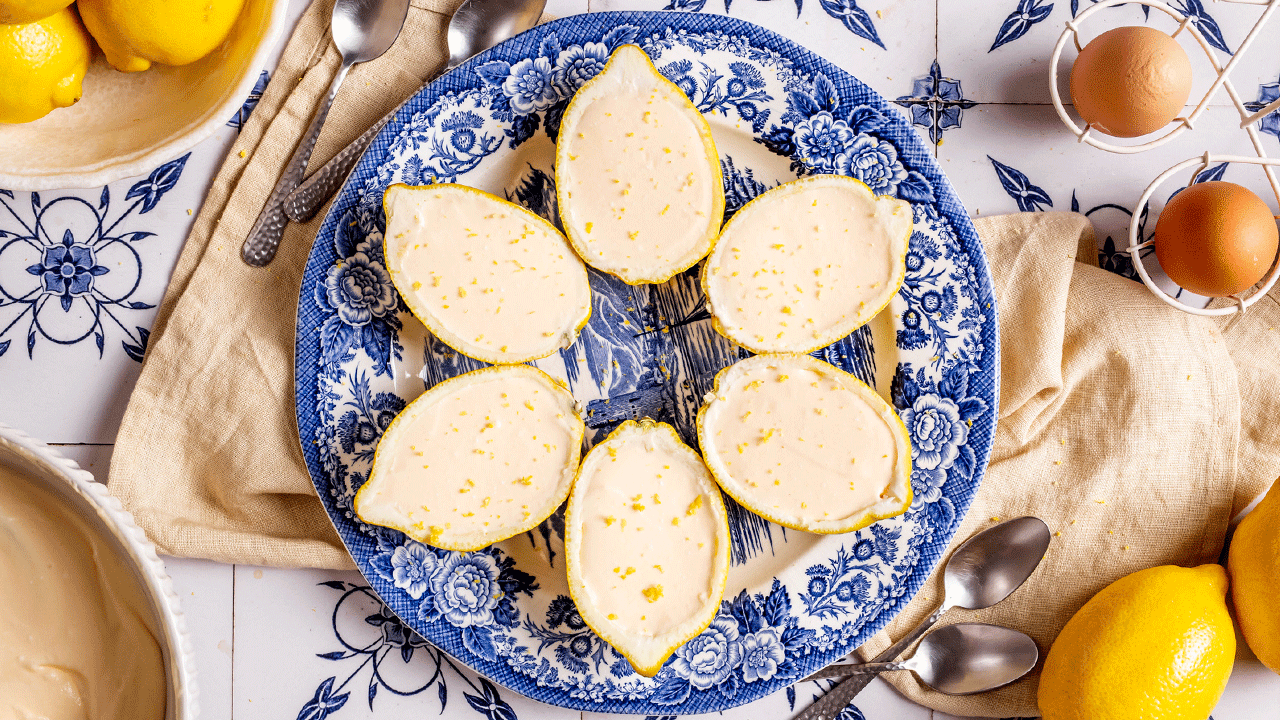
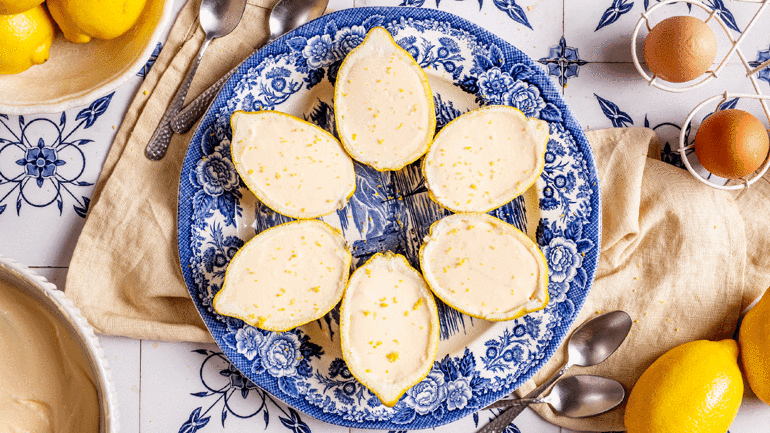
A particularly striking presentation for this dessert involves serving the silky lemon cream directly inside hollowed-out lemon halves. Once the citrus cream is cooked, poured into the lemon shells, and left to chill thoroughly in the refrigerator, it creates an elegant, self-contained portion. Served cold, this dessert blends refreshing tartness with a delicate, velvety finish that enhances any tea or dining spread.
Ice Cream Mochi
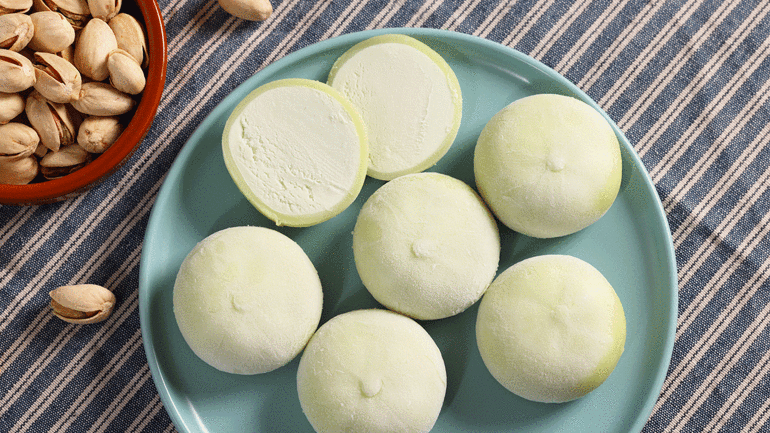
Highlighting the culinary artistry of Far Eastern confectioneries, mochi stuffed with ice cream has become a globally appreciated stovetop and freezer specialty. Crafted from glutinous rice flour, the exterior wrapper develops an elastic, chewy texture through gentle cooking and kneading before being wrapped around frozen centers.

In this particular preparation, the tender mochi skin encases a rich pistachio ice cream filling. The contrast between the soft, chewy rice exterior and the cold, nutty center makes mochi an innovative choice to pair alongside hot tea or coffee. It serves as an example of how distinct regional dessert techniques can create memorable textures without relying on conventional baking practices.
Traditional Chicken Breast Pudding (Gerçek Tavuk Göğsü)
Among the most distinctive and historically significant milk puddings in Ottoman-Turkish gastronomy is authentic tavuk göğsü, or real chicken breast pudding. Widely regarded as a pinnacle of traditional milk confections, this dish maintains an enduring following among dessert connoisseurs who appreciate its unique culinary heritage.
Unlike simple milk puddings, the authentic recipe incorporates finely shredded, boiled breast meat from fresh poultry, which is rinsed thoroughly until odorless and worked into the milk, sugar, and starch mixture over heat. Through continuous stirring, the meat fibers dissolve completely into the pudding, imparting a characteristic elastic, taffy-like chewiness rather than a meaty taste. Cooked strictly using time-tested stovetop methods while staying true to its original formulation, this dessert remains an unforgettable staple of historic sweet shops.
Halka Tatlısı
For those who lean toward the crispy, syrup-laden side of the confectionery spectrum, halka tatlısı—or ring dessert—delivers a crunchy, golden alternative to delicate dairy creams. Long celebrated as a popular street food classic, this fried pastry provides a satisfying snap and sweet finish without ever entering an oven.
The dough, carefully mixed and cooked on the stove before being piped through a star-tipped nozzle into hot oil, fries into rigid, ridged circular rings. Immediately upon leaving the fryer, the hot pastries are plunged into cold sugar syrup, creating a distinct dynamic where the outer shell stays crunchy while absorbing the sweet nectar within. Capable of rivaling any commercial pastry shop purchase, freshly prepared ring pastry serves as an enticing solution for sweet cravings at any gathering.
Su Muhallebisi
Su muhallebisi, or water pudding, represents one of the purest, most delicate preparations in the realm of traditional stovetop puddings. Valued for its exceptionally light nature and silky mouthfeel, the pudding serves as a soothing, gentle finish to any meal.
Formed from a simple combination of milk, water, and starch cooked until smooth and set in a shallow pan, the pudding is cut into portions once fully chilled. The defining character of su muhallebisi emerges at the moment of serving, when it is generously dusted with powdered sugar and drizzled with fragrant rose water. The floral perfume of the rose water combined with the cool, clean texture of the pudding delivers an aromatic dining experience that highlights the elegance of minimal ingredients.
Kazandibi
Holding an indispensable position in dessert culture, kazandibi—literally meaning the bottom of the cauldron—owes its fame to its caramelized base and distinctively elastic texture. Derived from the tradition of rich milk puddings, it remains one of the most widely sought-after treats in confectionery parlors.

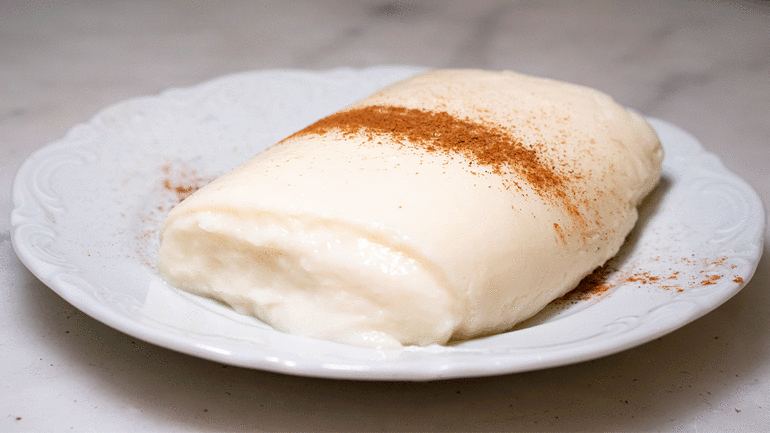
The preparation involves spreading a dense, thickened milk pudding onto a wide, shallow tray and deliberately allowing the bottom layer to scorch gently over direct heat, creating a deep golden-brown, caramelized crust. Once the bottom develops its rich flavor, the tray is cooled completely, allowing the pudding to be sliced into strips and rolled with the caramelized surface facing outward. The slight bitterness of the browned crust cuts through the sweetness of the chewy, taffy-like interior, ensuring kazandibi’s lasting status as an absolute favorite among stovetop milk sweets.