
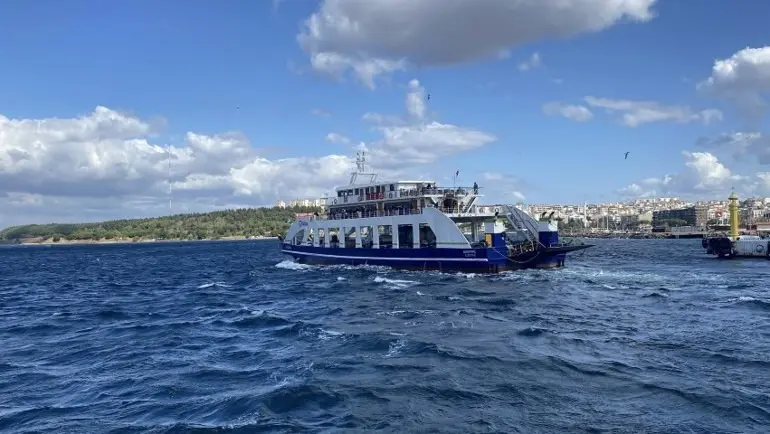
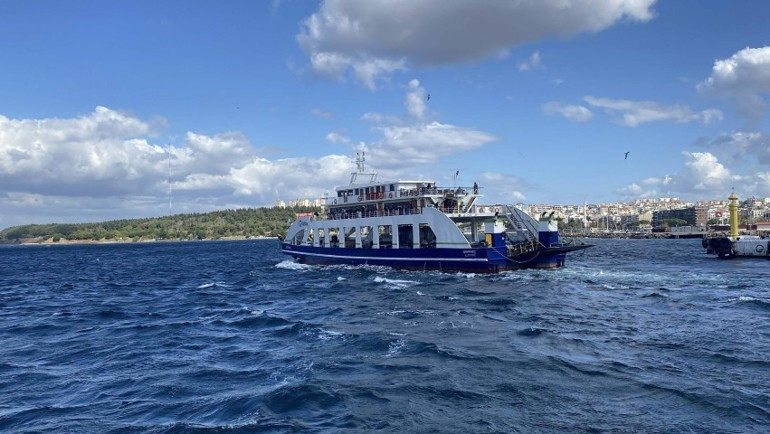
ÇANAKKALE — Severe weather conditions sweeping across the northern reaches of the Aegean Sea have dealt a significant blow to regional maritime transport, forcing local authorities to pull vehicle and passenger ferries from service. GESTAŞ, the primary maritime transport authority operating across the Dardanelles Strait and northern Aegean island routes, officially announced the cancellation of all scheduled ferry sailings to Gökçeada and Bozcaada for tomorrow due to violent storm conditions making sea passage unsafe.
The official statement, issued from Çanakkale, confirms that severe atmospheric instability and dangerous maritime conditions throughout the northern Aegean corridor have prompted a complete halt to scheduled trips on key island connections. The decision directly impacts thousands of island residents, mainland commuters, commercial transport drivers, and seasonal travelers who rely daily on these crucial maritime lifelines.
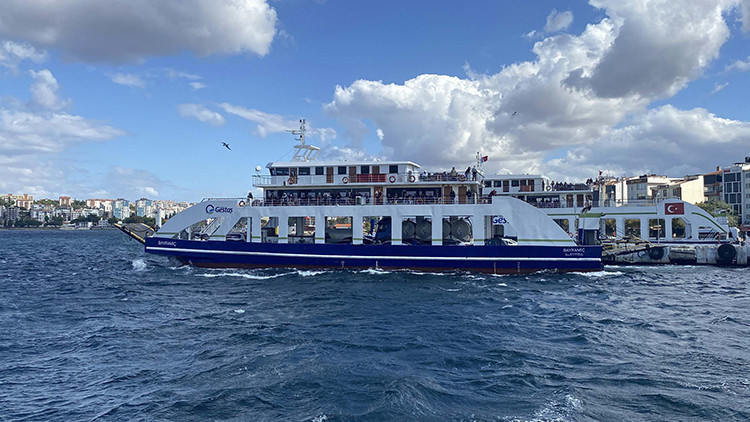
Severe Weather Forces Full Suspension of Island Sailings
The operational disruption centers on two of Turkey’s most prominent Aegean island destinations: Gökçeada, the country’s largest island situated near the entrance of the Saros Gulf, and Bozcaada, located further south near the mouth of the Dardanelles Strait.
According to official notifications released by GESTAŞ Deniz Ulaşım A.Ş., the preemptive cancellation applies to all scheduled departures on both major routes connecting the mainland to the islands:
- Kabatepe – Gökçeada Line: All ferry departures between the Kabatepe ferry terminal, situated on the historic Gallipoli (Gelibolu) Peninsula, and Kuzu Port on Gökçeada have been canceled for the entire day tomorrow.
- Geyikli – Bozcaada Line: All scheduled trips between the Geyikli ferry terminal, located in the Ezine district of mainland Çanakkale, and the central port of Bozcaada have likewise been called off.
Maritime officials stressed that the decision to halt operations across both lines was made following comprehensive assessments of sea states, predicted wind velocities, and harbor visibility. High wave swells and gale-force wind vectors in open waters pose serious hazards to vessel maneuvering, vehicle stability on open decks, and safe passenger boarding procedures.
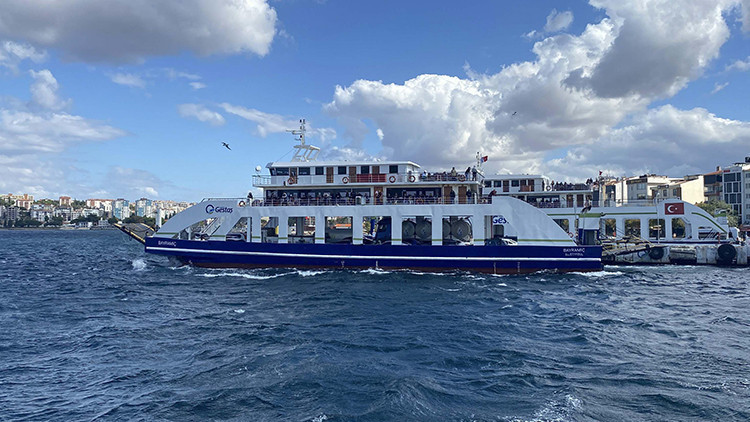
The announcement was widely disseminated across official digital platforms, mobile notification networks, and regional transit hubs to give travelers advance notice and minimize congestion at mainland ports.
Navigational Challenges and Meteorological Dynamics in the North Aegean
The northern Aegean Sea is notoriously vulnerable to sudden and intense weather shifts, particularly during seasonal transitions when high-pressure systems over Southeastern Europe clash with warmer maritime air masses. Strong northeasterly and southwesterly gales frequently funnel through the Dardanelles Strait and open marine corridors, generating rapid atmospheric pressure gradients.
For maritime operators like GESTAŞ, navigating the waters between the mainland and the islands demands continuous real-time monitoring of wave heights and wind directions. The sea routes serving Gökçeada and Bozcaada present distinct hydrographic and navigational challenges during severe weather events:

- The Kabatepe–Gökçeada Passage: This route requires vessels to traverse open Aegean waters over a distance of several nautical miles. The passage exposes car ferries to unobstructed open-sea swells, where beam seas can create severe rolling motions. Entering and mooring at Gökçeada’s Kuzu Port during high gales requires precise vessel handling, as narrow harbor entrances offer limited room for maneuvering when heavy sea swells break near the breakwaters.
- The Geyikli–Bozcaada Passage: While geographically shorter, the channel separating Bozcaada from the mainland experience intense local wind funneling. Strong sea currents moving south from the Dardanelles combine with gale-force winds to create short, steep chop. These rough water conditions can compromise the safe docking of roll-on/roll-off (Ro-Ro) vessels against municipal piers.
Under such extreme conditions, standard car and passenger ferries face elevated risks, including hull distress, cargo displacement, vehicle damage from movement on vessel decks, and extreme difficulty during docking procedures. Consequently, preemptive operational cancellations remain standard protocol to eliminate risks to human life and vessel infrastructure.
Island Connectivity and the Socio-Economic Impact on Gökçeada and Bozcaada
Ferry cancellations of this magnitude inevitably ripple through the daily lives and local economies of both Gökçeada and Bozcaada. Unlike mainland coastal settlements connected by extensive highway networks, island communities rely entirely on maritime transit for every aspect of modern infrastructure and civil supply.
Logistics and Supply Chain Continuity
The suspension of ferry services effectively isolates the islands from the mainland mainland logistics grid. Daily supply chains that feed local markets, bakeries, pharmacies, and commercial enterprises are temporarily halted. Key cargo transported across these lines includes:

- Fresh food produce, meat, and dairy supplies delivered daily from mainland agricultural hubs.
- Commercial freight, fuel tankers, and construction materials destined for island development projects.
- Postal services, parcel delivery networks, and municipal waste management transfers.
While island residents are accustomed to seasonal weather disruptions and local businesses typically maintain emergency reserves of essential commodities, prolonged multi-day sea closures can lead to localized shortages of perishable goods.
Commuters and Emergency Services
The disruptions also impact daily passenger movement. Residents traveling to mainland Çanakkale for specialized medical appointments, civil service duties, university instruction, or banking services find themselves stranded on either side of the passage. Emergency medical evacuations, which are normally facilitated via dedicated maritime ambulances or priority ferry passages, must rely on alternative contingency plans, such as military or coast guard air support when sea conditions preclude safe vessel navigation.
Furthermore, autumn travelers and tourists visiting the islands for weekend getaways or seasonal harvest events must modify their itineraries. Local accommodation providers and municipal authorities in both Gökçeada and Bozcaada recommend that visitors remain indoors during peak storm hours and refrain from gathering near exposed breakwaters or sea cliffs, where rogue waves pose severe safety risks.

Maritime Safety Protocols and Operational Announcements
GESTAŞ operates under strict safety guidelines regulated by the Turkish Ministry of Transport and Infrastructure, the Directorate General of Coastal Safety, and regional harbor master authorities. Decisions regarding service suspensions are made dynamically based on meteorological updates provided by the Turkish State Meteorological Service (MGM).
Company officials reiterated that passenger safety remains the absolute priority in all operational decisions. While service interruptions cause unavoidable inconvenience to the public, sailing into storm-force conditions contravenes fundamental maritime safety regulations.
Passenger Recommendations and Updates
GESTAŞ has urged all passengers and vehicle drivers holding reservations or planning travel along the island lines to closely follow official communication channels for real-time status updates:
- Official Website and Mobile Apps: Travel alerts, real-time schedule modifications, and resumption announcements are published continuously on GESTAŞ’s official online portal.
- Call Center Support: Travelers can contact customer support hotlines to verify vessel availability before traveling to mainland port terminals in Kabatepe or Geyikli.
- Terminal Alerts: Physical display boards and public address systems at port facilities are continuously updated to inform drivers who may already be en route to terminal zones.
Maritime authorities will continue to assess weather developments throughout the storm period. Once wind velocities subside to safe operating thresholds and sea states stabilize, harbor masters will re-evaluate conditions to permit the safe resumption of ferry crossings on both the Kabatepe–Gökçeada and Geyikli–Bozcaada lines.