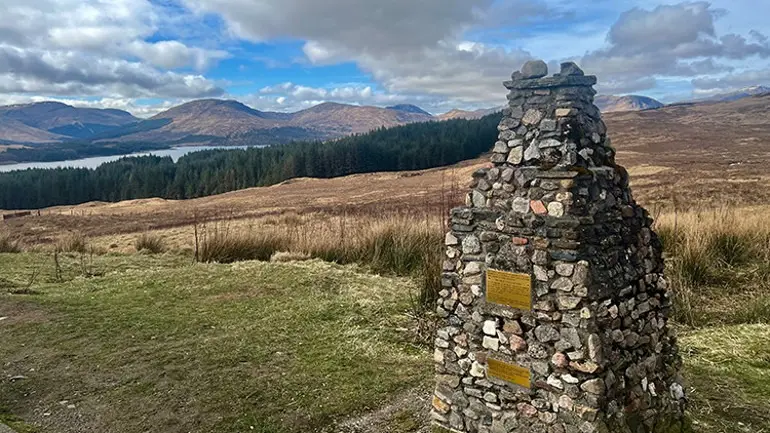
With its mist-shrouded valleys, towering mountain ranges, ancient fortresses, and serene, fairytale lochs, Scotland undergoes a remarkable visual transformation during the autumn months. The country’s notoriously changeable weather—marked by sudden rain squalls, sweeping winds, and sunbeams piercing through heavy cloud cover—frequently yields brilliant rainbows that paint the rugged landscape. Beyond its breathtaking physical geography, Scotland remains deeply defined by its turbulent history with England, its rich clan heritage, the haunting echo of bagpipes, traditional kilts, and its world-renowned whisky production.
To fully experience this captivating environment, travelers must venture beyond urban centers and explore the country from coast to coast. Following two days exploring the historic streets of Edinburgh, a 2,000-kilometer clockwise road trip through the Scottish Highlands offers an immersive journey through the untamed heart of northern Britain, uncovering centuries of history and dramatic autumn vistas.
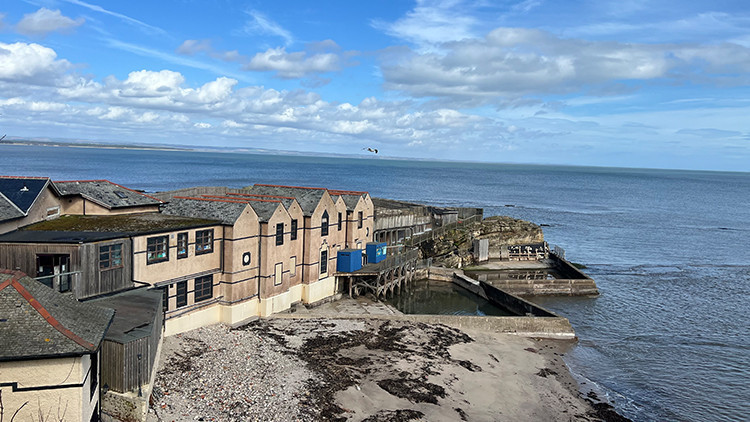
Loch Lomond and Luss: A Study in Autumnal Contrasts
Leaving the capital city of Edinburgh behind, the route heads northwest toward the sprawling expanse of Loch Lomond and The Trossachs National Park. Covering nearly 2,000 square kilometers, this national park is a prized natural gem of the country, drawing outdoor enthusiasts, hikers, and anglers keen to fish for local trout and salmon.
Navigating Scotland’s wild terrain requires constant flexibility, as shifting weather patterns mean travel plans must often adapt on a moment’s notice. Upon reaching the southern banks of Loch Lomond, heavy downpours and low-hanging clouds rapidly rolled over the landscape, almost entirely concealing the 40-kilometer-long lake beneath a dense blanket of fog.

Despite the gloom, the picturesque village of Luss, situated on the loch’s western shore, offered a striking counterpoint to the weather. The village’s traditional cottages, built from muted brown-grey sandstone, were framed by vibrant, colorful flower gardens that stood out brilliantly against the overcast skies and misty mountain backdrop. A walk to the end of the village pier provided an unforgettable view of the atmospheric loch, demonstrating how Scotland’s charm persists even in the dampest conditions.
Oban: The Bustling Gateway to the Western Isles
Continuing west along the circuit brings travelers to Oban, a vibrant coastal town with a population of approximately 8,500. Serving as the primary maritime gateway to the Hebrides, Oban maintains a constant bustle of ferry traffic connecting the mainland to islands such as Mull, Barra, and Colonsay.

Thanks to its compact layout, Oban is easily explored on foot. The town’s heart revolves around its lively harbor district, reached by meandering through streets lined with small art galleries and local shops. Along the waterfront, the fresh scent of sea air and fresh seafood fills the air. Looking back toward the town skyline, two dominant landmarks command attention: the historic Oban Distillery, nestled near the center, and McCaig’s Tower, which sits like a crown atop the hills overlooking the bay. Modeled after the Colosseum in Rome, this prominent 19th-century granite monument features 94 distinct arches and remains the town’s most recognizable architectural icon.
Glencoe: Natural Splendor in the "Valley of Tears"
Driving northeast from Oban leads into Glencoe, universally recognized as one of Scotland’s most magnificent and dramatic natural wonders. Characterized by sheer mountain slopes, narrow rocky passes, cascading waterfalls, and the winding currents of the River Coe, the glen possesses an almost cinematic grandeur. Indeed, its sweeping topography has served as the backdrop for major film productions, including Braveheart, Highlander, and the Harry Potter series.

Yet, behind Glencoe’s breathtaking aesthetic lies a dark and tragic past. Often referred to as the "Valley of Tears," the glen was the site of the infamous 1692 Glencoe Massacre, in which members of the Campbell clan murdered their hosts, the MacDonald clan, following a period of extended hospitality.
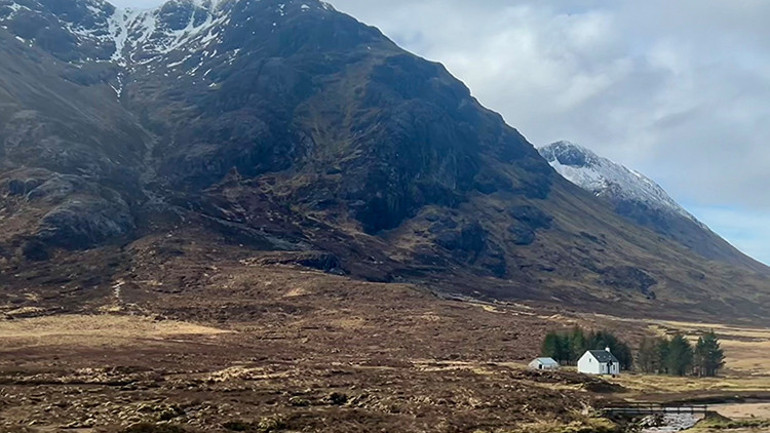
Nestled within this wild landscape stands a lonely structure known worldwide as the "Wee White House." Officially named Lagangarbh Hut (or Lagangarbh Cottage), this isolated white building sits directly at the base of Buachaille Etive Mòr—a striking, pyramid-shaped mountain—and near the banks of the River Coupall. Visible from the main A82 road, the small cottage offers a stark human contrast to the vast, imposing mountain wilderness that surrounds it.
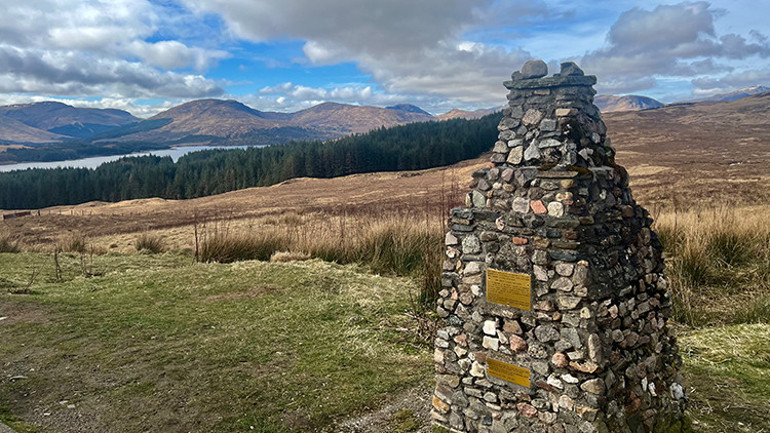
Fort William and the Historic Fortress of Inverlochy
Further along the route lies Fort William, a major Highland town resting at the foot of Ben Nevis, the highest peak in the British Isles. The town also marks the official northern terminus of the West Highland Way, a famed 165-kilometer long-distance walking trail that traverses the country’s rugged western terrain.
When relentless autumn rains render mountain ascents up Ben Nevis impractical, nearby historical sites provide an ideal alternative. Just outside the town lies Old Inverlochy Castle, a 13th-century fortress that played a strategic role in Scotland’s long history of feudal warfare. Though large portions of the castle now stand in ruins, its enduring stone curtain walls and corner towers offer visitors an intriguing glimpse into the region’s medieval defensive architecture.
In the Footsteps of the Hogwarts Express: Glenfinnan Viaduct
A short 30-minute drive west from Fort William leads to Glenfinnan, a site of immense significance for history enthusiasts and cinema fans alike. Here, the impressive Glenfinnan Viaduct stretches roughly 380 meters across a lush green valley, supported by 21 soaring concrete arches. The viaduct remains famous worldwide as the route taken by the Jacobite steam train—the real-life inspiration for the Hogwarts Express in the Harry Potter film franchise.
Reaching the primary viewing area requires a brief five-minute walk from the visitor center. However, travelers taking shelter beneath the massive concrete arches during damp weather should be prepared for Highland midges—the tiny, biting insects notorious throughout the region in wet conditions. Climbing the footpaths above the viaduct rewards visitors with a classic postcard view, framing the Glenfinnan Viaduct, the waters of Loch Shiel, and the historic Glenfinnan Monument in a single sweeping vista.
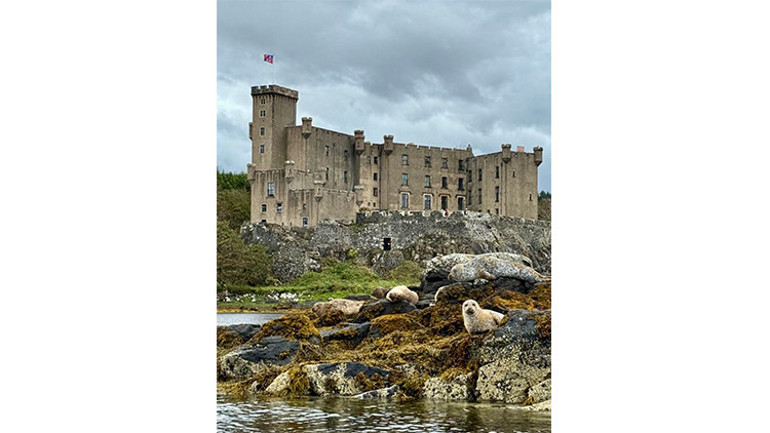
Eilean Donan: Scotland’s Most Photogenic Fortress
Before crossing onto the Isle of Skye, the route passes one of Scotland’s most photographed landmarks: Eilean Donan Castle. Situated on a small tidal island where three sea lochs meet at Loch Duich, the castle is connected to the mainland by an arched stone footbridge. During high tide, the surrounding water completely encircles the island, creating an enchanting, floating appearance.
With origins dating back to the early 13th century, the castle has been meticulously restored over the years. Inside, visitors can wander through banquet halls, historic bedrooms, and recreated castle kitchens, gaining insight into the daily lives, defensive strategies, and domestic routines of the Highland clans who once inhabited the fortress.
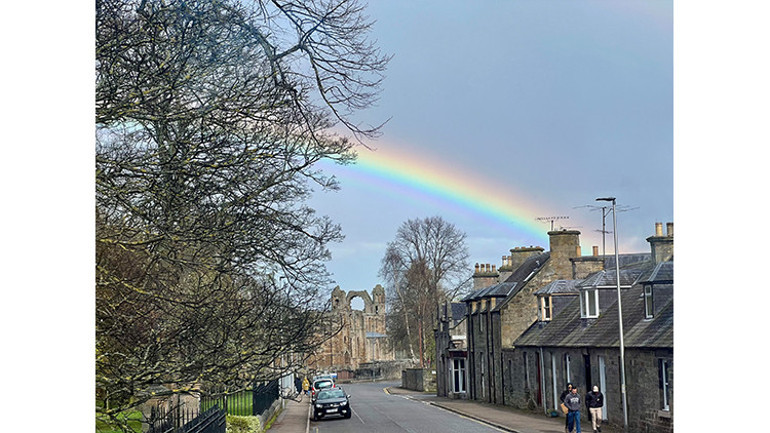
The Isle of Skye: Shifting Landscapes and Dramatic Coastlines
Crossing the sweeping Skye Bridge brings travelers to the Isle of Skye, the largest and most famous of the Inner Hebrides. Renowned for its folklore, legendary glens, and whisky production, Skye is equally infamous for its volatile microclimates. Weather conditions on the island can shift within a matter of minutes; bright sunlight may bathe one coastal peninsula while severe rain and dense fog envelop a valley just a few kilometers away. On any given day, the jagged Cuillin Hills to the south may vanish entirely into the clouds, even as the northern coast enjoys clear skies.
At the heart of the island lies Portree, a charming harbor town distinguished by its row of brightly painted coastal houses and active fishing port, offering a welcoming shelter from the elements.
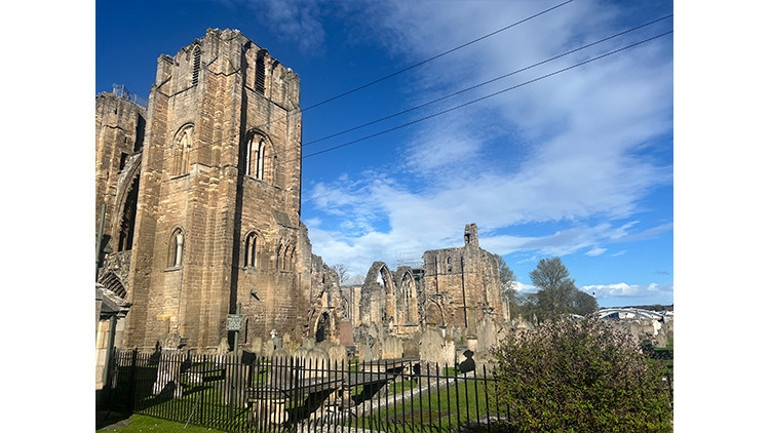
Beyond the town, Skye hosts several extraordinary natural landmarks:
- The Old Man of Storr: A towering, solitary basalt pinnacle rising above the Trotternish ridge. It is accessed via one of the island’s most popular hiking trails, covering approximately 4 kilometers round-trip from the trailhead parking area.
- Lealt Falls: A dramatic coastal waterfall easily accessible via a short walking path, offering expansive views of the surrounding cliffs and sea.
- Kilt Rock and Mealt Falls: A dramatic sea cliff composed of vertical basalt columns that resemble the pleats of a Scottish kilt. Formed by volcanic activity 60 million years ago—an area where dinosaur footprints have also been discovered—the cliff features Mealt Falls, a waterfall that plunges straight over the edge into the sea below.
Chasing Myths at Loch Ness
Leaving the Isle of Skye and returning to the mainland, the road heads east toward Loch Ness, home to one of the world’s most enduring mysteries. For generations, this vast, dark body of water has been associated with the legend of "Nessie," the elusive Loch Ness Monster.
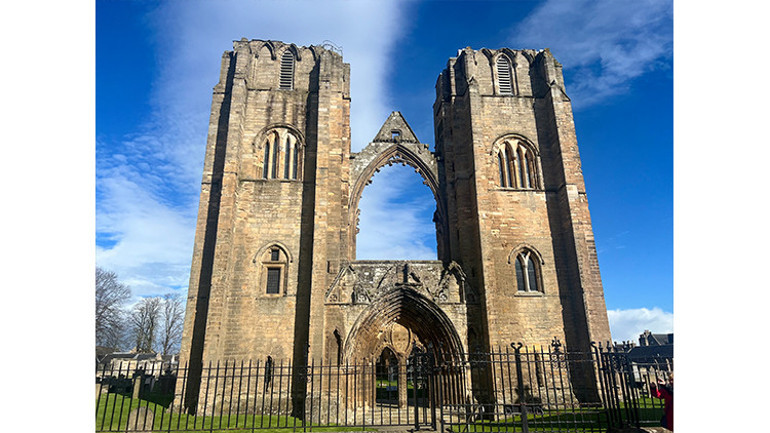
Holding more fresh water than all the lakes in England and Wales combined, the sheer depth and dark, peat-stained waters of the loch create an inherently mystical atmosphere. Taking a cruise across its deep surface allows visitors to appreciate the scale of the valley. On the loch’s western shore, the village of Drumnadrochit has embraced this legendary identity, serving as a hub for exhibitions, boat tours, and monster-hunting lore, bringing the Highland journey to an intriguing conclusion.
Essential Travel Insights for Exploring the Highlands
Traversing the Scottish Highlands—the mountainous, sparsely populated northern and western regions of the country—requires thoughtful planning and preparation. To make the most of an itinerary through this wild, undeveloped landscape, travelers should consider several practical factors:
- Transportation and Duration: Renting a vehicle or booking an organized tour is essential for navigating the region effectively. Travelers should reserve a minimum of five days to complete a comprehensive circuit without rushing.
- Packing Essentials: Regardless of the season, visitors must pack warm layers, a high-quality windproof and waterproof jacket, and sturdy waterproof footwear to cope with sudden rain showers and muddy trails.
- Electrical Adapters: Travelers from outside the UK will need a Type G electrical adapter, featuring three thick rectangular prongs.
- Driving Times: Distance maps can be deceptive in the Highlands. Winding single-track roads, steep inclines, and narrow passes mean a 100-kilometer drive often takes significantly longer than anticipated.
- Regional Experiences: Allocating time for a guided single-malt whisky distillery tour offers valuable insight into one of Scotland’s most vital cultural and economic heritage traditions.
- Accommodations: Accommodation options in rural Highland areas frequently include traditional lodges or hostel-style guesthouses, which often feature shared bathroom facilities. Travelers seeking luxury accommodations should research and book their stays well in advance.