Bulgur has long stood as an indispensable cornerstone of traditional Anatolian cuisine, offering a versatile foundation that brings hearty, wholesome nutrition to everyday family meals and festive gatherings alike. Cultivated and consumed across the region for millennia, this parboiled, dried, and cracked whole wheat is celebrated not only for its earthy aroma and satisfying chew, but also for its remarkable capacity to absorb flavors from aromatics, spices, vegetables, and broths.
Whether combined with garden-fresh produce, enriched with aromatic butter, tinted with sun-dried tomato and red pepper pastes, or toasted alongside delicate pastas, bulgur pilaf seamlessly adapts to diverse culinary contexts. It serves as a natural companion to oven-roasted meats, poultry, and rich, saucy casseroles, while pairing just as harmoniously with traditional legume-based stews such as dried white beans and chickpeas. Furthermore, the simplicity of its preparation makes bulgur a favored choice for home cooks seeking both speed and substance. Achieving the hallmark texture of a masterfully made pilaf—where every individual grain remains distinct, tender, and fluffy rather than clumped or waterlogged—relies on basic techniques and thoughtful ingredient pairings.
From the vibrant, vegetable-rich notes of tavern-style pilaf to ancient heirloom varieties and roasted eggplant preparations, five distinct bulgur pilaf recipes highlight the depth and diversity of this enduring culinary staple.
Classic Bulgur Pilaf (Bulgur Pilavı)
The foundational coarse bulgur pilaf remains a timeless centerpiece on dining tables, universally recognized for its ability to balance and elevate almost any main course. Characterized by its straightforward preparation and clean flavor profile, this classic dish lets the natural, nutty taste of the wheat take center stage.

From a nutritional perspective, coarse bulgur is naturally rich in dietary fiber, plant-based protein, and essential B vitamins, giving it a distinct advantage over more heavily refined grains. This high fiber content contributes to sustained satiety and makes it a wholesome partner for dense, comforting staples. In traditional meal presentations, plain or lightly seasoned bulgur pilaf is the quintessential accompaniment to slow-cooked dried white beans (kuru fasulye) and stewed chickpeas (nohut yemeği). The absorbent grains catch the savory tomato-tinged broth of legume dishes, creating a satisfying synergy that has sustained generations.
Beyond vegetable and legume stews, the classic pilaf pairs effortlessly with grilled meatballs (köfte), roasted chicken, and braised lamb shank. In its most basic form, the bulgur is gently sautéed in a blend of butter and vegetable oil to coat each grain before hot water or rich bone broth is introduced. Simmered over low heat under a tightly sealed lid, the grains swell uniformly. Once the liquid is absorbed, a brief resting period under a clean cloth allows the steam to distribute evenly, guaranteeing that each grain separates cleanly upon serving.

Meyhane Pilaf (Meyhane Pilavı)
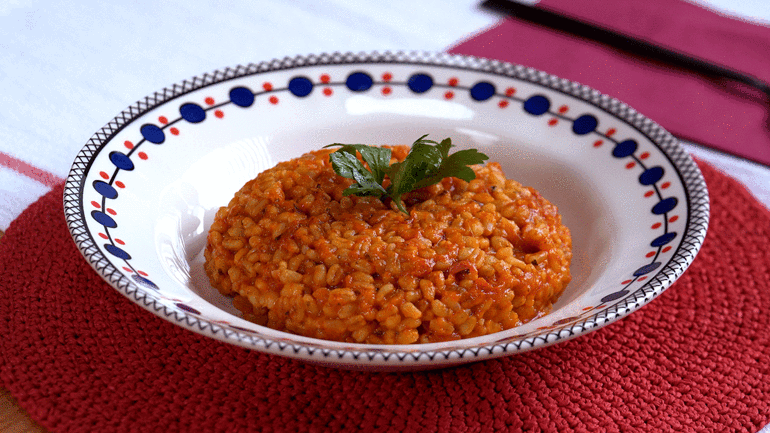
Rooted in the vibrant atmosphere of traditional Turkish taverns, or meyhanes, this colorful variation transforms coarse bulgur into a robust, savory showcase packed with garden vegetables and aromatic seasonings. Unlike the understated simplicity of plain pilaf, meyhane pilavı is characterized by its deep reddish hue, fragrant aroma, and bold combination of textures.
The preparation begins with a generous base of finely chopped onions, sweet green peppers, and red capia peppers sautéed slowly in butter and olive oil until softened and fragrant. A crucial element of the dish is the addition of traditional tomato paste and sun-ripened pepper paste (biber salçası), which are stirred directly into the sizzling aromatics to unlock their deep, caramelized notes. Diced fresh tomatoes and minced garlic are often incorporated, melting into a rich sauce that fully coats the cracked wheat.

As the bulgur simmers in this vegetable-rich liquid, it drinks in the sweet, tangy, and savory flavors of the produce. The resulting dish is both moist and loose, striking a delicate balance between a saucy vegetable stew and a fluffy pilaf. While historically served alongside seasoned grilled meats, skewers, and cold meze platters in social dining settings, meyhane pilavı is substantial enough to be enjoyed entirely on its own, garnished with fresh flat-leaf parsley and accompanied by a bowl of cool, strained yogurt.
Eggplant Bulgur Pilaf (Patlıcanlı Bulgur Pilavı)
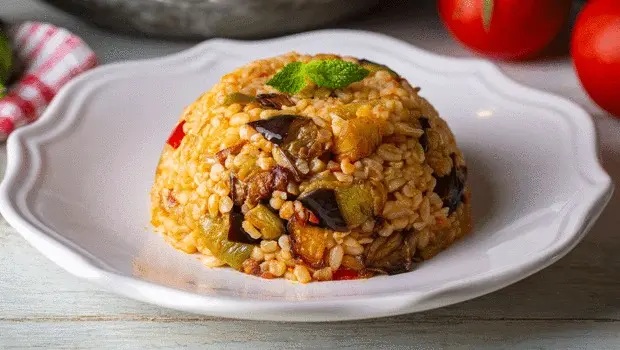
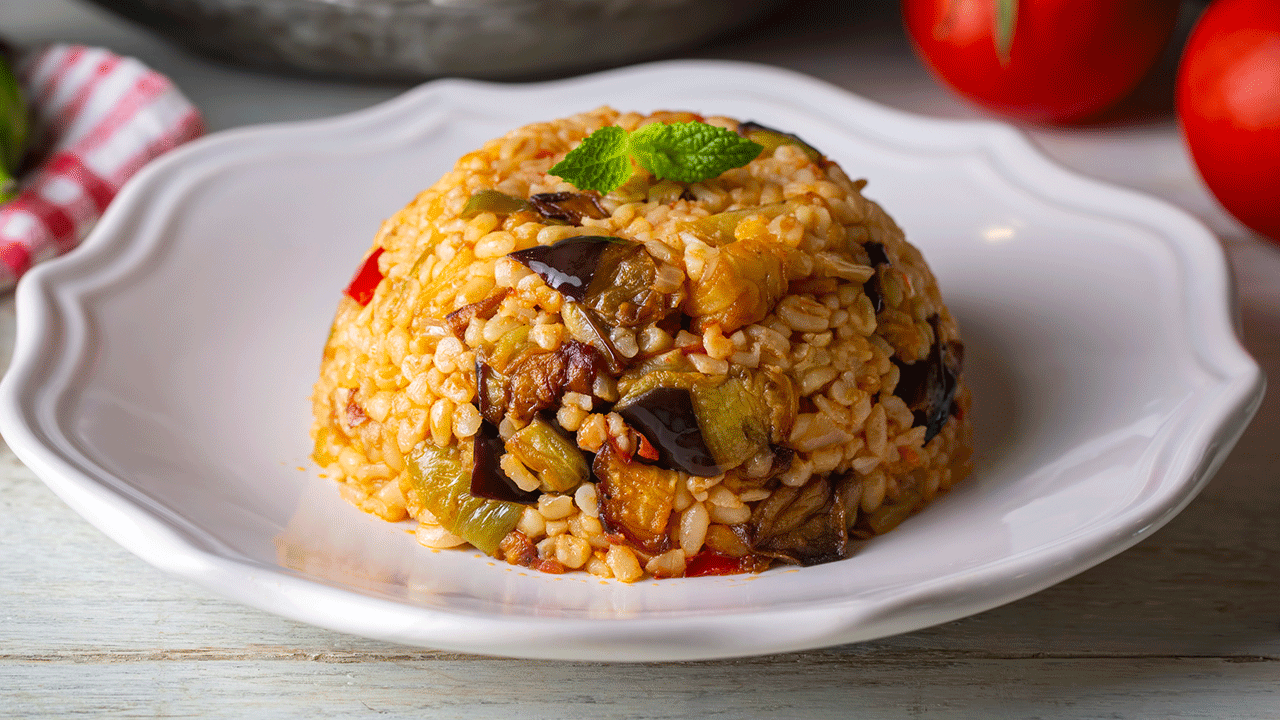
Eggplant holds an esteemed status in Mediterranean and Middle Eastern gastronomy, and its pairing with bulgur produces one of the most comforting, velvety pilafs in the regional repertoire. Patlıcanlı bulgur pilavı brings together the smoky, tender qualities of roasted or sautéed aubergines with the hearty chew of coarse wheat.
To prepare this dish, firm eggplants are typically peeled in alternating lengthwise stripes, diced into bite-sized cubes, and lightly salted to draw out excess moisture and any residual bitterness. Once dried, the cubes are gently browned in oil until golden and tender. In the same pan, onions, garlic, and fresh peppers are softened, followed by grated ripe tomatoes and tomato paste. The bulgur is then added to the pan, mingling with the softened eggplant cubes and aromatics before hot broth is poured over the mixture.
As the pilaf simmers, the tender eggplant melts into the grains, infusing every bite with a silky richness that makes the dish remarkably satisfying. This variation functions exceptionally well as a standalone vegetarian main course, requiring minimal preparation time while offering the depth and visual appeal of a dish that has simmered for hours. Served warm or at room temperature alongside a crisp shepherd’s salad (çoban salatası) or garlic-infused yogurt, eggplant bulgur pilaf exemplifies the art of turning humble seasonal vegetables into a nourishing feast.
Siyez Bulgur Pilaf (Siyez Bulgur Pilavı)
In recent years, ancient and heirloom grains have experienced a significant resurgence, and siyez—the Turkish term for einkorn wheat (Triticum monococcum)—stands at the forefront of this movement. Regarded as one of the earliest domesticated forms of wheat, cultivated for thousands of years in the fertile mountainous terrains of Anatolia, siyez is celebrated for its low glycemic impact, high protein content, and complex, nutty profile.
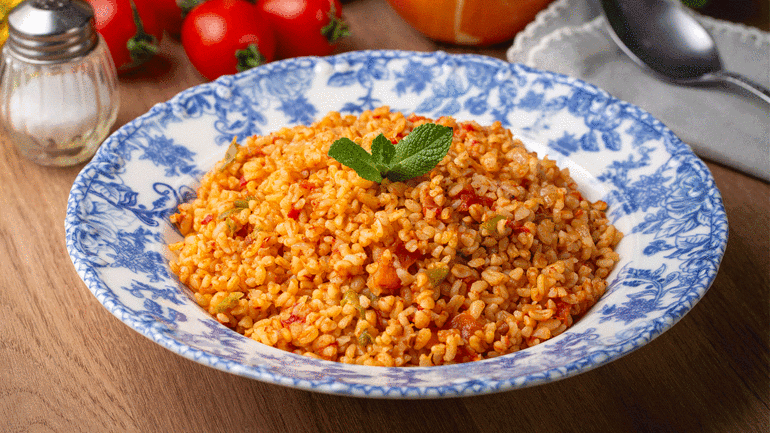
Because siyez bulgur undergoes minimal modern processing, its grains retain an intact outer bran layer that delivers a firmer bite and a distinct, earthy flavor. When crafting a traditional siyez bulgur pilavı, the grain is paired with ingredients that complement its robust character without overwhelming it. Sautéed yellow onions, diced pointed peppers, and a light touch of pepper paste provide a savory foundation, while melted farm butter lends a smooth finish to balance the grain’s rustic texture.
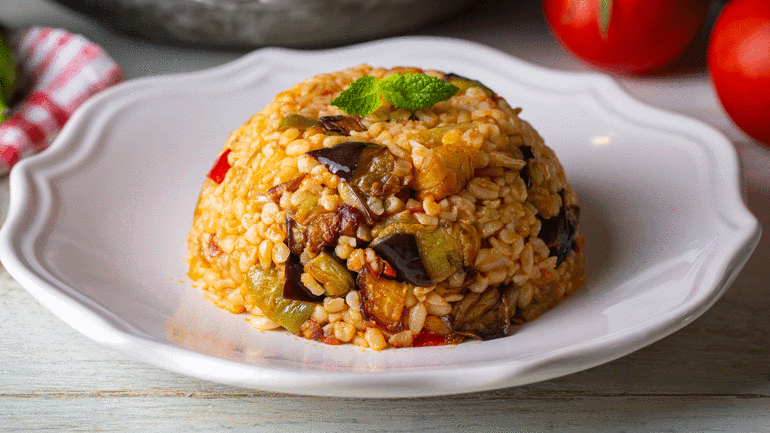
Because of its unique botanical structure, einkorn bulgur requires a slightly different proportion of cooking liquid and a patient, low-temperature simmer to achieve optimum tenderness without losing its shape. The finished pilaf offers an appetizing presentation with deep golden and amber tones. It pairs naturally with slow-roasted poultry, wild game, or hearty vegetable dishes, representing a direct culinary bridge between ancient agrarian traditions and contemporary wellness-focused cooking.
Bulgur Pilaf with Orzo (Arpa Şehriyeli Bulgur Pilavı)
A classic variation found in everyday home kitchens, bulgur pilaf with orzo (arpa şehriye) relies on a straightforward technique that introduces both color contrast and a toasty, caramelized aroma to the pot.
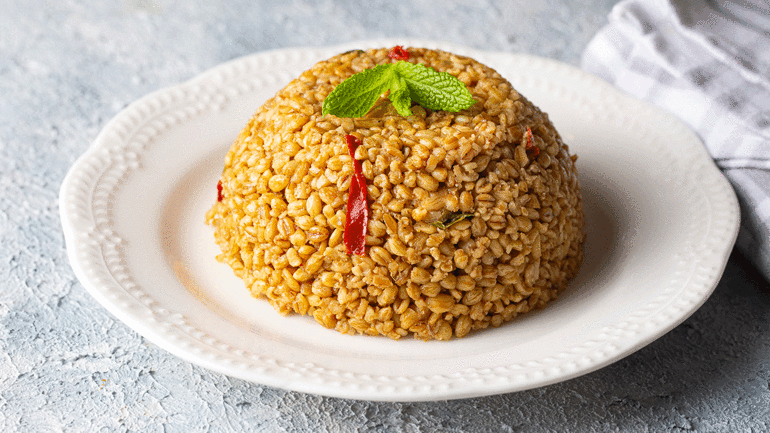
The secret to this beloved variation lies in the preliminary browning stage. Before the bulgur or liquid is added to the pot, a portion of dry orzo pasta is tossed into melted butter and vegetable oil over medium heat. The tiny pasta shapes are stirred continuously until they turn a rich, golden-brown color, releasing a fragrant, nutty scent. Coarse bulgur is then introduced to the pan, mingling with the toasted orzo and absorbing the hot butter before simmering in seasoned water or chicken stock.
The result is a visually appealing two-tone pilaf, where the deep brown orzo grains are scattered evenly among the lighter amber bulgur. The toasted pasta adds a subtle sweetness and an additional layer of texture, ensuring that the pilaf remains loose, light, and perfectly separated upon resting. Due to its balanced taste and buttery aroma, arpa şehriyeli bulgur pilavı is among the most versatile side dishes in the kitchen, effortlessly complementing everything from oven-baked meatballs and tomato-braised beef to grilled fish and vegetable stews.