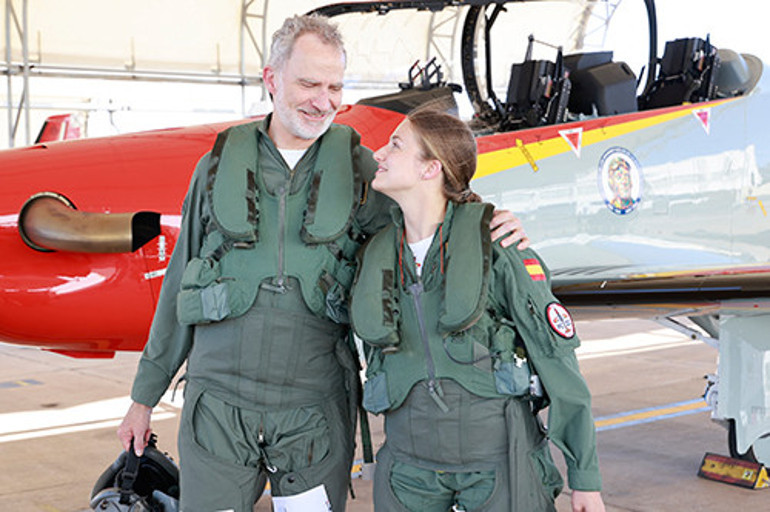
For the past three years, international attention has remained fixed on Princess Leonor of Asturias, the heir presumptive to the Spanish throne, as she completed an exhaustive three-year military training regimen. Breaking the traditional mold of modern royalty, the future queen served across all three branches of the Spanish Armed Forces. Her rigorous preparation included tactical infantry training in the army, a six-month high-seas deployment with the navy, and solo flight operations paired with parachute jumps in the air force.
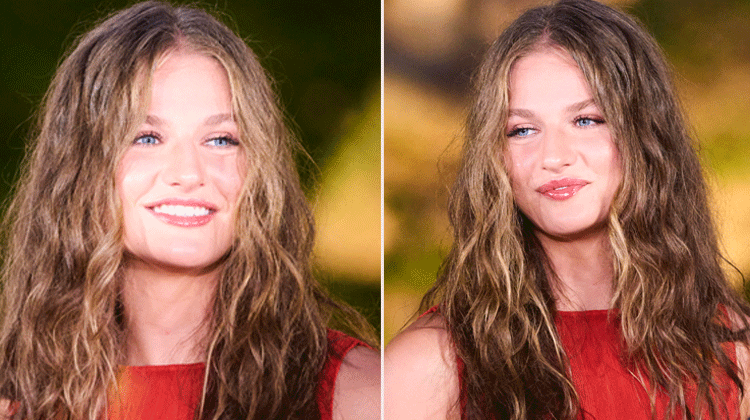
Having concluded her military service, the Princess of Asturias has now transitioned into higher education, enrolling at a university in Madrid to study political science and international relations. Yet, as details of her academic readiness continue to surface, it has become evident that her abilities extend far beyond piloting aircraft and executing tactical maneuvers. At just 21 years old, Princess Leonor has developed working fluency and high-level mastery in eight languages, reinforcing a modern standard of royal preparation tailored for international diplomacy.
Mastering the Languages of a Nation and the World
Princess Leonor’s linguistic portfolio reflects both the complex internal dynamics of her home country and the demands of global statecraft. In addition to her native Spanish, she possesses near-native fluency in English, a skill refined during her secondary education at UWC Atlantic College in Wales.

Beyond these major global tongues, Leonor has prioritized the co-official regional languages of Spain. She speaks Catalan at a level comparable to her native Spanish, and holds working proficiency in Basque and Galician. For a future monarch expected to represent all regions of Spain, fluency in these regional languages is considered an essential constitutional and political asset.
Her linguistic development also extends across international borders. Leonor maintains conversational competency in French, which she studied throughout her academic schooling, as well as Mandarin Chinese and Arabic. Her Arabic language abilities first drew public praise when she was just 14 years old during the Princess of Girona Foundation Awards. Delivering a portion of her address in accent-perfect Arabic without relying on simple rote memorization, she earned wide praise from diplomats and language experts alike.

This focus on language learning aligns directly with the vision of her parents, King Felipe VI and Queen Letizia, who have carefully structured her upbringing to meet the demands of modern constitutional monarchy. King Felipe VI himself sets a high standard, speaking fluent Spanish, English, French, and Catalan, alongside basic Greek learned from his mother, Queen Sofía.
Leonor’s younger sister, Infanta Sofía, is following a similar trajectory. Having also attended UWC Atlantic College, Sofía is fluent in English and Spanish, while continuing her education in Catalan, Basque, and Galician. Currently studying in Paris, Infanta Sofía is utilizing her residence in France to achieve full fluency in French.

Royal Diplomacy in Practice: King Charles III and the Soft Power of Language
The public interest surrounding Princess Leonor’s multilingualism highlights a broader trend across world monarchies, where language acquisition serves as a key tool of soft power and international relations.
This diplomatic dynamic was illustrated recently in London during an official state visit hosted by King Charles III. Hosting the Sultan of Oman, Haitham bin Tariq, for the first official state visit by an Omani monarch to the United Kingdom in 44 years, King Charles delivered a portion of his official banquet address in Arabic.
While the brief remark did not imply complete fluency, King Charles’s effort to greet his guest in his native language underscored the symbolic importance of linguistic etiquette in international relations. For heads of state and royal representatives whose duties center on fostering cross-border alliances, spoken language remains one of the most effective instruments for establishing rapport and mutual respect.
A Generation of Multilingual Heirs Across Europe
Princess Leonor belongs to a rising generation of European heirs who are entering adult public life equipped with extensive multilingual skill sets.

In the Netherlands, Princess Catharina-Amalia, the Princess of Orange, seamlessly navigates multiple languages. As the daughter of Argentine-born Queen Máxima, Catharina-Amalia raised Spanish to the level of a second native language alongside her native Dutch. Her command of Spanish enabled her to spend a period living and studying at a university in Madrid. In addition to fluent English, the Dutch heir has also taken formal instruction in Mandarin Chinese.
Queen Máxima herself demonstrated the necessity of linguistic adaptation upon marrying into the Dutch royal house; originally an international financial professional fluent in Spanish and English, she mastered Dutch prior to her wedding and maintains conversational abilities in French.
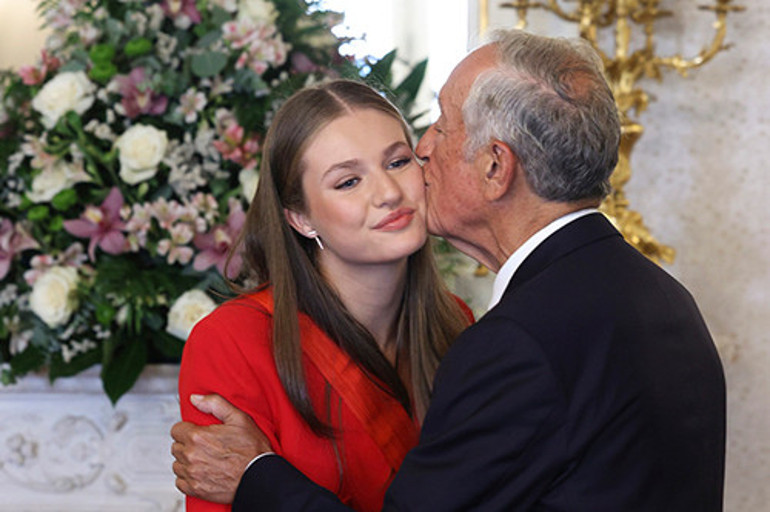
A similar linguistic standard exists in Belgium, a nation defined by its delicate internal regional balance. Princess Elisabeth, the Duchess of Brabant and heir to the Belgian throne, grew up speaking both Dutch and French—the primary official languages of Belgium—at a native level. She is also fluent in German, the nation’s third official language, as well as English. Like her peers in Spain and the Netherlands, Princess Elisabeth has also undertaken studies in Mandarin Chinese.
Cross-Cultural Ties and Modern Royal Households
In Scandinavia and the Middle East, language acquisition has similarly proven vital for both native royals and those marrying into sovereign houses.
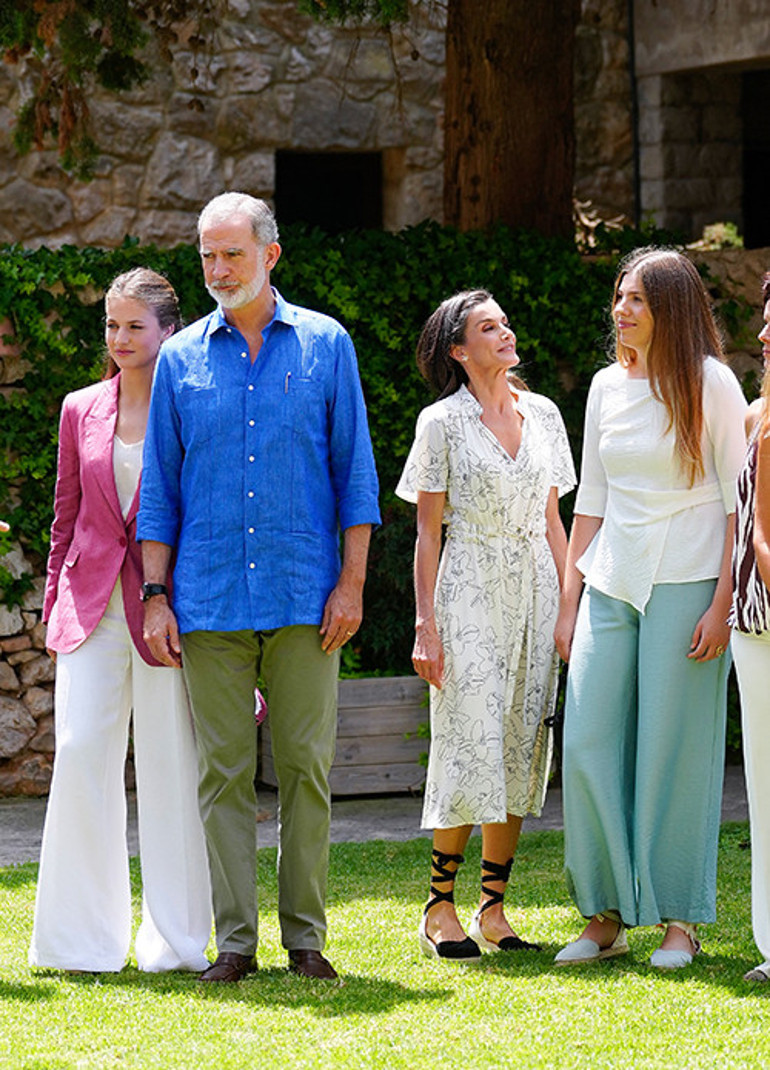
In Denmark, Queen Mary—originally from Australia—had to master the Danish language upon her marriage to King Frederik X. Today speaking Danish fluently, her rapid language acquisition was viewed as a crucial step in gaining the respect of the Danish public. Her husband, King Frederik, possesses a broad linguistic background, speaking native Danish alongside fluent French, English, and German.
In Jordan, Crown Prince Hussein and his wife, Princess Rajwa, carry out their duties fluently in both Arabic and English. Both completed their higher education in the United States, giving them a strong command of Western academic and political discourse. Crown Prince Hussein’s English fluency also reflects his family heritage; his paternal grandmother, Princess Muna (formerly Antoinette Gardiner), was born in the United Kingdom.
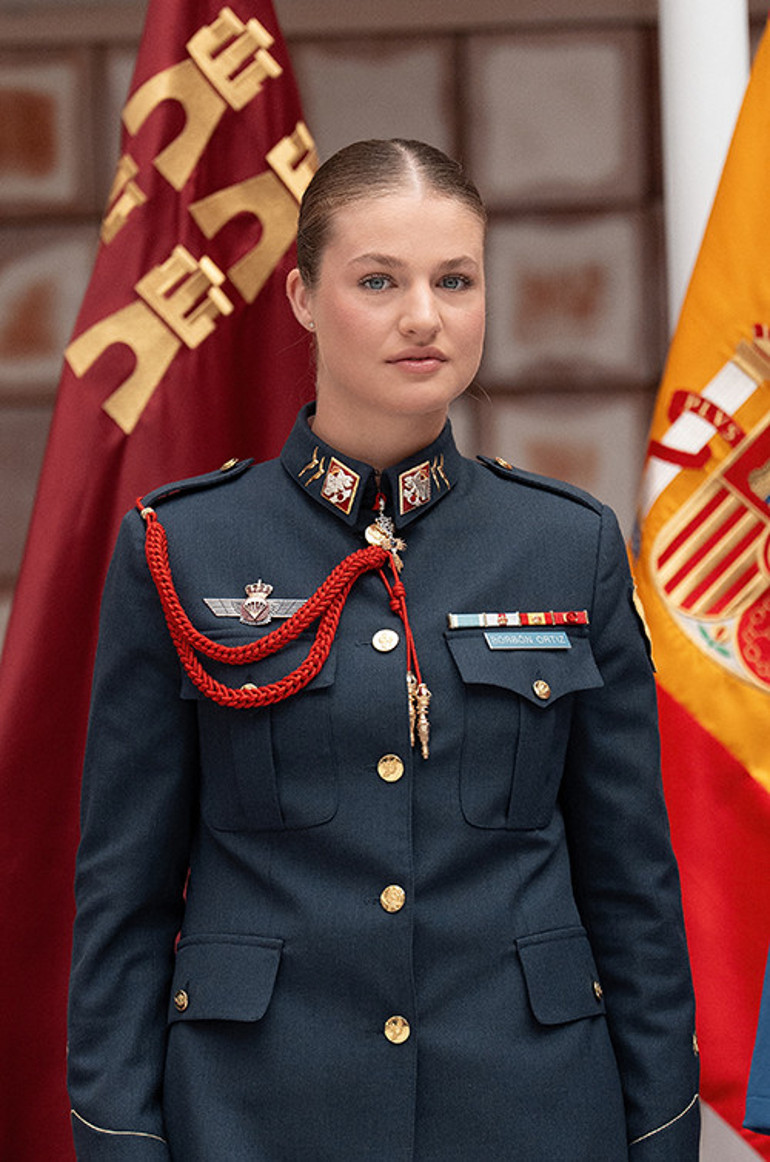
Even within royal households where the native language is globally dominant, early multilingual education has become standard practice. In the United Kingdom, William, Prince of Wales, maintains conversational fluency in French and Welsh, alongside basic knowledge of German, Galician, Spanish, and Swahili. His wife, Kate, the Princess of Wales, possesses intermediate conversational skills in French and Italian.
To ensure their children develop early language capabilities, the Prince and Princess of Wales introduced Spanish instruction into their household from an early age. Prince George, Princess Charlotte, and Prince Louis have been exposed to Spanish through their long-time nanny, María Teresa Turrión Borrallo, who natively speaks the language.
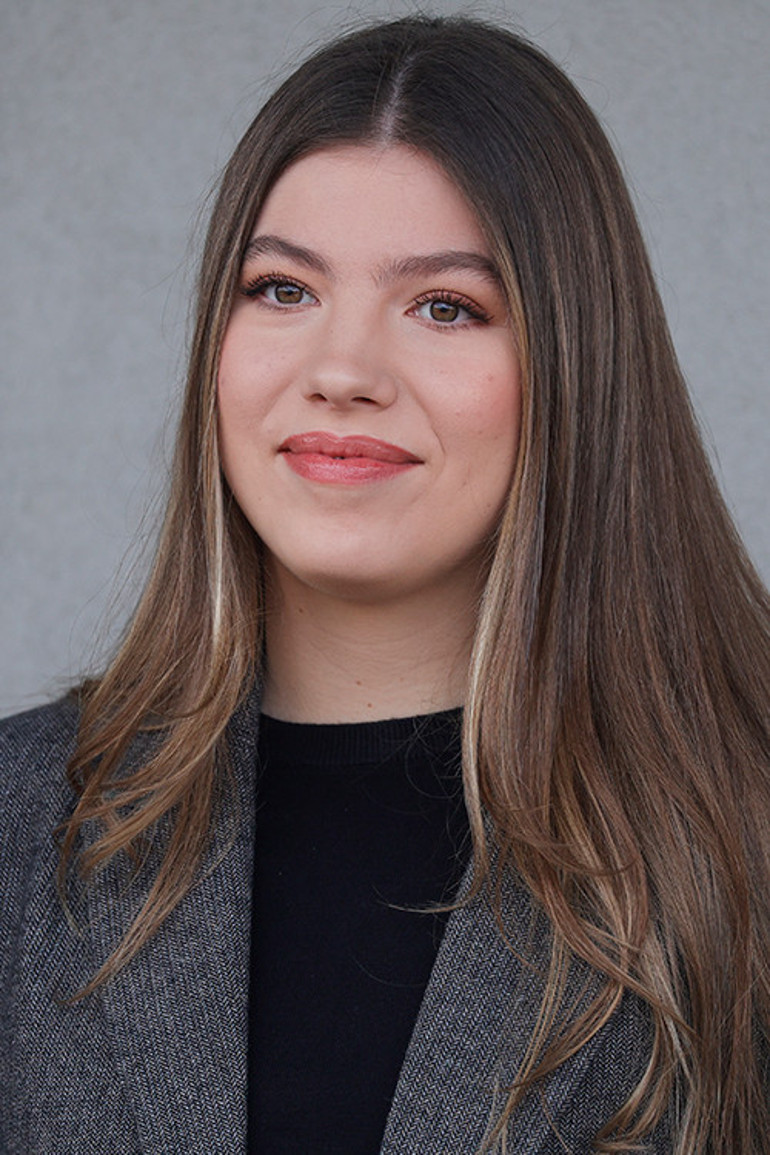
As Princess Leonor begins her university studies in international relations in Madrid, her combination of comprehensive military training and multi-language fluency positions her to navigate a complex geopolitical environment. For the modern monarchy, where traditional political authority has yielded to cultural representation and diplomatic engagement, linguistic versatility has evolved from an academic asset into a primary requirement of royal statecraft.