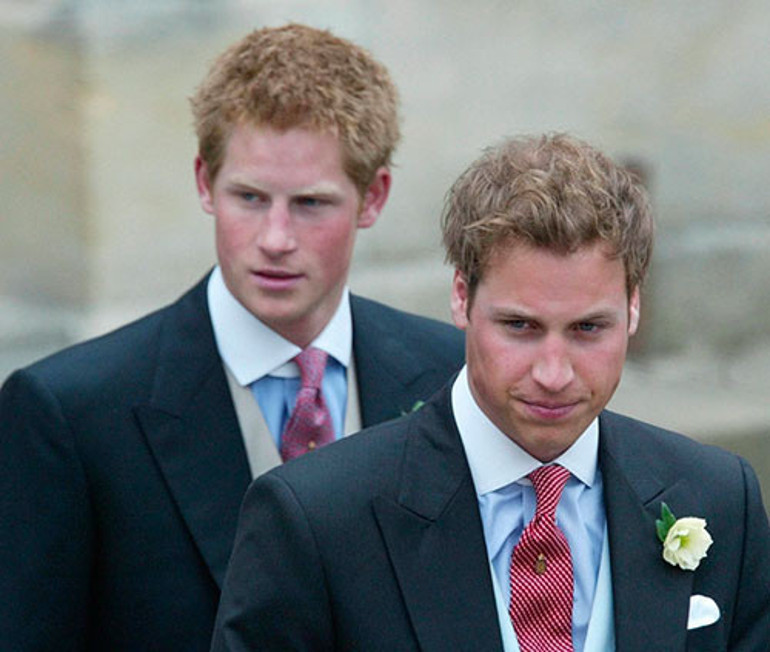
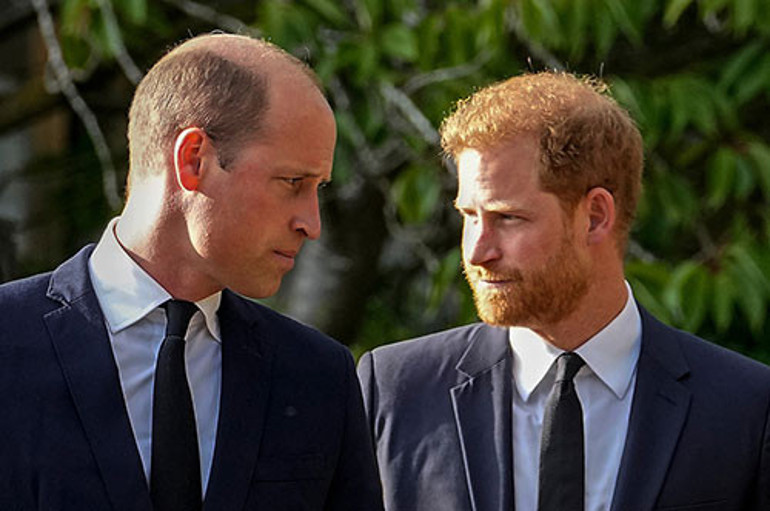
Losing a mother at a young age is an irreplaceable tragedy that leaves profound, lifelong emotional scars. When such a devastating loss occurs within the unyielding confines of the public eye—surrounded by rigid institutional protocols, strict expectations, and relentless media scrutiny—the psychological toll is immeasurable. For Prince William and Prince Harry, who were forced to navigate the raw pain of maternal grief under the gaze of a global audience, that early tragedy has permanently shaped their lives, personal choices, and public legacies.
Despite the vast privileges associated with their royal status, both brothers experienced childhood heartbreak under extraordinary circumstances. William, groomed from infancy to one day inherit the throne, and Harry, positioned as the secondary royal "spare," were required to maintain a composure far beyond their years. Today, both men are adults with families of their own, yet the lingering absence of their mother, Princess Diana, continues to resonate in everything they do.
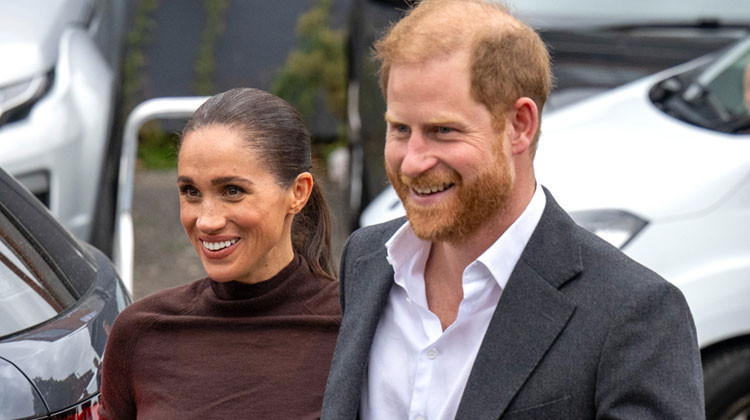
Now, new reports suggest that Prince Harry is taking a bold step to secure one of the most famous physical artifacts of his mother’s legacy: her iconic "Revenge Dress." Rather than allowing the legendary garment to remain in the hands of private collectors, Harry is reportedly attempting to acquire the historic piece for his wife, Meghan Markle, viewing it as a powerful symbol of independence, strength, and personal autonomy.
Growing Up Under the Shadow of Loss and Royal Duty
The emotional burden carried by the young princes following the death of Princess Diana in August 1997 remains one of the most poignant chapters in modern royal history. Prince William was just 15 years old, and Prince Harry was 12, when their mother tragically passed away following a high-speed car crash in Paris at the age of 36.

While the private grief of the young brothers remained largely shielded behind castle doors, their public display of stoicism was watched by millions worldwide. During the funeral procession through the streets of London, the young princes walked steadfastly behind their mother’s coffin, suppressing their tears in accordance with the strict expectations of royal decorum. They were quickly thrust back into a world governed by ancient protocols and institutional duty, where personal emotions were often sidelined in favor of preserving the continuity and dignity of the monarchy.
As the elder brother, William’s trajectory was clearly defined by his ultimate destiny as king, requiring a meticulous adherence to traditional royal expectations. Harry, while granted slightly more latitude in his personal pursuits, was nonetheless bound by the strict image constraints imposed upon senior members of the royal family.

Though decades have passed and both princes have established their own homes and raised children of their own, the deep-seated emotional impact of losing their mother at such a formative age has never fully faded. The grief has merely evolved, inspiring both men to honor Diana’s memory in distinct ways through their charitable endeavors, public statements, and personal lives.
A Quest for Diana’s Most Famous Keepsake
In recent years, Prince Harry’s life has undergone significant transformations. Following his decision to step back from senior royal duties alongside Meghan Markle, the couple relocated to the United States, building an independent life with their children, Archie and Lilibet. Throughout this period of separation from the core royal institution, Harry has frequently invoked his mother’s memory, drawing parallels between Diana’s struggles with the palace hierarchy and his own family’s experiences with the institution and the press.

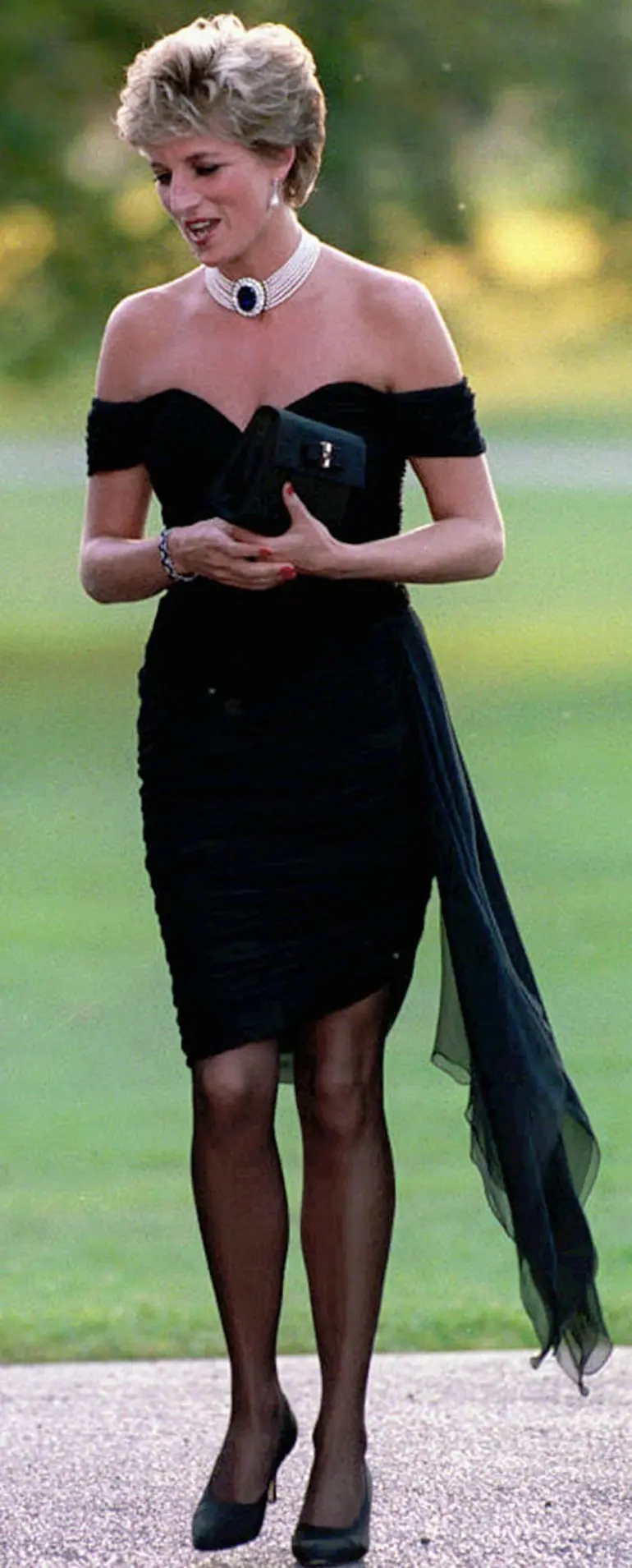
It is against this backdrop that reports have emerged regarding Harry’s interest in acquiring one of Princess Diana’s most famous personal possessions. Unlike traditional heirlooms, such as family jewels or monetary inheritances, the item in question carries immense cultural and emotional weight: the black mini dress worn by Diana on the night her former husband, then-Prince Charles, publicly admitted to infidelity.
The famed garment is scheduled to be put up for bid at an upcoming major auction in December, where high-profile collectors from around the globe are expected to compete for a piece of fashion history. However, reports indicate that Harry is determined to prevent the dress from ending up hidden away in a private collector’s archive or displayed purely as a commercial commodity. Instead, he reportedly wants the dress to belong to his wife, believing that Meghan is the rightful heir to the message of empowerment that the garment represents.
A Symbol of Reclaimed Power and Standing Up to the Palace
The garment in question is far more than just an exquisite piece of haute couture; it is widely regarded as a turning point in modern pop culture and fashion history. For Prince Harry, the motivation to secure the dress appears to be deeply tied to its underlying narrative of personal liberation and resilience.
According to sources familiar with the matter, Harry views the black dress as the ultimate symbol of his mother reclaiming her narrative during a moment of intense personal betrayal and public vulnerability. Diana had worn the striking ensemble to a public event on the exact night that Prince Charles gave a televised interview confessing to his affair with Camilla Parker Bowles. By stepping out in such a bold and confident manner, Diana effectively shifted the global media narrative away from her husband’s admission and onto her own strength and independence.
Insiders suggest that Harry believes Meghan inherently understands the psychological context behind the dress better than anyone else. Friends and commentators close to the couple note that Harry draws a direct parallel between Diana’s stance against traditional royal constraints and Meghan’s own navigate-and-exit strategy from the royal institution.
From Harry’s perspective, securing the dress for Meghan serves as a potent statement that honors two women who refused to let rigid palace expectations, media pressure, or institutional rules define their identity or silence their voices. The gesture is seen by observers as an attempt to carry Diana’s spirit of rebellion and self-determination into the present day.
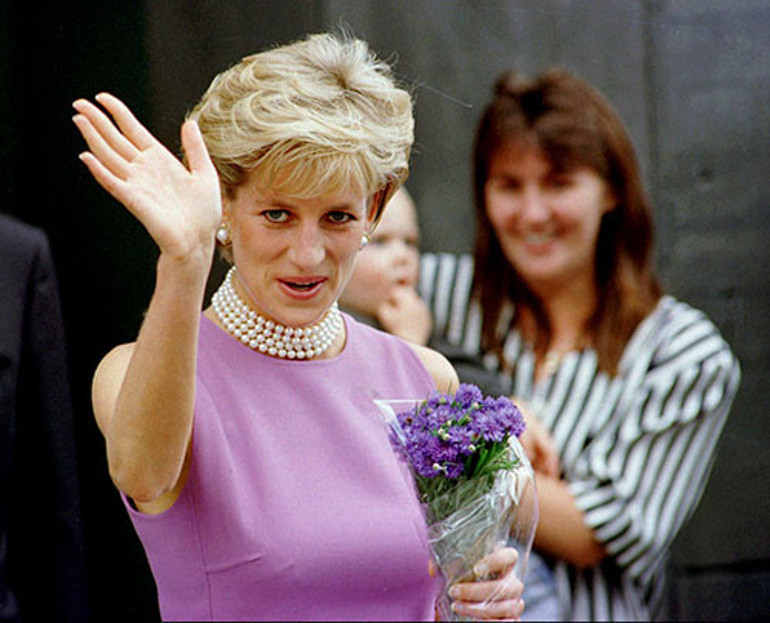
The Night That Defined Fashion History
The history of the gown itself explains why it holds such an enduring place in the public imagination. On June 29, 1994, Princess Diana attended a high-profile fundraising gala hosted by Vanity Fair at the Serpentine Gallery in Kensington Gardens, London.
Designed by the Greek fashion creator Christina Stambolian, the dress was a striking departure from traditional royal attire. Made of black silk crepe, it featured an off-the-shoulder neckline, a form-fitting silhouette that hugged the body, an asymmetrical hemline, and a sweeping chiffon train that drifted behind her as she walked.
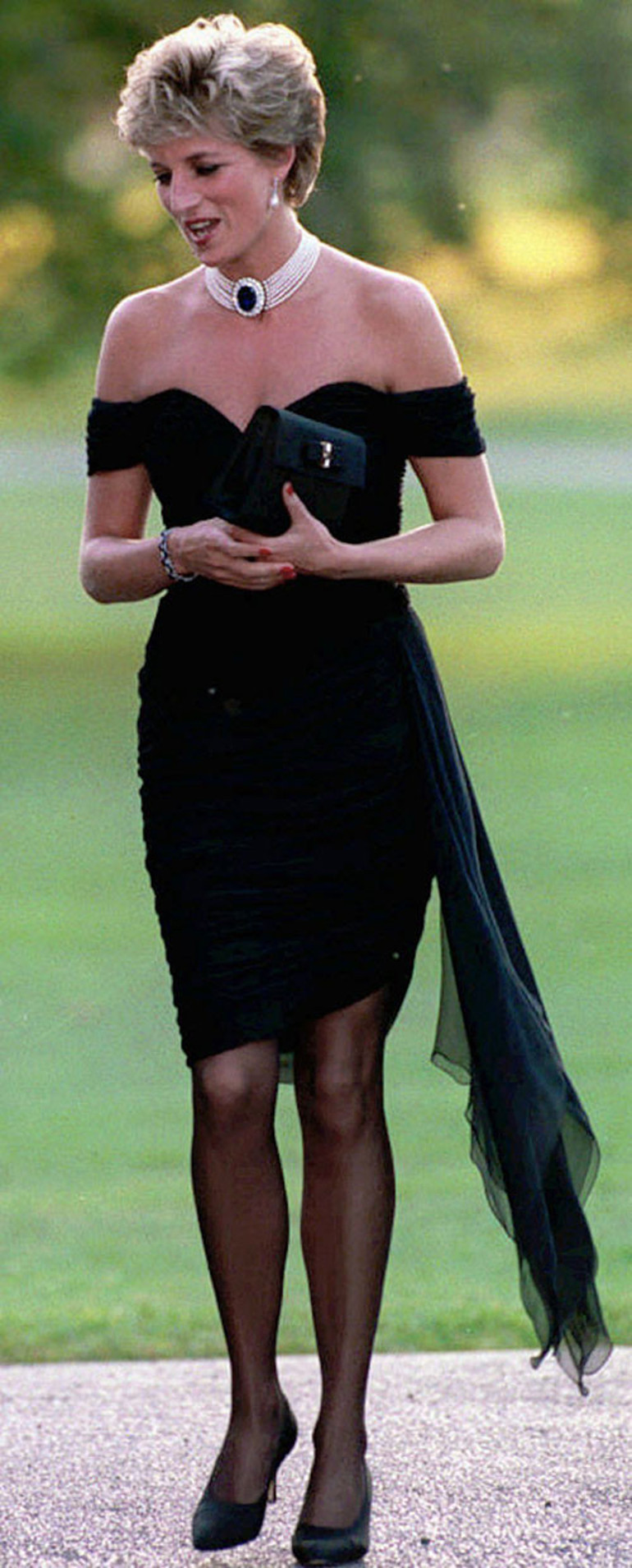
Intriguingly, Diana had actually purchased the dress three years prior in 1991, but had initially hesitated to wear it in public, fearing that its bold, body-conscious cut was too daring for a member of the royal family. On the night of the Serpentine gala, Diana had originally planned to wear a design by Valentino. However, after news broke earlier that day that Prince Charles’s explosive televised interview—in which he admitted he had been unfaithful once his marriage had "irretrievably broken down"—was set to air that evening, Diana made a last-minute decision to switch her outfit.
She retrieved the Stambolian dress from her closet, paired it with a dramatic multi-strand pearl choker featuring a large sapphire center, and stepped out into the waiting throngs of photographers with effortless grace and confidence. The images dominated the front pages of newspapers globally the following morning, completely eclipsing the coverage of Charles’s broadcast. The garment was immediately dubbed the "Revenge Dress" by the international press, cementing its status as an immortal fashion statement.
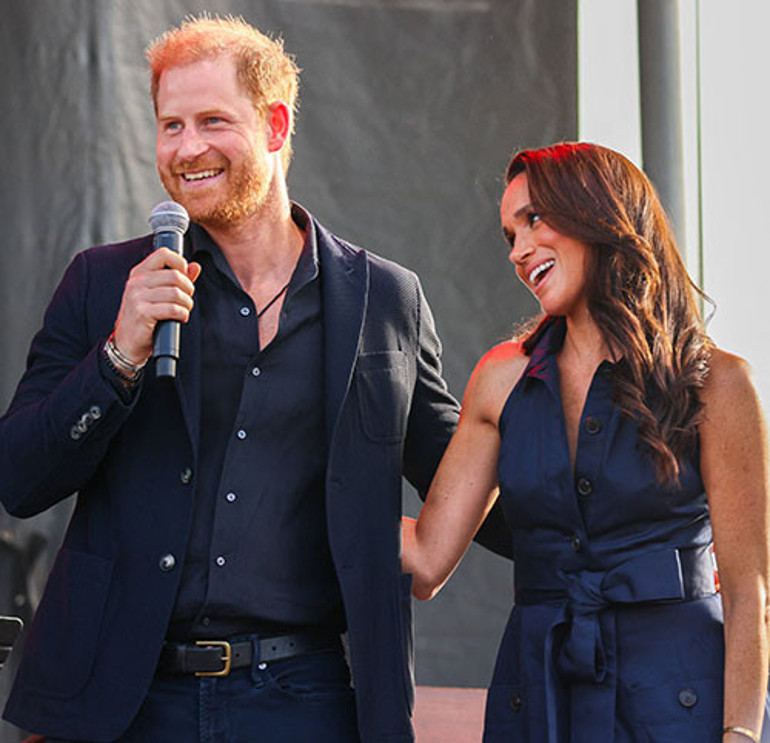
As the upcoming December auction approaches, the potential battle for Princess Diana’s most famous dress highlights the enduring fascination with her legacy. Whether the historic garment ultimately finds a place in Meghan Markle’s collection or enters another chapter of fashion history, Prince Harry’s reported interest underscores the lasting impact of his mother’s courage, style, and defiance—a legacy that continues to influence the royal story decades after her passing.