The release of Odyssey, written and directed by filmmaker Christopher Nolan, has triggered a remarkable resurgence of interest in classical literature, ancient geography, and Mediterranean tourism. Driven by massive global box-office success, the cinematic adaptation of Homer’s 3,000-year-old epic has captivated modern audiences, breathing new life into timeless tales of gods, monsters, and mortal endurance. Across the globe, museum attendance, sales of ancient texts, and bookings for archaeological travel routes across Turkey, Italy, and Greece have seen a substantial surge.
For cultural historians and travel experts, the phenomenon demonstrates how powerful storytelling can bridge millennia, turning legendary maritime routes into sought-after travel destinations. Prof. Dr. Rüstem Aslan, Head of the Troy Ancient City Excavation Team and author of the recently published book Homer for Beginners, explains that the enduring power of The Odyssey lies far beyond its surface as a grand adventure.
"After the Trojan War, King Odysseus of Ithaca spends ten years struggling to return to his homeland," Aslan observes. "Yet this return is not merely a prolonged maritime journey; it is a symbolic pilgrimage that tests human intellect, courage, patience, and willpower. Every island and every harbor Odysseus encounters represents a distinct facet and phase of human existence. The epic of Odysseus profoundly captures what it means to be human. Greed, forgetfulness, hubris, temptation, the relentless pursuit of knowledge, and a deep longing for home form the core themes of this voyage."

As travelers seek to experience the landscapes that inspired classical antiquity, researchers note that many geographical locations across the Mediterranean remain closely tied to Homer’s narrative. While scholars continue to debate exact historical coordinates, several modern sites feature natural formations, ancient ruins, and dramatic topographies that align remarkably well with the text.
Serda Büyükkoyuncu, a travel writer for Hürriyet Seyahat and author of Ancient Greek Mythology: The Love Lives of the Gods, notes that Nolan’s film has reawakened a deep-seated wanderlust among viewers. "From the ancient ramparts of Troy to the volcanic slopes of Sicily, from the Amalfi cliffs where Sirens were believed to sing to the quiet shores of Ithaca where Odysseus finally found peace, this itinerary represents perhaps the oldest cultural and travel route in human history," says Büyükkoyuncu.

Together, Aslan and Büyükkoyuncu offer a guided exploration of this legendary itinerary, detailing the modern-day landmarks, historical context, and mythological lore that define each stop along Odysseus’ journey.
A Trojan Victory and the Wooden Horse: The Journey Begins in Çanakkale
The legendary epic begins on the windswept plains of northwestern Turkey, where the decade-long Trojan War came to its fateful conclusion.

Key Destinations: Troy Ancient City, Troy Museum, Bozcaada (Tenedos), Çanakkale, Turkey
According to Prof. Dr. Rüstem Aslan, the archaeological site of Troy in Çanakkale stands among the world’s most significant historical treasures. Visitors to the UNESCO World Heritage site can walk along multi-layered archaeological strata, ancient city walls, and monumental gateways spanning several millennia. Adjacent to the ruins, the award-winning Troy Museum houses an extraordinary collection of artifacts unearthed during decades of excavation, offering visitors an immersive look into Bronze Age civilization.
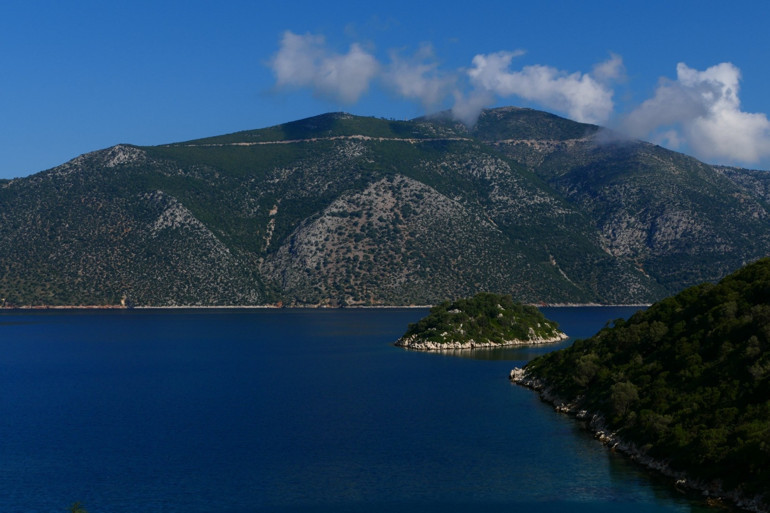
Just off the coast at the entrance of the Dardanelles lies the island of Bozcaada, known in antiquity as Tenedos. In Homeric myth, Tenedos played a decisive role in the fall of Troy. It was behind this island that the Greek fleet feigned retreat, hiding their ships while leaving behind the massive Wooden Horse—a cunning stratagem devised by Odysseus himself. In many respects, Bozcaada marks the official starting point of Odysseus’ fraught ten-year journey home.
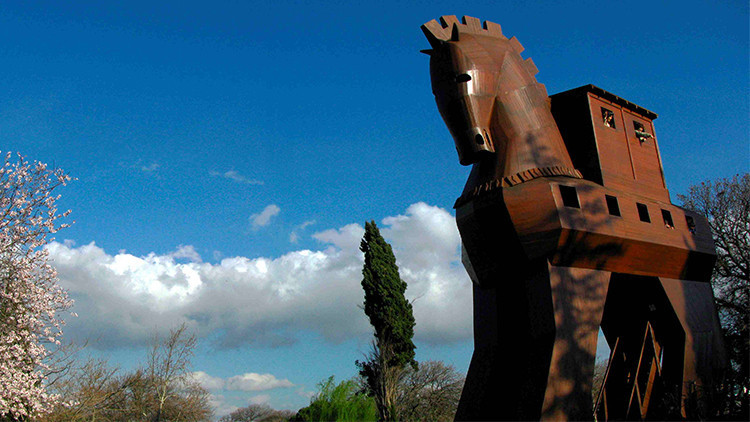
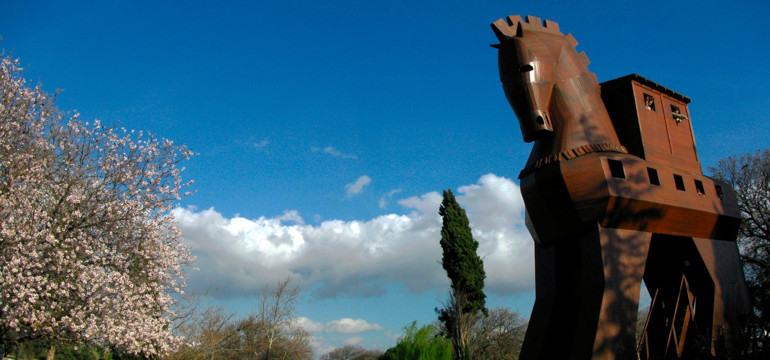
Büyükkoyuncu suggests that travelers visiting Çanakkale take time to absorb the dramatic landscape from Hisarlık Hill at sunset, looking out over the Troas Plain. "Standing there, you gain an intuitive understanding of why this strategic geography became the staging ground for history’s most famous siege," Büyükkoyuncu says. Visitors can also stop in Çanakkale’s city center to view the massive wooden horse prop used in the 2004 Hollywood production Troy.
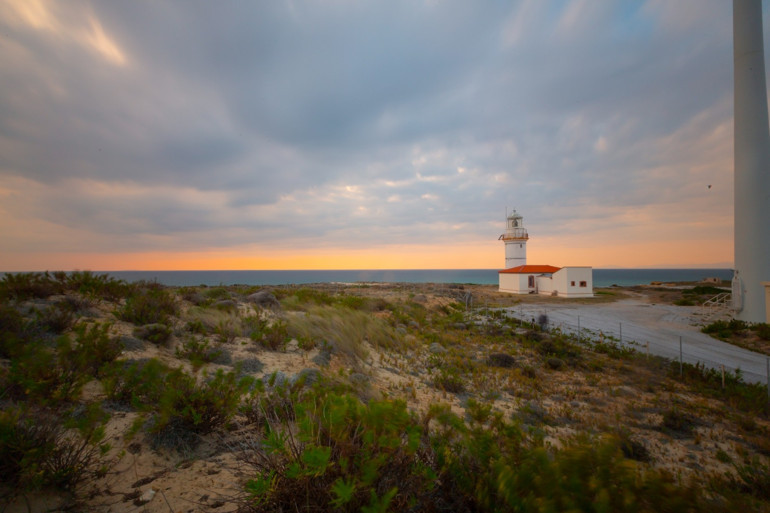
Today, Bozcaada has transformed into one of the most charming islands in the Aegean Sea. Highlights include the imposing Bozcaada Castle, the picturesque Greek Quarter framed by vibrant bougainvillea, and Polente Lighthouse at the island’s westernmost tip. Watching the sun dip below the horizon at Polente offers travelers a chance to feel the very coastal winds described in Homer’s verses.
- Mythological Figure of the Region: Poseidon, god of the sea, storm-bringer, and ruler of the ocean depths. Wrathful over the destruction of Troy and the blinding of his son, Poseidon becomes the primary divine force thwarting Odysseus’ return.
Clashing with Cyclopes: Wits and Volcanoes in Eastern Sicily
Leaving the ruins of Troy behind, Odysseus and his surviving crew encountered severe storms that blew them far off course, landing them on the shores of mysterious and hostile lands.
Key Destinations: Taormina, Catania, Mount Etna National Park, Aci Trezza, Sicily, Italy
Aslan recounts how Odysseus arrived at the island of the Cyclopes, where he and his men sought shelter inside a cave belonging to Polyphemus, a monstrous one-eyed giant. Polyphemus trapped the crew by sealing the cave entrance with a colossal boulder, devouring several sailors in a display of brute cruelty. Realizing that force could not overcome the giant, Odysseus relied on cunning: he intoxicated Polyphemus, blinded him with a sharpened stake while he slept, and escaped by clinging to the undersides of the giant’s sheep as they left the cave to graze.
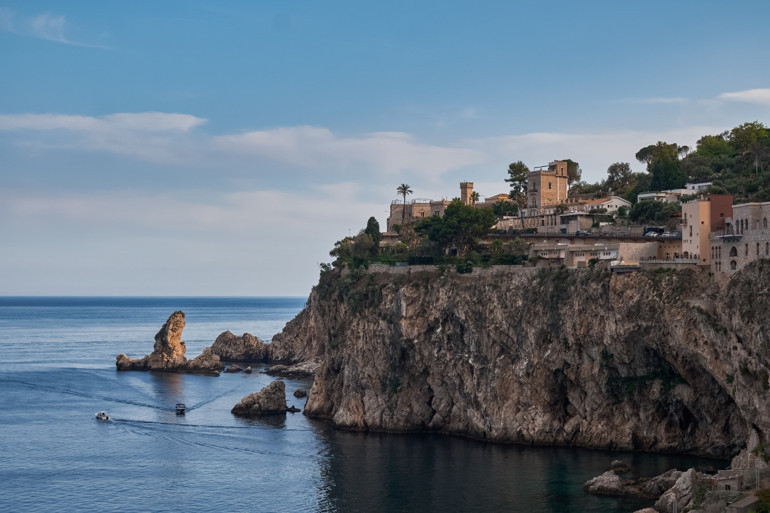
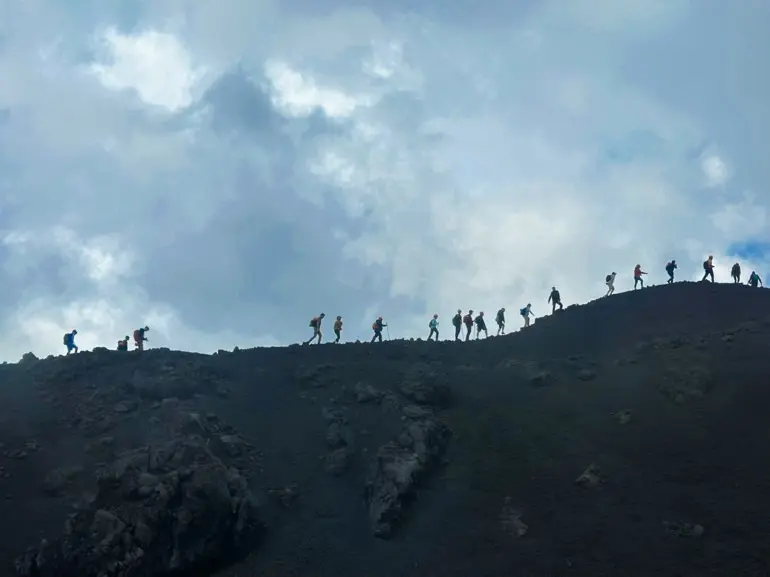
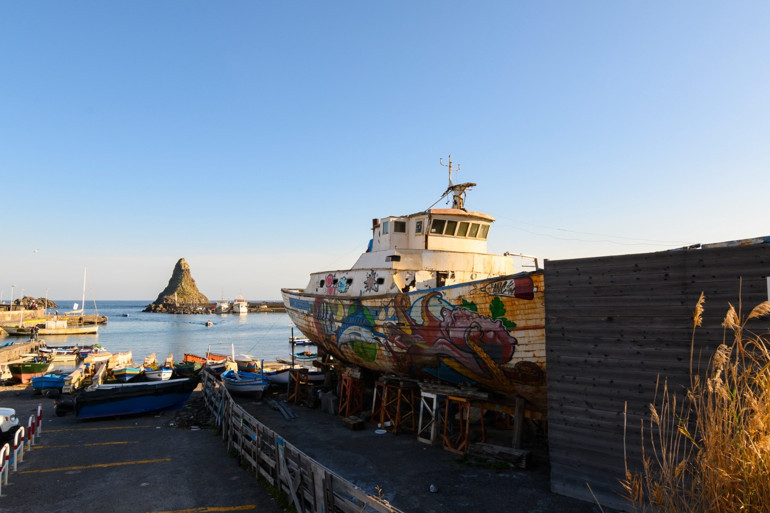
Scholars historically associate the land of the Cyclopes with the volcanic coastline of eastern Sicily around Mount Etna. Offshore from the coastal village of Aci Trezza, dramatic black basalt rock formations rising from the sea are known locally as the "Cyclops Rocks." Tradition holds that these massive boulders were hurled into the ocean by the blinded Polyphemus as Odysseus sailed away. Furthermore, the persistent smoke and explosive thunders of Mount Etna likely inspired ancient mariners to envision subterranean forging fires and giant creatures inhabiting the mountain.
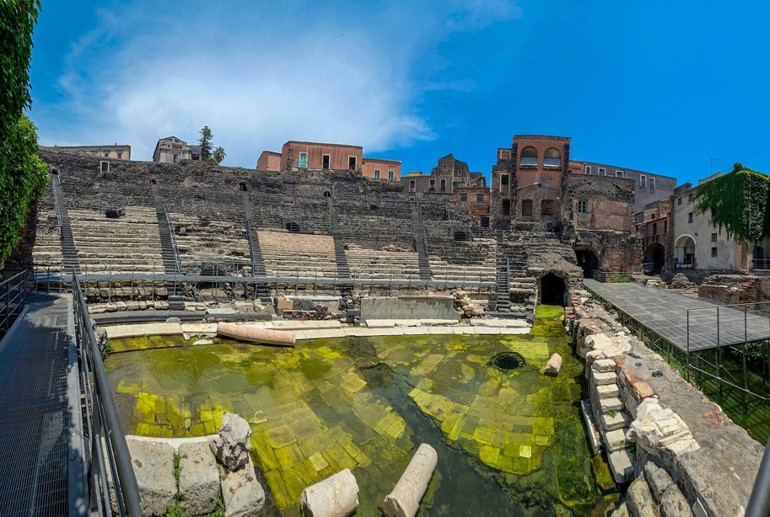
Travelers exploring eastern Sicily today will find a region rich in history and natural beauty. In Taormina, the magnificent Ancient Greek Theater offers breathtaking views stretching from the Mediterranean to the smoking peak of Etna. The town’s central thoroughfare, Corso Umberto, features historic palaces, lively plazas, and artisan shops, while the nearby bay of Isola Bella provides a stunning coastal retreat.
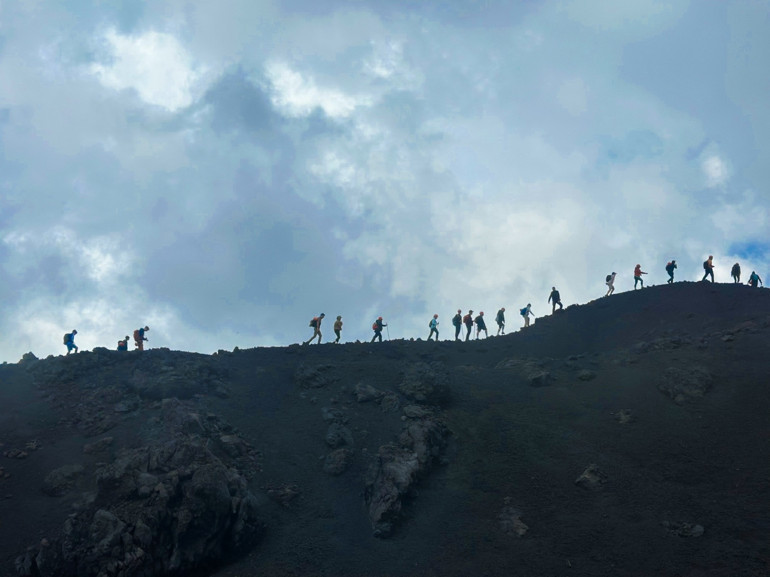
Further south lies Catania, a city inextricably linked to Mount Etna. Rebuilt following a devastating earthquake in 1693, Catania’s historical center was constructed using dark volcanic lava stone, resulting in a unique black-and-white Baroque architectural aesthetic. Situated beneath Europe’s most active volcano—which experienced fresh eruptions in early July—Catania boasts the iconic Piazza del Duomo, the Elephant Fountain, and a famous, bustling open-air fish market.
- Mythological Figures of the Region:
- Hephaestus: God of fire and blacksmithing, whose subterranean workshop was believed to lie beneath Mount Etna.
- The Cyclopes: One-eyed giant craftsmen who assisted Hephaestus in forging divine weapons.
- Polyphemus: Son of Poseidon, a lawless shepherd Cyclops who harbored deep contempt for mortals and gods alike.
- Enceladus: A defeated giant buried beneath Mount Etna, whose restless movements were believed by ancient Greeks to cause earthquakes.
Sorcery, Sirens, and Straits: Navigating the Tyrrhenian and Ionian Coasts
Odysseus’ journey continued along the western coast of Italy, where physical obstacles gave way to psychological and magical trials.
Key Destinations: Cape Circeo, Messina Strait, Amalfi Coast, Positano, Capri, Li Galli Islands (Italy); Corfu (Greece)
Upon reaching the island of Aeaea, Odysseus’ crew encountered the sorceress Circe. After enticing the sailors into her palace with enchanted food and wine, Circe transformed them into swine. Eurylochus, the only crew member to suspect a trap, escaped to warn Odysseus. Armed with divine herbal protection provided by Hermes, Odysseus confronted Circe, forcing her to break the spell and restore his men to human form.
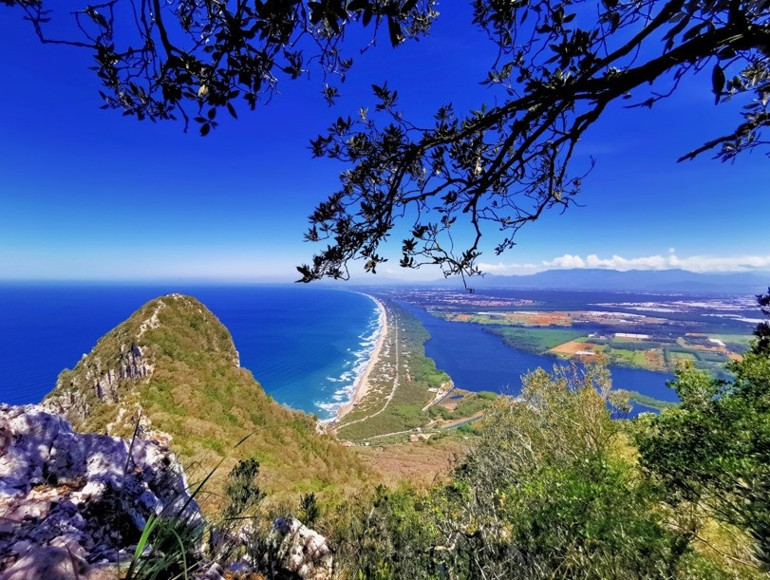
"At this juncture, the narrative transitions from a physical struggle against the elements to a spiritual quest of transformation and self-discipline," notes Prof. Aslan. Since antiquity, Cape Circeo, a dramatic promontory on the Italian mainland south of Rome, has been identified as the site of Circe’s mythical realm.
Continuing their voyage, the crew faced the seductive lure of the Sirens, whose enchanting voices drove sailors to leap to their deaths upon jagged rocks. Heeding Circe’s advice, Odysseus ordered his crew to plug their ears with beeswax while tying himself securely to the ship’s mast, allowing him to hear the Sirens’ divine knowledge without succumbing to madness.
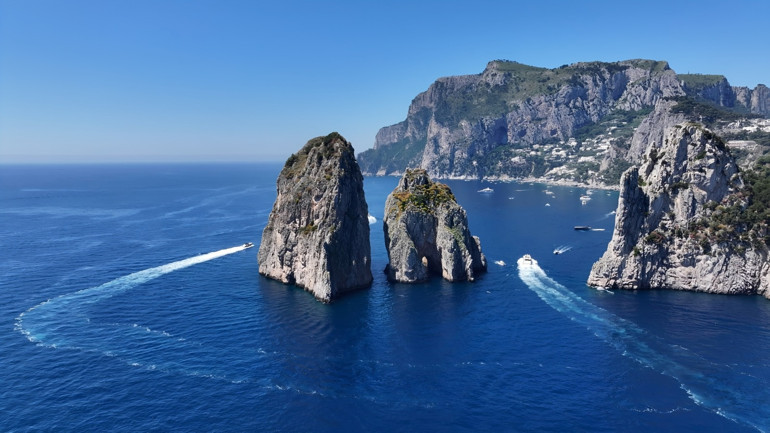
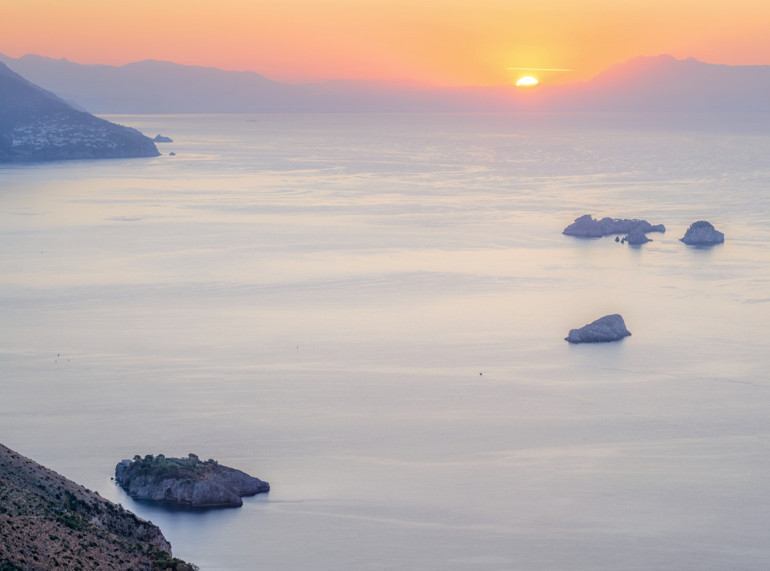
Immediately following the Sirens, the ship had to navigate a perilous maritime passage bounded by Scylla, a six-headed sea monster, and Charybdis, a catastrophic whirlpool. "This passage illustrates how leadership often requires making agonizing sacrifices for the survival of the whole," Aslan adds. Scholars link the Sirens to the Li Galli Islands off the Amalfi Coast, while the terror of Scylla and Charybdis corresponds to the treacherous currents of the Messina Strait between Sicily and mainland Italy.
Büyükkoyuncu highlights the modern appeal of these coastal destinations. The Strait of Messina narrows to just three kilometers, and while modern vessels cross in minutes, watching the whirlpools and currents from Messina or taking a ferry across to Reggio Calabria evokes the danger faced by ancient navigators. Meanwhile, morning boat tours around the Li Galli archipelago reveal crystal-clear waters near Positano and Amalfi. Nearby, the island of Capri offers world-famous sights, including the Blue Grotto, Monte Solaro, the Gardens of Augustus, and Marina Grande.
As a bonus stop on the Homeric map, many scholars identify the lush island of Corfu in Greece as Scheria, the land of the Phaeacians, where a washed-up Odysseus was rescued by Princess Nausicaa. Visitors to Corfu can explore its UNESCO-listed Old Town—defined by Venetian fortresses, French arcades, and British neoclassical architecture—before visiting the secluded coves of Paleokastritsa, believed to be the spot where Odysseus washed ashore.
- Mythological Figures of the Region:
- Circe: Goddess of magic, potion-making, and transformation, regarded as one of ancient literature’s earliest sorceresses.
- The Sirens: Dangerous mythological creatures whose captivating songs seduced mariners toward catastrophic shipwrecks.
The Long-Awaited Homecoming: Finding Refuge on the Island of Ithaca
After twenty long years—ten spent fighting at Troy and ten wandering the seas—Odysseus finally arrived on the shores of his native kingdom.
Key Destination: Ithaca Island, Greece
Upon landing in Ithaca, Odysseus found his kingdom overrun by insolent suitors vying for the throne and the hand of his wife, Queen Penelope. To protect him, the goddess Athena disguised Odysseus as an elderly beggar, allowing him to inspect his household unnoticed. Only his faithful old dog, Argus, recognized his master despite the passage of two decades. With the help of his son Telemachus and a few loyal servants, Odysseus reclaimed his palace, restored order, and brought long-awaited peace to his realm.
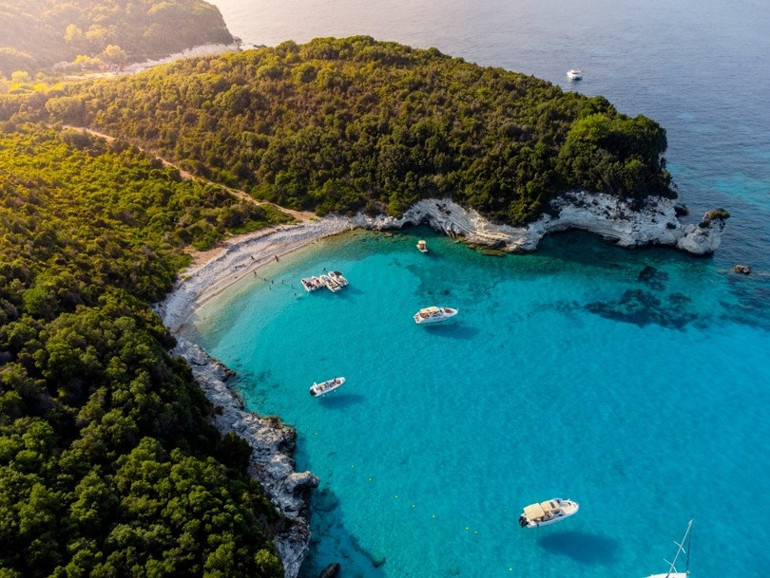
Prof. Aslan notes that the modern island of Ithaca, situated in the Ionian Sea, remains one of Greece’s most serene and unspoiled destinations. "Ithaca’s rugged mountains, tranquil olive groves, and quiet fishing coves mirror the modest yet peaceful homeland described so poetically by Homer," he says.
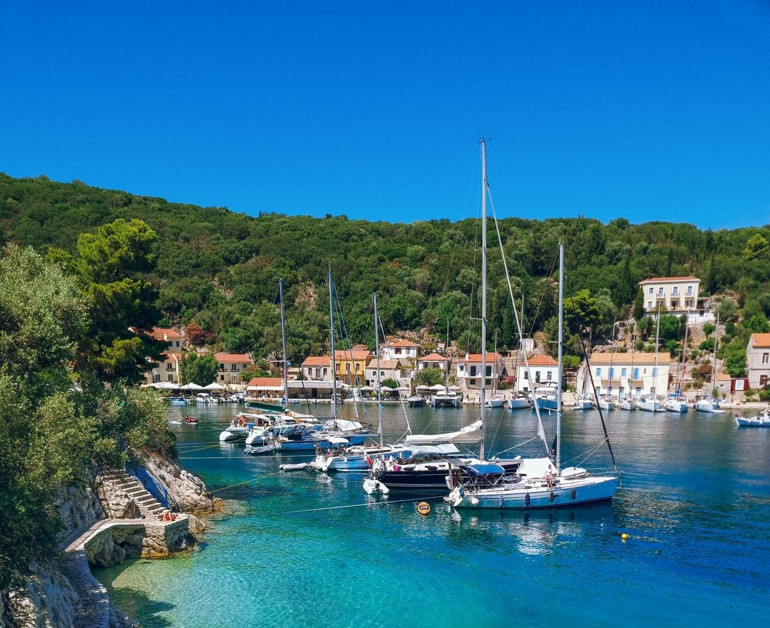
For travelers visiting Ithaca today, the island offers an authentic glimpse into the peaceful culmination of the epic. The capital town of Vathy features colorful waterfront houses surrounding a sheltered bay. In the north, Polis Bay serves as a key point of interest associated with Homeric lore, located near the sacred Loizos Cave where ancient votive offerings were discovered. Additionally, recent archaeological excavations at Aetos have uncovered structural ruins believed by several archaeologists to be the historic Palace of Odysseus, offering an exciting connection to the ancient text.
- Mythological Figure of the Region: Athena, goddess of wisdom, strategic warfare, and handicraft. Throughout the decade-long ordeal, Athena serves as Odysseus’ divine protector, guiding his steps with counsel, disguise, and strategic brilliance.
With Nolan’s Odyssey continuing to command international box offices, the enduring appeal of Homer’s masterpiece remains undiminished. By weaving profound human truths into an unforgettable journey across the Mediterranean, the ancient epic continues to inspire travelers, readers, and moviegoers alike to explore the historical roots of Western literature.