

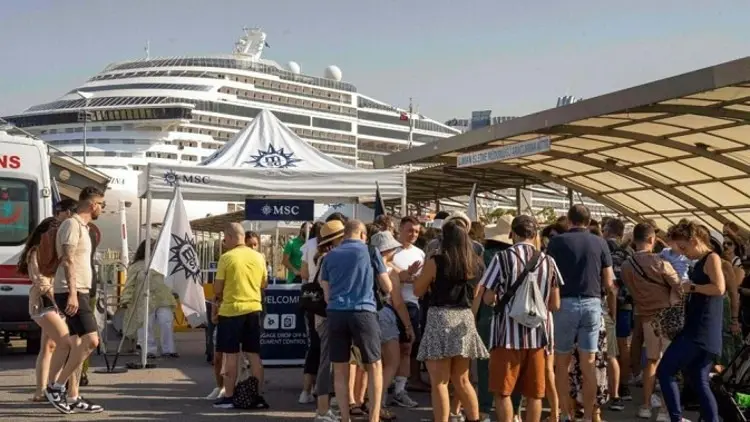
İZMİR, Turkey — Maritime tourism across the province of İzmir experienced notable growth during the first seven months of the year, driven by an increasing number of passenger liners calling at the region’s key coastal terminals. Official maritime traffic data covering the period from January through July reveals that a total of 90,907 cruise passengers arrived across the three primary ports of İzmir—Alsancak, Çeşme, and Dikili—marking a solid upward trajectory for cruise operations along Turkey’s Aegean coastline.
The newly released figures demonstrate a significant increase compared to the corresponding seven-month period of the previous year, when the same trio of ports welcomed 77,133 cruise travelers. The gain of more than 13,700 visitors underlines the expanding footprint of Eastern Mediterranean and Aegean cruise itineraries, reflecting sustained interest from international cruise lines in scheduling regular port calls along the western coast of Anatolia.
Maritime travel in the region has maintained a steady momentum throughout the spring and summer months, supported by favorable weather conditions, well-established port services, and proximity to major historic and cultural sites. The combined operational performance of the central terminal in urban İzmir, the resort-focused harbor on the Çeşme peninsula, and the northern coastal gateway of Dikili underscores the multifaceted appeal of the province’s maritime facilities to different segments of the global cruise industry.
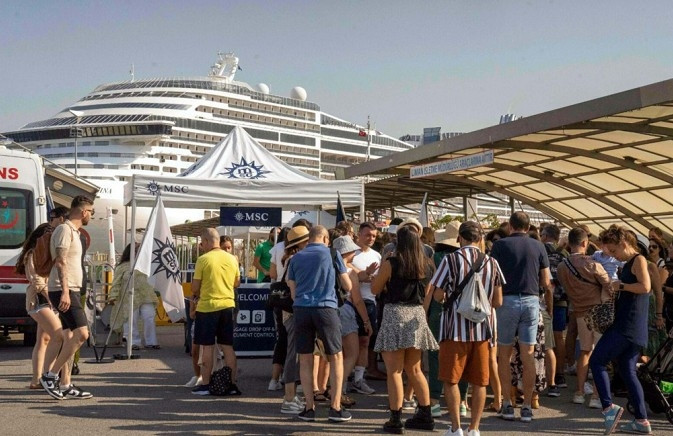
The statistical surge reflects a broader pattern of recovery and expansion for Turkey’s port infrastructure, which has seen heightened vessel activity as global cruise operators optimize their Aegean sailing schedules. Ports along the Aegean Sea serve as critical transit points for multi-country Mediterranean voyages, connecting Turkish coastal destinations with regional Greek islands and major Southern European hubs.
Highest Increase Recorded at Alsancak Port
The sharpest year-over-year growth in vessel visits was registered at Alsancak Port, situated in the heart of İzmir’s provincial capital. During the first seven months of the year, Alsancak Port received 35 cruise ship calls, representing a marked increase from the 28 vessels that docked at the terminal during the exact same period in the previous year.
Located near the center of Turkey’s third-largest city, Alsancak Port plays a pivotal role in the region’s urban tourism economy. The arrival of 35 cruise liners provided thousands of sea travelers with direct access to İzmir’s metropolitan core, allowing passengers easy disembarkation onto the city’s waterfront promenade, historic commercial districts, and urban transport networks. The increase in ship dockings at Alsancak reflects both an uptick in vessel deployments by major cruise operators and the port’s capacity to accommodate larger passenger ships requiring deep-water berth facilities.
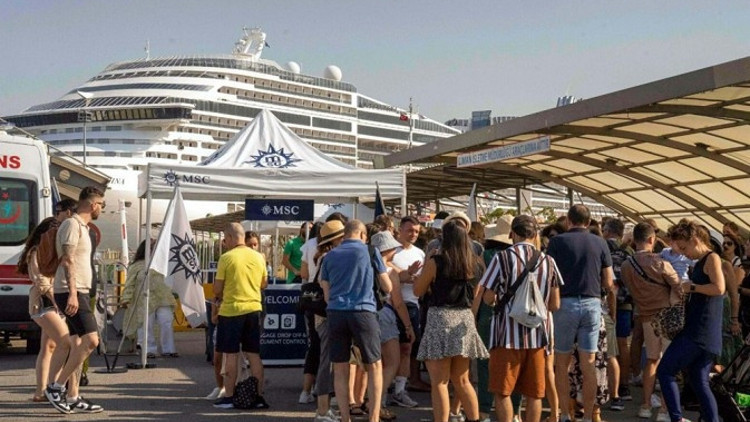
The steady influx of vessels at Alsancak highlights the commercial importance of urban port stops within Mediterranean cruise itineraries. Unlike dedicated resort harbors, Alsancak serves as a dual-purpose maritime facility that integrates heavy cargo logistics with specialized cruise passenger processing. The modern terminal infrastructure enables smooth customs clearance, efficient passenger transfer, and direct tour coach dispatch, making it a preferred stop for multi-destination regional cruises.
While Alsancak achieved the highest numerical growth in ship calls, the peninsula district of Çeşme maintained the largest overall vessel volume among the three featured İzmir locations. Çeşme Port hosted 39 cruise ships during the seven-month stretch. Known for its extensive boutique harbor facilities, proximity to popular Aegean holiday resorts, and direct ferry connections across the Aegean Sea, Çeşme continues to draw mid-sized passenger ships and luxury boutique cruise vessels targeting high-end leisure travel experiences.
Further north along the provincial coast, Dikili Port welcomed 10 cruise ships between January and July. Positioned in the northern coastal corridor of İzmir Province, Dikili serves as an essential maritime access point for cruise liners operating specialized regional itineraries. The port’s geographic position allows cruise passengers to access northern Aegean coastal districts and nearby historic landmarks without requiring extensive overland detours from southern port hubs.

The distribution of cruise dockings—39 ships at Çeşme, 35 at Alsancak, and 10 at Dikili—demonstrates how maritime tourism traffic is partitioned across different geographic zones within İzmir Province. Each port fulfills a unique function within the regional maritime logistics ecosystem, offering cruise lines varied operational choices based on ship size, passenger demographics, and designated excursion itineraries.
The year-over-year growth from 77,133 to 90,907 passengers reflects the cumulative impact of these complementary port operations. The baseline figure of 77,133 cruise passengers recorded in the first seven months of the prior year provided a strong foundation, but the addition of seven extra vessel calls at Alsancak along with consistent operational schedules at Çeşme and Dikili propelled total passenger volume past the 90,000 threshold before the close of the peak summer season.
Industry observers note that cruise ship arrivals generate significant local economic activity during their short port stays. When passenger liners dock at Aegean terminals, the influx of travelers stimulates demand across local transportation services, retail shops, food and beverage establishments, and regional tour operations. The direct landing of over 90,000 passengers across seven months translates into thousands of daily shore excursions, benefiting local guide services, cultural heritage sites, and commercial vendors in central İzmir, Çeşme, and Dikili.

Port authorities and maritime logistics providers in İzmir have maintained continuous operations to ensure seamless passenger handling, coordination with customs officials, and reliable berth allocations across all three facilities. The structured management of passenger flow at Alsancak, Çeşme, and Dikili has allowed the province to absorb the increased vessel volume without operational delays or logistical bottlenecks.
The positive passenger statistics reported for the first seven months set a optimistic benchmark for the remainder of the cruising season in the Aegean. With cruise operators increasingly solidifying their schedules in the Eastern Mediterranean, İzmir’s combined port system of Alsancak, Çeşme, and Dikili remains well-positioned to maintain its status as a core maritime destination along Turkey’s western sea corridor.