

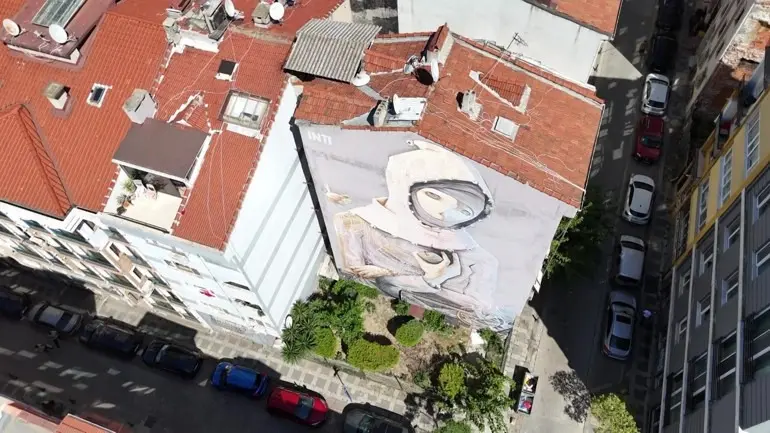
In a comprehensive global evaluation covering 155 cities across the world, international travel publication Brooklyn Of has officially named Yeldeğirmeni, a historic enclave situated within Istanbul’s vibrant Kadıköy district, as the city’s "coolest" neighborhood. Distinguished by its fiercely independent spirit, expansive mural-adorned streets, and rich network of local small businesses, the historic sector earned top honors in the publication’s annual urban study, surpassing several of Istanbul’s most famous and long-established cultural quarters.
The evaluation process conducted by Brooklyn Of sought to capture the true, unvarnished pulse of global cities by stepping away from traditional tourist paths and commercial hotspots. Rather than focusing on areas dominated by international retail conglomerates, luxury developments, or corporate sponsorships, the publication designed a methodology anchored in authentic local living. The selection criteria placed immense weight on grassroots research, relying on input from neighborhood residents, local cultural figures, and socially engaged individuals who actively shape and experience the everyday life of these urban spaces.
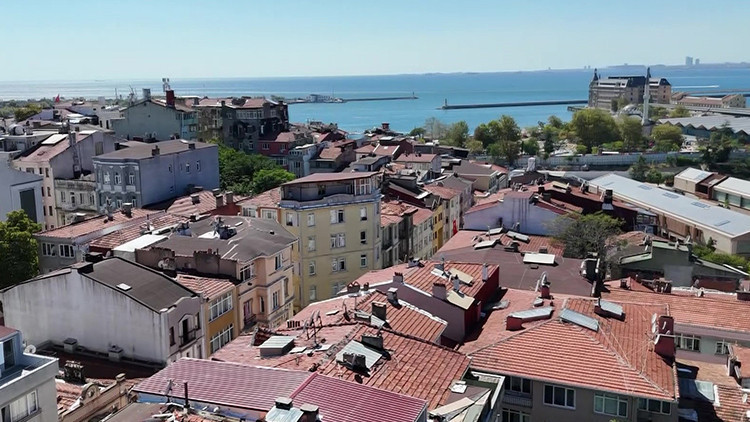
By steering clear of paid promotional material and commercial influence, the publication aimed to highlight districts that preserve a genuine sense of identity while remaining accessible, creative, and welcoming to both residents and travelers. In Istanbul, a metropolis celebrated for its vast geographic reach and profound historical complexity, the search focused on identifying a neighborhood that seamlessly weaves together historic heritage with modern, bottom-up cultural vitality.
While several of Istanbul’s most iconic neighborhoods featured prominently in the final assessment, Yeldeğirmeni ultimately claimed the top spot. Competing destinations such as Moda, Balat, and Karaköy were each recognized for their distinct urban characteristics, yet Yeldeğirmeni stood out for its unique capacity to harmoniously integrate the finest qualities of all three into a single, cohesive community.

Per Stenius, the founder of Brooklyn Of, offered detailed insights into the comparative evaluation that ultimately favored Yeldeğirmeni over Istanbul’s other celebrated districts. Stenius pointed out that while neighboring Moda is widely admired for its lush green coastal parks, relaxed maritime atmosphere, and well-established residential infrastructure, it presents a somewhat more settled and mature character. Similarly, Balat, situated along the shores of the Historic Peninsula, captivates visitors with its deep historical lineage, colorful centuries-old architecture, and traditional heritage, but operates under different urban dynamics. On the European side of the city, Karaköy has evolved into a stylish showcase of upscale hospitality, modern dining concepts, and high-end boutique venues.
However, according to Stenius, Yeldeğirmeni distinguishes itself by taking these disparate elements—history, greenery, sophisticated dining, and community intimacy—and fusing them into an organic, unpretentious neighborhood culture. The publication emphasized that Yeldeğirmeni has managed to cultivate an environment where historical preservation and contemporary creativity exist side by side without succumbing to hyper-commercialization. It is this balance of independence, community cohesion, and artistic freedom that elevated Yeldeğirmeni above its peers.

An Open-Air Gallery With Over 60 Murals
A defining feature of Yeldeğirmeni’s appeal, particularly among younger generations, art enthusiasts, and cultural explorers, is its dramatic visual landscape. Over the past decade, the neighborhood has undergone a remarkable visual evolution, transforming its narrow historical corridors into one of Istanbul’s primary open-air galleries for public visual art.
The district currently boasts more than 60 large-scale wall paintings, or murals, created by prominent local and international street artists. These towering artworks, painted across multi-story residential building facades and historical brick walls, have redefined the area’s public space. The murals depict a wide range of themes, from abstract visual commentary and surreal portraiture to environmental motifs and local cultural references, turning simple walks through the neighborhood into immersive artistic journeys.

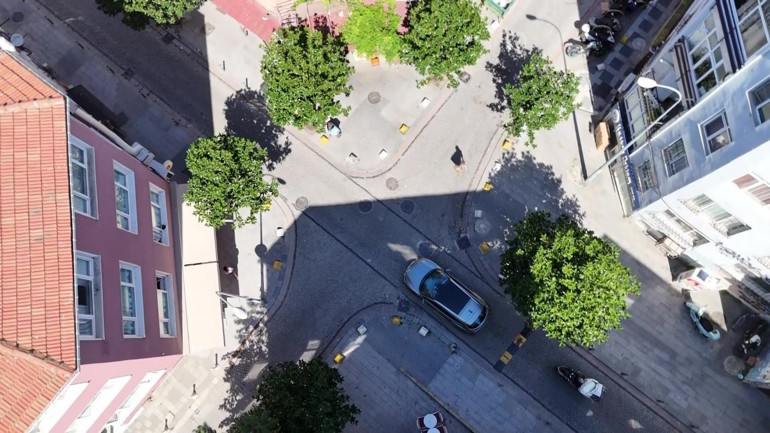
Recent aerial footage and drone surveys of Yeldeğirmeni illustrate the striking contrast between the neighborhood’s dense, grid-like Ottoman-era urban grid and the vibrant, modern artwork that graces its vertical surfaces. This visual juxtaposition has made the area an irresistible magnet for young people, students, photographers, and independent travelers looking for an authentic creative atmosphere away from conventional tourist itineraries.
Local business owners and long-time residents have observed this transformation firsthand, noting how the rise of street art and independent enterprise has breathed new life into the historic neighborhood. Tayfun Parlar, a local business operator who has witnessed the district’s evolution over many years, reflected on the changes that have swept through the area.
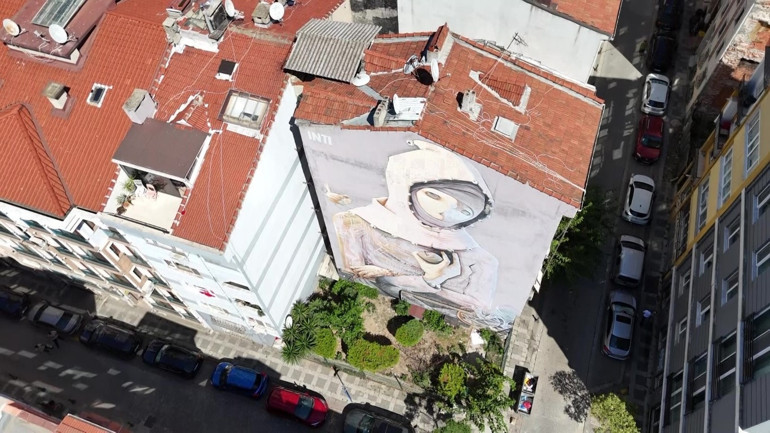
"There have naturally been many changes in our neighborhood," Parlar observed when discussing the transformation captured in recent visual documentation. "It is a very old and historical place. A number of the projects and changes that have been implemented have turned out to be very good for our neighborhood."
Parlar’s comments reflect a broader sentiment among local tradespeople and shopkeepers who have seen Yeldeğirmeni shift from a quiet, predominantly residential quarter into a dynamic hub of independent activity. The introduction of art galleries, third-wave coffee shops, vintage clothing boutiques, artisanal bakeries, and craft workshops has occurred alongside the preservation of traditional neighborhood institutions, such as historic bakeries, neighborhood groceries, and traditional coffeehouses.
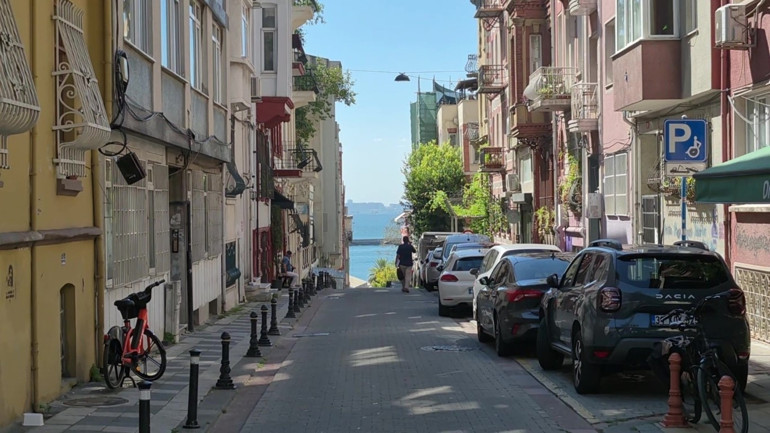
This dual identity is central to why Brooklyn Of singled out Yeldeğirmeni. Unlike urban areas where rapid development often displaces existing communities, Yeldeğirmeni has retained its traditional street life while absorbing new creative energy. Residents still greet one another at the local produce stands, while just a few paces away, artists and students gather in independent cafes framed by massive street murals.
The recognition by Brooklyn Of underscores a broader shift in international travel trends, where visitors increasingly seek out neighborhoods defined by local identity, social interaction, and independent spirit over commercial landmarks. Situated on the Anatolian side of Istanbul, Kadıköy as a whole has increasingly drawn global attention for its alternative cultural offerings, walkable streets, and active public life. Within this broader district, Yeldeğirmeni stands as a testament to how local history and grassroots modern culture can collaborate to create a vibrant, resilient urban environment.
As global interest in Istanbul’s Asian shore continues to grow, Yeldeğirmeni’s recognition as the city’s coolest neighborhood highlights the enduring value of independent culture, community-led preservation, and public art in defining the modern character of historic urban spaces.