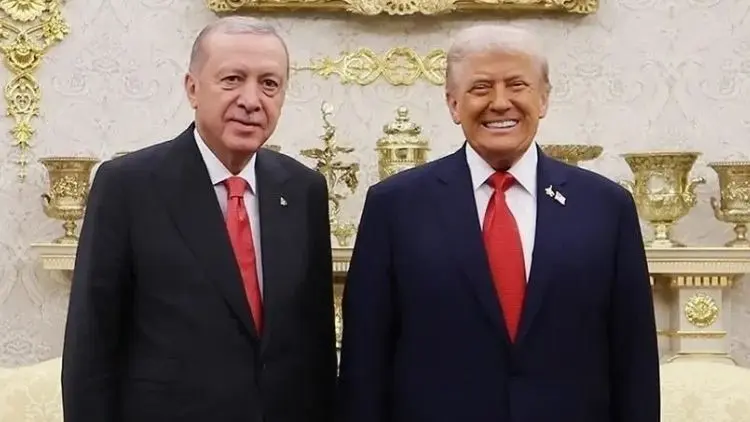
In a significant diplomatic exchange aimed at recalibrating the partnership between two NATO allies, Turkish President Recep Tayyip Erdoğan held a comprehensive telephone conversation with U.S. President Donald Trump. The discussion, which took place on November 8, 2026, focused on a wide array of critical issues, ranging from the future of bilateral cooperation to the resolution of volatile regional and global conflicts. The dialogue comes at a time when the international community is closely monitoring the shifting dynamics of global power, with both leaders expressing a shared desire to revitalize the historic relationship between Ankara and Washington.
According to official communications regarding the call, the primary focus remained on the enhancement of Turkey-U.S. bilateral relations. President Erdoğan underscored his firm belief that the cooperation between the two nations would not only continue but would grow in strength and scope in the coming period. This sentiment reflects a long-standing strategic ambition to move beyond the transactional nature of past interactions and toward a more integrated and institutionalized partnership. Erdoğan expressed his commitment to working closely with the U.S. administration to inject fresh momentum into these ties, signaling a proactive approach to resolving outstanding disagreements and capitalizing on shared interests in defense, trade, and regional security.
The conversation was not limited to bilateral concerns, as the two leaders delved into the complex geopolitical challenges currently defining the global landscape. A major portion of the discussion was dedicated to the ongoing tensions in the Middle East, specifically the friction between the United States and Iran. President Erdoğan, whose country shares a significant land border with Iran and maintains a delicate balance in its regional foreign policy, emphasized the urgent necessity of de-escalation. He conveyed to President Trump that the current atmosphere of hostility serves neither regional stability nor global peace.
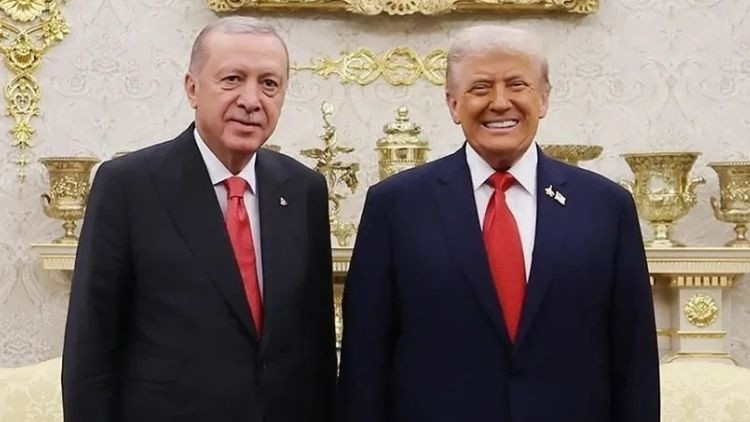
Erdoğan advocated for a return to the negotiating table, stressing that the myriad problems characterizing the U.S.-Iran relationship should be addressed through the rigorous application of diplomacy rather than through economic or military pressure. He reaffirmed Turkey’s readiness to play a constructive role in this process, noting that Ankara remains dedicated to exerting all possible efforts to foster an environment conducive to peace. The President’s remarks highlight Turkey’s traditional role as a diplomatic bridge between the East and the West, a position that Erdoğan appears keen to maintain as a cornerstone of his foreign policy.
The war between Ukraine and Russia, which continues to have profound implications for global energy markets, food security, and the security architecture of Europe, was another pivotal topic of the call. President Erdoğan expressed his hope that the recent intensification of diplomatic efforts to end the conflict would soon yield positive and tangible results. Turkey has been a central actor in mediation efforts since the early stages of the war, having facilitated the landmark Black Sea Grain Initiative and hosted high-level talks between Russian and Ukrainian officials.
During the call, Erdoğan reiterated Turkey’s stance that a sustainable peace can only be achieved through a negotiated settlement that respects international law. He assured President Trump that Turkey would continue to contribute actively to any diplomatic framework aimed at silencing the guns and restoring stability to the Black Sea region. This commitment underscores Ankara’s unique position as one of the few international actors capable of maintaining a functional dialogue with both Kyiv and Moscow, a role that Erdoğan views as essential for the broader security of the North Atlantic Alliance.
The discussion regarding the Ukraine-Russia conflict also touched upon the broader implications for NATO and the necessity of a unified approach to regional security. The Turkish President’s emphasis on "positive results" suggests a cautious optimism that a diplomatic breakthrough might be possible if the international community, led by major powers like the U.S. and Turkey, remains focused on a peaceful resolution.

President Erdoğan to Visit Azerbaijan for Victory Day Celebrations
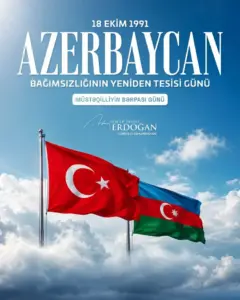
Following his diplomatic outreach to Washington, President Erdoğan is set to pivot his attention toward the Caucasus. At the invitation of Azerbaijani President Ilham Aliyev, the Turkish leader will embark on a high-profile visit to Karabakh today. This visit holds immense symbolic and strategic weight, as it coincides with Azerbaijan’s Victory Day, a national holiday commemorating the restoration of the country’s territorial integrity following the conflict in the region.
The relationship between Turkey and Azerbaijan, often described by the motto "One Nation, Two States," has reached unprecedented levels of military and economic integration in recent years. Erdoğan’s presence in Karabakh for the Victory Day celebrations is seen as a powerful reaffirmation of Turkey’s unwavering support for Baku’s regional sovereignty. The visit is expected to showcase the deep-rooted cultural and political bonds that unite the two nations, while also providing a platform for the two leaders to discuss the next phase of regional development.
During the visit, President Erdoğan and President Aliyev are scheduled to hold a private bilateral meeting. This session will serve as an opportunity to review the progress of various joint projects, particularly in the sectors of energy and infrastructure. The reconstruction of Karabakh, a process in which Turkish firms have played a leading role, will likely be a primary topic of discussion. Ankara has been heavily involved in the building of new roads, airports, and smart cities in the liberated territories, viewing the economic revitalization of the region as a key component of long-term stability in the Caucasus.
Beyond the immediate scope of Turkey-Azerbaijan relations, the two leaders will engage in extensive consultations regarding regional and global developments. The South Caucasus is currently at a crossroads, with ongoing efforts to normalize relations between Azerbaijan and Armenia and the potential opening of new regional transport corridors, such as the Zangezur Corridor. Such projects are of vital interest to Turkey, as they would provide a direct land link to Azerbaijan and the broader Turkic world, potentially transforming regional trade dynamics.

The meeting in Karabakh will also allow Erdoğan and Aliyev to synchronize their positions on broader global issues. As Turkey navigates its complex relationship with the United States and its mediation role in the Ukraine-Russia war, the support of a stable and prosperous Azerbaijan remains a critical asset. Conversely, Baku views its alliance with Ankara as its primary security guarantee and a gateway to integration with Western markets and institutions.
The timing of these two major diplomatic events—the phone call with President Trump and the visit to Azerbaijan—highlights the multifaceted nature of Turkish foreign policy under President Erdoğan’s leadership. By engaging with the U.S. President on global flashpoints while simultaneously solidifying regional alliances in the Caucasus, Erdoğan is seeking to position Turkey as an indispensable power at the intersection of Europe, Asia, and the Middle East.
The international community will be watching closely to see how the "momentum" Erdoğan hopes to build with the Trump administration translates into policy, particularly regarding defense cooperation and the resolution of regional crises. Simultaneously, the images of the Turkish and Azerbaijani leaders together in Karabakh will send a clear message regarding the shifting balance of power in the Caucasus and the permanence of the Turkish-Azerbaijani strategic axis.
As the day’s diplomatic schedule unfolds, the focus remains on whether these high-level interactions can move the needle toward a more stable and predictable international order. For President Erdoğan, the dual engagements represent a continued effort to balance Turkey’s obligations as a NATO member with its ambitions as a rising regional leader, utilizing both personal diplomacy and strategic partnerships to navigate an increasingly fragmented global landscape.