BATMAN, TURKEY — In an inspiring demonstration of community solidarity, educational integration, and hands-on learning, high school students in the southeastern Turkish province of Batman have successfully launched and executed a heartwarming social responsibility project. Under the banner of the "From Producing Hands to Smiling Faces" initiative, students enrolled in the Fashion Design Department of Batman Kültür Vocational High School have designed, tailored, and sewn brand-new school uniforms for approximately 250 primary school children studying across 13 rural village schools.
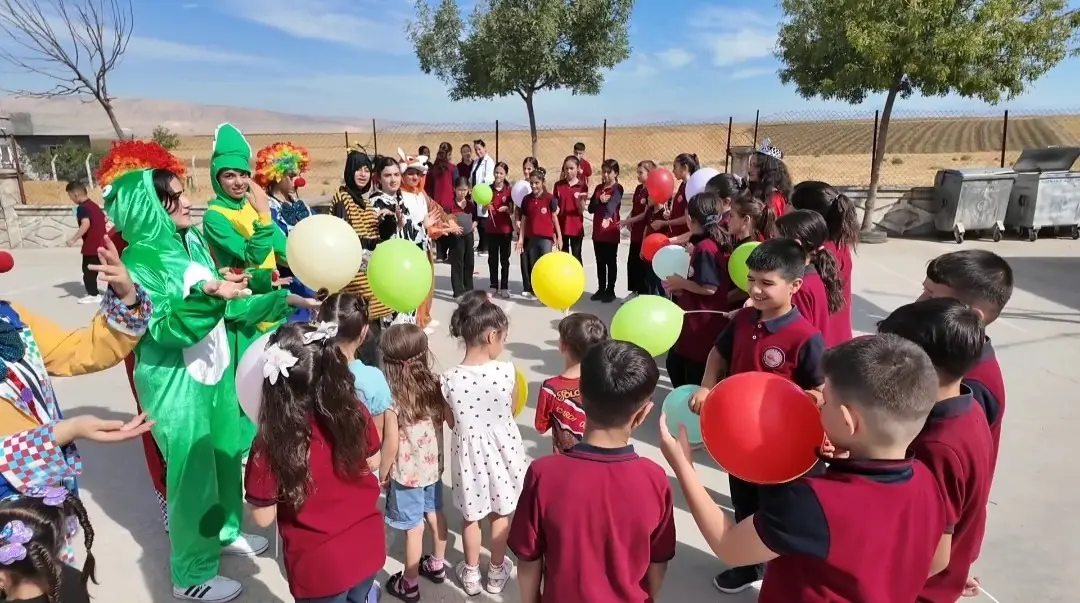
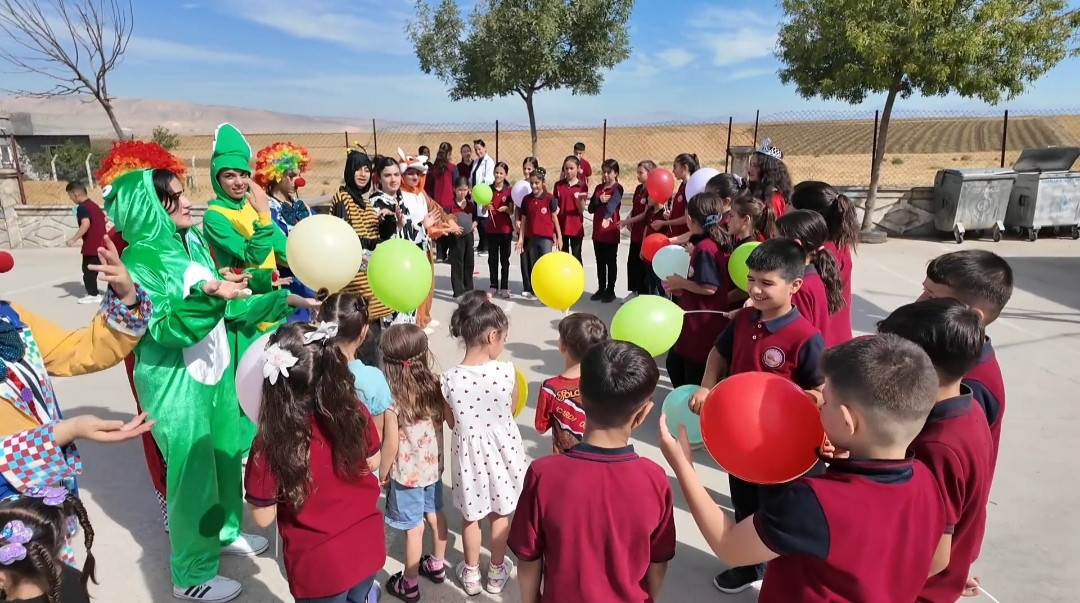
The project, which seamlessly bridges the gap between vocational training and humanitarian aid, reached a major milestone with a special visit to the Çarıklı Primary School, located in the central district of Batman. During the visit, the high school students personally delivered the custom-made uniforms to the young children, transforming an ordinary school day into a festive celebration filled with laughter, games, and mutual appreciation.
Bridging the Gap: From the Classroom to the Community
The "From Producing Hands to Smiling Faces" project (originally titled "Üreten ellerden, gülen yüzlere") was conceived as a multi-dimensional educational initiative. By tasking high school students with the responsibility of manufacturing real-world clothing for children in need, the program aims to cultivate both professional expertise and civic empathy.
For the students of the Fashion Design Department at Batman Kültür Vocational High School, the project represented a significant departure from standard classroom exercises. Rather than working on practice fabrics, standard mannequins, or abstract designs that would ultimately remain on display in a school workshop, these young designers found themselves tasked with a major production run. They managed every stage of the manufacturing process, starting with the careful selection of fabrics. The materials needed to be durable, breathable, and comfortable enough to withstand the daily activities of energetic primary school children.
Once the appropriate fabrics were sourced, the students faced the logistical challenge of pattern making and sizing. Because the recipients spanned multiple grade levels—from first to fourth grade—the fashion design students had to create a wide range of sizes. They meticulously drafted patterns, cut the fabrics, operated industrial sewing machines, conducted quality control inspections, and carefully packaged each uniform. This hands-on experience offered them a realistic preview of the garment manufacturing industry, teaching them about efficiency, standardized sizing, and production deadlines.
The target audience for this project was carefully selected: children attending consolidated or multigrade village schools (known in Turkey as birleştirilmiş sınıf), which are often located in more remote, under-resourced rural areas. In these schools, children of different grade levels often share a single classroom and teacher due to low student populations in individual villages. By focusing their efforts on these specific institutions, the vocational students aimed to provide direct, practical support to families and educators who face unique geographic and economic challenges.
The culmination of weeks of hard work in the school’s workshops was realized when the high school students traveled to the villages to hand-deliver the products of their labor. The visit to Çarıklı Primary School served as a poignant example of the project’s success. Beyond merely distributing clothing, the older students spent the day interacting with the primary schoolers, organizing outdoor games, and participating in various recreational activities designed to build lasting bonds between the two groups.
‘They Supported All of Our Village Students’
The significance of the project was highly praised by local educational authorities, who view such initiatives as vital for the holistic development of both vocational students and rural communities. Speaking on the impact of the program, Batman Provincial Director of National Education, Yaşar Ciğer, emphasized the dual benefits of the project, noting how it aligns with the broader educational goals of the ministry.

"First and foremost, these uniforms, crafted by the students of our Kültür Vocational High School’s Fashion Design Department for their younger brothers and sisters in the villages, represent a beautiful realization of our project," Director Ciğer stated. "Under the ‘From Producing Hands to Smiling Faces’ initiative, which we designed and implemented as the Directorate of National Education, our high school students wanted to integrate their vocational studies with the needs of our younger students. To achieve this, the Fashion Design students produced complete sets of uniforms for nearly 250 students across 13 consolidated village schools in our central district."
Ciğer went on to highlight that the project went far beyond simple charity or material distribution. "Our students did not stop at merely manufacturing the uniforms. They went out into the field, met with the children, established meaningful communication, and provided comprehensive support to all of our village students. This level of interaction and social integration is incredibly valuable for their personal and professional growth."
The Director’s comments underscore a growing trend in Turkish educational policy, which seeks to revitalize vocational high schools. Once viewed through a narrow academic lens, these institutions are increasingly recognized as critical hubs of local production and community resilience. By manufacturing products that directly benefit public institutions—such as school furniture, chemicals, face masks during public health crises, and now, custom apparel—vocational schools are proving their worth as indispensable community assets.
In rural provinces like Batman, where the socioeconomic divide between urban centers and remote villages can be pronounced, projects of this nature act as vital social equalizers. By directing the productive capacity of urban vocational schools toward rural primary schools, the local directorate of education is creating a self-sustaining ecosystem of mutual support that maximizes public resources while delivering high-quality goods to those who need them most.

‘I Liked My Uniform Very Much’
For the primary school students in the rural villages, the arrival of the older students from the city center was a highly anticipated event. The delivery of the uniforms was met with immense excitement, as many of the children had never received custom-tailored clothing made specifically for them by older peers.
Zehra Çağır, a fourth-grade student at Çarıklı Primary School, shared her joy and gratitude after receiving her new outfit. "The older sisters and brothers from the high school made these uniforms for us," she said, her face lighting up with a smile. "Today, they brought our uniforms and gave them to us as gifts. We are so thankful to everyone who worked to make these for us. We also played wonderful games and did great activities at school today. We had so much fun. I liked my uniform very much—it fits me perfectly. Thank you all so much."
Another student, third-grader Bünyamin Fidan, expressed similar excitement about the transition to his new school attire. "Our older brothers and sisters from the high school made these uniforms for us, and we are so happy to finally have them," Fidan said. "I like my uniform a lot. Starting tomorrow, I will be coming to school wearing my brand-new uniform."
For children in rural areas, receiving new school uniforms is more than just a material upgrade; it represents a profound psychological boost. In many rural communities, families face financial constraints that make purchasing new school uniforms a secondary priority compared to basic household needs. Providing these uniforms free of charge relieves a significant economic burden from parents while ensuring that every child can attend school on equal footing with their peers.

Uniforms foster a sense of equality, pride, and belonging within the academic environment, minimizing visible socioeconomic differences among students. When vocational high school students take the time to visit these schools, play games with the children, and present these gifts in person, it sends a powerful message to the younger generation that they are valued, supported, and remembered by the wider community. It also provides the younger children with positive, relatable role models—older teenagers from their own region who are acquiring valuable, practical skills and using them to help others.
A Model for Social Responsibility in Education
The success of the "From Producing Hands to Smiling Faces" project in Batman serves as an exemplary model for how local directorates of education can leverage existing school resources to address community needs. By transforming a standard curriculum requirement into a community outreach program, the Batman Kültür Vocational High School has shown that educational institutions can operate as active agents of social welfare.
Furthermore, the initiative highlights the practical value of vocational training. Students in the Fashion Design Department did not just learn how to sew; they learned how to manage a large-scale project, work under deadlines, collaborate as a team, and understand the real-world impact of their craft. The pride of seeing a younger child smile while wearing a garment they created with their own hands provides an educational experience that cannot be replicated within the confines of a traditional classroom. It builds character