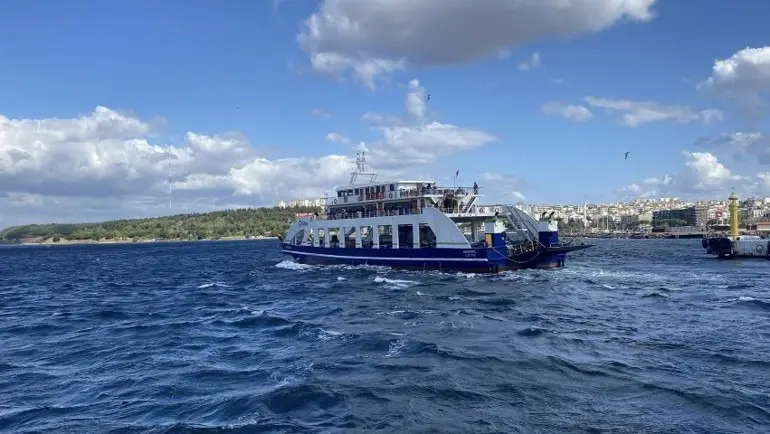
Severe weather conditions sweeping across the northern region of the Aegean Sea have brought sea transportation to a complete standstill along key island routes in northwestern Turkey. GESTAŞ Maritime Transportation, the primary operator managing passenger and vehicle transport across the Çanakkale Strait and nearby Aegean islands, announced that all scheduled ferry trips connecting the mainland to the islands of Gökçeada and Bozcaada have been canceled for the following day due to forecasted gale-force winds and hazardous sea conditions.
The decision was finalized on the afternoon of October 13, 2026, following updated meteorological assessments indicating a rapid deterioration in weather conditions across the Northern Aegean basin. The severe weather system, characterized by high-velocity gale-force winds and rough seas, poses substantial operational risks to open-water maritime transit, prompting transportation authorities to enact safety protocols and preemptively suspend service across the affected routes.
Storm Conditions Prompt Full Cancellation of Northern Aegean Ferry Operations
According to official information released by GESTAŞ, the cancellations impact both major island transit corridors managed by the company in the region. Specifically, all round-trip ferry journeys between Kabatepe and Gökçeada, as well as those between Geyikli and Bozcaada, scheduled for October 14, have been called off entirely.
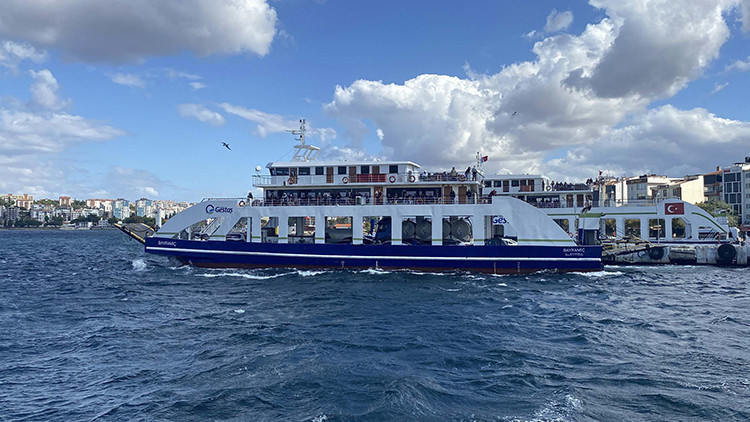
The maritime carrier confirmed that the severe atmospheric conditions in the Northern Aegean make safe navigation and harbor docking maneuvers impossible for standard roll-on/roll-off (Ro-Ro) passenger and vehicle ferries. The company routinely monitors real-time weather tracking systems and marine forecasts supplied by official meteorological services to evaluate sea state parameters, wind direction, and wave height before authorizing vessel departures.
When wind speeds exceed operational threshold limits and wave action generates hazardous conditions near pier facilities, full cancellations are enforced to prevent potential accidents, ship damage, or passenger distress at sea. Authorities emphasized that the preemptive announcement was issued to allow residents, local commercial drivers, and visitors to adjust their travel plans before heading to the mainland terminal points at Kabatepe and Geyikli.
Geographic Vulnerability and the Crucial Role of Island Sea Links
The islands of Gökçeada and Bozcaada are geographically exposed to the volatile weather dynamics of the Northern Aegean Sea, making their maritime links particularly sensitive to autumn and winter storm systems. Unlike the relatively sheltered waters of the Çanakkale Strait (Dardanelles), the open-sea passages connecting the Turkish mainland to these islands are fully exposed to prevailing wind patterns that can rapidly amplify sea swells.
Gökçeada, recognized as Turkey’s largest island, relies almost exclusively on the sea route operating out of the Kabatepe ferry terminal, located on the southwest coast of the Gallipoli Peninsula. The crossing requires ferries to navigate open Aegean waters where northerly and southwesterly winds frequently create high waves and cross-currents. Under normal conditions, the Kabatepe-Gökçeada line serves as a vital arterial route for the island’s population, carrying daily necessities, commercial goods, vehicles, and commuters.
Similarly, Bozcaada, a popular island destination situated further south off the coast of the Ezine district in Çanakkale province, is connected to the mainland via the port of Geyikli. Although the distance between Geyikli and Bozcaada is shorter than the Kabatepe-Gökçeada crossing, the narrow channel between the island and the Anatolian mainland is prone to heavy funneling winds that make berthing at Bozcaada’s historic and compact harbor exceptionally challenging during gale conditions.
Because neither island possesses direct mainland bridge access or commercial airport services for routine passenger transit, ferry operations function as the sole physical infrastructure linking island communities with the national transportation network. Consequently, any interruption in service immediately impacts daily life, local commerce, and travel itineraries across the province of Çanakkale.

Maritime Safety Standards and Northern Aegean Meteorology
Seasonal weather shifts in the Northern Aegean Sea are frequently accompanied by strong pressure gradients that drive intense winds across the region. During the autumn and winter months, storm systems often bring powerful northeasterly winds, locally known as Poyraz, or fierce southwesterly gales, known as Lodos. Both wind regimes are capable of generating steep, short-period waves that pose significant hazards to maritime navigation.
For vessel operators like GESTAŞ, managing safety during these meteorological events involves evaluating several interconnected risk factors:
- Vessel Stability and Windage: Modern passenger and vehicle ferries feature large surface areas above the waterline. Heavy crosswinds exert immense force against the sides of these vessels, complicating steering and increasing drift during transit.
- Harbor Approach and Docking Maneuvers: Pier facilities at Kuzu Port in Gökçeada and the municipal pier in Bozcaada are directly exposed to sea swells. Gale-force winds make precise alignment with landing ramps extremely difficult, carrying the risk of hard impacts against dock structures or grounding.
- Passenger Comfort and Safety aboard Ship: High wave amplitudes cause significant rolling and pitching motions, raising the likelihood of onboard slip hazards, unsecured vehicle movement, and severe motion sickness among passengers.
Maritime safety regulations dictate that vessel captains and fleet managers maintain absolute authority to suspend operations when weather metrics exceed safe design and operational boundaries. Operator protocols prioritize human life and vessel integrity over schedule compliance, leading to proactive service suspensions whenever severe gale warnings are issued for the Northern Aegean zone.

Implications for Island Logistics, Local Economy, and Passengers
The complete shutdown of ferry links between the mainland and the islands of Gökçeada and Bozcaada triggers widespread logistical adjustments across northwestern Turkey. The immediate consequences of such weather-induced suspensions ripple through several key sectors of local community life:
Supply Chain and Freight Continuity
Islands depend heavily on continuous roll-on/roll-off ferry trips for the daily delivery of fresh food produce, dairy items, fuel supplies, medical consumables, mail, and industrial materials. Freight trucks and delivery vans scheduled to cross from Kabatepe and Geyikli must wait at mainland staging areas or reschedule shipments until weather conditions subside and ferry service resumes.
Commuter and Public Services Transport
Residents living on the islands who travel to mainland Çanakkale for specialized healthcare, administrative business, educational commitments, or commercial activities face unexpected delays. Similarly, public service personnel, maintenance crews, and regional medical staff traveling to the islands are forced to pause travel plans until safe passage can be guaranteed.

Local Tourism and Commercial Trade
While peak summer tourism has passed, Bozcaada and Gökçeada continue to host autumn visitors, weekend travelers, and seasonal workers. Sudden service suspensions require hotel operators, regional transport companies, and local merchants to accommodate stranded guests or manage cancellations from incoming visitors unable to reach the islands.
To mitigate the impact on emergency services during periods of extended ferry disruption, local provincial authorities maintain contingency protocols. Emergency medical evacuations, when required, are coordinated through specialized maritime coast guard craft or air ambulance services, provided meteorological flight ceilings allow safe rotorcraft operation.
Monitoring and Restoration of Maritime Services
GESTAŞ has advised all prospective passengers and commercial transport drivers to stay informed regarding updated departure schedules through official communication channels. The company updates its digital platforms, automated call center systems, and social media feeds continuously as meteorological forecasts evolve.
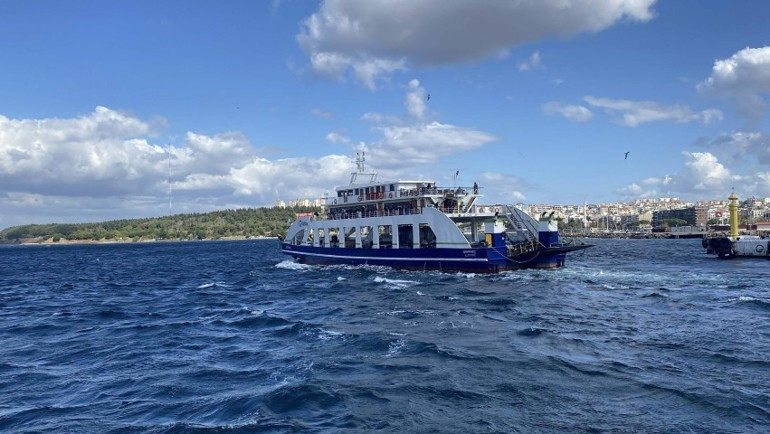
As the severe weather front traverses the Northern Aegean basin, maritime crews and operational management will conduct ongoing safety evaluations. Once wind speeds decrease to manageable levels and sea conditions stabilize within established safety thresholds, GESTAŞ is expected to gradually resume regular sailing schedules on both the Kabatepe-Gökçeada and Geyikli-Bozcaada lines, prioritizing stranded passenger traffic and essential supply transport.