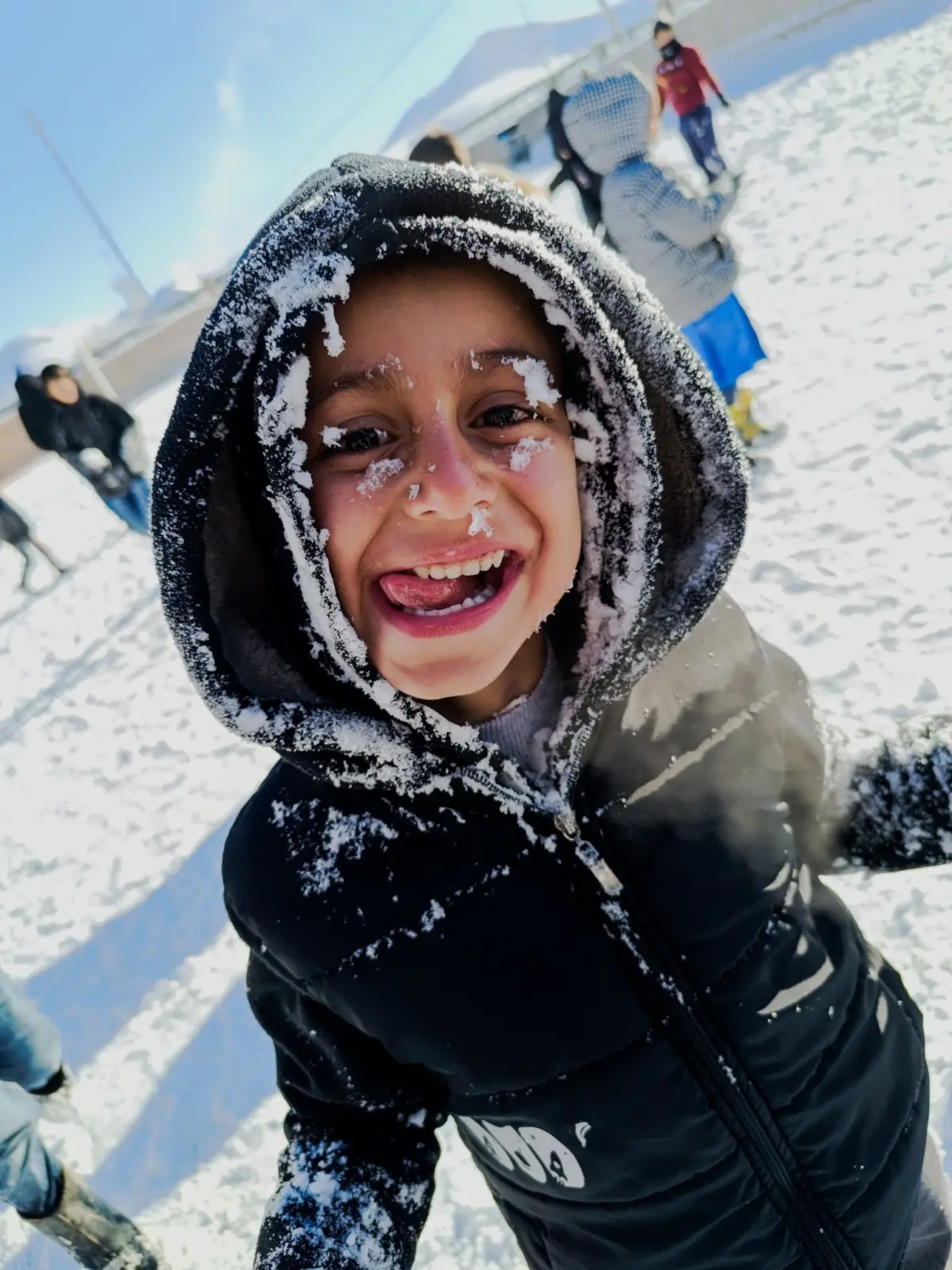
Severe winter conditions, including heavy snowfall, freezing ice, and intense blizzards, have prompted emergency administrative decisions across Eastern Türkiye. Local authorities in the eastern province of Van announced a temporary suspension of bused education in six major districts following hazardous atmospheric developments and formal evaluations from regional meteorological authorities. The preventive measures aim to safeguard thousands of students, teaching staff, and transport operators who travel daily across the region’s challenging, high-altitude rural terrain.
The decision affects primary and secondary pupils relying on the state-run transported education system (taşımalı eğitim) across the districts of Çaldıran, Muradiye, Tuşba, İpekyolu, Gürpınar, and Erciş. With weather reports warning of severe black ice on roadways and reduced visibility caused by blizzards, local district governorships acted swiftly to halt transportation services for one day to prevent potential accidents along treacherous mountain routes.
Local Governorships Announce School Transport Suspensions
The administrative decisions were coordinated and published independently by the respective district governorships (Kaymakamlık) across Van Province. Official statements confirmed that the suspension specifically targets the transported education framework, which connects isolated rural settlements, hamlets, and mountain villages to centralized educational institutions in district centers.
The District Governorship of Çaldıran issued an official declaration citing detailed assessments provided by the Regional Directorate of Meteorology. Officials highlighted that ongoing snowfall, accompanied by sub-zero temperatures leading to severe road icing and ground blizzards (tipi), created conditions unsuitable for safe vehicular transit. Consequently, authorities suspended bused education for one full day on Monday, November 9.
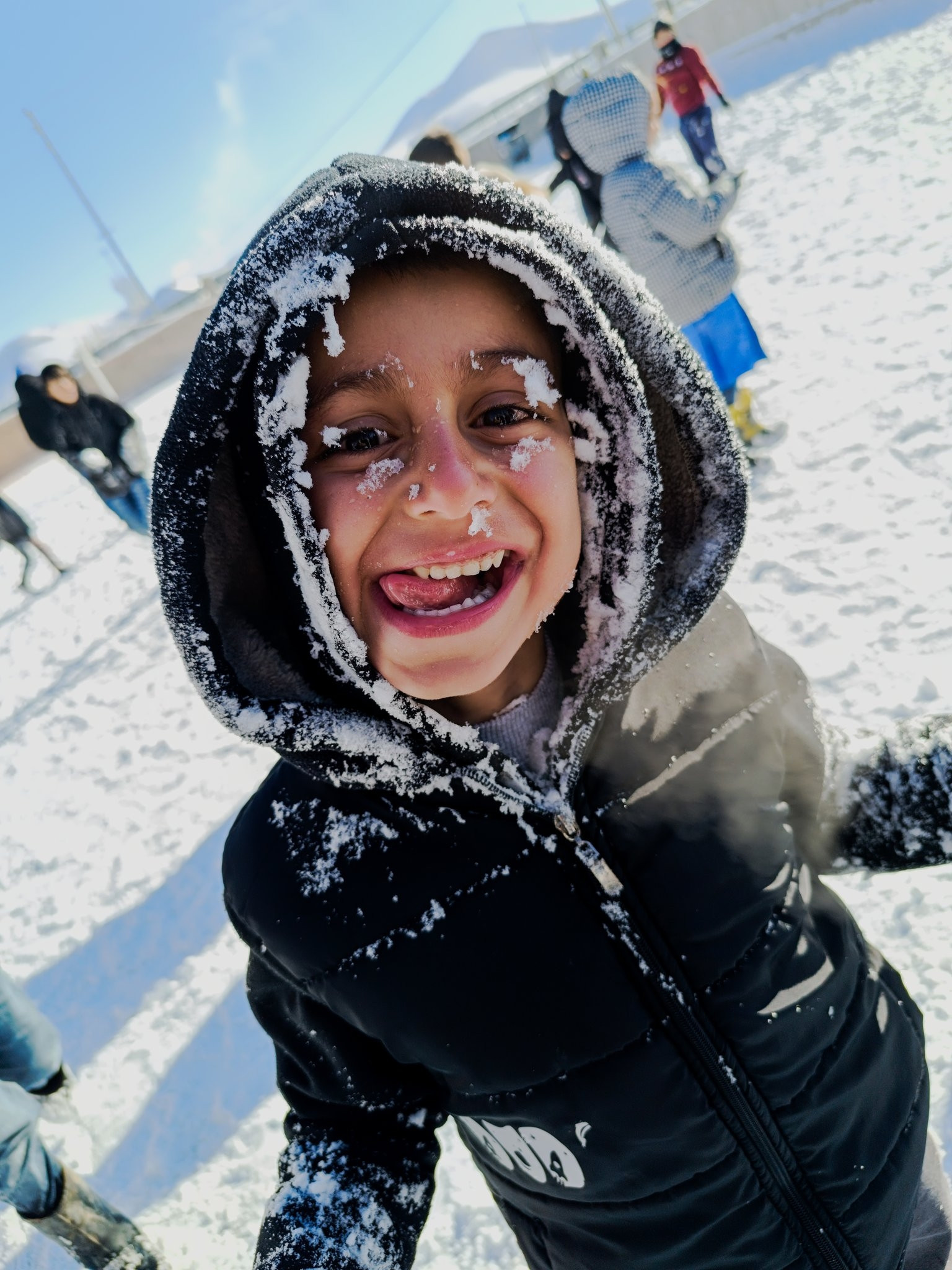
Shortly after the announcement in Çaldıran, administrative leadership in five additional districts—Muradiye, Tuşba, İpekyolu, Gürpınar, and Erciş—released matching directives. Each district governorship cited identical public safety risks, emphasizing that heavy snow accumulation, violent gusts blowing loose snow across highways, and extreme ice build-up posed an unreasonable hazard to student transport vehicles operating along high-elevation corridors.
While central schools within densely populated urban cores remained operational where road conditions allowed, rural bus routes feeding into these centers were deemed unsafe. Parents and school administrations were instructed to follow further guidance issued by local education boards and district security coordination centers as weather patterns developed.
The Operational Mechanics and Scope of Bused Education in Van
To understand the impact of the suspension, it is essential to contextualize the scale of transported education (taşımalı eğitim) within Türkiye’s national education infrastructure, particularly across the mountainous eastern provinces. Designed by the Ministry of National Education, the system provides daily door-to-door transportation for students residing in rural hamlets, small agricultural villages, and isolated mountain settlements that lack local school facilities.
In a province as geographically sprawling and topographically rugged as Van, the transportation network is both critical and complex. Small minibuses and specialized transport vans travel dozens of kilometers every morning and afternoon, traversing unpaved rural tracks, winding mountain passes, and exposed plateaus to deliver children to consolidated schools in district centers.
The six districts affected by the suspension cover vastly different topographies, each presenting unique winter logistics challenges:
- Çaldıran: Recognized as one of the coldest regions in Türkiye, Çaldıran sits at an extraordinarily high elevation. The district frequently experiences arctic-like conditions, extreme overnight freezes, and persistent snowdrifts that can render rural roads impassable within minutes.
- Gürpınar: Ranking among the largest districts by land area in Türkiye, Gürpınar features vast, sparsely populated mountainous terrain. Bus drivers here navigate long routes connecting high-altitude pasture villages to central schools, making transit exceptionally vulnerable to sudden blizzards.
- Erciş and Muradiye: Located along the northern shores of Lake Van and extending upward into steep highland corridors, these districts are prone to heavy snow accumulation driven by lake-effect moisture systems and severe squalls descending from surrounding peaks.
- İpekyolu and Tuşba: Serving as the central urban and suburban heartland of Van Province, these districts encompass both bustling city neighborhoods and extensive rural hinterlands. While city center streets are regularly cleared, outlying village roads feeding into Tuşba and İpekyolu often face severe icing and drifting snow.
When extreme winter weather strikes, student transport buses are among the first vehicles exposed to severe hazards. Rural mountain roads, often situated far from primary highway salt distribution centers, can turn into sheets of ice overnight. High winds across open plains create ground blizzards, drastically reducing visibility for drivers navigating narrow, unlit secondary roads.
Meteorological Warnings and Winter Regional Dynamics
The administrative action across Van Province follows explicit weather advisories issued by the Regional Directorate of Meteorology. Forecast models pointed to a severe cold front sweeping across Eastern Anatolia, bringing atmospheric conditions conducive to intense localized snowfall, sharp temperature drops, and gale-force wind gusts.
Meteorologists routinely caution that early winter storms in high-altitude basins like the Van region carry heightened risks. Fresh snowfall combining with freezing ground temperatures creates an immediate layer of black ice, which is notoriously difficult for heavy transport vehicles to detect. Furthermore, strong winds across open highland terrain generate the atmospheric phenomenon known locally as tipi—a blinding combination of falling snow and blowing surface snow that can drop driving visibility to near zero in seconds.

The Regional Directorate of Meteorology advised local authorities, municipal emergency crews, and the general public to exercise extreme caution against secondary winter hazards. In addition to transport disruptions, severe icing poses risks of structural damage, fallen power lines, and isolated rural access blockages.
Eastern Anatolia’s unique continental climate means that weather systems can deteriorate rapidly. High-altitude mountain passes—such as those connecting Çaldıran to neighboring Ağrı province, or high routes winding through Gürpınar—often experience rapid atmospheric shifts that transform manageable morning commutes into dangerous winter survival situations.
Emergency Response and Municipal Readiness
In response to the severe weather warnings and subsequent school transport suspensions, municipal road crews and regional highway departments across Van Province activated emergency winter maintenance protocols. Heavy machinery, including motor graders, snowplows, and salt-spreading trucks, were deployed to prioritize major intercity arteries and main access roads connecting district centers.
Local governorships, working in tandem with the Disaster and Emergency Management Authority (AFAD) and local gendarmerie units, established monitoring protocols to assist stranded motorists and ensure open emergency access routes. Secondary priority has been assigned to rural village roads, where heavy machinery is working to clear thick snow drifts and apply anti-icing compounds before student transport services are cleared to resume.

District national education directorates maintained continuous communication with transport contractors and school principals. Authorities emphasized that the decision to halt bused education reflects a zero-tolerance approach to student safety during acute weather events. School administrators were instructed to organize makeup study plans and distance learning materials where applicable so that affected students do not fall behind in their academic curriculum.
Public safety agencies urged private vehicle operators and commercial transport drivers across Van to outfit their vehicles with mandatory winter tires, carry snow chains, and avoid non-essential travel along high-elevation rural routes until weather conditions stabilize and road-clearing operations are fully completed.