Rich culinary heritage often finds its most enduring expression in communal dining, where hearty, comforting dishes are prepared to feed large tables of family and friends. Among these time-honored regional preparations, islama continues to stand out as a premier centerpiece for crowded dinner tables. Built on the harmonious union of thin sheets of phyllo dough or flatbread soaked in rich poultry broth, layered with toasted walnuts, enriched with generous measures of melted butter, and finished with tender pieces of pulled chicken meat, the specialty brings deeply satisfying rustic flavors to everyday kitchens and celebratory gatherings alike.
Despite its impressive visual appeal when brought to the table, islama remains remarkably accessible to home cooks. The process relies on layering seasoned components in a wide oven tray, allowing the savory chicken stock to infuse the pastry with moisture and flavor while the butter and crushed nuts introduce warmth and texture. To balance such a hearty, layered main dish, culinary tradition favors an ensemble of complementary accompaniments. From a velvety, soothing nut broth to acidic and fresh vegetable sides, alongside a crisp, syrup-infused pastry finale, pairing five distinct recipes—almond soup, sun-dried tomato meze, crisp seasonal salad, carrot tarator, and stone kadayif—creates a well-rounded and satisfying dining experience.
The Foundations and Preparation of Traditional Islama
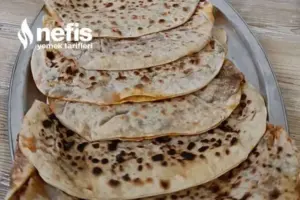
The enduring appeal of islama lies in its layered assembly, a technique deeply rooted in Turkish regional culinary traditions where staple ingredients are elevated into communal feasts. At the core of the dish are sheets of dough—typically yufka or unleavened flatbread—that are systematically bathed in hot chicken broth. This moistening step, from which the dish derives its descriptive name, ensures that the bread absorbs the full depth of the poultry essence without losing its structural integrity.

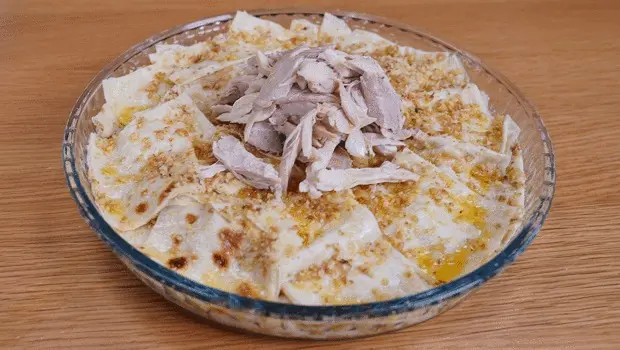
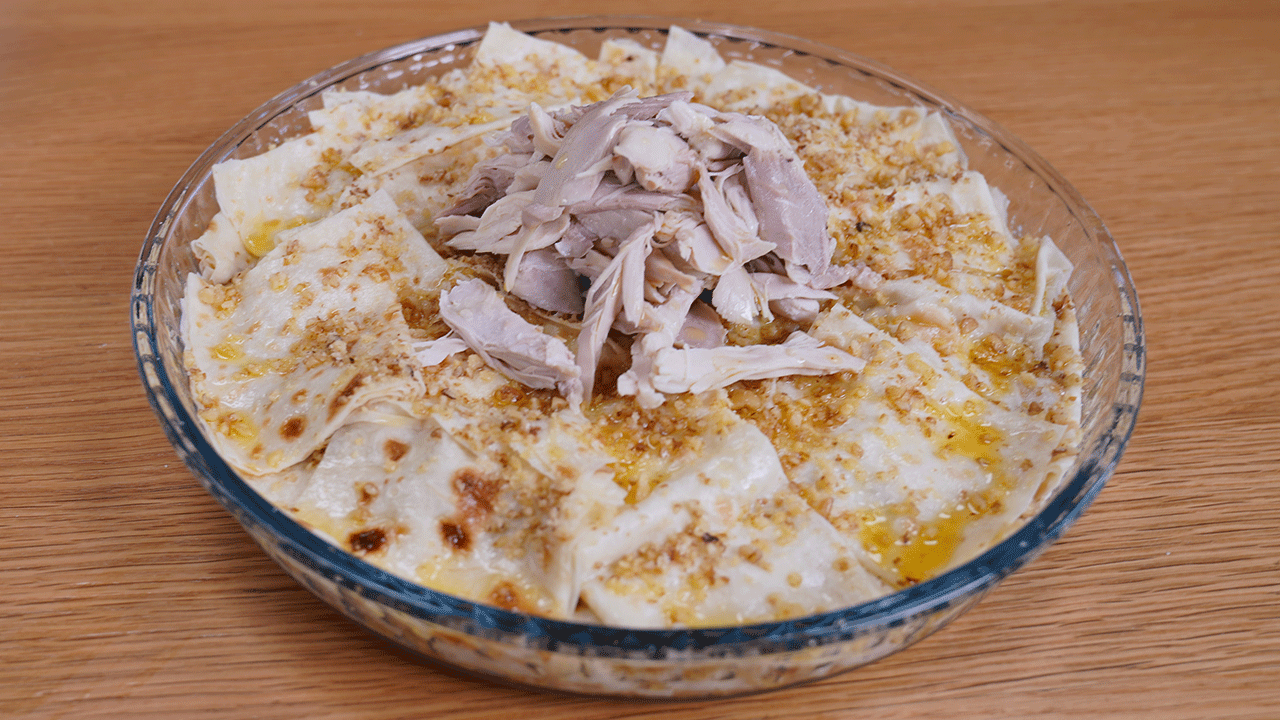
Between and atop these moistened layers, cooks distribute finely chopped or ground walnuts and melted butter. The butter lends a rich gloss and comforting aroma, while the walnuts introduce an earthy richness and an agreeable textural contrast to the soft pastry beneath. Once the tray is fully assembled with successive layers of soaked dough, nuts, and fat, it is crowned with tender, seasoned pieces of shredded or pulled chicken meat.
The assembled tray is typically placed in an oven, allowing the ingredients to marry, the top layers to develop slight golden edges, and the savory juices to settle evenly throughout the base. When presented straight from the baking pan or sliced neatly onto large platters, islama provides a nourishing, multi-textured main course that reliably satisfies large gatherings. Because the preparation requires simple pantry essentials rather than complicated culinary gymnastics, it offers an efficient yet impressive solution for home cooks entertaining substantial parties.

Five Complementary Recipes to Complete the Spread
While islama provides a robust and filling center for the meal, an accompanying spread of appetizers, salads, and sweets creates a balanced dining experience. Each side serves an intentional purpose: introducing creaminess, brightness, acidity, or crunch to counter the rich density of the butter- and broth-soaked pastry.
Almond Soup: An Elegant, Velvety Beginning
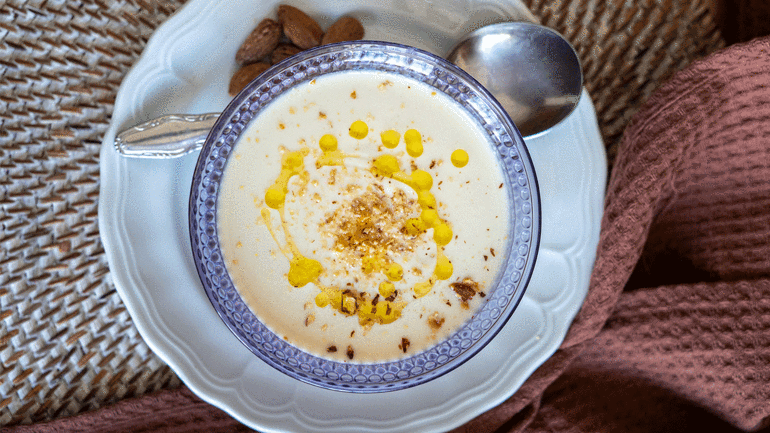
To introduce the meal, badem corbasi, or almond soup, serves as a delicate and refined first course. Renowned for its silk-like consistency and gentle mouthfeel, the soup prepares the palate without overwhelming it ahead of the heavier main course.

Prepared by blending ground blanched almonds into a smooth, lightly thickened stock or milk base, this soup delivers subtle nuttiness in every spoonful. The velvety texture glides smoothly, offering warmth and comfort while maintaining an overall lightness that complements the subsequent courses. Its understated elegance makes it particularly fitting for hosting, providing guests with an appetizing prelude that sets a refined tone for the feast to follow.
Sun-Dried Tomato Meze: Tangy and Aromatic Contrast
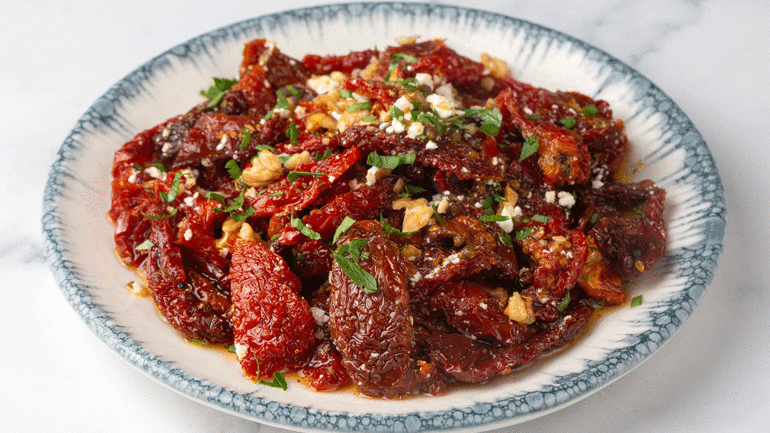
To cut through the richness of the chicken broth and butter in the islama, cold appetizers with pronounced acidity and herbal notes are essential. The sun-dried tomato meze fulfills this role by combining intensely concentrated dried tomatoes with fragrant olive oil and minced garlic.
The tomatoes are rehydrated and tossed with high-quality olive oil, allowing their natural sweetness and chew to soften into a vibrant spread. The addition of tart pomegranate molasses and fragrant dried thyme introduces an appetite-whetting complexity. The sharp, slightly sour kick of the molasses tempers the sweet notes of the dried fruit, while the garlic and thyme infuse the oil with a savory depth. Served alongside warm bread or enjoyed directly with the main dish, this meze provides a punchy contrast that revitalizes the palate between bites.
Crisp Seasonal Salad: Freshness and Color
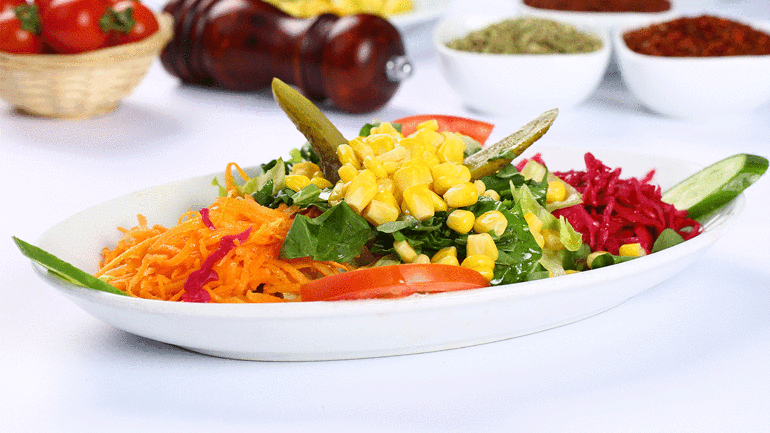
No communal gathering around a rich main course is complete without a dynamic, colorful vegetable salad. A properly composed seasonal salad brings a vivid palette and lively crunch to the table, enlivening both the presentation and the flavor balance of the spread.
This fresh accompaniment brings together a foundation of crisp lettuce, finely shredded red cabbage, and peppery wild arugula. To build further textural variety and natural sweetness, tender whole kernel corn and freshly grated carrots are folded throughout the bowl. Tossed in a clean, sharp dressing of lemon juice and olive oil, the salad offers a vibrant, nutrient-dense counterpoint. The clean crispness of the raw greens and the acidity of the citrus cut through the savory fat of the buttered dough, ensuring that each bite of the rich islama feels just as satisfying as the first.
Carrot Tarator: Creamy, Refreshing Simplicity
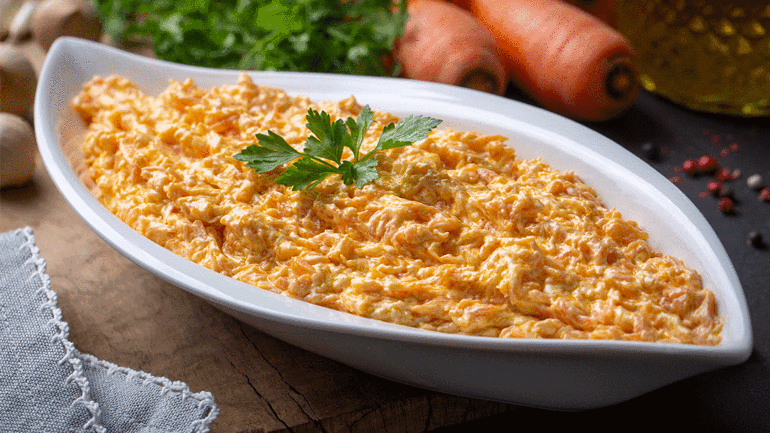
Among cold appetizers, carrot tarator remains an enduring favorite across modern and traditional tables alike. Celebrated for its swift preparation and cooling profile, the dish bridges the gap between a dipping sauce and a standalone cold vegetable side.
The preparation begins with freshly grated carrots, which are gently sauteed in a small amount of oil just until their raw crunch softens and their natural sugars begin to release. Once cooled, the sweetened carrots are folded into thick, smooth strained yogurt infused with crushed garlic and a pinch of salt. The resulting blend offers a pale orange hue, a soothing creamy consistency, and a delightful contrast between the mild sweetness of the cooked root vegetable and the lactic tang of the garlic yogurt. When served next to the warm, brothy pastry of the islama, the cool yogurt side acts as a refreshing balm.
Stone Kadayif: The Crisp, Syrupy Finish
To conclude the gathering, regional tradition turns toward time-honored syrup-soaked confections, with tas kadayif occupying a distinguished place among heritage desserts. Known for its distinct structural duality—crisp and golden on the exterior while remaining soft and spongy on the interior—this specialty satisfies enthusiasts of classic sherbet-based sweets.
The process of making stone kadayif begins with a yeast-leavened batter that is poured onto a hot griddle or skillet and cooked strictly on one side. This single-sided cooking method allows bubbles to form across the top, creating a perforated, pliable surface ready to be filled. The discs are then generously packed with a fragrant mixture of crushed walnuts and ground cinnamon before being folded into half-moon parcels and securely pinched along the edges. After being fried to a deep golden crispness, the pastries are immediately submerged into cold, lemon-scented sugar syrup. The spongy interior drinks in the sweet liquid while the fried shell preserves its satisfying crunch, leaving lingering notes of warm spice and toasted nut oils to round out the dining experience.
Through the strategic pairing of these five complementary dishes, the comforting simplicity of traditional islama is elevated into a balanced, multifaceted meal that honors the spirit of generous, shared hospitality.