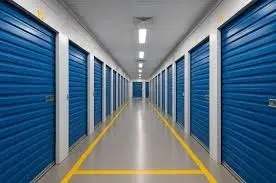
In the densely populated landscape of Istanbul, where residential square footage is increasingly at a premium, the demand for professional storage solutions has transitioned from a niche luxury to an essential urban service. As districts like Ümraniye, Çekmeköy, and Kadıköy continue to see rapid residential turnover and a rise in compact living arrangements, companies like Flexidepo are redefining how residents manage their physical belongings. The shift toward professionalized, climate-controlled storage is not merely about finding extra room; it is about the preservation of assets and the streamlining of life’s major transitions.
For those navigating the complexities of the city’s real estate market, the search for Ümraniye item storage often leads to a singular, practical conclusion: the need for a secure, external extension of the home. Modern storage providers are now offering comprehensive services that allow households to safely deposit everything from bulky furniture to delicate seasonal wardrobes. By utilizing climate-controlled facilities, these services ensure that items remain in their original condition, free from the environmental degradation that often plagues traditional basement or attic storage.
The decision to utilize professional storage is rarely based on a single factor. Instead, it involves a confluence of criteria that determine the success of the storage experience. Industry experts note that the strength of a facility’s climate control and security protocols, the standards of its packaging and placement, and the clarity of its delivery logistics are the primary metrics that mitigate the risk of a poor decision. When these elements work in harmony, storage becomes a seamless part of a household’s logistical strategy rather than an added burden.
Understanding Item Storage and the Scenarios of Necessity
At its core, professional item storage is the practice of keeping belongings in a controlled, monitored environment to create space in a primary residence or workplace. The objective is not simply to "hide" items for a short period, but to preserve them without damage for the long term. In a coastal metropolis like Istanbul, environmental factors such as humidity and temperature fluctuations pose a direct threat to various materials. Wood can warp, textiles can develop mold, and electronics can suffer from moisture-induced corrosion if left in unregulated spaces.
The need for such services typically arises during specific life events. One of the most common scenarios involves the period before and after moving. In the chaotic window of a relocation, homeowners often find themselves with a surplus of furniture that may not fit the layout of a new apartment or requires time to be integrated. Storage provides a "buffer zone," allowing residents to move in stages rather than all at once.
Renovations represent another significant driver for the storage industry. During home improvements, furniture and decor are frequently exposed to dust, paint fumes, and the physical risks of construction. Moving these items to a secure facility preserves the order of the home and protects the investment the owner has made in their furnishings. Furthermore, the rise of the home office has created a new demand for space. As more professionals work from residential settings, the need to clear out guest rooms or living areas to accommodate equipment and archives has become a priority. Seasonal transitions also play a role; the rotation of winter coats, bulky bedding, and summer sports equipment allows residents to maintain a clutter-free environment regardless of the time of year.
Specifically, the most frequent catalysts for seeking professional storage include:
- Temporary safekeeping during the transition between two residences.
- The protection of household goods during extensive home renovations.
- The organized maintenance of seasonal products that are only used for a fraction of the year.
- The general need to create functional space within a home or office by removing non-essential items.
Selection Criteria for Secure and Long-Term Storage
Choosing the right storage facility requires a rigorous evaluation of operational requirements. The first and perhaps most critical consideration is climate control. A facility that manages humidity and temperature fluctuations is essential for preserving the integrity of sensitive surfaces. For example, antique wood furniture and high-quality textiles require a stable environment to prevent cracking or fiber degradation. A professional facility does not just provide a roof; it provides a managed atmosphere.
Security is the second pillar of a reliable storage service. In a professional setting, this extends beyond a simple lock and key. It involves access control systems, continuous recording through surveillance, and regular audits of the premises. These layers of security significantly reduce the risk of loss or the accidental mixing of inventory between different clients. When a provider maintains a transparent and recorded process, the peace of mind offered to the client is immeasurable.
The third step in a successful storage strategy involves the internal logistics of how items are handled. This includes the standards for packaging and labeling. A systematic approach to classification ensures that when a client needs to retrieve a specific item, it can be located and delivered with minimal effort. Without a clear labeling and inventory system, a storage unit can quickly become a disorganized heap, defeating the purpose of an organized living strategy.
Finally, the clarity of the transportation and delivery plan is paramount. A professional service must provide a clear timeline and accurate volume assessments. If the pre-storage preparation—including timing, size estimation, and placement planning—is handled incorrectly, capacity issues can arise, leading to unexpected costs or delays. A successful provider works with the client to target the exact volume needed, ensuring efficiency from the moment the items leave the home until they are safely tucked away in the warehouse.
Key factors to monitor during the selection process include:
- The sophistication of climate control and the management of environmental variables.
- The robustness of access control and integrated security applications.
- The adherence to high standards for packaging, labeling, and systematic classification.
- The transparency and reliability of the transport and delivery schedule.
- The accuracy of capacity planning to ensure the client targets the correct volume of space.
Regional Logistics: Planning for Ümraniye, Çekmeköy, and Kadıköy
Geographic proximity plays a vital role in the efficiency of storage logistics. For residents of Istanbul’s Anatolian side, selecting a service that is strategically located near their district can significantly reduce transportation times and the overall stress of the planning process. This is why those searching for Çekmeköy item storage or Kadıköy item storage are encouraged to adopt a localized approach.
The logistics of these districts vary significantly. Kadıköy, with its older building stock and narrower streets, often presents challenges for large moving trucks, making a well-coordinated delivery plan essential. In contrast, Çekmeköy and Ümraniye, which feature more modern residential complexes and wider arterial roads, allow for different logistical considerations but still require precise timing to navigate Istanbul’s notorious traffic.
The starting point for a successful plan in any of these districts remains the same: a thorough audit of the items to be stored. Residents are advised to categorize their belongings based on type and size before contacting a provider. This allows for a more accurate quote and a better understanding of the necessary storage duration, especially when coordinated with a renovation or moving schedule.
An actionable plan involves several phases. First, items should be separated into those used frequently and those that can be categorized as "seasonal," "sensitive," or "currently out of use." By dividing inventory into these groups, homeowners can better understand their space requirements. This stage is crucial for capacity planning; targeting the right volume prevents the client from paying for empty space while ensuring they do not run out of room during the loading process.
In the context of Ümraniye item storage, the goal is to maintain the accessibility and usability of items even while they are off-site. By following a structured delivery sequence and ensuring that items are classified correctly at the point of origin, the transition back to the home—whenever that may be—is handled with the same level of care and organization as the initial storage.
To ensure a smooth regional storage experience, residents should:
- Sort items by type and frequency of use to determine priority.
- Classify belongings into clear categories such as seasonal gear, sensitive antiques, or long-term archives.
- Synchronize the storage duration with the specific timeline of their move or renovation.
- Collaborate with the provider to finalize a delivery plan that accounts for local traffic and building access.
As Istanbul continues to grow and the nature of urban living evolves, the reliance on external storage is expected to increase. By focusing on the core pillars of security, climate control, and meticulous organization, companies like Flexidepo are providing a necessary infrastructure for the modern resident, turning the challenge of limited space into an opportunity for a more organized and flexible lifestyle.