ISTANBUL — Across Turkey, traditional tradesmen restaurants, known domestically as esnaf lokantaları, have long occupied a central place in daily culinary life. Recognized by their glistening heated glass displays lined with simmering copper vessels and deep porcelain trays, these establishments offer an appetizing panorama of comforting home-style cooking. Among their most celebrated offerings are slow-cooked meat preparations, simmered patiently over low flames until meltingly tender or roasted gently in ovens until their savory aromatics fill the dining room. Today, the enduring prestige of these hearty classics continues to bridge the gap between historic eatery traditions and domestic kitchens, proving that even the most celebrated restaurant-standard dishes can be achieved through accessible, practical cooking at home.
Culinary specialists and traditional cooks frequently emphasize that the defining hallmark of tradesmen dining lies in patience, quality foundations, and the harmony between meat, vegetables, and seasoned reductions. From rustic countryside stews such as forest kebab (orman kebabı) and bowl kebab (tas kebabı) to regional specialties like wet meatballs (ıslama köfte) and legume-based tencere dishes, a selection of ten foundational meat recipes exemplifies why these communal classics remain deeply embedded in modern food culture.
The Unique Regional Heritage of Islama Köfte
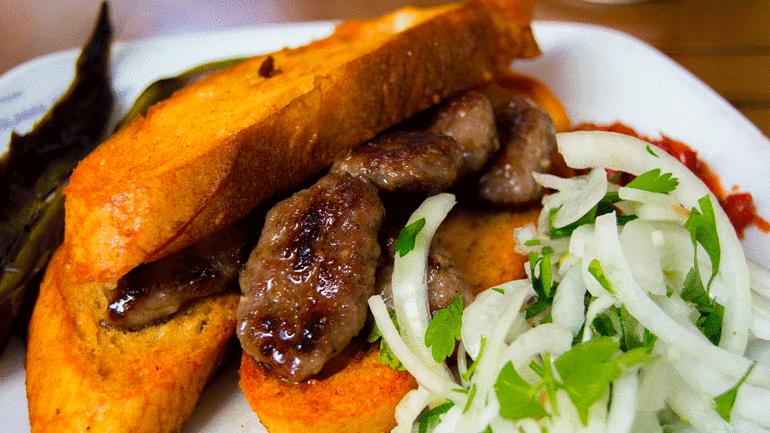
Among Turkey’s regional meat traditions, ıslama köfte occupies an exceptional culinary standing, closely associated with the northwestern city of Adapazarı in Sakarya province. Unlike standard grilled meatballs, the distinctive character of this specialty relies heavily on its thoughtful preparation of bread and meat as an indivisible pairing.
The technique begins with artisanal slices of day-old bread, which are drenched in a rich, simmering bone broth infused with ground red pepper and lard or butter. Once thoroughly saturated with savory richness, the bread slices are lightly browned on a flat griddle or wide skillet until crisp on the exterior while remaining soft and decadent within. Resting directly atop this flavorful carbohydrate bed are meatballs fashioned from finely ground beef. Cooked quickly to retain their inner juices without drying out, the patties transfer their savory essences directly onto the toasted bread below, delivering a multi-textured bite that has made the dish an iconic staple of traditional grill houses and tradesmen kitchens alike.

Slow-Simmered Comfort: Etli Nohut Yemeği
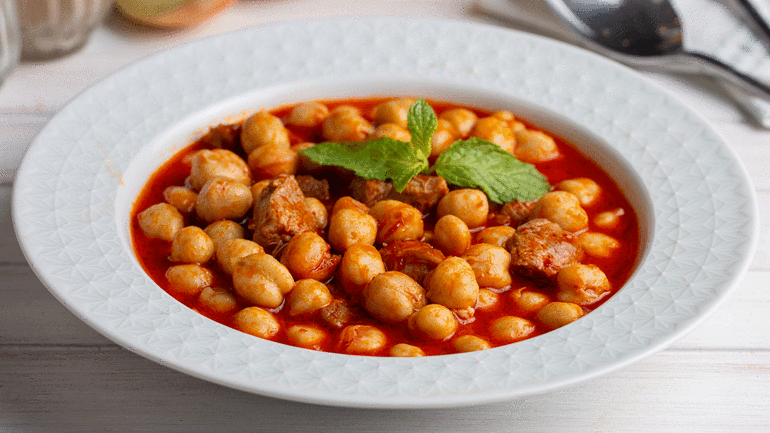
The heart of every traditional tradesmen kitchen undoubtedly beats through its tencere yemekleri—pot dishes designed to simmer gently for hours over minimal heat. Foremost among these comforting preparations is etli nohut yemeği, or chickpea stew with tender chunks of meat.
As a mainstay of hearty Turkish luncheon culture, this stew relies on a gentle equilibrium between legumes and meat. When prepared in authentic lokanta fashion, pre-soaked chickpeas are cooked alongside diced cuts of beef or lamb over a steady, low flame. As the ingredients simmer slowly, the chickpeas absorb the deep flavor notes of the rendered meat, fat, and tomato-based broth. The result is a thick, spoonable stew where the legumes become completely tender and creamy without disintegrating into a paste, while the meat reaches a melt-in-the-mouth, "Turkish delight" texture (lokum kıvamı). Often accompanied by classic buttered rice pilaf, this dish represents the essence of nourishing, budget-friendly culinary craftsmanship.

Oven-Baked Richness in Patlıcan Tava
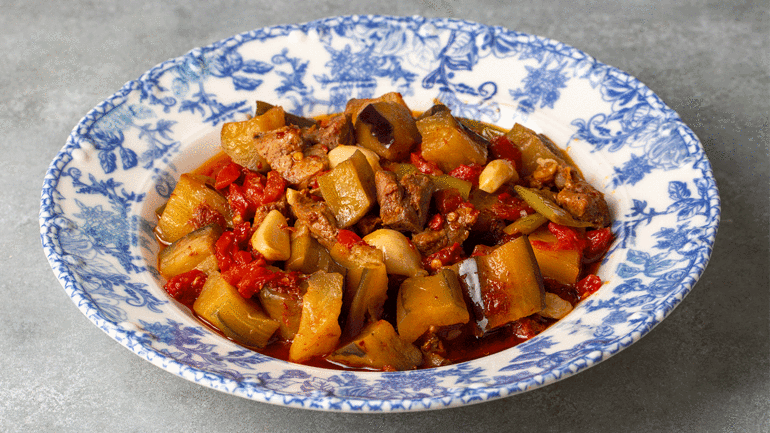
While stovetop pots command daytime counters, baked tray dishes provide equal visual and gastronomic drama in artisan eateries, exemplified by patlıcan tava (baked eggplant pan).
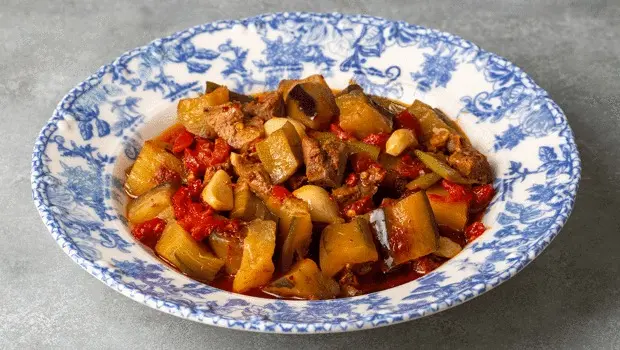
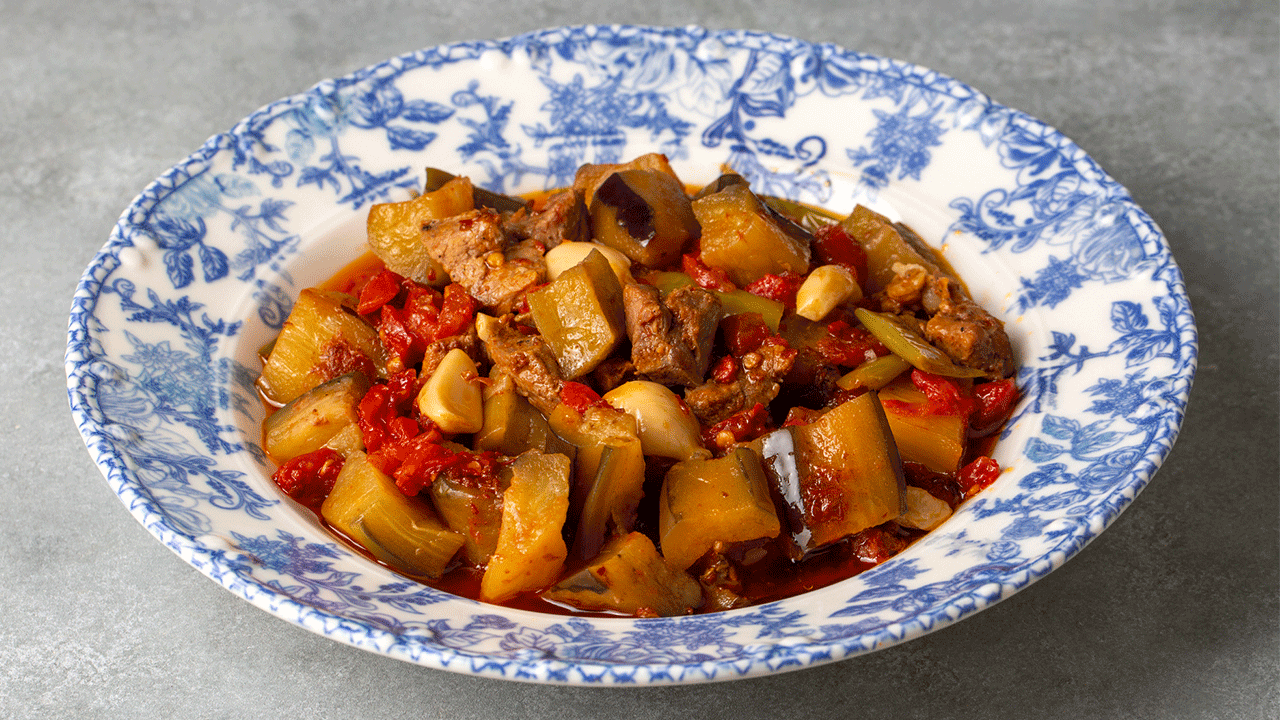
Regarded as one of the most appetizing oven-baked preparations in traditional Anatolian cookery, patlıcan tava harmonizes tender cuts of lamb with fresh summer vegetables, prioritizing eggplant as the structural anchor. In commercial kitchens, the components are tightly layered in wide, shallow metal pans alongside peppers, garlic, and ripe tomatoes, before being coated with a savory tomato-paste reduction enriched with warm spices. Roasted slowly in hot ovens, the lamb turns remarkably tender while relinquishing its flavorful juices to the surrounding eggplant pieces, which caramelize and soften into a luscious consistency. The pervasive, appetizing aroma that billows from the baking trays as they finish roasting remains one of the primary sensory cues that attract diners into street-side eateries during the midday lunch rush.

The Sauté Pan Tradition: Çoban Kavurma
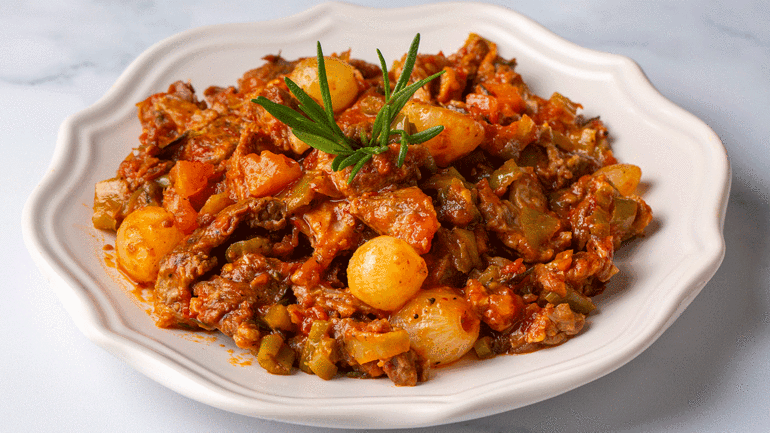
Rooted historically in pastoral life, çoban kavurma—literally "shepherd’s sauté"—is celebrated for its rustic immediacy and concentrated depth of flavor. Prepared predominantly using cubed morsels of young lamb, this high-heat dish transitions seamlessly into home kitchens seeking substantial, unpretentious dining.
The meat is typically seared to lock in moisture before being reduced over a gentle heat alongside onions, green peppers, and plump diced tomatoes. As the vegetables break down, they coalesce with the natural cooking juices of the lamb, creating a naturally thickened sauce without the need for artificial binders or flour. The bright, tangy notes of the stewed tomatoes and the vegetal bite of the peppers counterbalance the inherent richness of the lamb fat. It stands as a prime example of a straightforward, single-pan meal that delivers maximum satisfaction with minimal culinary ornament.
The Indispensable National Classic: Etli Kuru Fasulye
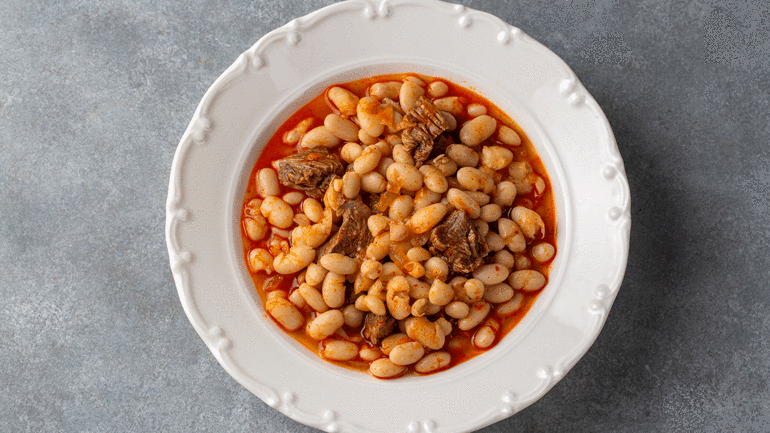
No exploration of Turkish artisan dining is complete without referencing etli kuru fasulye, the beloved white bean stew prepared with meat. Revered as an unofficial national comfort food, this dish remains an absolute non-negotiable anchor on lokanta warming tables throughout the country.
Much like its chickpea counterpart, the success of etli kuru fasulye hinges on temperature regulation and patient simmering. Traditionally made with premium dried white beans—such as the celebrated sugar beans (şeker fasulyesi)—the dish slowly integrates sautéed beef or lamb with an aromatic base of onions and pepper paste (biber salçası). Simmered over quiet heat, the starch from the legumes slowly escapes into the red broth, creating an unmistakably silky gravy. The beans become buttery and soft while maintaining their whole shape, infused throughout with the savory essence of the tenderized meat.
Showpiece Cooking: Dalyan Köfte
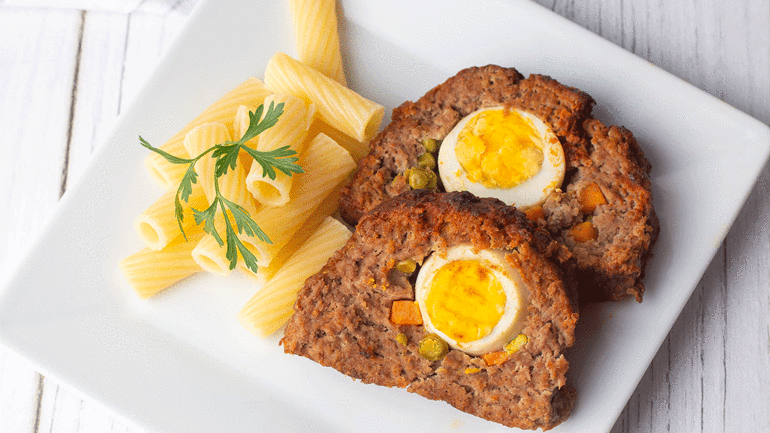
For celebratory occasions, family gatherings, or visually engaging lunch presentations, tradesmen eateries frequently display dalyan köfte, an elaborate stuffed meatloaf that bridges urban home dining and restaurant artistry.
Distinguished by its dramatic cross-section, dalyan köfte features an outer casing of well-kneaded minced beef rolled around a vibrant interior core of hard-boiled eggs, sweet carrots, and tender green peas. Baked as a tight roll until golden and firm, the meatloaf is allowed to rest briefly before being carved into thick, even slices that showcase the colorful mosaic of boiled eggs and garden vegetables within. To complete the presentation, a seasoned, silky tomato sauce is ladled generously across the slices, offering an appealing balance of acidity and moisture that transforms an everyday ground meat preparation into a lavish, crowd-pleasing centerpiece.
The Nostalgia of Etli Patates Yemeği
Among the home-style offerings frequently found on cafeteria-style counters, etli patates yemeği—diced meat and potato stew—evokes strong associations with domestic maternal cooking (anne usulü).
Despite its widespread presence in everyday households, its place on professional tradesmen menus demonstrates the enduring commercial demand for simple, comforting spoon foods. Combining lean beef or lamb cubes with large chunks of starchy potatoes in a mild onion-and-tomato sauce, this dish requires minimal complex intervention yet produces a rich, velvety consistency as the edges of the potato soften into the cooking liquid. It remains one of the most accessible and practical options for domestic cooks wishing to replicate the authentic, hearty spirit of a bustling city lokanta without spending extensive hours by the stove.
The Refined Technique of Tas Kebabı
Among the classic braised beef dishes of the historic Ottoman-Turkish repertoire, tas kebabı (bowl kebab) holds an exceptionally high reputation for its refined texture and deeply savory profile.
Traditionally named after the historical method of cooking inverted beneath a metal bowl to trap steam and moisture, the contemporary dish focuses on slow-braised beef cubes simmered alongside aromatics, carrots, and gentle warming spices. Once the meat reaches exceptional softness and the sauce reduces to a rich, glossy glaze, the dish is finished and garnished with separately fried golden potato cubes. This contrast between the melt-in-the-mouth, savory beef and the structural crispness of the fried potatoes elevates the preparation into one of the most robust, visually enticing items on any traditional lunch menu.
Earthy Complexity: Orman Kebabı
Another celebrated regional stew that transitioned successfully into everyday eatery repertoires is orman kebabı (forest kebab), a preparation commonly associated with the culinary heritage of northwestern Anatolia, particularly the historic province of Bolu.
Designed to be both filling and nutritionally balanced, orman kebabı merges tender meat chunks with a garden array of green peas, sliced carrots, and cubed potatoes. Often perfumed with wild thyme or local herbs that reflect its pastoral forest origins, this stew offers an inviting complexity where the sweetness of the root vegetables and peas balances the deep savoriness of the braised meat. Its straightforward preparation, combined with the convenience of incorporating vegetables and protein into a unified pot, makes it an enduring household favorite for families seeking the wholesome balance of an authentic lokanta meal.
Regal Presentation: Hasanpaşa Köfte
Rounding out the pantheon of beloved tradesmen meat dishes is Hasanpaşa köfte, a classic recipe named in honor of Ottoman military commander Hasan Pasha that merges the rustic character of Turkish meatballs with refined comfort cooking.
To create this striking dish, seasoned ground meat is formed into substantial, thick-walled cup shapes or miniature bowls before undergoing an initial bake. The meat cups are then generously piped or spooned full of smooth, creamy mashed potatoes, often enriched with butter and milk. Returned to the oven beneath a light coating of seasoned tomato reduction until the peaks of the puree turn golden and lightly browned, the preparation achieves a luxurious visual appearance. The juxtaposition of the savory, well-spiced beef base and the cloud-like, buttery potato topping produces a celebratory atmosphere, reinforcing the foundational principle behind traditional tradesmen cooking: taking straightforward culinary staples and elevating them into enduring, comforting culinary art.