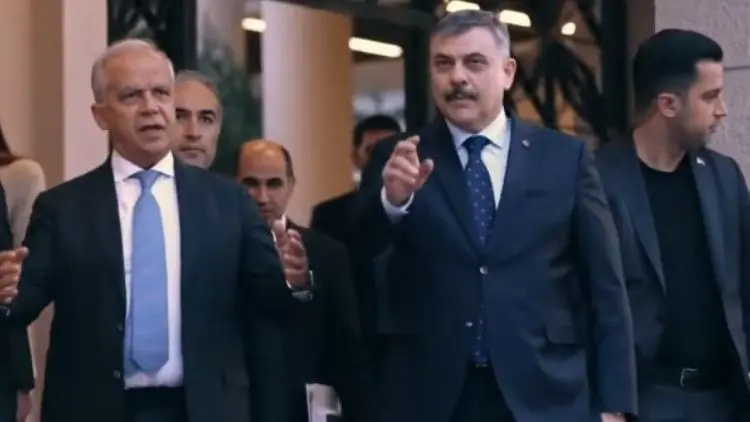
In a significant diplomatic move aimed at bolstering regional stability and addressing shared security concerns, Turkish Interior Minister Mustafa Çiftçi hosted Italian Interior Minister Matteo Piantedosi for a high-level bilateral meeting on November 4, 2026. The discussions, held at the Ministry of Interior in Ankara, focused on a wide-ranging security agenda, including the management of irregular migration, the dismantling of human trafficking networks, the fight against terrorism, and the suppression of transnational organized crime groups.
The meeting underscores the deepening strategic partnership between Turkey and Italy, two key NATO allies situated at the crossroads of major migration routes and security zones. As the geopolitical landscape of the Mediterranean continues to evolve, the two nations are increasingly looking toward synchronized efforts to manage border security and legal cooperation. The dialogue between Minister Çiftçi and Minister Piantedosi reflects a mutual recognition that modern security threats are inherently transnational and require a unified, multi-faceted response.
Minister Çiftçi, following the conclusion of the talks, utilized social media to provide a comprehensive summary of the proceedings. He emphasized the importance of the visit, noting that the presence of the Italian delegation signaled a renewed commitment to the security protocols that bind the two Mediterranean powers. The discussions were characterized by a spirit of transparency and a shared desire to move beyond theoretical agreements toward concrete, operational results.
Strategic Dialogue on Irregular Migration and Counter-Terrorism Efforts
The primary focus of the meeting was the persistent challenge of irregular migration and the criminal enterprises that profit from it. Both Turkey and Italy have long been on the front lines of the migration crisis, with Turkey serving as a major host and transit country for displaced populations and Italy acting as a primary point of entry for those seeking to reach Europe via the Mediterranean. Minister Çiftçi noted that the fight against irregular migration is not merely a matter of border control but a complex struggle against human trafficking syndicates that exploit vulnerable individuals.
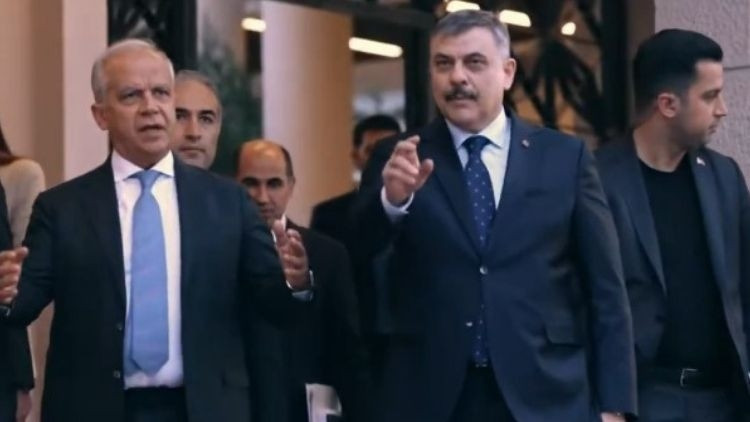
During the sessions, the ministers explored ways to enhance cooperation in the Mediterranean, focusing on real-time intelligence sharing and joint maritime strategies. The goal is to disrupt the logistics of migrant smuggling at their points of origin and transit. By tightening the net around trafficking rings, both nations hope to reduce the loss of life at sea and ensure that migration processes are handled through legal and humanitarian channels. Minister Çiftçi reiterated that Turkey views international solidarity as a prerequisite for managing the pressures of migration effectively, stating that no single nation can shoulder the burden of global displacement alone.
The conversation then shifted to the critical issue of counter-terrorism. Minister Çiftçi and Minister Piantedosi discussed the evolving nature of terrorist threats, particularly the methods used by organizations to secure funding and spread propaganda across borders. Turkey has long advocated for a more robust international stance against the financial infrastructure of terrorism. In this context, the Turkish side emphasized the need for European partners to take more decisive action against the propaganda activities of various terrorist groups that operate within their jurisdictions.
"We believe that the fight against cross-border threats is only possible through strong international solidarity and effective cooperation," Minister Çiftçi stated. He highlighted that the meeting provided an opportunity to share Turkey’s expectations regarding the prevention of terrorist financing. By cutting off the economic lifelines of these organizations, both Turkey and Italy aim to degrade their operational capabilities and prevent the radicalization of individuals through digital and physical propaganda networks.
Beyond the immediate tactical concerns, the counter-terrorism dialogue was framed within the broader context of regional peace. Minister Çiftçi referenced the vision of a "Terror-Free Turkey" and a "Terror-Free Region," a strategic goal spearheaded by President Recep Tayyip Erdoğan. This vision seeks to eliminate the presence of armed groups that destabilize the Middle East and the Eastern Mediterranean, thereby creating a safer environment for economic development and social stability.
‘Proposal for the Establishment of Joint Investigation and Research Teams’

A pivotal moment in the bilateral talks occurred when the discussion turned toward the rising threat of "new generation" organized crime groups. These organizations, often characterized by their use of advanced technology, decentralized structures, and involvement in diverse criminal activities ranging from cybercrime to narcotics trafficking, represent a significant challenge for traditional law enforcement agencies.
Minister Çiftçi revealed that a specific point of emphasis during the meeting was the extradition of crime syndicate leaders and members currently residing in Italy. Turkey has been actively pursuing the return of several high-profile figures associated with modern organized crime networks. The Turkish Interior Ministry expressed its expectation that Italy would facilitate the legal processes required to bring these individuals to justice in Turkey. This request is part of a broader effort by the Turkish government to ensure that criminal elements cannot find safe haven abroad to direct operations within Turkish borders.
In response to these concerns, Italian Interior Minister Matteo Piantedosi demonstrated a proactive stance. He affirmed Italy’s determination to take a firm position against these new-generation criminal networks. Recognizing that traditional extradition and legal assistance requests can sometimes be slowed by bureaucratic hurdles, Minister Piantedosi proposed a more integrated approach to law enforcement cooperation.
Minister Çiftçi highlighted this development, stating: "My Italian counterpart also stated that they would take a determined stance against new-generation crime organizations in his country and suggested the establishment of joint investigation and research teams to fight these crime networks more effectively."
The proposal to create joint investigation and research teams marks a potential turning point in Turkey-Italy security relations. Such teams would allow law enforcement officers from both countries to work side-by-side, sharing evidence in real-time, conducting synchronized raids, and building legal cases that are viable in both jurisdictions. This level of operational synergy is designed to strip away the advantages that criminal organizations gain by operating across national boundaries. By aligning their investigative resources, Ankara and Rome aim to create a "hostile environment" for organized crime, making it impossible for syndicate leaders to manage their illicit enterprises from a distance.

The Turkish Interior Minister expressed his approval of this initiative, viewing it as a tangible step toward the "strategic partnership" that both nations aspire to maintain. He noted that as NATO allies, the collaboration between Turkey and Italy extends beyond military defense into the realm of domestic and regional security. The establishment of these joint teams would serve as a model for how allied nations can tackle the complexities of 21st-century crime.
As the meeting concluded, Minister Çiftçi reiterated Turkey’s commitment to the goals set forth by the national leadership. Under the guidance of President Recep Tayyip Erdoğan, the Ministry of Interior remains focused on the dual objectives of domestic safety and regional influence. The Minister emphasized that the fight against terrorism and organized crime is a continuous process that requires constant adaptation and the strengthening of international ties.
The visit of Minister Piantedosi and his delegation was seen as a productive chapter in the long-standing relationship between the two countries. The constructive nature of the talks suggested a high degree of alignment on the most pressing security issues facing the Mediterranean basin today. Minister Çiftçi concluded his statement by thanking his counterpart for the visit and for the spirit of cooperation that defined their interactions.
"We aim to take our cooperation in the field of security further with concrete steps together with our NATO ally and strategic partner Italy," Çiftçi said. "I would like to thank my dear colleague, Mr. Matteo Piantedosi, for his kind visit and constructive meetings."
The outcomes of this meeting are expected to lead to a series of follow-up technical discussions between Turkish and Italian law enforcement officials. These sessions will likely focus on the logistical and legal frameworks necessary to implement the joint investigation teams and to streamline the extradition processes discussed by the ministers. As both nations move forward, the emphasis will remain on transforming the high-level diplomatic consensus reached in Ankara into operational success on the ground, ensuring a more secure environment for the citizens of both Turkey and Italy.