When the new academic term begins, parents across the country inevitably face the daily ritual of preparing school lunchboxes. The quest for something that is not only appealing and delicious to children but also wholesome and comforting keeps home kitchens busy day in and day out. Amidst the myriad of culinary options available to modern households, traditional Turkish baked goods continue to hold a special place of honor, bridging generations of family recipes with contemporary practical needs.
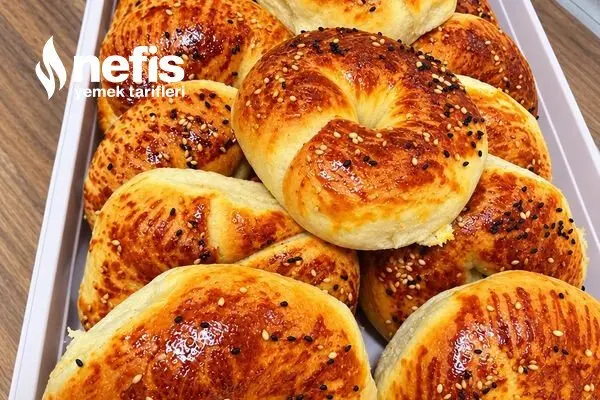
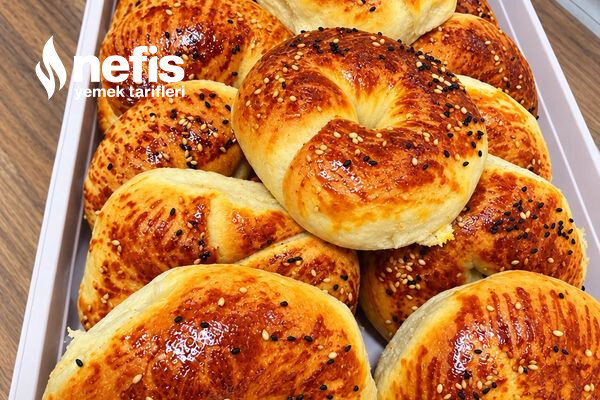
Among these treasured recipes, a particular style of soft, fluffy pastry known traditionally as "açma" has captured the attention of thousands of home cooks. Recently, a specific variation shared by recipe creator Yasemin Eren Sezen has gained significant traction, becoming a favorite saved item in countless digital recipe books. Known simply as "Pamuk Açma"—translating poetically to "Cotton Açma" due to its remarkably soft, pillow-like texture—this traditional Turkish pastry is making waves for its ability to stay fresh, tender, and appetizing long after it leaves the oven.
The Story Behind the Recipe
The inspiration for this widely discussed recipe stems from a very common, everyday household challenge: finding reliable, comforting food options that children will genuinely look forward to eating during school breaks. Food culture often reflects the rhythms of daily life, and the transition back to school routines frequently drives home cooks to experiment with comforting baked goods that offer both substance and simple pleasure.
According to the background shared by the recipe’s creator, the primary motivation behind developing this specific version of açma was to provide parents with a dependable option for school lunchboxes. Traditional bakery-style pastries can sometimes turn dense or dry by midday, losing the delicate crumb that makes them so inviting when fresh. By focusing meticulously on achieving a crumb that resembles cotton—light, airy, and yielding—the recipe addresses a long-standing desire among parents who want to send their children to school with homemade, comforting food that feels special yet remains deeply nourishing.
The popularity of the recipe on platforms like Nefis Yemek Tarifleri highlights a broader cultural appreciation for artisanal, home-baked goods over commercial alternatives. Thousands of culinary enthusiasts have integrated the recipe into their personal collections, sharing photographs of their freshly baked results and discussing the subtle nuances of achieving that signature melt-in-the-mouth consistency.
Understanding the Essentials of Traditional Turkish Pastries
To truly appreciate why recipes like Pamuk Açma resonate so deeply within culinary communities, one must understand the cultural significance of açma within Turkish cuisine. Unlike börek, which typically features layers of thin phyllo dough, or poğaça, which is often denser and more akin to a savory scone or biscuit, traditional açma occupies a unique middle ground. It is a yeast-leavened pastry characterized by its ring shape, its slightly sweet or neutral flavor profile, and its rich, pliable texture achieved through the incorporation of fats such as butter or oil during the dough-shaping process.
In Turkish culinary tradition, making yeast doughs from scratch is often seen as an act of care and patience. While commercial bakeries line their shelves with mass-produced equivalents, the appeal of preparing these items at home lies in the control over ingredients and the unmistakable aroma of freshly baked yeast bread filling the home. The modern digital archiving of such recipes allows time-tested domestic techniques to be preserved, adapted, and shared among a community of enthusiastic home bakers spanning different regions and generations.
The attention garnered by this particular iteration underscores a growing preference for transparency and detail in modern cooking. Home cooks are no longer satisfied with vague instructions; they seek out precise descriptions, visual confirmations from fellow practitioners, and reliable community feedback. The high engagement and numerous saved bookmarks associated with the recipe demonstrate that despite the fast pace of contemporary life, there remains a steadfast appetite for traditional baking methods that prioritize texture, comfort, and familial warmth.
Ingredients and Preparation Philosophy
While the full sensory experience of baking relies on the physical transformation of ingredients in the oven, the foundation of any great pastry lies in the thoughtful selection and combination of its components. The structure of Pamuk Açma is divided fundamentally into two parts: the enriched dough itself and the essential elements applied during the shaping process to ensure that characteristic tender crumb.
The dough preparation involves standard bread-making staples—flour, yeast, milk, water, and sweetening agents—combined in proportions that favor high moisture retention. In traditional baking, maintaining hydration is the secret to preventing bread and pastries from staling too quickly, a crucial factor when the end product is destined to sit in a school backpack for several hours before consumption. Furthermore, the inclusion of ingredients designed to be spread or layered onto the dough during shaping serves a dual purpose: it adds rich flavor while physically separating the delicate layers of gluten, allowing the pastry to pull apart effortlessly into soft, cloud-like strands once baked.
The method of preparation focuses heavily on technique—allowing the dough sufficient time to rise, handling it with a gentle touch to preserve the trapped air bubbles created by the yeast, and shaping the twisted ring forms that define the classic aesthetic of an açma. Rather than rushing the process, the philosophy championed by home-baking communities emphasizes patience, sensory observation, and the tactile pleasure of kneading and shaping dough by hand.
As discussions continue to circulate online and more home cooks test the recipe in their own kitchens, Pamuk Açma stands as a testament to the enduring appeal of comfort food. It bridges the gap between the demanding schedules of modern families and the timeless, slow-paced tradition of home baking, offering a simple yet deeply satisfying solution for anyone looking to bring a touch of warmth and care to the daily lunchbox routine.