

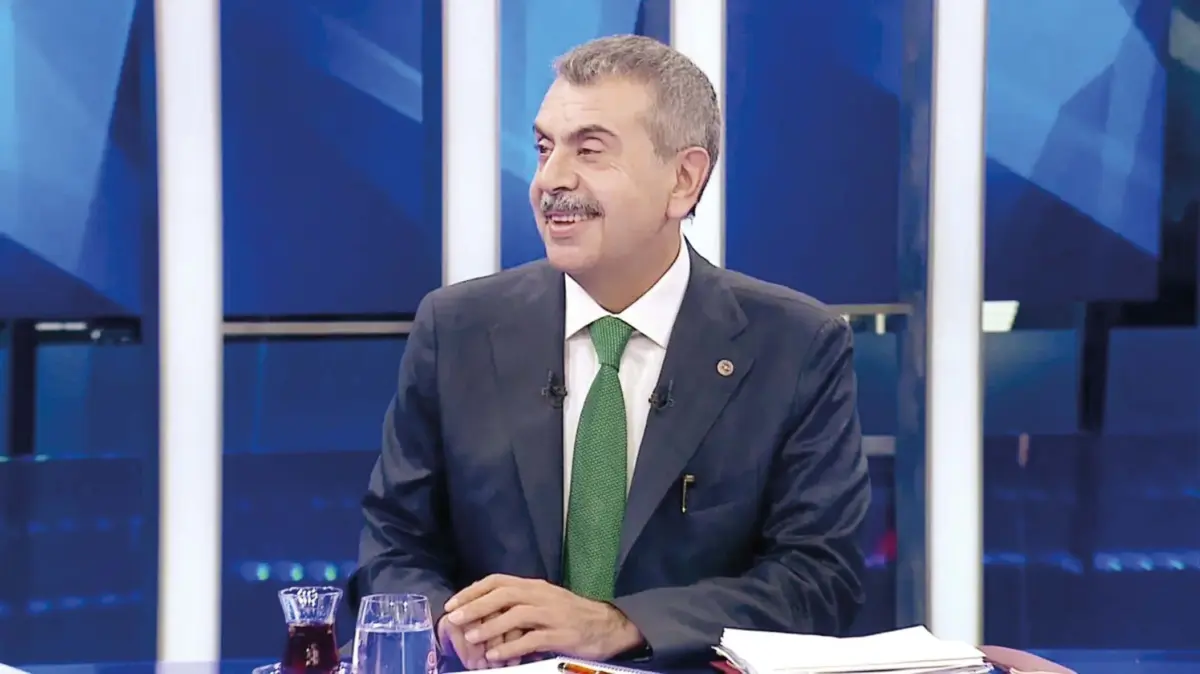
ISTANBUL — In a comprehensive television appearance on CNN Türk’s prominent weekend current affairs program, Hafta Sonu (Weekend), hosted by veteran journalist Hakan Çelik, Turkey’s Minister of National Education, Yusuf Tekin, addressed a wide range of pressing issues, reforms, and debates currently shaping the landscape of the Turkish national education system.
The focal point of the broadcast centered on Turkey’s performance in the recently released Programme for International Student Assessment (PISA) results, which were announced on September 8. The international assessment, orchestrated by the Organisation for Economic Co-operation and Development (OECD), serves as a global benchmark for evaluating the educational standards, critical thinking, and problem-solving abilities of 15-year-old students worldwide.
According to the latest data, Turkey distinguished itself by becoming the only OECD member country to record a simultaneous increase in its average scores across all three primary assessment domains: mathematics, science, and reading literacy. Despite this measurable upward trajectory, the results have sparked a polarized political and social debate within Turkey. Minister Tekin used the television platform to directly confront and systematically dismantle criticisms leveled by opposition figures regarding these academic achievements.
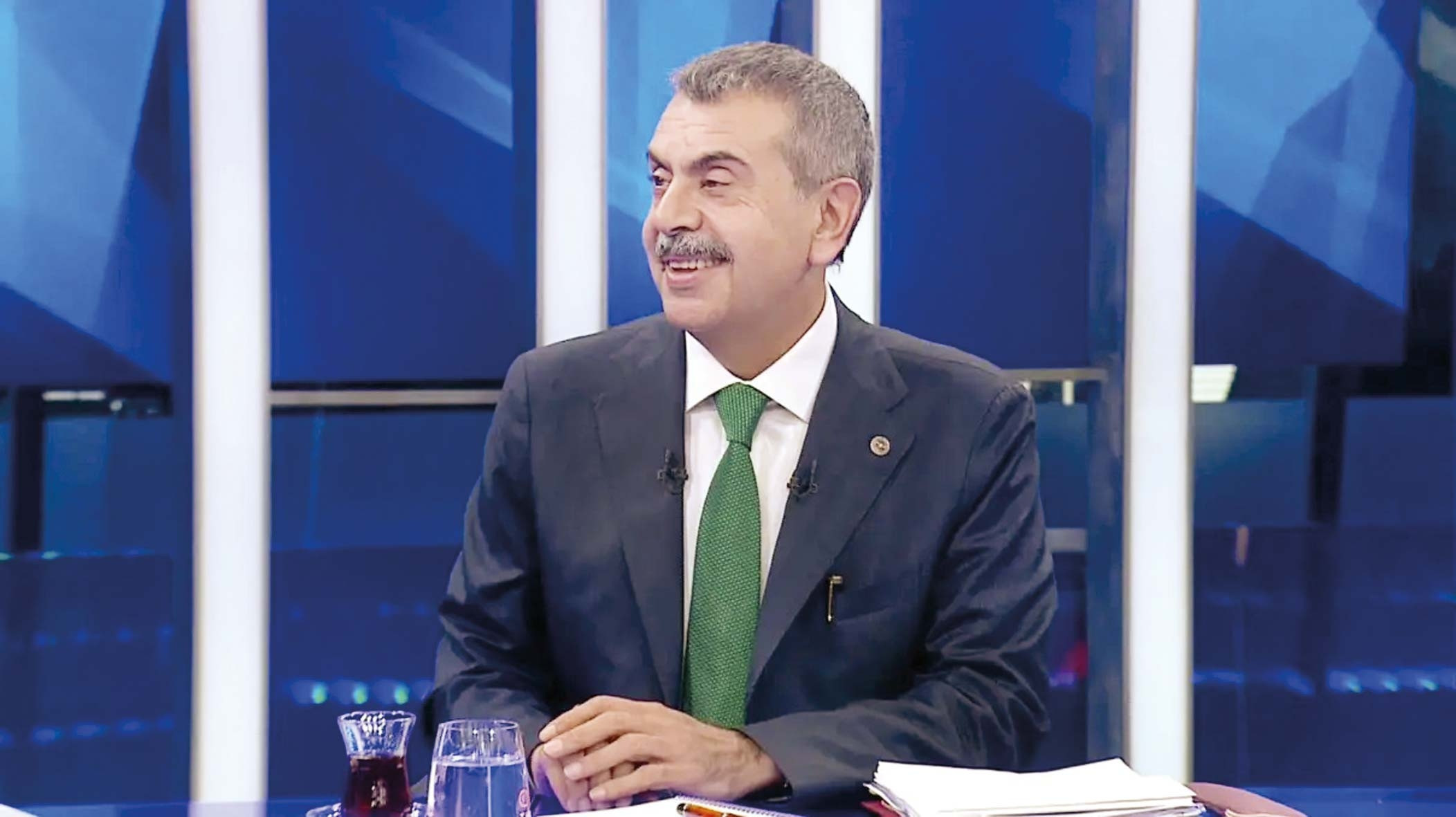
National Education Minister Yusuf Tekin Responds to PISA Criticisms on "Hafta Sonu"
During his live interview with Hakan Çelik, Minister Tekin expressed strong dissatisfaction with the rhetoric adopted by opposition critics, who have sought to downplay the significance of Turkey’s academic gains. Critics have argued that Turkey’s relative rise in the global rankings was not necessarily a reflection of domestic educational improvements, but rather a byproduct of a widespread decline in student performance across other OECD nations, many of whom struggled to recover from the severe academic disruptions caused by the COVID-19 pandemic.
Minister Tekin firmly rejected this line of reasoning, calling into question the logical consistency of the opposition’s arguments. He pointed out that the global pandemic was a universal crisis that did not exempt Turkey, and argued that attributing Turkey’s success merely to the struggles of other nations ignores the immense challenges the Turkish educational system successfully navigated during the same period.
"I am deeply uncomfortable with the language used by the opposition, who are trying to criticize this genuine success by claiming, ‘OECD countries experienced a loss of points due to the pandemic,’" Minister Tekin stated during the broadcast. "I must ask: Did the pandemic only occur in other OECD countries? Was Turkey somehow unaffected by it? Furthermore, which of the OECD countries has had to endure the sheer scale of natural disasters and crises that Turkey has faced over the last five years?"
Tekin’s remarks referenced the extraordinary circumstances Turkey has weathered recently, including the catastrophic earthquakes of February 2023, which severely impacted eleven provinces, displaced millions of citizens, and forced the Ministry of National Education to rapidly deploy emergency educational measures, rebuild schools, and provide psychological and academic support to hundreds of thousands of affected students.
The Minister emphasized that maintaining and even improving academic standards under such compounding crises was not an accident of global statistics, but the direct result of deliberate, long-term state planning. "This success is the direct outcome of the robust physical infrastructure, systemic investments, and comprehensive educational reforms that we have systematically established over the years," Tekin asserted.
The Strategic Implementation of the Classroom Mobile Phone Ban
Beyond the statistical debate over PISA scores, Minister Tekin highlighted Turkey’s forward-thinking approach to classroom management and student focus. He noted that the latest PISA report explicitly recommended that countries restrict or entirely ban the use of mobile phones in schools to combat chronic distraction, improve classroom engagement, and foster healthier face-to-face socialization among youth.
Tekin proudly pointed out that Turkey did not wait for international reports to validate this necessity, having already taken decisive action well ahead of many of its global peers.
"We are one of the very first countries in the world to actively implement this recommendation," Minister Tekin explained, referring to the ministry’s directives that restrict student mobile phone usage during instructional hours. "Our proactive stance on banning mobile phones in classrooms is a testament to our commitment to creating an optimal learning environment. We recognized early on that digital distractions were severely impacting student focus, retention, and social dynamics within the school environment. By taking this step, we have helped students re-engage with their teachers and peers, which is reflected in our steady academic progress."

The mobile phone policy, which has been progressively enforced across Turkish public and private schools, requires students to hand over their devices at the beginning of the school day or keep them stored in designated secure lockers. The policy also extends to teachers, encouraging them to limit their own device usage to set a positive example and maintain a professional classroom environment. According to the Ministry, this measure has already shown positive indicators in reducing peer-to-peer cyberbullying during school hours and significantly boosting classroom participation rates.
Infrastructure, Resilience, and the Path Forward
The discussion on CNN Türk also shed light on the broader educational strategy that enabled Turkey to buck the global trend of post-pandemic academic decline. Minister Tekin emphasized that the Ministry of National Education has focused heavily on reducing regional disparities, upgrading technological infrastructure in classrooms, and revising curricula to emphasize analytical thinking over rote memorization.
Over the past decade, Turkey has invested heavily in digital education portals, teacher training programs, and the physical rehabilitation of schools. These investments proved to be crucial safety nets when the pandemic and subsequent natural disasters threatened to halt formal education. The rapid transition to hybrid learning models and the swift establishment of temporary learning centers in disaster-stricken zones ensured that Turkish students experienced minimal gaps in their educational journeys.
By defending the PISA results, Tekin sought to validate the hard work of millions of Turkish students, teachers, and school administrators who persevered through unprecedented national and global challenges. He reiterated that while there is always room for improvement, undermining the country’s documented educational progress for political leverage does a disservice to the educators and families who made those achievements possible.

As the broadcast concluded, Minister Tekin reaffirmed the government’s commitment to continuing its program of educational modernization. He stated that the Ministry of National Education would continue to monitor global best practices, refine its structural reforms, and invest in both the physical and digital infrastructure necessary to prepare Turkey’s youth for an increasingly competitive global economy. The PISA data, he argued, serves as clear evidence that Turkey’s educational system is moving in the right direction, driven by resilience, strategic investment, and a willingness to make bold decisions for the benefit of the classroom.