For an entire month, the international fashion community gathered across the industry’s four capital cities to witness the unveiling of the Spring/Summer 2027 collections. Yet, beyond the heavily staged runways and carefully curated venue lighting, one of the most compelling elements of fashion month remains the spectacle unfolding outside the venues. The attendees, buyers, stylists, and editors arriving at the shows often provide a forecast that is just as inspiring and influential as the catwalk presentations themselves. This season, fashion week street style proved that style enthusiasts are no longer waiting for the upcoming spring to adopt future trends, immediately embracing expressive aesthetics defined by delicate lace, bold animal prints, relaxed low-rise tailoring, oversized outerwear, and hybrid athletic wear.
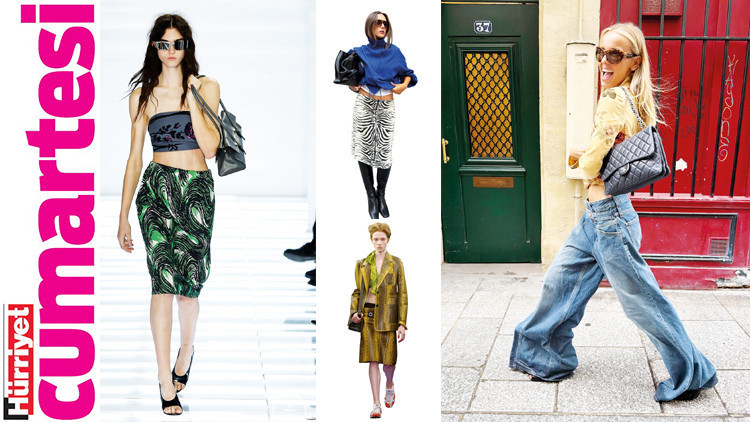
Having spent the final week of the seasonal circuit on the ground for Paris Fashion Week, the dynamic atmosphere outside the presentations offered an immediate lesson in real-time styling. Pausing at the venue entrances to observe the arrivals frequently matched—and at times even surpassed—the creative energy of the runway shows. Certain stylistic themes observed across Parisian boulevards seamlessly echoed the looks captured by street-style photographers in New York, London, and Milan earlier in the month. Rather than shelving these ideas until the arrival of the warm Spring/Summer 2027 season, showgoers have demonstrated that these runway-inspired movements are easily integrated into immediate everyday wear.
The Lingerie Influence and the Ubiquity of Lace
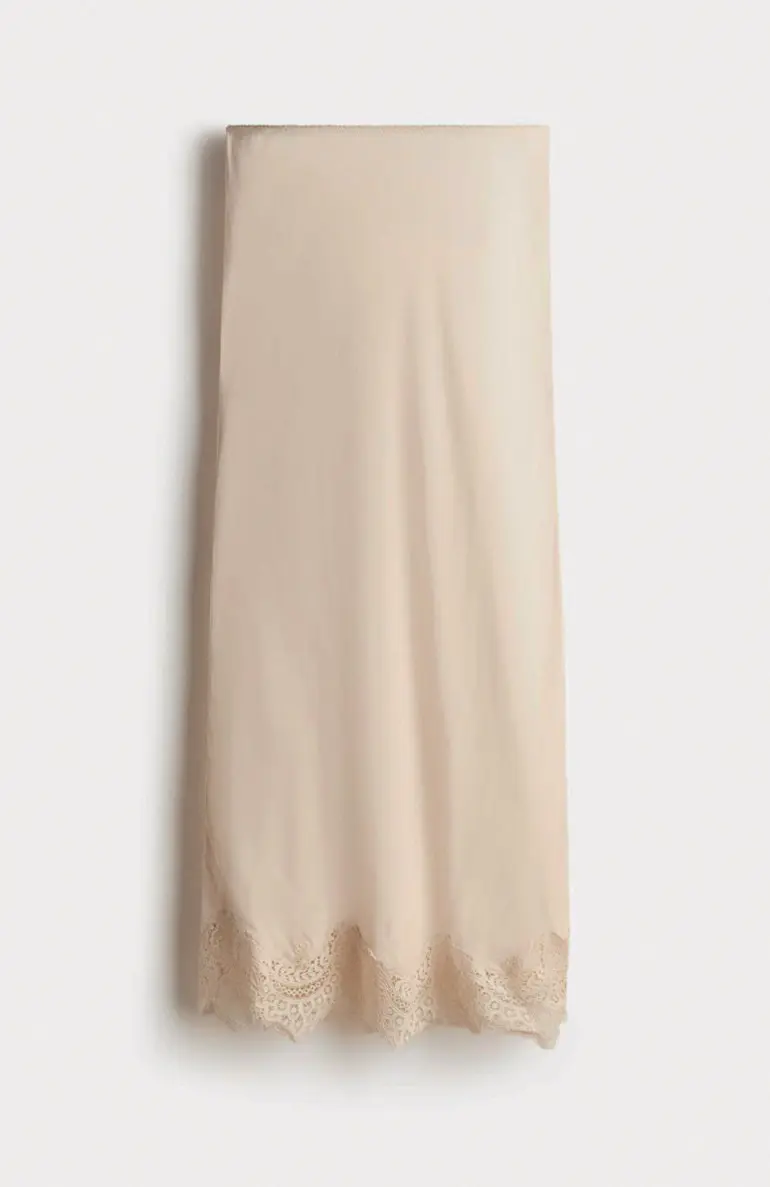
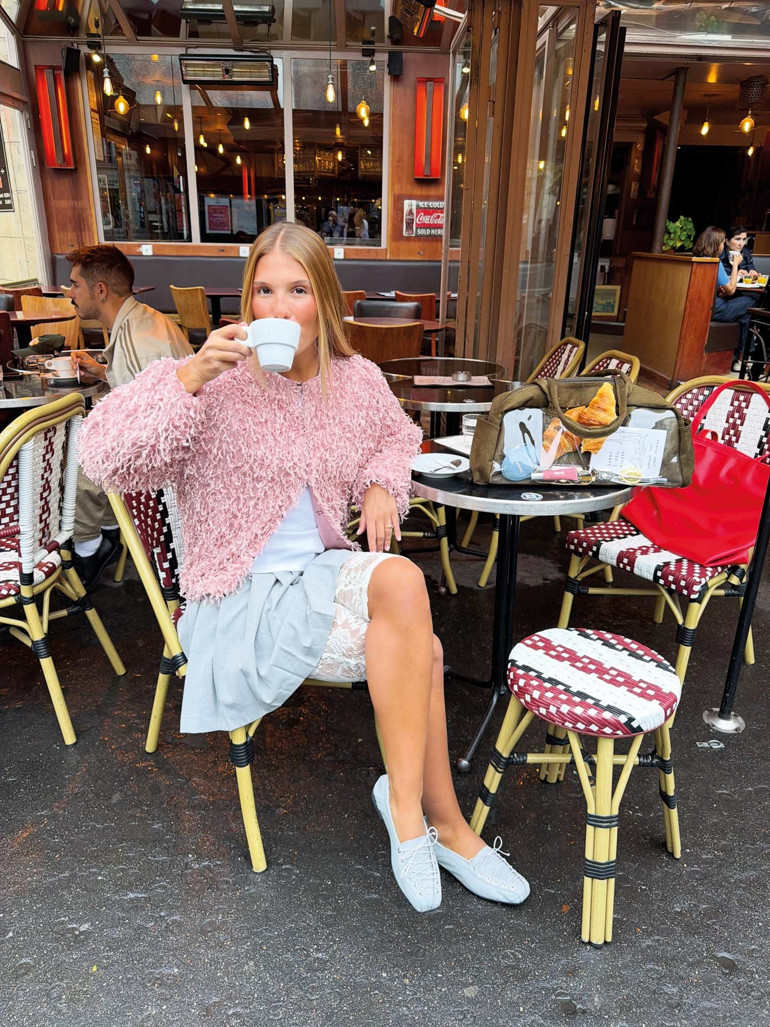
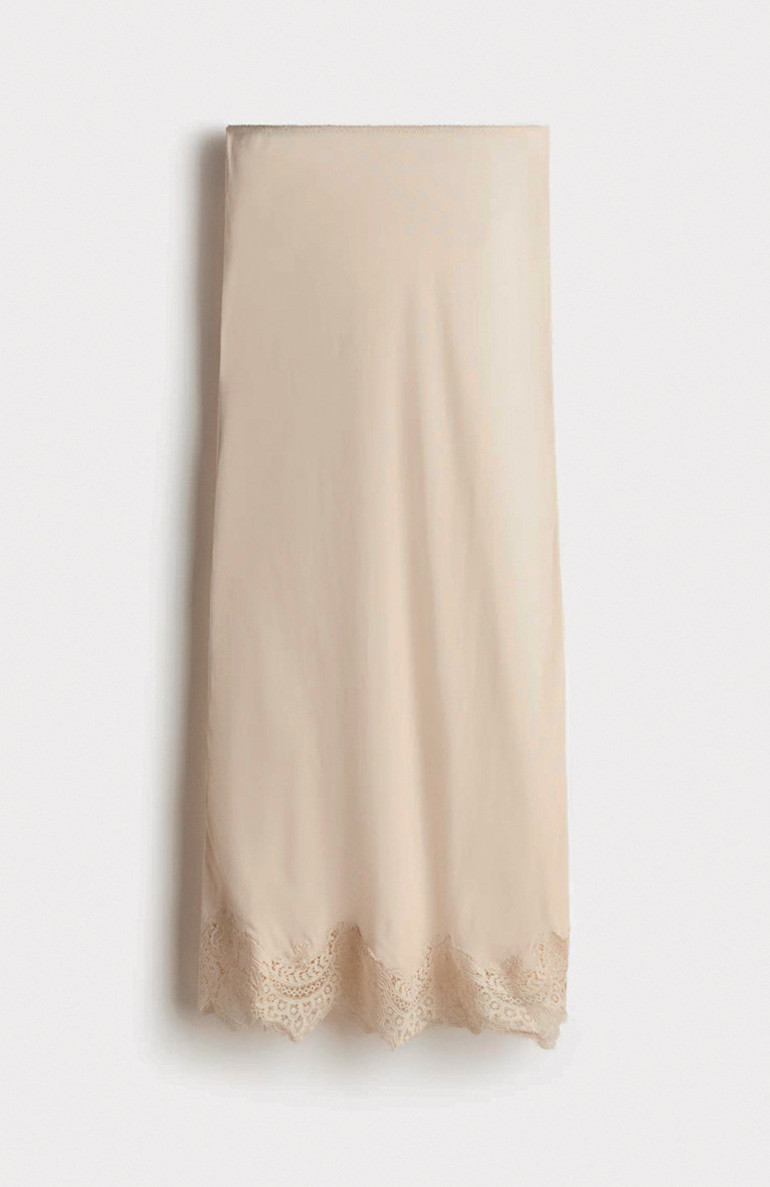
Underwear-as-outerwear has been an evolving concept in recent seasons, but street style across fashion month confirmed that the lingerie influence has transitioned from an avant-garde styling exercise into an accessible daily uniform. Lace skirts, in particular, appeared everywhere throughout Paris, Milan, and London. Attendees predominantly favored midi-length designs that deliberately evoke the delicate feel of vintage nightwear, creating visual interest through deliberate textural contrast.

Rather than styling these lace pieces exclusively for evening occasions, attendees grounded their translucent, delicate nature with utilitarian and casual wardrobe staples. Delicate lace midis were repeatedly paired with plain cotton crew-neck T-shirts, heavy-gauge knitwear, and substantial leather outerwear. While the fashion industry has spent several consecutive seasons discussing slip dresses crafted from glossy satin, sheer fabrics, and exposed bralettes, the current street interpretation moves past novelty. Lingerie detailing has firmly embedded itself into everyday street fashion, serving as an understated underlayer that softens heavy autumnal garments while offering a modern, effortless sensibility.
Wild Prints: Animal Motifs Cast Off Their Subdued Rules
Following the steady rise of zebra print in recent trend cycles, the streets of the major fashion capitals definitively validated the dominance of animal motifs across the board. Leopard, zebra, and cheetah patterns surfaced repeatedly throughout the month, demonstrating remarkable versatility. In some instances, the prints appeared as focused accents—concentrated on a sharp-toed shoe, a structured handbag, or a subtle belt. In others, attendees embraced head-to-toe maximalism, wrapping themselves in sweeping, floor-length animal-print coats.

What distinguishes the current resurgence of animal print is a fundamental shift in styling philosophy. Historically, wearing a bold animal pattern required the wearer to subdue the rest of the outfit with muted tones and conservative basics to avoid overwhelming the look. That restraint has largely disappeared. Outside the Spring/Summer 2027 shows, showgoers actively paired leopard prints with vibrant, punchy reds, or layered zebra patterns against competing graphic prints. The clash of colors and textures signals a deliberate pause for minimalism, making room for dramatic blouses, ruffles, plumage, and daring juxtapositions that deliberately challenge traditional styling conventions.
The Low-Rise Silhouette Solidifies Its Return
Despite long-standing debate within the industry and among consumers, low-rise waistlines have officially reclaimed their territory in modern wardrobing. The low-slung aesthetic was omnipresent across straight-leg denim, roomy tailored trousers, utilitarian cargo pants, and structured skirts.

A notable styling choice spotted throughout the European fashion capitals was the intentional choice to size up. Rather than opting for garments engineered strictly to sit low, many attendees appeared to purchase straight or wide-cut trousers one to two sizes larger than their normal fit. This styling adjustment allows the waistband to sit loosely on the hips, exaggerating the slouchy, nonchalant silhouette that has become a defining characteristic of contemporary urban tailoring.
Skirts Take Center Stage in a Reimagined Office Aesthetic
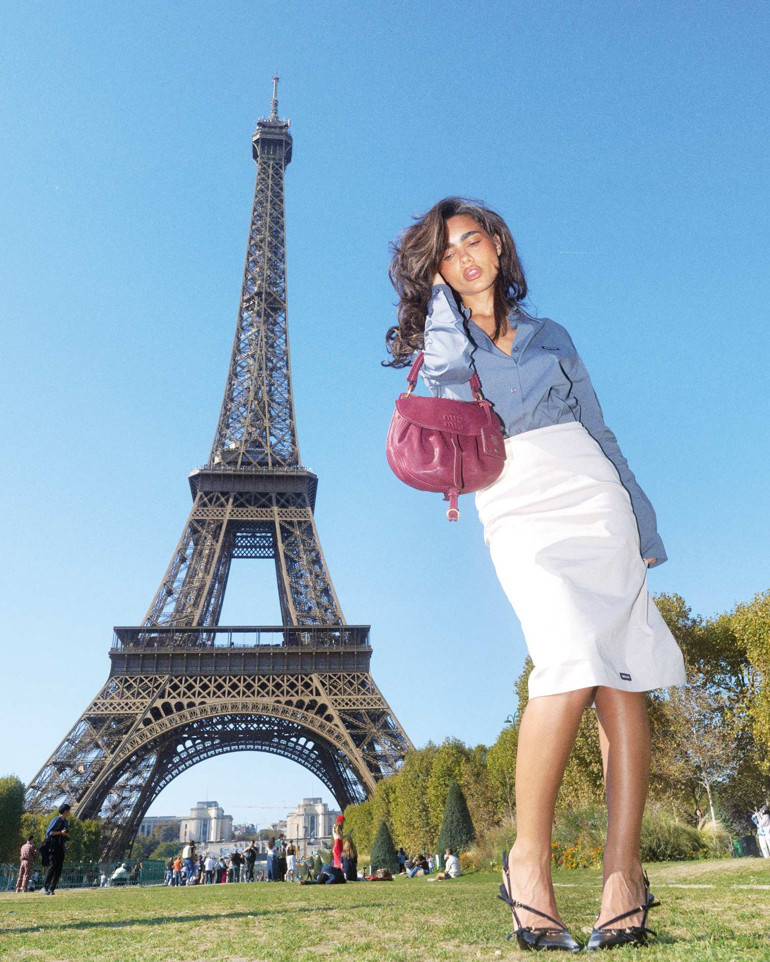
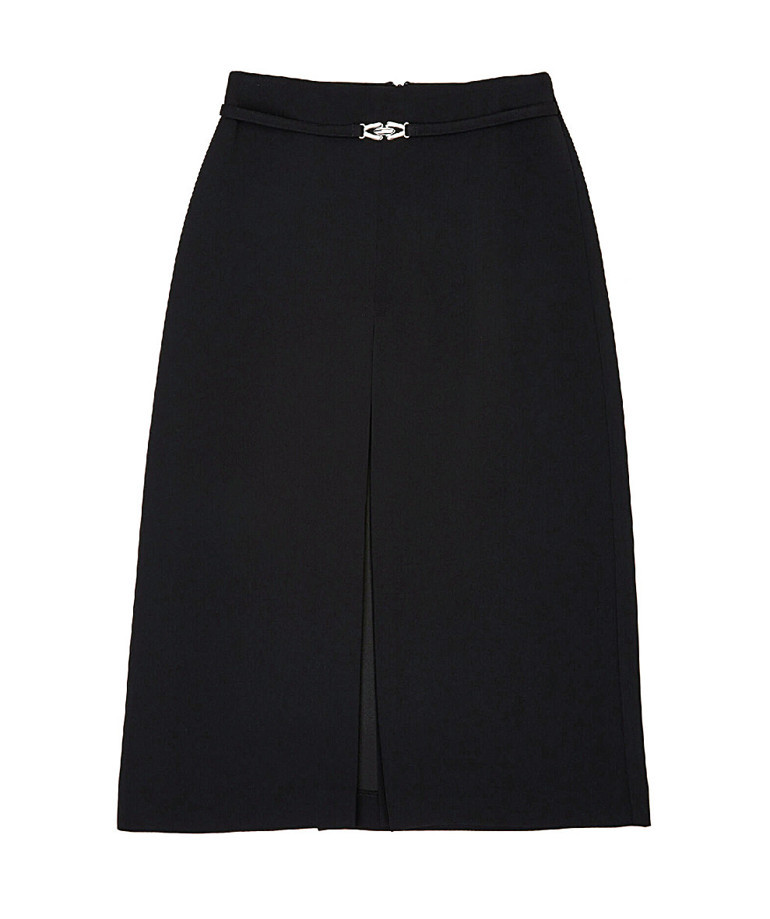
Skirts have established themselves as the centerpiece of transitional dressing, appearing in variations ranging from clean pencil silhouettes and flowing midis to substantial leather fabrications and sharply tailored designs. The dominance of the skirt on the streets mirrored clear messages sent from the runways themselves. During Milan Fashion Week, Prada presented its Spring/Summer 2027 collection featuring 63 distinct skirt variations, signaling that the garment will dominate wardrobe planning in the seasons ahead.
In tandem with this skirt focus, an updated take on corporate attire has emerged on the streets. Often described as a modernized, sensual interpretation of 1990s minimalism, the aesthetic brings together structured pencil skirts, closely tailored blazers, fine-gauge knitwear, and pointed-toe heels. This look strips away rigid corporate stuffiness, replacing it with sharp lines, tactile fabrics, and an understated allure that bridges professional tailoring with high fashion.
Outerwear Shifts Toward Exaggerated Vintage Leather
When it came to outerwear, the street-style set largely moved away from classic, slim-cut biker jackets in favor of exaggerated, voluminous leather. The silhouettes dominating Paris and Milan featured dropped shoulder lines, generous sleeve volume, and weathered patinas that look as though they were pulled directly from vintage archives or an older relative’s wardrobe.
The appeal of these oversized leather jackets lies in their ability to disrupt the formality of other garments. Street-style attendees consistently used the heavy, masculine lines of a vintage-cut leather jacket to counterbalance the delicate vulnerability of a lace midi skirt or soften the severe formality of a corporate pencil skirt, instantly injecting a relaxed attitude into otherwise polished ensembles.
Sportswear Finds Permanent Ground in High-Low Contrast
Sportswear remains an enduring fixture of modern fashion, but its execution continues to evolve toward higher contrast. The days of wearing full, coordinated athletic tracksuits have been replaced by eclectic pairings that fuse sport codes with traditional luxury and tailoring. Showgoers routinely matched technical athletic jackets with feminine skirts, layered track pants under sharply cut blazers, and paired sporty running shorts with pointed heels.
This shift marks a mature progression of the "blokecore" movement, which originally centered around integrating vintage football jerseys into street fashion. The aesthetic has broadened into a much freer, expressive approach to hybrid dressing. High-fashion houses have played an active role in driving this cross-pollination. On the runway and among show guests, styling executions reminiscent of Miu Miu’s recent presentations stood out, where pleated schoolgirl skirts were paired with functional sneakers and classic athletic track trousers were juxtaposed against structured blazers.
Key Retail Selections Across Price Points
The shift seen on the streets outside the international venues is already reflected across both contemporary labels and mass-market retail collections:
- Beymen Club (11,000 TL): A clean design that balances versatility, serving as a functional piece when paired with a crisp poplin button-down shirt and tall leather boots for both office settings and weekend wear.
- H&M (2,000 TL): An accessible entry point to replicate the fashion week street aesthetic when combined with heavy-gauge knit sweaters and chunky-soled lug boots.
- Mango (23,000 TL): A voluminous leather jacket capturing the vintage, oversized proportions that dominated street-style photography this season.
- Pull&Bear (1,300 TL): A delicate, softening accent piece designed to pair smoothly against outfits featuring saturated and vibrant color palettes.
- Zara (1,900 TL): A directional piece encouraging wearers to embrace bold print mixing and vibrant tones without hesitation.
- Adidas (4,800 TL): Classic athletic wear ready to be converted into an unexpected high-low statement when paired with evening heels and translucent, sheer layers.
In Brief: A Century of Design Codes
From Crisp White Shirts to Archive Florals
Beyond the seasonal trends on the streets, heritage retail also marked major historical milestones during the fashion month calendar. Marks & Spencer celebrated its 100th year in fashion by staging a special runway show during London Fashion Week. Hosted at London’s Design Museum, the presentation explored the brand’s extensive design history. The show revisited classic archive signatures—ranging from crisp white shirting and everyday knitwear to foundational denim and floral prints—reimagining these long-standing staples through a fresh, contemporary lens for the modern consumer.