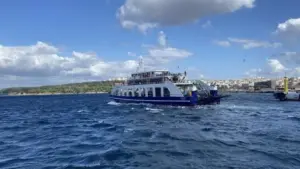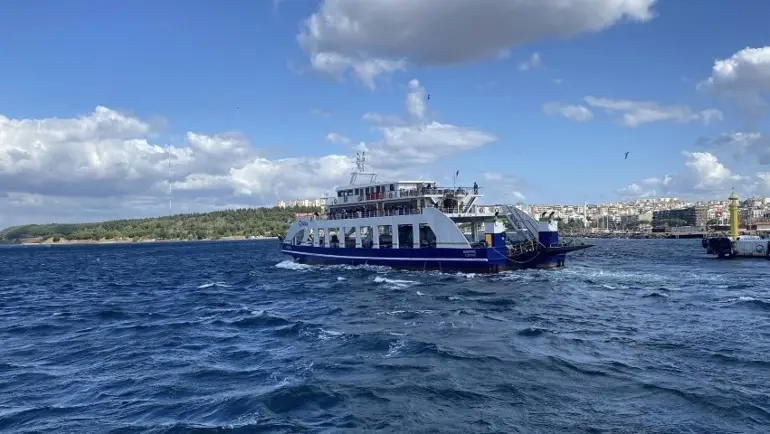
ÇANAKKALE, Turkey — Maritime transport across the northern Aegean Sea has ground to a sudden halt following a severe weather warning that has prompted regional transport authorities to cancel all scheduled ferry services connecting mainland Turkey to the strategic islands of Gökçeada and Bozcaada. The operational suspension, announced by regional ferry operator GESTAŞ, comes as gale-force winds and turbulent sea conditions sweep across the waters of Çanakkale province, posing significant navigation risks to passenger and vehicle vessels.
According to official announcements issued by GESTAŞ Deniz Ulaşım A.Ş., the primary maritime transport provider operating along the Çanakkale Strait and the island routes, all scheduled car and passenger ferry sailings along the Kabatepe–Gökçeada and Geyikli–Bozcaada lines have been completely canceled for tomorrow. The preventive measure was taken in response to unfavorable meteorological forecasts indicating dangerous sea states and sustained gales off the northwestern coast of Turkey.
Northern Aegean Weather Disrupts Vital Maritime Connections
The northern basin of the Aegean Sea is notoriously sensitive to seasonal atmospheric shifts, particularly during the autumn months when cold air masses descending from Northern and Eastern Europe collide with warmer Mediterranean marine environments. This dynamic frequently creates sharp atmospheric pressure gradients, generating severe northerly and northeasterly gales—locally referred to as the Poyraz—that funnel through the Dardanelles Strait and spill over the surrounding open sea.
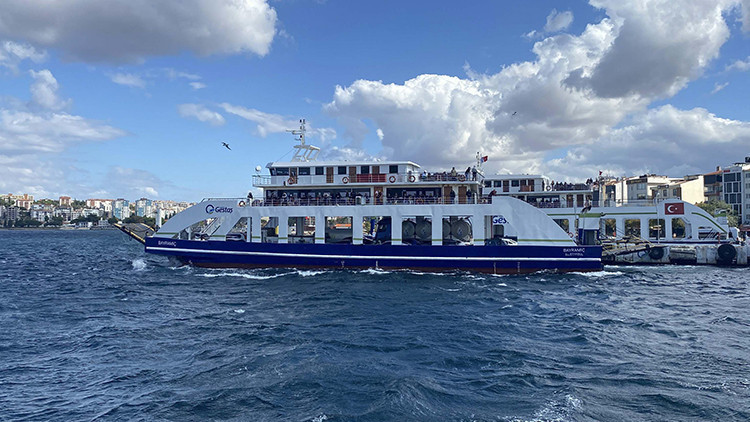
Maritime authorities report that wind speeds in the northern Aegean have reached thresholds that make safe docking, maneuverability, and open-water transit extremely difficult for heavy car ferries. The passage between Kabatepe harbor, located on the western coast of the Gelibolu (Gallipoli) Peninsula, and the island of Gökçeada requires vessels to cross exposed stretches of open sea where wave swells can build rapidly. Similarly, while the geographical distance between the coastal town of Geyikli in the Ezine district and the island of Bozcaada is shorter, the narrow channel between the mainland and the island experiences intense localized wind funnels and lateral ocean currents that complicate harbor entries.
In light of these conditions, maritime safety protocols dictate the immediate suspension of service to prevent accidents, damage to vessels or port infrastructure, and severe discomfort or danger to passengers. GESTAŞ confirmed that maritime safety analysts and meteorological evaluation teams continuously track sea conditions, and the decision to cancel all sailings on both island lines was made after wind speed projections exceeded operational safety parameters.
Crucial Lifelines to Gökçeada and Bozcaada Suspended
The sudden cancellation of ferry sailings underscores the unique geographical vulnerabilities faced by Turkey’s two largest inhabited Aegean islands. Unlike mainland coastal districts that benefit from extensive highway networks and regional infrastructure, Gökçeada and Bozcaada rely almost exclusively on maritime transport for their daily connections to the rest of the country.
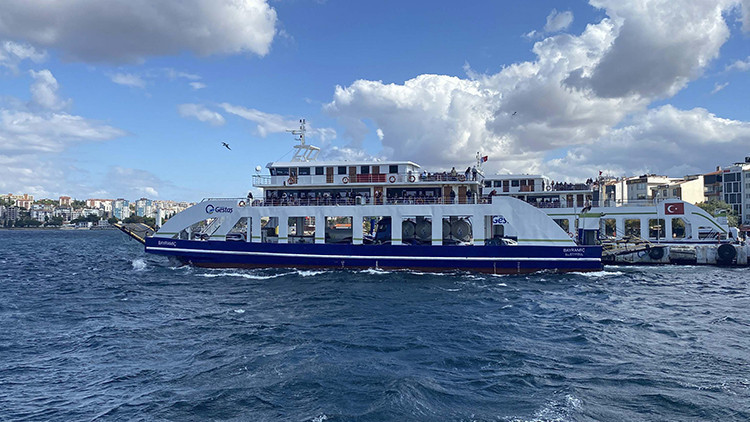
Gökçeada, situated southwest of the Gallipoli Peninsula at the entrance of the Saros Gulf, holds the distinction of being Turkey’s largest island. With a permanent population composed of local residents, agricultural workers, military personnel, and municipal staff, the island depends heavily on the Kabatepe ferry line for the continuous supply of essential commodities. Daily shipments of fresh food, petroleum products, commercial goods, medical supplies, and postal services are routinely transported aboard GESTAŞ car ferries. When adverse weather forces a complete shutdown of the line, the island effectively transitions into a temporary period of isolation, relying on localized reserve stocks until sea conditions stabilize.
Bozcaada, located further south off the coast of Ezine, faces similar operational dependencies. Renowned for its historical architecture, viticulture, and coastal tourism, the island maintains a busy maritime link with the mainland terminal at Geyikli. Beyond serving local residents and seasonal visitors, the Geyikli–Bozcaada ferry route is essential for transporting agricultural exports, regional cargo, and municipal waste off the island.
During transitional weather periods in mid-October, island communities remain particularly attentive to marine weather alerts. Local businesses, freight carriers, and municipal administration teams often adjust their distribution schedules based on advance notices from GESTAŞ to ensure critical supplies reach the islands before severe weather fronts take hold.

Operational Challenges and Safety Protocols in the Dardanelles Region
Managing maritime traffic in Çanakkale province involves navigating some of the most complex hydrologic and atmospheric conditions in the region. GESTAŞ Deniz Ulaşım A.Ş., established to manage passenger and vehicle ferry lines across the Çanakkale Strait (Dardanelles) and to the Aegean islands, operates a fleet designed to withstand harsh maritime environments. However, extreme weather events present physical limitations that supersede vessel capabilities.
When severe gales develop over the Aegean, maritime captains face multiple severe operational hazards:
- Harbor Docking Difficulties: Strong crosswinds at island piers can push large ferries off course during critical docking maneuvers, increasing the risk of collisions with harbor walls or docking ramps.
- Open-Water Swells: High wave heights in the open sea between Kabatepe and Gökçeada can cause extreme vessel rolling and pitching, posing risks to secured vehicles on car decks and endangering passenger safety.
- Reduced Visibility and Squalls: Rapidly moving weather fronts often bring sudden rain squalls and reduced sea visibility, complicating navigation through congested coastal waters.
To mitigate these risks, GESTAŞ works in close coordination with the Turkish State Meteorological Service (Meteoroloji Genel Müdürlüğü), local port authorities, and the Coast Guard Command (Sahil Güvenlik Komutanlığı). Early cancellation announcements are intentionally issued hours in advance of scheduled departures to prevent commercial freight trucks, private vehicles, and foot passengers from traveling to mainland harbor terminals, where waiting areas can become heavily congested during prolonged service outages.

In emergency circumstances where medical evacuations or urgent public safety interventions become necessary during severe sea storms, specialized protocols are activated. Under such rare conditions, military or emergency service helicopters, alongside heavy-duty sea vessels operated by the Coast Guard, are mobilized to handle critical transfers that standard commercial ferries cannot undertake.
Regional Impact on Transportation and Island Communities
The interruption of ferry routes in the northern Aegean frequently coincides with broader weather disturbances affecting northwestern Turkey, including the Marmara region and the Çanakkale Strait. The Dardanelles Strait itself serves as one of the world’s most vital maritime choke points, connecting the Aegean Sea to the Sea of Marmara and ultimately the Black Sea. When severe weather systems hit the area, commercial international shipping through the strait is often subject to speed restrictions, pilotage delays, or temporary transit suspensions.
For domestic travelers and local residents, maritime cancellations during autumn signal the definitive end of the summer travel season and the arrival of winter storm patterns. While summer operations prioritize high-frequency passenger schedules to accommodate hundreds of thousands of tourists visiting Gökçeada and Bozcaada, autumn and winter operations shift toward maintaining consistent, safety-oriented supply lines for resident island populations.

Local authorities on both Gökçeada and Bozcaada have advised residents and prospective travelers to plan accordingly, hold non-essential travel, and continuously monitor official communication channels for updates regarding service restoration. GESTAŞ announced that once the storm system passes and sea states revert to safe levels, regular ferry schedules will resume immediately, with the possibility of additional non-scheduled sailings being deployed to clear any backlogs of passenger and freight traffic that accumulate at Kabatepe and Geyikli terminals during the shutdown.
As the weather front continues to move through the northern Aegean basin, maritime safety agencies remain on high alert, assessing real-time wind speeds and sea surface conditions to ensure that ferry transit across these crucial island corridors remains suspended until safe navigation can be guaranteed.