For home cooks continually faced with the perennial late-afternoon dilemma of deciding what to prepare for dinner, crafting an evening meal that balances comfort, nutritional variety, and culinary sophistication can often prove challenging. As the autumn season sets in and cooler evenings call for warming, wholesome dishes, a thoughtfully composed menu offers an opportunity to bring family and guests together around the dinner table.
Today’s curated selection answers the question of what to cook with a cohesive six-part spread that journeys through some of the most celebrated corners of regional Turkish gastronomy. The meal opens with the comforting warmth of a traditional Ezogelin soup, transitions into the hearty and historic richness of Adapazarı’s signature Islama köfte, and finds refreshing balance through crisp seasonal salad, smoky mütebbel, and oven-baked celeriac infused with olive oil and citrus. Concluding the feast is pepeçura, a silky, ruby-hued grape pudding native to the lush valleys of the Black Sea coast. Together, these dishes create a harmonious dining experience that bridges everyday home cooking with culinary heritage.
Ezogelin Soup
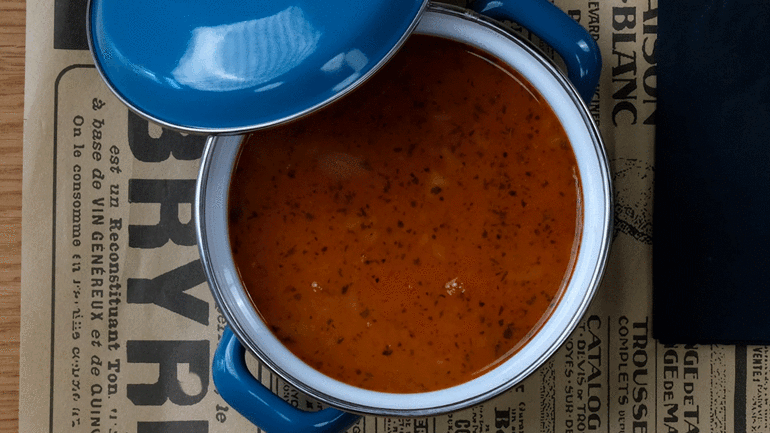
The evening meal begins with a steaming bowl of Ezogelin soup, a timeless staple of Turkish domestic cooking celebrated for its robust texture and warming properties. Named after the legendary folk bride Ezo and deeply rooted in the culinary traditions of Southeastern Anatolia, the soup has long stood as an essential opening act for family gatherings and formal suppers alike.
Unlike single-legume broths, Ezogelin soup derives its distinct character and substantial body from a trio of red lentils, coarse bulgur, and rice. As the red lentils soften and gently dissolve into the simmering broth, the bulgur and rice swell, imparting a thick, porridge-like heartiness that satisfies the appetite without dulling the palate for subsequent courses.

The aromatic profile of the dish is defined by its crowning touch: an aromatic infused butter or olive oil reduction gently cooked with dried peppermint and red pepper flakes. When swirled into the simmering pot, the dried mint releases an earthy fragrance that cuts through the starchiness of the grains, while the red pepper provides a soft, lingering warmth that awakens the senses. Served hot with fresh lemon wedges on the side, Ezogelin soup establishes an inviting, deeply comforting tone for the dishes yet to follow.
Islama Köfte
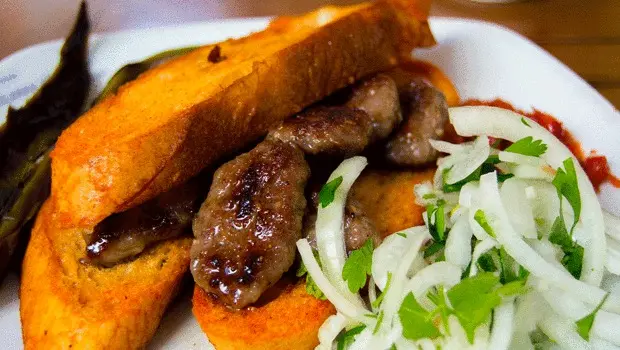
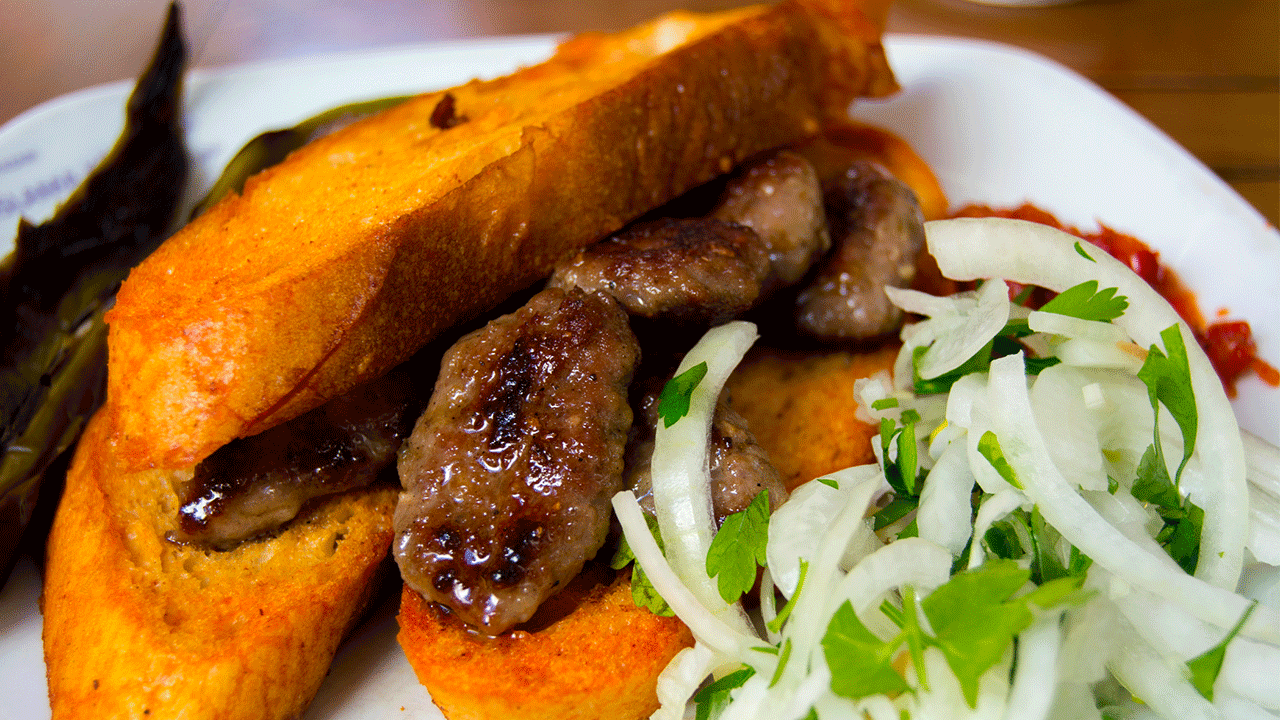
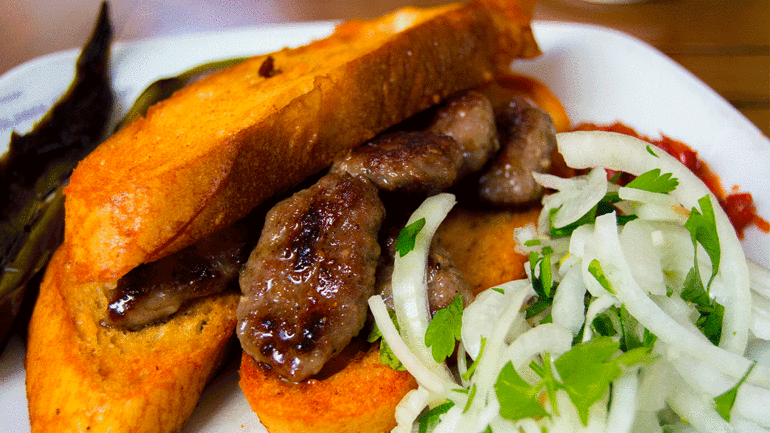
Serving as the centerpiece of tonight’s menu is Islama köfte, a celebrated regional specialty originating from Sakarya in northwestern Anatolia. Distinct from conventional grilled or pan-fried meatballs, this historic dish is elevated by an ingenious technique that integrates bread and meat into a unified, flavorful presentation.

At the core of the recipe are well-seasoned meatballs prepared from high-quality minced beef. The meat is lightly worked with finely grated onion, traditional spices, and minimal filler, allowing the natural flavor of the beef to take center stage. The patties are carefully cooked until they develop a browned, savory exterior while remaining tender and succulent within, avoiding any loss of moisture during the cooking process.
The true hallmark of Islama köfte, however, lies in its foundation of specially prepared bread slices. Stale, crusty hearth bread is generously dipped in a rich, simmering bone broth subtly seasoned with ground red pepper and local rendered fat. Once fully saturated with savory juices without turning soggy, the bread slices are transferred to a hot griddle or skillet where they are lightly toasted until the edges turn crisp while retaining a soft, melt-in-the-mouth center. The glistening meatballs are arranged atop the toasted, broth-soaked bread slices, allowing any residual juices from the beef to seep further into the bread. The result is a texturally layered main course that combines the crunch and savory warmth of the bread with the juicy richness of the beef.

Seasonal Salad
To balance the hearty and rich profile of the meat course, a crisp seasonal salad provides a vivid, colorful presence on the table. A successful dinner menu relies on contrast, and the introduction of fresh, uncooked produce cleanses the palate and introduces vital nutrients and dietary fiber to the evening meal.
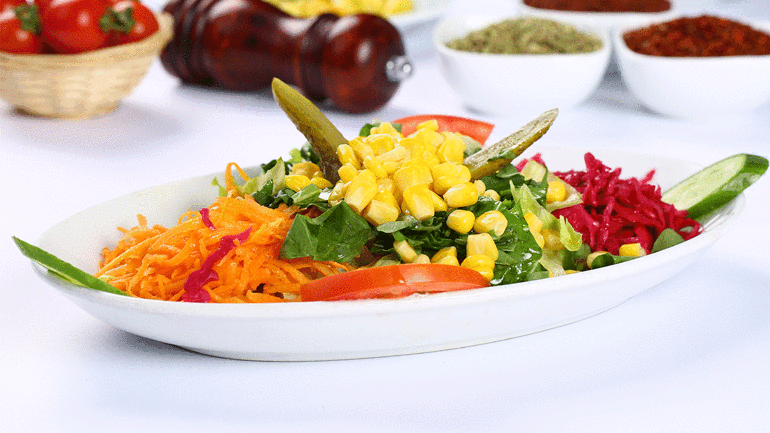
The foundation of the salad relies on crunchy lettuce leaves, thinly sliced red cabbage, and peppery arugula, creating a lively bed of varying textures and gentle bitterness. The leaves are augmented by the natural sweetness of grated fresh carrots and plump golden sweet corn kernels, yielding an appetizing spectrum of reds, greens, oranges, and yellows that elevates the visual presentation of the table.
Tossed lightly with cold-pressed olive oil, freshly squeezed lemon juice, and a gentle pinch of sea salt, the salad retains its natural crunch without becoming weighed down. The bright acidity and cool crispness of the raw vegetables cut effortlessly through the deep, rich flavors of the broth-soaked bread and spiced meatballs, restoring balance to every forkful.
Mütebbel
Complementing the main course as a luxurious mezze is mütebbel, an enduring classic of Eastern Mediterranean and Levantine cuisine that showcases the culinary versatility of the eggplant. Renowned for its rich mouthfeel, the dish transforms simple garden produce into a sophisticated, velvety spread.
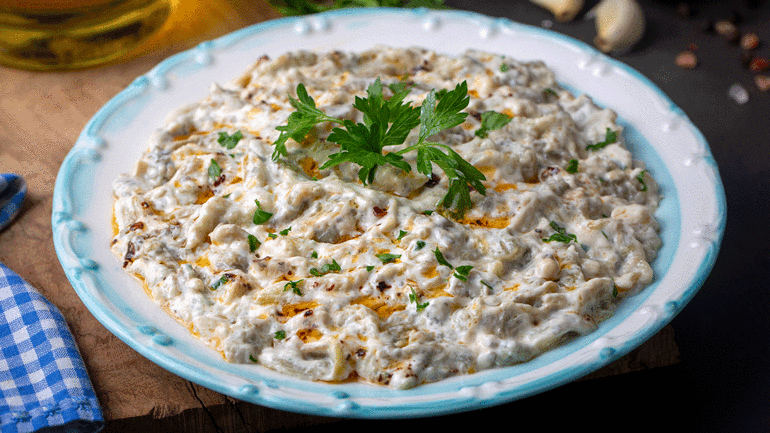
The preparation begins with whole eggplants charred directly over an open flame or roasted until the outer skin turns crisp and blackened. This charring process is vital, as it imparts an intoxicating, smoky aroma to the tender, translucent flesh inside. Once peeled and drained of excess bitter water, the roasted pulp is finely chopped or mashed to a rustic, spreadable consistency.
The smoky eggplant is then combined with creamy sesame tahini, thick strained yogurt, crushed garlic, and a hint of fresh lemon juice. The tahini introduces a deep, nutty richness that coats the palate, while the yogurt softens the intensity of the garlic and provides a cooling, refreshing finish. Drizzled with a thread of golden olive oil, mütebbel serves as an appetizing accompaniment that bridges the gap between the crisp greens of the salad and the rich warmth of the meat course.
Baked Olive Oil Celeriac
Root vegetables take the spotlight with baked olive oil celeriac, an autumn classic drawn directly from the venerable tradition of zeytinyağlılar—dishes cooked gently in extra-virgin olive oil and celebrated for their light, wholesome nature. Often underappreciated due to its rustic, knobby appearance, celeriac transforms into an elegant, tender delicacy when roasted with aromatic companions.
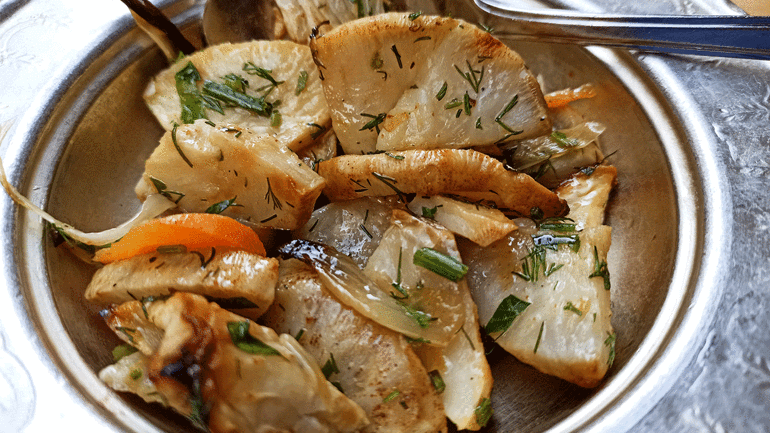
In this preparation, peeled celeriac bulbs are cut into uniform cubes or disks and combined with sweet carrots and sliced onions. Rather than simmering gently on the stovetop, the vegetable medley is arranged in a baking dish and braised in the oven. The cooking liquid consists of high-grade olive oil blended with the freshly squeezed juices of sweet oranges and tart lemons.
As the dish bakes, the oven heat gently softens the vegetables, coaxing out their natural sugars and allowing the celeriac and carrots to undergo a light caramelization around the edges. The earthy, herbal notes of the celery root absorb the vibrant citrus bath, yielding a dish that is deeply fragrant, naturally sweet, and remarkably light. Served at room temperature or slightly warmed, it provides an aromatic bridge that honors the agricultural bounty of the late-year harvest.
Pepeçura
A multi-course dinner finds its natural culmination in dessert, and tonight’s menu finishes with pepeçura, a treasured heritage sweet hailing from the lush coastal regions of the Black Sea. Unlike heavy pastry desserts or milk puddings, pepeçura is a fruit-forward confection that celebrates the annual grape harvest.
The dish centers on dark, fragrant Black Sea grapes, prized for their thick skins, aromatic musky bouquet, and natural balance of intense sweetness and refreshing tartness. The grapes are crushed and gently heated to extract a deeply pigmented, ruby-purple juice that serves as the natural base of the pudding.
This vibrant grape nectar is slowly simmered with finely milled cornmeal and starch, whisked continuously until it thickens into a glossy, pudding-like consistency. The use of cornmeal—an agricultural signature of the Black Sea region—gives the dessert its distinctive silkiness, creating a delicate mouthfeel that glides across the tongue. Chilled until set, pepeçura delivers a clean, fruit-driven finale with an elegant purple sheen, leaving the dinner table on a refreshing and memorable note.