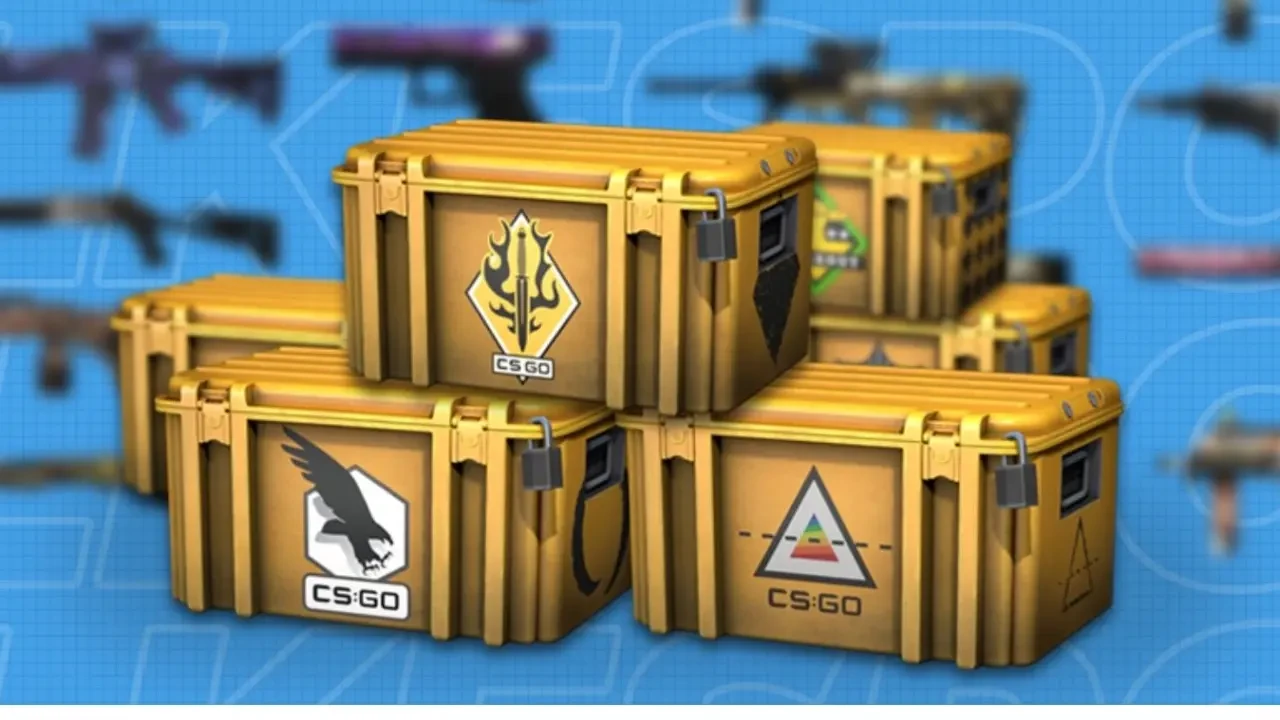
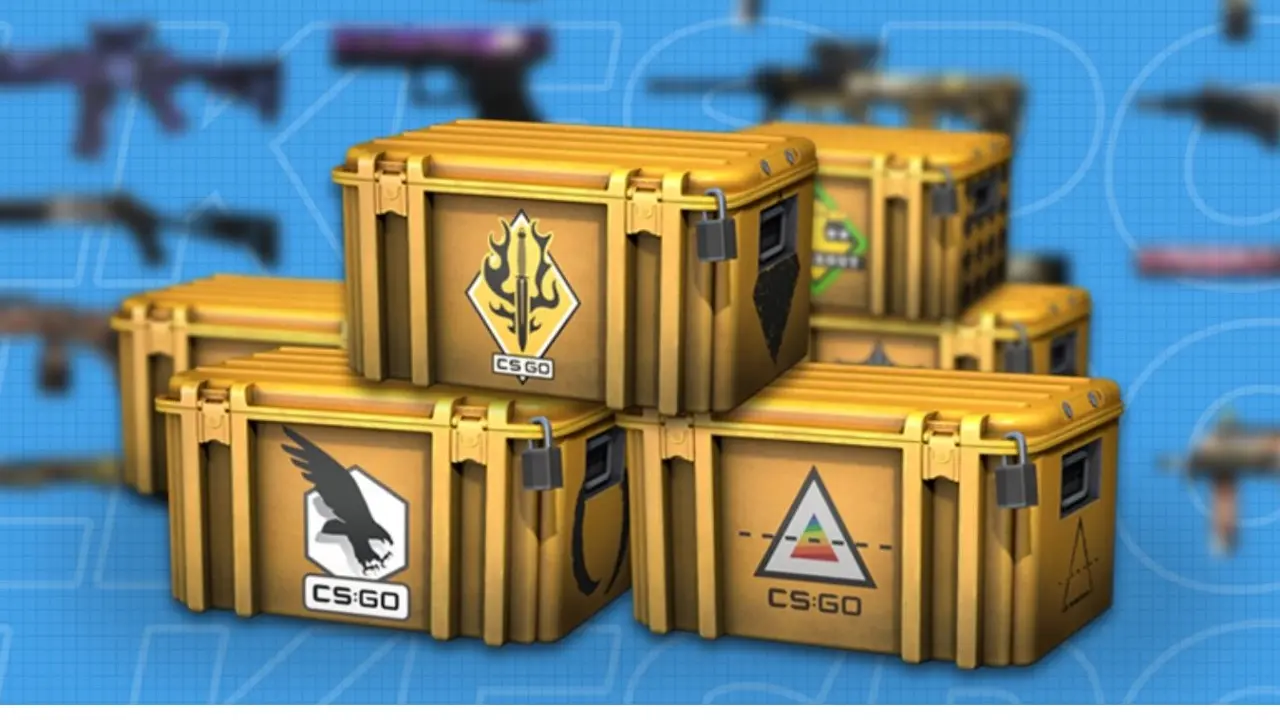
The virtual item economy surrounding Valve’s Counter-Strike series remains one of the most sophisticated and active digital asset markets in the gaming industry. Following the transition from Counter-Strike: Global Offensive to Counter-Strike 2 (CS2), player engagement with cosmetic items—ranging from weapon finishes and knives to collectible cases—has maintained significant momentum. While Valve’s native Steam Community Market serves as the default destination for trading, an extensive secondary ecosystem of third-party platforms has emerged alongside it.
Many community members and digital asset collectors frequently question why players turn to external services when an official marketplace already exists. The driver behind this trend lies in the specialized functionality offered by third-party services. External platforms frequently provide features unavailable on Steam, including deep analytical tools, alternative acquisition mechanics, cross-market pricing data, and targeted promotional structures. For users seeking to evaluate items, assess wear metrics, manage multi-account inventories, or open virtual cases, navigating these external options requires a clear understanding of what each service provides.
Disclaimer
This article is provided strictly for general informational and educational purposes and does not constitute financial, investment, or trading advice. The platforms mentioned below operate independently and are not sponsored by, affiliated with, or endorsed by Valve Corporation. Data regarding user metrics, features, and platform services are derived from third-party reports, may fluctuate over time, and should be independently verified by users. Platform terms of service, transaction fee structures, and regional availability are subject to change without prior notice.
The Top 5 Platforms for Exploring CS2 Cases, Skins, and Inventories
To provide a clearer view of the current ecosystem, five widely utilized platforms stand out for their specific roles in skin evaluation, case interaction, and inventory tracking. Each platform caters to distinct aspects of the CS2 item market, from baseline security to specialized statistical analysis.
Hellcase
Operating continuously since late 2015 or early 2016 depending on historical records, Hellcase represents one of the longest-standing case-opening services active within the Counter-Strike community. Over its years of operation, the platform has developed a expansive digital catalog, currently featuring approximately 300 distinct virtual case options. These offerings range from low-cost, entry-level cases to high-value, premium selections.
Beyond standard solo case openings, Hellcase incorporates interactive mechanisms such as "case battles"—where multiple users simultaneously open identical cases to compete for the total pool of unboxed items—and an item upgrade tool allowing users to attempt trading lower-tier cosmetics for higher-value skins. To maintain user engagement, the platform utilizes a progression level system that rewards daily active participants. Furthermore, to address fairness concerns inherent in digital unboxing mechanics, the service processes outcomes through a cryptographic verification system designed to ensure transparent result generation.
KeyDrop
Launched in 2018, KeyDrop established a footprint in the community by prioritizing operational execution speed and administrative transparency. A notable characteristic reported by its user base is the efficiency of digital transfers, with item redemptions and balance transactions often executing in under one minute.
To establish verifiable fairness across its offerings, KeyDrop employs a cryptographic verification architecture utilizing published seed values. This framework allows users to independently confirm that case opening results are randomized and untampered with. The platform hosts a varied catalog of virtual cases alongside incentive structures for new and returning users, frequently integrating promotional deposit bonuses and extra platform credits to attract traders looking for additional balance flexibility.
CSFloat
Unlike traditional case-opening or unboxing websites, CSFloat serves a purely analytical and peer-to-peer marketplace role within the ecosystem. The platform was built specifically to evaluate and verify the precise wear metrics of Counter-Strike 2 cosmetics, known technically as the "float value."
In CS2, every weapon skin is assigned a precise numerical float value ranging between 0.00 and 1.00, which dictates the visual wear, scratches, and degradation on the in-game model. CSFloat allows collectors and traders to paste an item’s unique "inspect link" directly into its database to extract exact float metrics and pattern template indices. This utility is particularly critical for pattern-sensitive items—such as Case Hardened or Fade finishes—where a minute variation in float value or a specific numerical pattern index can alter an item’s market value exponentially. By relying on raw data extracted directly from the game’s servers rather than seller-provided screenshots, traders utilize CSFloat to conduct rigorous due diligence prior to executing high-value purchases.
Steam Community Market
The Steam Community Market, developed and operated directly by Valve Corporation, remains the most straightforward and secure option for the broader player base. It enables users to purchase, sell, and trade CS2 cosmetics directly within Valve’s ecosystem using standard Steam Wallet funds.
Unlike external platforms, the Steam Community Market does not feature gamified unboxing mechanics, promotional bonuses, or external case battles. However, its primary advantage lies in absolute operational security. Because transactions occur entirely within Valve’s official infrastructure, users face zero third-party counterparty risk, API scam exposure, or balance retrieval complications. For casual players seeking a secure environment to liquidate drops or purchase specific items without navigating external web applications, the official market remains the foundational standard.
Skinsbook
Skinsbook operates primarily as an automated inventory aggregate and portfolio management utility rather than a direct marketplace or unboxing hub. Its principal function is to provide real-time economic tracking for players holding extensive item collections.
The platform automatically computes the total value of a user’s Steam inventory by aggregating real-time pricing data across multiple secondary marketplaces simultaneously. This provides collectors with an overview of their portfolio’s net worth without requiring manual lookups on individual sites. Additionally, Skinsbook includes multi-account management functionality, allowing high-volume traders who distribute items across secondary storage or alternative Steam profiles to monitor their aggregate inventory values from a single centralized interface.
Analytical Methodologies for Evaluating CS2 Items
Recognizing which platforms exist is only the initial step in participating in the secondary CS2 item ecosystem. To navigate transactions safely and accurately, market participants rely on specific analytical practices before committing funds or accepting trade offers.
Float and Pattern Verification
A central pillar of proper item evaluation is avoiding reliance on external screenshots or unverified seller descriptions. Experienced market participants initiate every evaluation by extracting the item’s inspect link and processing it through a dedicated float calculator or verification platform.
Because two skins belonging to the same wear tier (such as "Field-Tested") can sit at opposite ends of the numerical spectrum, their visual appearance in-game can differ noticeably. Furthermore, specific pattern template numbers can align rare color distributions—such as high percentages of blue on Case Hardened skins or specific color percentages on Marble Fade finishes. Verifying the exact pattern index and float value ensures that buyers do not pay premium rates for standard items.
Cross-Marketplace Price Discrepancy Analysis
Price uniformity does not exist across different CS2 secondary platforms. Due to varying fee structures, withdrawal options, and regional liquidity pools, price discrepancies ranging from 10% to 20% for the exact same item are common between different third-party marketplaces and the official Steam market.
Consequently, evaluating an item solely against a single market listing often presents an incomplete financial picture. Before accepting a trade or completing a purchase, experienced traders compare the item’s active listings across multiple venues using price aggregation utilities. This step helps identify trades that appear balanced on the surface but are uneven when measured against broader market averages.
Asset Liquidity and Turnover Rates
A high nominal listing price on a marketplace does not automatically equate to realizable value if market demand for the item is low. Extremely rare, highly specialized, or unusually pattern-dependent items may maintain high asking prices but can remain listed for weeks or months without attracting a buyer.
Conversely, widely recognized cosmetics—such as mid-tier knife finishes or popular rifle skins—exhibit high market liquidity and typically sell within hours of listing. Prior to allocating capital to an item, traders evaluate how quickly that asset can be liquidated back into currency or traded for alternative items. Purchasing illiquid assets can result in capital remaining tied up far longer than anticipated.
Maximizing Utility Through Third-Party Analytical Tools
The sustained popularity of secondary CS2 platforms is largely sustained by the specialized software tools they provide to end-users. Understanding the categories and practical applications of these utilities enables players to make data-driven market decisions.
Categories of Ecosystem Tools
The toolset utilized by modern CS2 market participants generally falls into three main functional categories:
- Price Comparison Aggregators: Software engines that scan active listings across various independent marketplaces to highlight pricing gaps and lowest-available ask prices.
- Float and Wear Inspection Utilities: Specialized code scripts or web services that pull technical metadata directly from Valve’s game servers via inspect links to display exact wear floats, seed numbers, and applied sticker wear percentages.
- Inventory Portfolio Trackers: Valuation dashboards that hook into public Steam APIs to continuously calculate the total monetary value of an inventory based on live secondary market sales data.
Each category addresses a specific operational requirement: evaluating asking prices, verifying physical asset condition, or tracking macro portfolio performance.
Practical Benefits for Market Participants
Integrating these software tools into standard trading routines replaces speculative guesswork with quantifiable metrics. For instance, utilizing a real-time price comparison engine prevents buyers from overpaying on one platform when the identical skin is available for a lower price elsewhere due to regional liquidity variations.
Similarly, float verification utilities prevent buyers from falling victim to deceptive marketing where a skin is advertised as "clean" despite possessing a wear value sitting on the boundary of a worse wear tier. For collectors managing hundreds of individual assets, automated portfolio trackers eliminate the labor-intensive process of manually recording fluctuating prices for every item, delivering real-time economic adjustments automatically.
Identifying and Verifying Reliable Utilities
The majority of these analytical utilities are accessible as web browser extensions, mobile applications, or standalone web platforms. Given the fast-paced nature of the CS2 item market, verifying the technical reliability of a tool before relying on its outputs is essential.
Market participants are advised to verify how frequently a tool updates its underlying price data. Utilities running on delayed or cached data feeds may display outdated price points that fail to reflect sudden market swings following game updates or supply shifts. A practical verification method involves testing a new tool against a widely traded control item with known, stable market values to confirm that the platform outputs accurate and synchronized data.
Summary of Platform Features
| Platform | Primary Function | Key Features | Verification Method |
|---|---|---|---|
| Hellcase | Case Opening & Gamification | ~300 cases, Case Battles, Item Upgrader, Level System | Cryptographic Verification |
| KeyDrop | Fast Case Opening & Incentives | Rapid transactions (<1 min), promotional bonuses, seed values | Cryptographic Seed Verification |
| CSFloat | Skin Wear Analysis & P2P Market | Inspect link evaluation, precise float metrics, pattern template indices | In-game Server Metadata Extraction |
| Steam Community Market | Native Valve Marketplace | Direct buying/selling/trading, zero 3rd-party risk, integrated Steam Wallet | Native Valve Ecosystem Security |
| Skinsbook | Portfolio & Inventory Tracking | Multi-market price aggregation, automated portfolio valuation, multi-account support | Public Steam API Data Mapping |
Conclusion
The ecosystem surrounding Counter-Strike 2 items has evolved into a complex secondary market supported by diverse platforms and analytical tools. Whether a player’s objective is simple item procurement through Valve’s official channels, evaluating exact wear parameters via CSFloat, or tracking portfolio values across multiple accounts with Skinsbook, selecting the appropriate tool depends on individual operational requirements and risk tolerance. By employing rigorous item inspection techniques, monitoring market liquidity, and utilizing verified analytics engines, participants can navigate the CS2 virtual economy with greater clarity and precision.