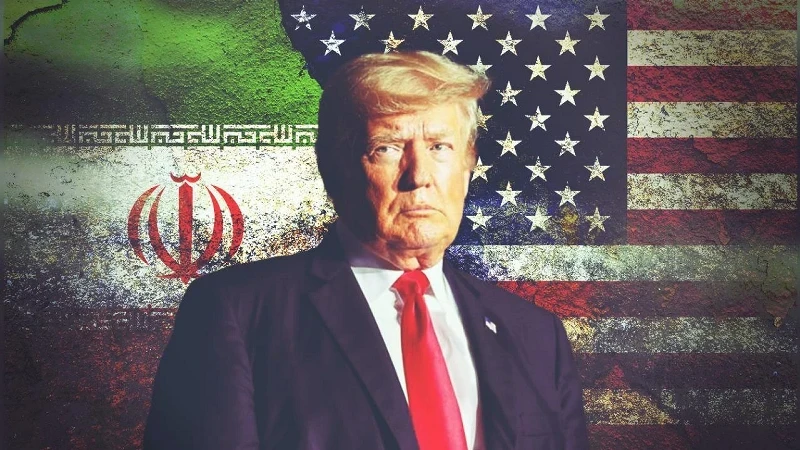
TEHRAN — In recent statements broadcast widely on Iranian state television, Iranian officials have openly addressed the rising geopolitical tensions surrounding the newly proposed "Trump Route," officially known as the Trump Route for International Peace and Prosperity (TRIPP). The developments have triggered a wave of intense diplomatic engagements across the region, particularly involving Iran, Armenia, and Azerbaijan, as Tehran voices apprehension regarding any potential military or strategic presence of the United States near its borders.
According to reports carried by Iranian state media, high-ranking Iranian officials, including the country’s leadership, have closely monitored the progression of the TRIPP initiative. Commenting on the geopolitical ramifications of the project, Iranian representatives emphasized that Tehran maintains strict sensitivities regarding the security architecture of its immediate neighborhood. "In the region and around us, we harbor deep concerns regarding any form of presence by the United States, and we maintain extreme sensitivity on this specific matter," the official statements noted, highlighting long-standing geopolitical friction between Washington and Tehran.
The core of Iran’s diplomatic strategy involves active and ongoing consultations with the government in Yerevan. Iranian authorities stressed that they have been in constant communication with Armenian counterparts to address mutual security concerns. According to the state television broadcast, Tehran has received assurances from Armenian leadership indicating that Yerevan will not undertake any steps that could potentially compromise or threaten the national security of the Islamic Republic of Iran.
"We will continue our discussions and diplomatic engagements with Armenian officials," the Iranian remarks highlighted, pointing to recent high-level visits that underscore the urgency of the matter. As part of this diplomatic push, Armenian Foreign Minister Ararat Mirzoyan traveled to Tehran, where he engaged in what Iranian officials described as highly constructive and comprehensive discussions. The momentum continued with subsequent high-level meetings, including scheduled talks between Iranian President Masoud Pezeshkian and Armenian Prime Minister Nikol Pashinyan to further align regional perspectives.
The diplomatic flurry follows a significant geopolitical milestone that took place on August 8, when Azerbaijani President Ilham Aliyev and Armenian Prime Minister Nikol Pashinyan participated in a trilateral summit hosted by United States President Donald Trump at the White House. During this high-profile meeting, the leaders formally agreed to advance and implement the TRIPP initiative. The overarching objective of this strategic project is to establish an unhindered, secure connection linking the main territory of Azerbaijan directly to its exclave, the Nakhchivan Autonomous Republic.
Often referred to in regional discourse as the "Zengezur Corridor," the proposed transport route is designed to reshape connectivity across the South Caucasus. The ambitious infrastructure plan encompasses a comprehensive network comprising modern railway lines, high-capacity roadways, advanced energy transmission grids, and robust telecommunication frameworks. While proponents of the corridor argue that it will foster economic integration, trade, and regional cooperation by bridging transport gaps, neighboring regional powers like Iran view the evolving security dynamics with caution, keeping a watchful eye on how foreign involvement, particularly by the United States, might alter the delicate balance of power along their borders.