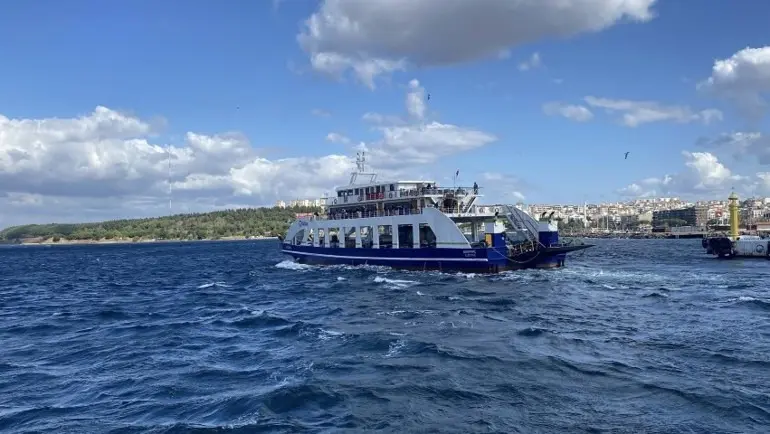
ÇANAKKALE, Turkey — Severe atmospheric conditions and rising storm activity in the northern Aegean Sea have disrupted maritime transportation across Çanakkale province, forcing local authorities to suspend all scheduled ferry services to the offshore islands of Gökçeada and Bozcaada.
The regional marine transport operator, GESTAŞ Maritime Transportation (GESTAŞ Deniz Ulaşım A.Ş.), announced that all ferry sailings between the mainland ports and the two Aegean islands have been canceled for the entire day on October 14 due to adverse weather conditions making navigation and harbor maneuvers unsafe.
The decision impacts both the Kabatepe–Gökçeada route and the Geyikli–Bozcaada line, cutting off primary sea connections between mainland Turkey and its two largest inhabited Aegean islands. Transport officials emphasized that the preventive cancellations were ordered to safeguard passenger safety, vessel integrity, and harbor infrastructure against expected gale-force winds and rough seas.
Severe Weather Disrupts Northern Aegean Maritime Routes
The northern expanse of the Aegean Sea is experiencing a pronounced turn toward autumn weather instability, characterized by swift shifts in barometric pressure and high-velocity wind patterns. As these meteorological conditions deteriorated across the maritime corridors surrounding Çanakkale, marine navigation authorities issued warnings concerning high wave heights and severe wind gusts capable of endangering commercial ferry operations.
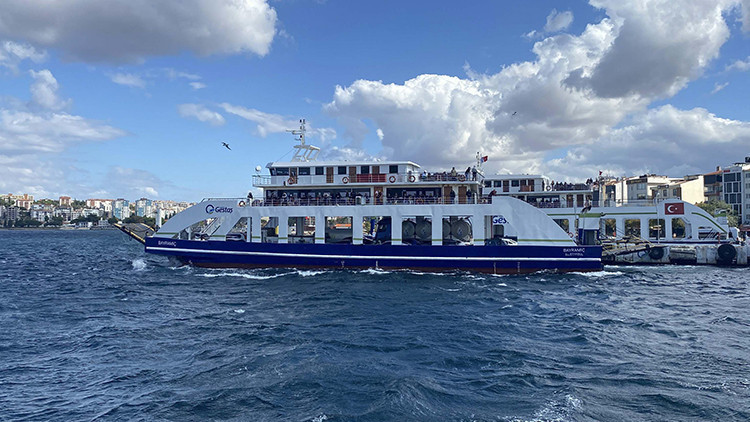
In response to the deteriorating meteorological forecasts, GESTAŞ issued an official public statement confirming that all scheduled trips for the following day along the affected island routes had been removed from the operational timetable. According to the announcement, the decision was reached after assessing regional weather models and consulting maritime safety guidelines regarding open-water operations during stormy conditions.
The cancellation affects both passenger transport and vehicular ferry traffic. Under normal operating conditions, these lines accommodate a continuous flow of local residents, commercial cargo trucks, emergency vehicles, and seasonal visitors. With all sailings called off for the day, harbor facilities at both mainland departure points and island terminals will remain inactive until sea conditions subside to safe operational thresholds.
GESTAŞ regularly updates its operational schedules based on live weather data provided by meteorological authorities. However, the intensity of the incoming system in the northern Aegean prompted an advance, blanket cancellation for all trips planned along the island routes, allowing travelers and commercial logistics companies time to adjust their schedules before arriving at the terminals.
Operational Scope and Key Regional Ferry Corridors
GESTAŞ serves as the primary maritime transport provider in Çanakkale province, operating an extensive network of car and passenger ferries across the Dardanelles Strait (Çanakkale Boğazı) as well as the open-sea routes connecting mainland shores to the islands of Gökçeada and Bozcaada. While the narrow waters of the Dardanelles often provide partial shelter against open-sea swells, the routes serving the Aegean islands are fully exposed to northern and north-westerly gales that sweep across the sea basin.
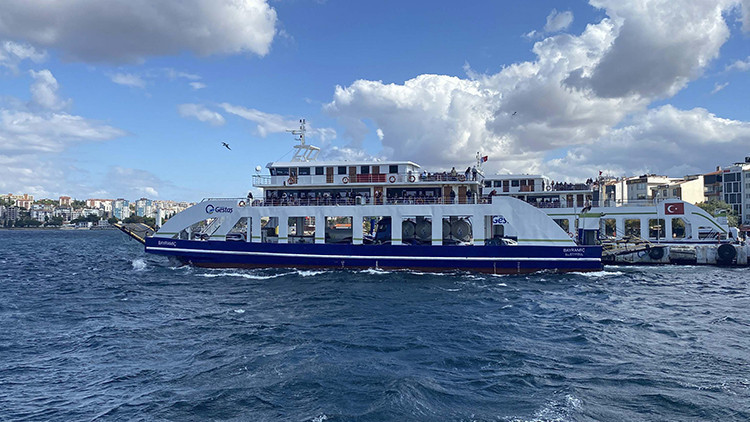
The Kabatepe–Gökçeada ferry line operates out of Kabatepe Port, situated on the western coast of the historic Gallipoli (Gelibolu) Peninsula. This route traverses open water to reach Gökçeada—Turkey’s largest island by land area—located near the entrance of the Saros Gulf. Because the journey requires navigating exposed marine stretches, vessels operating on the Kabatepe route are particularly susceptible to severe sea swells and crosswinds that complicate both transit navigation and docking procedures at the island’s main harbor.
Simultaneously, the Geyikli–Bozcaada ferry line links the coastal town of Geyikli, located in Çanakkale’s Ezine district, with Bozcaada, a prominent island known for its vineyards, historic fortress, and coastal tourism. Although the geographical distance between Geyikli and Bozcaada is shorter than that of the Gökçeada crossing, the narrow channel between the island and the Anatolian mainland frequently experiences funneling wind effects, generating sharp, short-period waves that pose significant hazards to heavy car ferries during berthing operations.
By suspending operations on both distinct routes, GESTAŞ has effectively paused all routine vehicle and passenger transport to and from the islands. Official statements indicated that operations will remain suspended until weather conditions improve and sea state metrics return to levels permitted under maritime safety standards.
Meteorological Challenges and Maritime Safety Considerations
Maritime transit in the northern Aegean Sea is heavily governed by seasonal atmospheric dynamics. During transitional autumn months, the region frequently experiences intense squalls and persistent high winds—predominantly Poyraz (northeasterly) or Lodos (southwesterly) gales—that generate treacherous wave action across open water corridors.

Navigating open-deck car ferries during high-wind events presents acute technical challenges for vessel captains. Strong crosswinds increase the surface area resistance of large ferries, making steering control difficult during precise maneuvers required when approaching narrow harbor inlets. Furthermore, heavy ocean swells can cause significant vessel roll and pitch, creating safety risks for onboard vehicles, cargo, and passengers.
Harbor infrastructure on the islands also plays a crucial role in operational decisions during severe weather. Docking at island terminals during heavy swells requires specialized moorings, and excessive wave motion inside harbors can cause vessels to strike pier structures, threatening damage to both ships and port facilities. Maritime safety regulations mandate that ferry operators preemptively suspend services whenever wind speeds and sea heights exceed established operational limits.
Maritime officials noted that advance cancellations prevent vessels from becoming stranded in open waters or attempting perilous docking maneuvers under emergency conditions. By taking preventative action based on meteorological forecasts, transport authorities aim to eliminate potential hazards before ships depart their berths.
Impact on Island Logistics, Mobility, and Daily Operations
The complete shutdown of ferry routes inevitably introduces immediate operational challenges for the island communities of Gökçeada and Bozcaada, which rely exclusively on maritime corridors for connection to the Anatolian mainland and the European side of Çanakkale.

Because the islands do not possess land-based transport connections or active commercial airport facilities for daily passenger travel, car ferries function as vital lifelines. They facilitate the movement of daily essential goods, including fresh produce, meat, dairy, medicine, fuel supplies, and postal delivery services. Commercial freight transport depends heavily on morning ferry departures from Kabatepe and Geyikli to restock island businesses and municipal facilities.
In addition to supply chain logistics, the cancellation affects regional mobility for island residents who regularly commute to the mainland for specialized medical appointments, official government administrative business, university education, or personal errands. Local municipal services and emergency response teams must also adjust their operational protocols during severe weather closures, relying on emergency coordination procedures if urgent medical evacuations or specialized interventions become necessary while sea transit is closed.
Tourism and localized commerce are similarly affected. Although the peak summer tourist season has passed, Bozcaada and Gökçeada continue to host autumn visitors, day-trippers, and weekend travelers. The suspension of ferry services requires travelers to adjust their itineraries, extend hotel stays on the islands, or delay planned trips from the mainland.
Local businesses on both islands typically prepare for seasonal weather disruptions by maintaining backup inventories of essential supplies, a routine practice developed over decades of living in island environments subject to periodic maritime weather closures.

Passenger Advisories and Contingency Measures
In light of the weather-induced cancellations, GESTAŞ has advised all intending passengers, motorists, and commercial transport operators to monitor official communication channels for real-time updates regarding service resumption. Transport officials urged travelers not to set out for Kabatepe or Geyikli ports without verifying the operational status of the lines, aiming to prevent traffic congestion and prolonged wait times at mainland harbor plazas.
The ferry operator maintains continuous coordination with the Turkish State Meteorological Service and regional harbor master offices to assess evolving weather patterns. Once the storm system moves out of the northern Aegean basin and sea conditions stabilize, GESTAŞ is expected to conduct route safety assessments before officially clearing vessels to resume scheduled trips.
Travelers holding advance reservations or tickets for the canceled October 14 sailings are being guided through standard operational protocols regarding ticket changes or information inquiries via GESTAŞ’s digital platforms and call centers. Operational staff remain stationed at primary mainland and island terminals to inform the public and assist with traffic management until regular ferry services can safely resume across the Çanakkale archipelago.