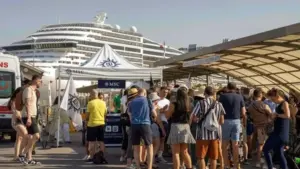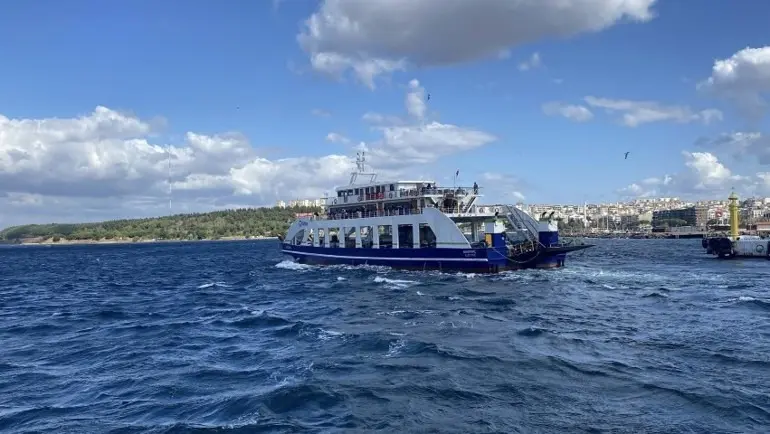
All scheduled ferry trips serving the strategic northern Aegean islands of Gökçeada and Bozcaada have been canceled due to adverse weather conditions and severe gale-force winds sweeping across the region, according to an official statement issued by regional maritime operator GESTAŞ.
The announcement affects two major maritime transit corridors connecting mainland Çanakkale to the islands: the Kabatepe-Gökçeada line and the Geyikli-Bozcaada line. Authorities confirmed that all passenger and vehicle transportation across both routes will remain suspended until weather conditions improve and sea navigation can be safely resumed.
Worsening Weather Halts Key Island Transport Links
The regional transportation disruption stems from a powerful storm system that gained strength across the northern Aegean Sea, producing rough sea conditions, heavy wave action, and strong winds that pose significant risks to maritime navigation.
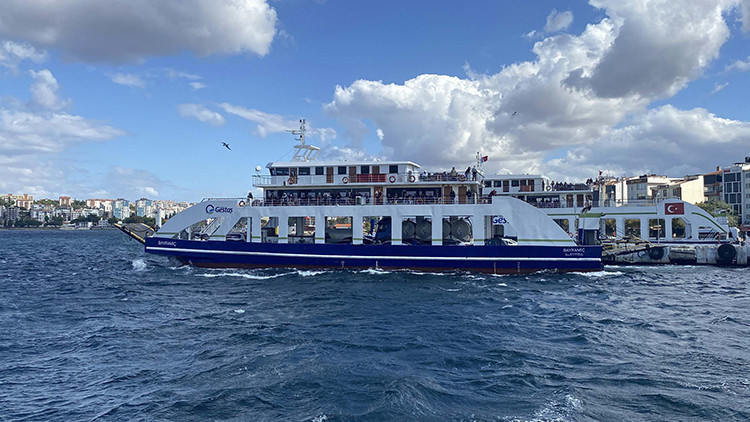
GESTAŞ Deniz Ulaşım A.Ş., the primary maritime transport authority responsible for vehicle and passenger transit across the Dardanelles Strait and the neighboring island routes, released a public advisory confirming the complete cancellation of services. According to the carrier’s statement, the decision was taken as a precautionary safety measure to protect passengers, crew members, and vessels from the severe weather system impacting the coastal waters of Çanakkale province.
The cancellation impacts all scheduled departures between the mainland port of Kabatepe and Gökçeada, Turkey’s largest island, as well as all sailings between the coastal township of Geyikli and the island of Bozcaada. The suspension of operations highlights the ongoing vulnerability of island transport networks to sudden atmospheric changes in the northern Aegean basin during seasonal transition periods.
Operational management at GESTAŞ emphasized that maritime safety protocols strictly regulate vessel departures during high-wind events. When wind speeds and wave heights exceed established safety thresholds, docking procedures at exposed island harbors become hazardous, prompting immediate service suspensions across vulnerable lines.
Maritime Safety Protocols and Weather Dynamics in the North Aegean
The Northern Aegean Sea is recognized by maritime captains and weather forecasting agencies for its turbulent weather dynamics, particularly during atmospheric shifts when intense wind systems sweep southward through the Saros Gulf and the mouth of the Çanakkale Strait. These geographical corridors act as natural funnels, intensifying wind velocities and creating steep, unpredictable surface swells that severely challenge coastal ferries.
For vessel operators navigating the routes to Gökçeada and Bozcaada, weather-induced hazards extend beyond open-water passage. The primary risk during high-wind events occurs during harbor approaches and docking maneuvers. Both the port of Kabatepe on the Gallipoli Peninsula and the island harbors of Bozcaada and Gökçeada require precise navigation within narrow harbor basins. Strong side winds and surge swells can push heavy passenger ferries off course during docking procedures, increasing the risk of collisions with harbor walls, piers, or adjacent vessels.
GESTAŞ utilizes specialized car ferries and passenger vessels designed to withstand northern Aegean conditions. However, maritime safety standards mandate that commercial operations be halted whenever sea conditions compromise control during berthing operations or present unsafe vessel motion for passengers and onboard vehicles.

Maritime experts note that autumn and winter storm systems in the northern Aegean frequently force temporary shutdowns of regional ferry networks. When low-pressure systems move across the Balkan peninsula or over the Aegean basin, the resulting pressure gradients generate sustained gales that can last for hours or even days, disrupting maritime logistics across the region.
Implications for Island Communities and Mainland Connectivity
The complete halt of ferry operations creates immediate logistical challenges for the resident populations of Gökçeada and Bozcaada, as well as for commercial drivers, local businesses, and visitors traveling to and from the mainland. As islands with no direct runway connectivity for commercial passenger flights, both landmasses rely entirely on GESTAŞ ferry links for their everyday connection to mainland Çanakkale and the broader domestic transport network.
For island residents, the ferrying system serves as an essential lifeline responsible for supplying daily commerce and municipal necessities. Fresh produce, food staples, fuel shipments, commercial goods, postal deliveries, and construction materials are transported daily via heavy goods vehicles carried aboard GESTAŞ vessels. Extended ferry suspensions can lead to temporary delays in local supply chains, requiring island businesses and local authorities to manage inventory carefully during periods of prolonged weather disruption.

In addition to commercial freight, maritime transit plays a critical role in public health and municipal infrastructure. Island residents frequently travel to mainland Çanakkale for specialized medical appointments, secondary education, legal proceedings, and official administrative tasks. Emergency medical transfers during ferry suspensions rely on dedicated coast guard vessels or air ambulance services depending on the severity of the medical emergency and atmospheric conditions.
The transport shutdown also impacts local tourism and regional economic activity. Bozcaada and Gökçeada remain popular destinations for domestic visitors seeking coastal escapes, agricultural tourism, and historical sightseeing. Unexpected ferry cancellations often force travelers to adjust their accommodation plans, prolonging stays on the islands or delaying trips from the mainland while waiting for maritime routes to reopen.
Passenger Travel Advisories and Operational Outlook
In response to the storm cancellations, GESTAŞ has advised all prospective passengers and vehicle operators to stay informed through official communication channels before attempting to travel to the ports at Kabatepe or Geyikli. Port terminals on the mainland often experience vehicle queueing during service suspensions as drivers await the resumption of sailings, leading to localized traffic delays near coastal access roads.

To manage passenger expectations and minimize overcrowding at mainland terminals, GESTAŞ provides real-time operational updates through its official website, mobile communication platforms, automated SMS notification systems, and customer call centers. Travelers with advance bookings or time-sensitive travel plans are encouraged to monitor these digital feeds for announcements regarding weather improvements and the potential resumption of scheduled sailings.
GESTAŞ operations teams continually monitor real-time marine weather telemetry, barometric pressure trends, and wind vector forecasts provided by national meteorological services. Decisions to clear ships for departure are made dynamically based on updated marine weather bulletins and direct assessments conducted by port captains stationed at Kabatepe, Geyikli, and the island terminals.
Once wind velocities subside and wave heights drop back within safe operating parameters, GESTAŞ typically deploys additional or modified ferry schedules to clear backlog traffic at the terminals. Priority is generally given to clear commercial supply transport, emergency service vehicles, and stranded passengers who faced long wait times during the weather window.
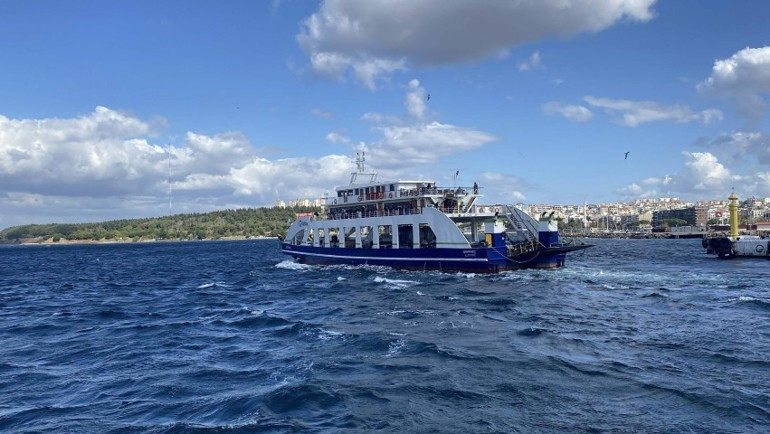
The current suspension serves as a reminder of the powerful influence environmental factors maintain over the northern Aegean transit framework. As seasonal weather patterns continue to bring periodic storm fronts across Çanakkale’s maritime territory, regional transport authorities remain focused on maintaining rigid safety standards to preserve life and vessel integrity against challenging sea conditions.