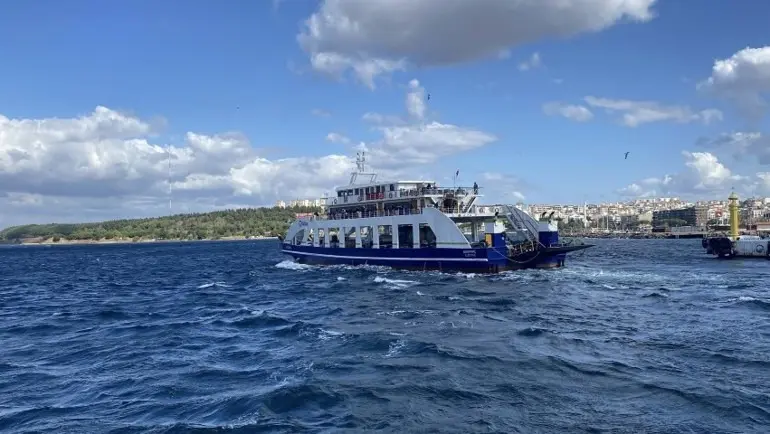
ÇANAKKALE, Turkey — Severe autumnal weather conditions sweeping across the northern Aegean Sea have brought island transit to a complete standstill in Çanakkale province, forcing maritime transport authorities to cancel all scheduled ferry sailings between the Turkish mainland and the offshore islands of Gökçeada and Bozcaada. The operational decision, taken in response to deteriorating weather forecasts predicting high-velocity gales and hazardous sea conditions, highlights the recurring vulnerability of regional island supply lines during seasonal weather transitions.
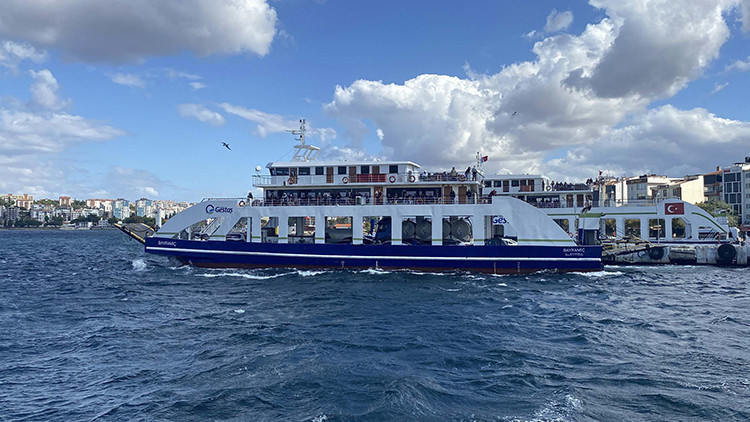
GESTAŞ Sea Transportation, the official regional maritime carrier responsible for passenger and vehicle transport across the Çanakkale Strait and the adjacent island lines, issued a comprehensive travel advisory confirming the blanket cancellation of services scheduled for the following day. According to the official statement released by the company, all scheduled round-trip voyages connecting Kabatepe port to Gökçeada, as well as those operating between Geyikli port and Bozcaada, have been suspended in their entirety to ensure maritime safety and prevent potential vessel instability during transit.
Full Suspension Across Northern Aegean Island Routes
The cancellation impacts the two primary maritime corridors connecting the mainland of Northwestern Anatolia and the Gallipoli Peninsula to Turkey’s inhabited Aegean islands. Navigational conditions in the northern Aegean Sea are known to deteriorate rapidly during autumnal gale events, creating turbulent swells, heavy spray, and powerful surface currents that complicate docking maneuvers and endanger roll-on/roll-off (Ro-Ro) ferry vessels.
The first major route affected by the weather system is the Kabatepe–Gökçeada line. Operating out of the Kabatepe port facility, situated on the western coast of the Gelibolu (Gallipoli) Peninsula within the boundary of the Historical Site, this ferry line serves as the sole vehicle and bulk passenger link to Gökçeada. As Turkey’s largest island by surface area, Gökçeada occupies a highly exposed position in the open waters of the northern Aegean Sea, just south of the Gulf of Saros. Voyages along this route require vessels to navigate open, unsheltered marine stretches where northerly and northeasterly gales can generate significant swell heights, making transit treacherous for commercial passenger ferries.
The second affected corridor is the Geyikli–Bozcaada line, which links the coastal mainland town of Geyikli, located in Çanakkale’s Ezine district, with the island of Bozcaada. While the physical geographical distance between the Geyikli ferry terminal and Bozcaada’s historic harbor is shorter than that of the Gökçeada route, the narrow channel separating the island from the mainland creates localized hydrodynamic challenges. During severe wind events, wind-driven waves and strong sea currents funnel through the channel, making berthing at Bozcaada’s exposed harbor breakwater exceptionally difficult for large car ferries.

Maritime operators emphasized that the decision to halt all operations across both lines was made preemptively based on detailed meteorological modeling and maritime safety criteria. When gale-force winds exceed maximum operational thresholds set by international maritime safety guidelines and national harbor master regulations, ferry captains are prohibited from departing port facilities due to the increased risks of hull strain, vehicle displacement on car decks, and passenger distress.
Maritime Safety and Regional Logistics Impact
The suspension of ferry connections underscores the delicate logistical relationship between mainland Çanakkale and its offshore territories. Both Gökçeada and Bozcaada rely almost exclusively on GESTAŞ maritime operations for the daily movement of residents, essential consumer goods, fresh agricultural produce, medical supplies, fuel tankers, and commercial cargo.

In Gökçeada, where the local economy balances agriculture, stock breeding, windsurfing tourism, and military garrisons, a complete interruption of maritime transit effectively isolates the island’s population. Local municipal services, supply haulers, and private commuters must routinely adjust their schedules around maritime weather advisories during the storm-prone autumn and winter months. Emergency medical evacuations during ferry shutdowns require coordination with public emergency services, including coast guard air-sea rescue units or specialized medical helicopters, depending on the severity of the weather.
Bozcaada, widely recognized for its viticulture, boutique tourism industry, and preserved historic center, experiences similar disruptions when the Geyikli link is severed. Freight distribution vehicles carrying food items, building materials, and retail goods to the island are routinely forced to queue at mainland staging areas or delay journeys until harbor authorities reauthorize departures.

GESTAŞ Deniz Ulaşım A.Ş., which operates under the administrative framework of the Çanakkale Special Provincial Administration, plays a pivotal infrastructure role across the broader Çanakkale region. Beyond the island lines, the corporation manages heavily trafficked transit routes across the Dardanelles (Çanakkale Strait), including the Eceabat–Çanakkale, Kilitbahir–Çanakkale, and Gelibolu–Lapseki lines. While strait crossings benefit from relative land shelter offered by the surrounding topography of the Gallipoli Peninsula and the Anatolian mainland, the island routes extend into open marine environments where weather impacts are far more severe and immediate.
The northern Aegean Sea is notoriously prone to strong, persistent wind regimes, particularly the Poyraz—a cold, north-to-northeast wind driven by pressure differentials between Eastern Europe and the Mediterranean basin. During the autumn months, the arrival of atmospheric cold fronts frequently transforms calm coastal waters into rough seas within hours. Maritime safety protocols require operators to prioritize structural and human safety over schedule adherence, leading to routine seasonal cancellations when wind speeds reach force 7 or higher on the Beaufort scale.
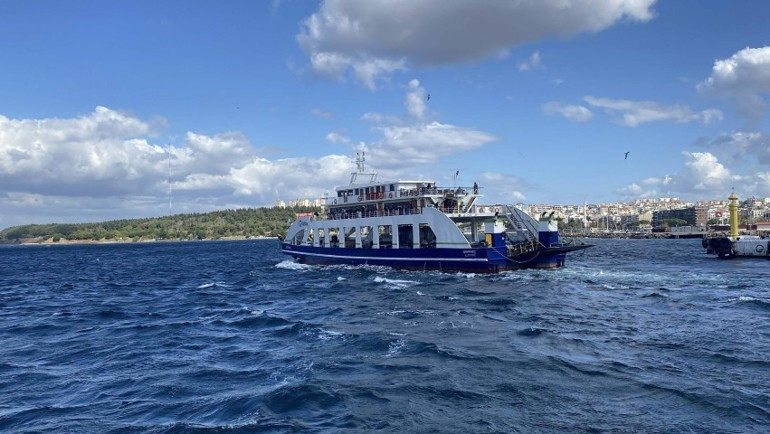
To mitigate the inconvenience to travelers and transport logistics firms, GESTAŞ routinely utilizes digital notification channels, SMS alert systems, and live operational status updates on its official web portal. Passengers holding advanced reservations or planning travel along the Kabatepe–Gökçeada and Geyikli–Bozcaada routes have been advised to monitor real-time announcements from the ferry authority before attempting to travel to the mainland port terminals.
Port facilities at Kabatepe and Geyikli have implemented temporary vessel securing measures, anchoring ferries securely to heavy pier bollards to withstand strong harbor surges until the weather front passes. Operational teams remain on standby to evaluate sea conditions continuously, with service restorations contingent upon official clearance from regional harbor masters once gale conditions subside and wave heights drop to safe operating margins.