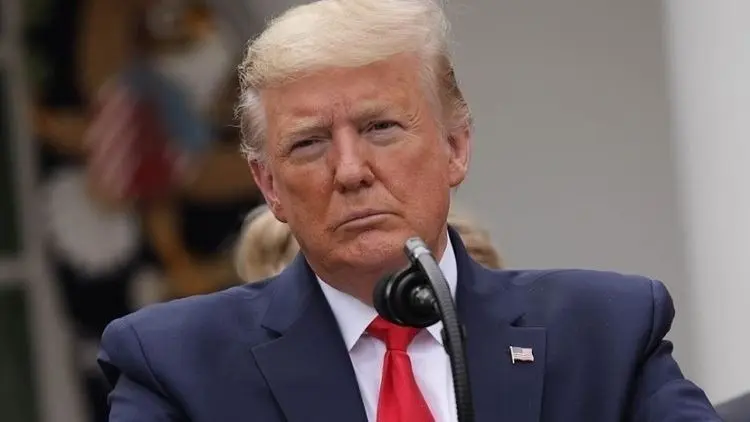
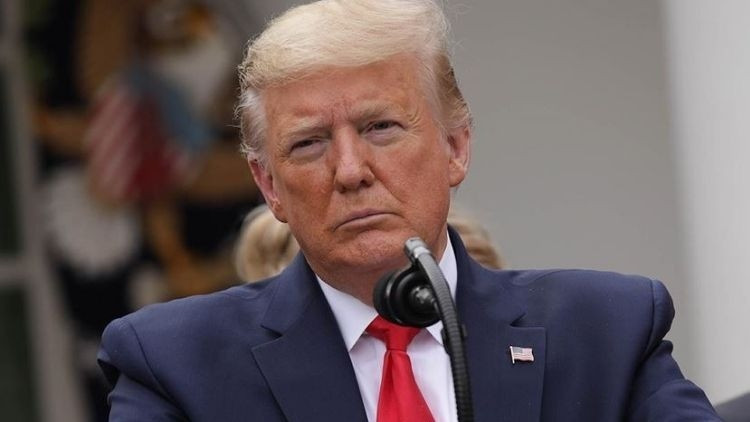
ANKARA — In a significant diplomatic engagement coinciding with Turkey’s national celebrations, President Recep Tayyip Erdoğan and United States President Donald Trump held a comprehensive telephone conversation to discuss a wide array of bilateral, regional, and global issues. The dialogue, which took place against the backdrop of the 103rd anniversary of the founding of the Republic of Turkey, served as a platform for both leaders to evaluate the current state of Turkey-U.S. relations and to address several pressing international security concerns.
According to a formal statement released by the Turkish Directorate of Communications, the discussion was characterized by a focus on de-escalation and the revitalization of diplomatic channels in conflict zones ranging from the Middle East to Eastern Europe. The call underscores the ongoing strategic dialogue between Ankara and Washington at a time when global stability faces multifaceted challenges.
President Erdoğan Emphasizes Diplomatic Solutions in the Middle East and Ukraine
Central to the conversation was the volatile situation in the Middle East, particularly regarding maritime security and ongoing regional conflicts. President Erdoğan conveyed to President Trump that Turkey is maintaining a vigilant watch over developments in the Strait of Hormuz and Yemen. Within the framework of the Mecca Joint Defense Alliance, the Turkish President noted that Ankara is closely monitoring the shifting security dynamics in these critical corridors.
The Strait of Hormuz remains one of the world’s most vital maritime transit points, essential for global energy security. Any instability in this region has immediate and far-reaching consequences for international markets and regional peace. President Erdoğan emphasized that Turkey’s primary objective remains the resolution of these tensions through a solid diplomatic foundation. He reiterated Turkey’s commitment to contributing to efforts that prioritize dialogue over military escalation, seeking to ensure that the complex issues surrounding Yemen and the security of the Persian Gulf are addressed through international cooperation and mediation.
The President’s remarks regarding Yemen reflect Turkey’s broader foreign policy stance, which seeks to balance humanitarian concerns with the necessity of maintaining regional order. By highlighting the role of diplomacy, Erdoğan signaled Turkey’s readiness to act as a stabilizing force in a region that has seen prolonged humanitarian crises and geopolitical friction.
Turning to the conflict in Eastern Europe, the conversation shifted to the ongoing war between Russia and Ukraine. Since the inception of the hostilities, Turkey has positioned itself as a unique intermediary, leveraging its diplomatic ties with both Moscow and Kyiv. During the call, President Erdoğan reaffirmed Turkey’s readiness to provide all necessary support to revive the diplomatic process between the two nations.
The Turkish leader expressed a firm belief that a sustainable end to the war can only be achieved through the restoration of a formal diplomatic framework. Turkey, which previously facilitated high-level meetings and the landmark Black Sea Grain Initiative, continues to advocate for a ceasefire and a negotiated settlement. Erdoğan informed Trump that Ankara remains prepared to host or facilitate renewed talks, emphasizing that the human and economic toll of the conflict necessitates a renewed international push for peace.
The dialogue regarding Ukraine comes at a critical juncture for the international community, as global powers seek ways to transition from active combat to a stable political resolution. President Erdoğan’s offer of support reflects Turkey’s long-standing policy of "proactive neutrality," aiming to mitigate the global impacts of the war while seeking a solution that respects international law and regional security.
Beyond the specific conflict zones, the two leaders also took the opportunity to discuss the broader trajectory of Turkey-United States relations. As NATO allies, the partnership between Ankara and Washington remains a cornerstone of the transatlantic security architecture. The leaders touched upon the importance of maintaining open lines of communication to manage bilateral disagreements and to synchronize their approaches toward global challenges.
The timing of the call was particularly symbolic, as it occurred during Turkey’s Republic Day. President Trump extended his warmest congratulations to President Erdoğan and the Turkish people on the occasion of the 103rd anniversary of the Republic. This gesture of diplomatic courtesy was noted as a reflection of the personal rapport between the two leaders and the historical ties between the two nations.
In addition to the holiday greetings, President Trump expressed his well-wishes for the upcoming Summit of the Organization of Turkic States (OTS). The summit, which brings together nations with shared linguistic and cultural heritage across Eurasia, has become an increasingly important forum for economic and political cooperation. Trump’s mention of the OTS summit highlights the growing international recognition of the organization as a significant regional actor, particularly in the areas of energy connectivity and trade routes linking Asia and Europe.

President Trump’s interest in the success of the Turkic States Summit also points to the strategic importance of Central Asia and the Caucasus in the current geopolitical landscape. As Turkey continues to strengthen its ties with the Turkic world, the United States has shown an interest in the stability and economic integration of these regions, which serve as a bridge between major global markets.
The conversation between Erdoğan and Trump is viewed by analysts as an effort to ensure that the two nations remain aligned on key security priorities despite occasional differences in policy. The emphasis on diplomacy in the Strait of Hormuz and the offer to mediate in the Ukraine-Russia conflict demonstrate Turkey’s desire to be seen as a "problem-solver" on the global stage. For the United States, maintaining a constructive relationship with Turkey is essential for navigating the complexities of the Middle East and the security challenges posed by the situation in Eastern Europe.
The Directorate of Communications noted that the leaders agreed to stay in close contact regarding the issues discussed. The call serves as a reminder of the multi-dimensional nature of the Turkey-U.S. partnership, which encompasses military cooperation, economic ties, and high-level diplomatic coordination.
As Turkey celebrates its Republic Day, the government in Ankara continues to project a foreign policy that is both assertive in its regional interests and committed to international mediation. The engagement with President Trump reinforces this dual approach, highlighting Turkey’s role as a pivotal state capable of engaging with global powers to address the most pressing crises of the day.

The international community will be watching closely to see if this renewed commitment to diplomacy translates into concrete steps on the ground, particularly in the efforts to bring Russia and Ukraine back to the negotiating table. Similarly, the focus on the Strait of Hormuz suggests that maritime security will remain a top priority for both Ankara and Washington as they seek to prevent further volatility in the global energy supply chain.
In summary, the telephone exchange between President Erdoğan and President Trump covered a vast geopolitical landscape, reaffirming the importance of the Turkey-U.S. relationship in managing global risks. From the shores of the Persian Gulf to the plains of Ukraine, the two leaders signaled a preference for diplomatic engagement, while also celebrating the enduring legacy of the Turkish Republic. The successful conclusion of the call and the positive messages exchanged regarding the Organization of Turkic States further solidify the notion that both nations see value in collaborative efforts to foster regional and global stability.