
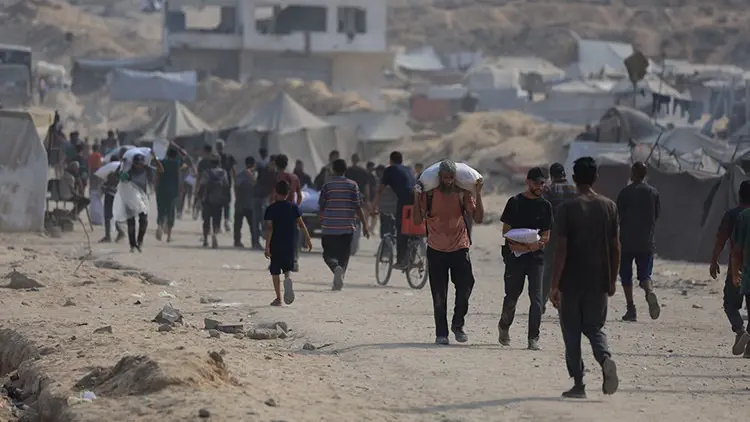
GAZA STRIP — On September 19, 2026, a momentous yet deeply challenging milestone was reached in the Gaza Strip. After a devastating three-year interruption caused by ongoing Israeli military operations, approximately 541,000 Palestinian students officially began the 2026–2027 academic year. However, this return to school bears little resemblance to the educational life these children once knew. Instead of returning to structured classrooms, standard desks, and fully equipped facilities, hundreds of thousands of children are resuming their studies inside makeshift tents, open-air spaces, and severely damaged structures that have been hastily repurposed as learning centers.
The resumption of classes represents a massive effort by local educators, families, and humanitarian organizations to salvage the future of a generation that has been entirely cut off from formal education since the escalation of the conflict in October 2023. For three years, the continuous bombardment, mass displacement, and near-total destruction of civilian infrastructure brought the educational system in Gaza to a complete standstill. The launch of the 2026–2027 school year is an attempt to establish a semblance of normalcy and routine for traumatized children, even as the physical reality of their learning environments remains precarious and severely under-resourced.
To accommodate the over half a million students returning to the system, educational authorities have established approximately 700 makeshift "educational points" across the Gaza Strip. These decentralized points serve as the primary hubs for face-to-face instruction, scattered throughout refugee camps, displaced person centers, and the ruins of urban neighborhoods. In addition to these physical sites, schools have also launched distance learning programs. These remote initiatives are designed to reach students who remain within the enclave but are unable to safely travel to a physical learning point, as well as those who have been displaced outside the borders of the Gaza Strip but still wish to follow the Palestinian curriculum and maintain connection with their teachers.
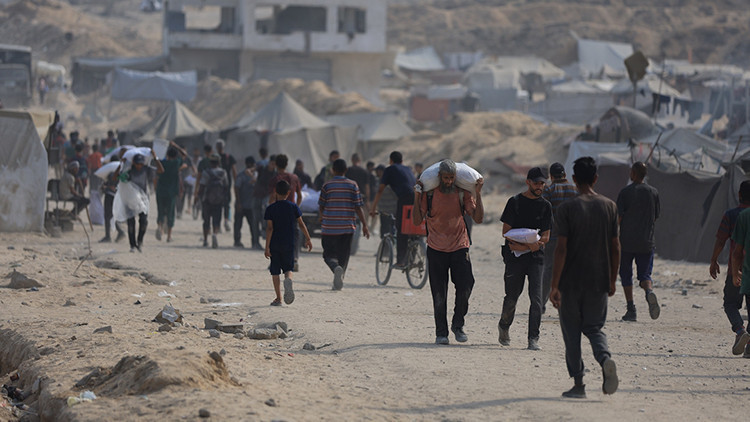
However, the logistical hurdles to providing even a basic education are staggering. The vast majority of Gaza’s proper school buildings are completely out of service. Those few structures that managed to survive the heavy bombardment are largely unavailable for educational purposes, as they have been converted into overcrowded emergency shelters. Tens of thousands of families who were forced to flee their homes due to military operations have sought refuge in these buildings, leaving little to no space for classrooms. This severe shortage of infrastructure has forced educators to rely on tents, creating an incredibly complex environment where teaching must take place alongside the daily struggles of displaced families.
Forced to Sit on the Floor Due to a Lack of Desks
The physical and logistical difficulties of this academic relaunch are vividly illustrated in western Gaza City, at the Gaza Municipality School. Raghda Hmeid, the principal of the school, shared insights into the immense hardships that both educators and students face daily. Despite the extreme scarcity of resources, the complete destruction of most neighboring schools, and the ongoing presence of displaced civilians living within the remaining educational facilities, Hmeid emphasized that Palestinian students remain deeply determined to exercise their fundamental right to education.
According to Hmeid, the conditions inside the makeshift classrooms are primitive and physically taxing. Many students are forced to attend lessons in highly temporary tents that offer virtually no insulation or protection from the elements. During the sweltering summer months, these tents trap heat, turning the makeshift classrooms into stifling, exhausting spaces. In the winter, they offer little resistance against freezing winds, dampness, and rain.
Furthermore, the lack of basic school furniture has created a physically grueling environment for the children. "Because there are no desks or chairs, many of the students are forced to sit directly on the ground," Hmeid explained. Children must sit on dusty mats or the bare earth for hours at a time, hunching over their notebooks to write their lessons on their knees.

Hmeid also highlighted the systemic challenges that continue to hamper the learning process. The extreme density of the student population, coupled with a severe shortage of functional schools and designated educational centers, has overwhelmed the system. Furthermore, there is a complete lack of suitable, safe land in Gaza upon which new educational spaces can be established. These compounding factors make the educational process incredibly difficult, stripping students of the structured, quiet, and safe learning environments they had known prior to the war. Instead of focusing solely on their lessons, students and teachers must constantly adapt to the physical discomfort and psychological strain of their surroundings.
Most Schools Left Unusable by the Conflict
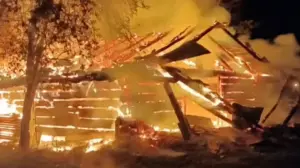
The severe crisis currently facing Gaza’s educational sector is the direct result of the widespread destruction that began with the onset of the military offensive on October 7, 2023. Over nearly three years of intense bombardment and blockade, the physical infrastructure of Gaza’s school system has been systematically decimated.
According to official reports and data compiled by the Palestinian Central Bureau of Statistics, the vast majority of schools across the Gaza Strip have sustained such severe damage that they are now entirely unusable. The scale of the infrastructural collapse is unprecedented. Statistics indicate that more than 179 state-run government schools have been completely destroyed or rendered structurally unsafe. Dozens of schools operated by the United Nations Relief and Works Agency for Palestine Refugees in the Near East (UNRWA), which previously provided education to hundreds of thousands of refugee children and served as vital community hubs, have met the same fate.
The physical destruction of buildings, however, is only one aspect of the tragedy. The human toll inflicted on the educational community is catastrophic. Since the beginning of the conflict, the violence has resulted in the deaths of more than 18,800 school-aged children in the Gaza Strip. This staggering loss of life means that almost every classroom, tent, and educational point operating today is filled with grieving survivors—children who have lost siblings, classmates, and close friends.

The teaching profession has been similarly devastated. Hundreds of teachers, school administrators, and other essential workers in the education sector have been killed during the years of conflict. The loss of these professional educators has left a massive void in the school system, placing an immense burden on the surviving staff. These educators must now not only teach core academic subjects under nearly impossible physical conditions but also act as sources of emotional stability and psychosocial support for deeply traumatized children, all while dealing with their own personal losses and displacement.
As the 2026–2027 academic year gets underway, the tent schools of Gaza stand as a symbol of both profound tragedy and remarkable community resilience. While the physical classrooms have been reduced to rubble, the determination of Gaza’s educators and children to keep the flame of learning alive remains unbroken, despite the absence of desks, books, and safe shelter.